


Antique Chinese Brass Pot
An antique chinese brass pot brings centuries of cast metalwork, ritual vessels and scholarly domestic objects directly into your interior.
Antique Chinese Brass Pot
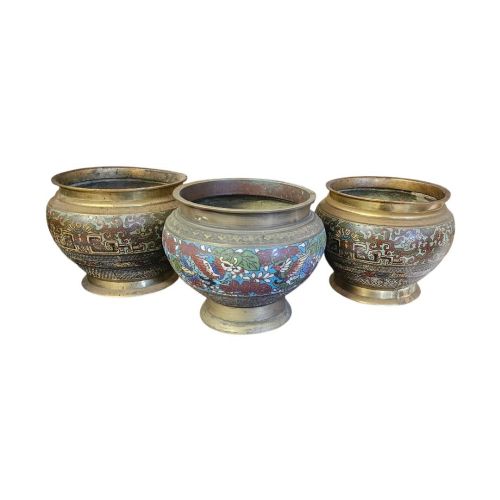
An antique chinese brass pot encompasses a broad array of utilitarian and decorative vessels, ranging from large jardinieres and planter bowls to delicate brush pots and incense burners. These pieces bridge domestic utility and scholarly refinement, reflecting the material culture of the Qing Dynasty and the early twentieth century.
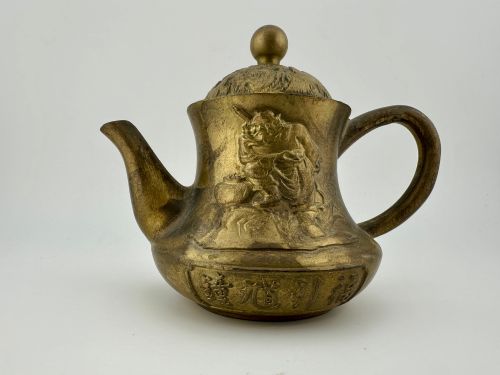
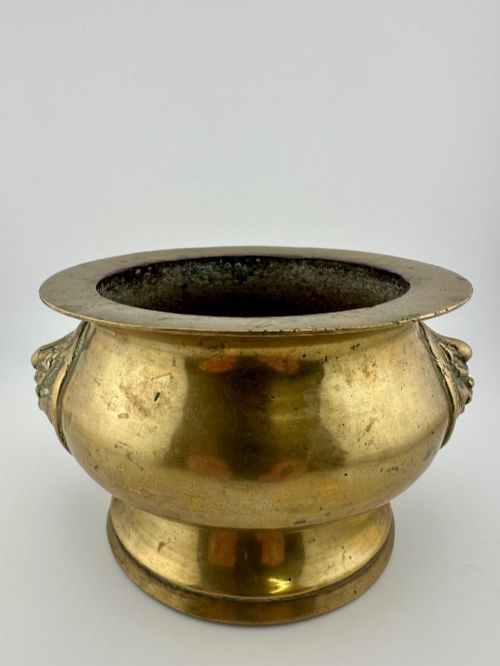
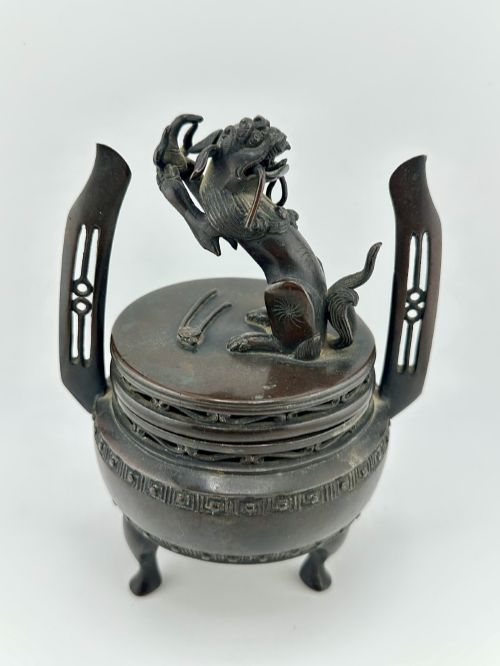
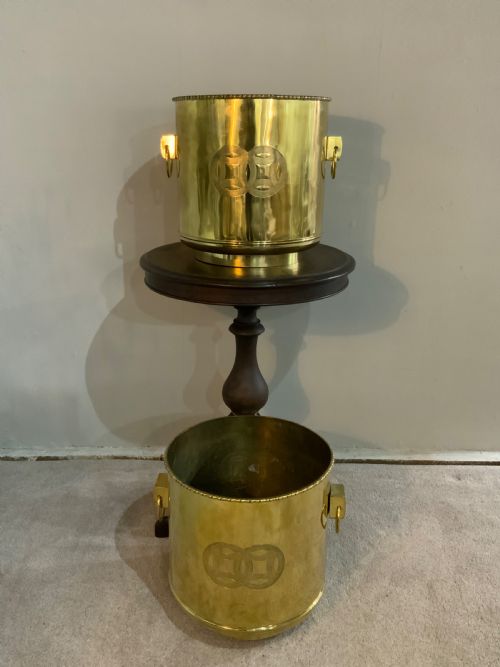
Jardinieres and large planters dominate the selection, often cast with substantial weight for holding plants or floral arrangements within period interiors. Alongside these, smaller desk pots, teapots and lidded incense burners demonstrate the versatility of brass and bronze casting across multiple decades.
Materials and Technique
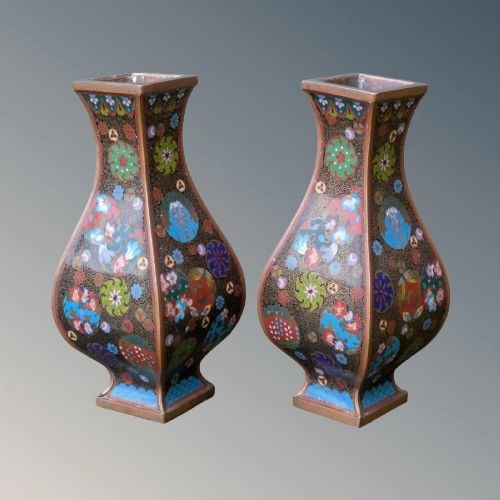
Metalworking relies heavily on cast brass and bronze, frequently augmented through surface decoration such as champleve and cloisonne enamel. Artisans utilise copper and gilded metal highlights to enrich the visual texture of the vessels.
Secondary elements include carved hardwood stands accompanying larger jardiniere bowls. The combination of heavy metal casting with intricate enamel work defines the production standards of these historic pieces.
Several heavy bronze bowls double as miniature athletic weights, tipping the scales at over two kilograms.
Judging Quality
Quality rests upon the crispness of the casting, particularly around detailed elements like lion mask handles, qilin finials, and dragon motifs. Finer examples retain precise relief work and securely integrated enamelling without messy transitions.
The density and gauge of the metal further separate standard production from superior pieces. Heavier bronze and brass bowls demonstrate a solidity that elevates them above lighter, purely decorative vessels.
The Antique Chinese Brass Pot Glossary
- Jardinerie
- A large ornamental pot or stand designed to hold a plant or floral arrangement. These vessels often feature heavy brass or bronze construction suitable for domestic display.
- Censer
- A vessel used for burning incense during ritual or domestic practices. Tripod forms and lidded variants are common among older East Asian metalwork.
- Cloisonne
- An enamel technique where thin metal wires are soldered to a metal body to create cells filled with coloured paste. This surface decoration appears frequently on vases and tea pots.
- Champleve
- An enamelling method where troughs or cavities are gouged into the metal surface and filled with enamel. It creates a bold, patterned effect distinct from wire-based work.
- Brush Pot
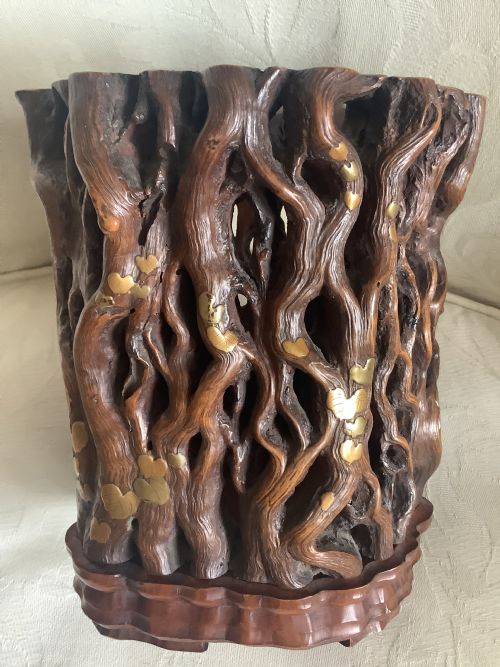
- A cylindrical container used in a scholarly studio to hold writing brushes. Wooden and bronze examples reflect the traditional pursuits of the scholar class.
Antique Chinese Brass Pot: Frequently Asked Questions
What is an antique chinese brass pot used for?
These vessels served various functions in historical households, from burning incense and holding tea to housing plants in large jardinieres or organising scholar's implements.
Today, they adapt easily to modern interiors as planters, desk tidies, or standalone decorative accents.
How do I date an antique chinese brass pot?
Dating relies on stylistic markers, casting techniques, and material combinations associated with the Qing Dynasty or the early twentieth century.
Examining the depth of the relief work, the wear on the base, and accompanying marks helps place a piece within its proper era.
Are these pots made of brass or bronze?
Makers utilised both brass and bronze alloys depending on the period and the specific object type required.
Many listings encompass related copper alloys and gilded metals alongside traditional brass and bronze formulations.
How should I clean my metal pot?
Preserving the historic surface requires gentle dusting and avoiding aggressive commercial metal polishes that strip away natural patina.
Maintaining the aged finish protects the character and integrity of the original metalwork and enamel.