




Carved Bronze Basin
A carved bronze basin brings heavy metalwork and intricate surface detail into a room, spanning centuries of Asian and British craftsmanship.
Carved Bronze Basin
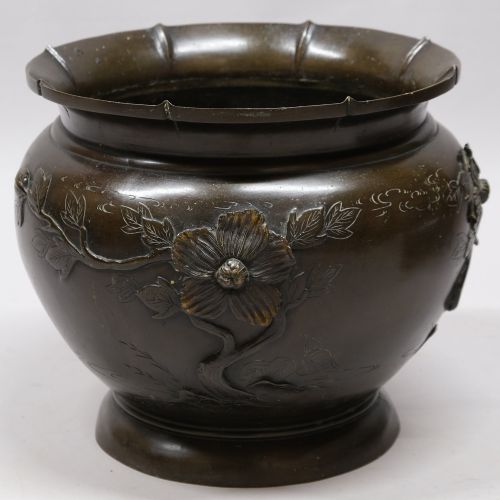
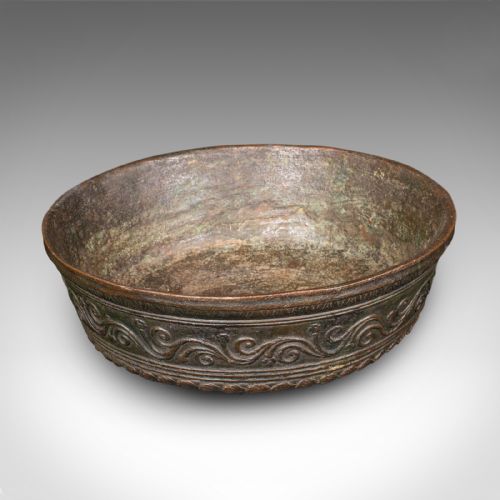
A carved bronze basin on this page typically takes the form of a heavy ritual vessel, a decorative bowl or a large jardiniere planter. These metal forms originate from distinct historical periods including the Georgian and Victorian eras, alongside Japanese Meiji and Edo periods and Chinese Qing Dynasty workshops.
Buyers encounter substantial metal objects weighing several kilograms, designed initially for ritual use, planting or interior display. The forms range from archaic food bowls and censers to deep decorative planters intended to hold large flora.
Methods and materials of manufacture
The primary material across these listings is bronze, supplemented by occasional brass elements and supporting wood components. Artisans shaped these heavy metal vessels through casting techniques before applying detailed surface carving.
Surface decoration relies on traditional East Asian and period-specific motifs, incised or cast directly into the heavy bronze body. The resulting objects combine structural metalwork with intricate exterior relief.
Object forms found on the site include decorative bowls, jardiniere planters, and ritual vessels from Chinese and Japanese origins.
Distinctions in quality and execution
Quality separates through the crispness of the surface carving and the proportional balance of the heavy bronze vessel. Finer examples display deeply defined ritual motifs and controlled patination across the metal surface.
The weight and thickness of the cast bronze also indicate standard, with heavier vessels demonstrating substantial material investment. Earlier pieces from the Edo or Qing periods often exhibit more complex archaic styling compared to later items.
The Carved Bronze Basin Glossary
- Bronze
- An alloy consisting primarily of copper, traditionally combined with tin, used for durable casting. This heavy metal forms the structural basis of every piece listed.
- Jardiniere
- An ornamental pot or stand for holding plants or flowers. These large vessels often feature exterior carving and substantial weight.
- Censer
- A vessel used for burning incense. Several decorative bowls in the listings double in form as traditional censers.
- Archaistic
- A style that consciously imitates ancient art forms. This appears in ritualistic food bowls referencing earlier dynastic periods.
- Meiji Period
- A period of Japanese history spanning the late nineteenth and early twentieth centuries. Pieces from this era often show intricate decorative work.
Carved Bronze Basin: Frequently Asked Questions
What were these bronze basins used for?
These metal vessels served multiple functions ranging from ritual food offerings and burning incense to holding large plants as jardinieres.
Over time, many of these utilitarian and ceremonial objects transitioned into decorative interior bowls displayed on tables or pedestals.
How do I date a bronze basin?
Dating relies on stylistic markers such as archaic Chinese Qing designs or Japanese Edo and Meiji period motifs cast into the metal.
Examining the depth of the carving and the specific composition of the bronze helps place a piece within the eighteenth, nineteenth, or early twentieth century.
Are these pieces made entirely of bronze?
The primary material across the inventory is heavy cast bronze, occasionally accompanied by brass fittings or integrated wood elements.
Weights vary significantly, with some substantial bowls exceeding four kilograms of solid metal.
How should I display a heavy bronze bowl?
Due to their considerable weight, these basins require sturdy furniture capable of supporting heavy metal objects safely.
They function well as standalone decorative centerpieces or as functional planters when lined appropriately to protect the antique metal surface.