
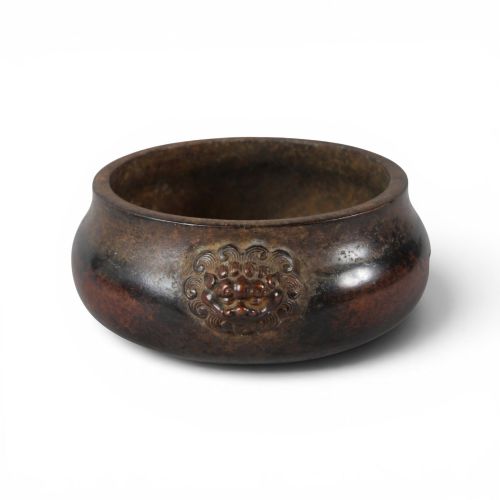
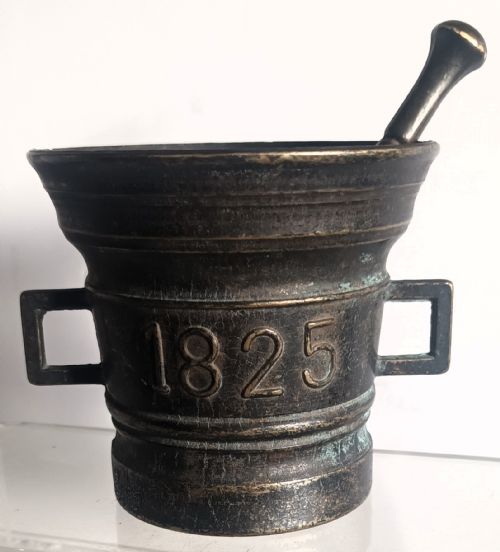
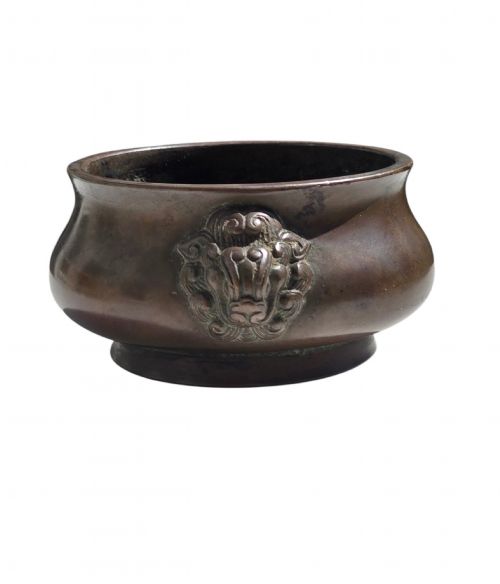


Dark Bronze Bowl
A dark bronze bowl serves as a vessel for incense, plants, or display, offering tactile weight and deep patination.
Dark Bronze Bowl
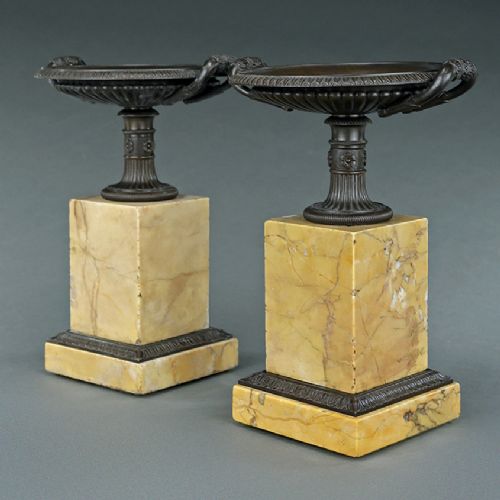
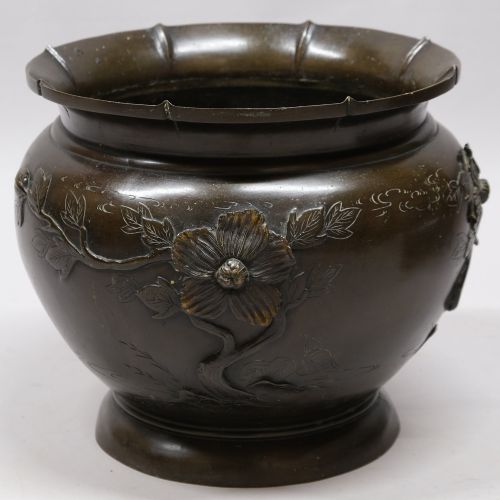
When searching for a dark bronze bowl, a buyer examines varied vessels spanning centuries of metalwork traditions, from French library tazzas to Japanese jardinieres.
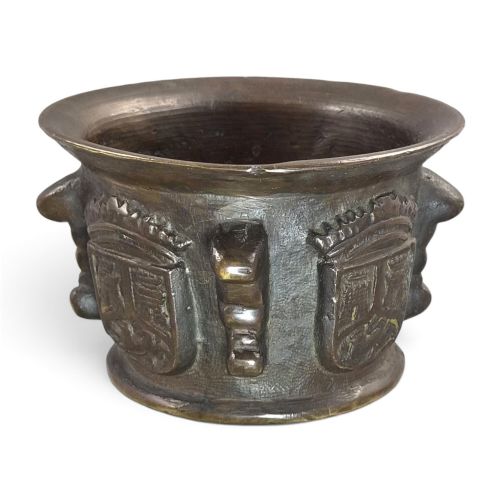
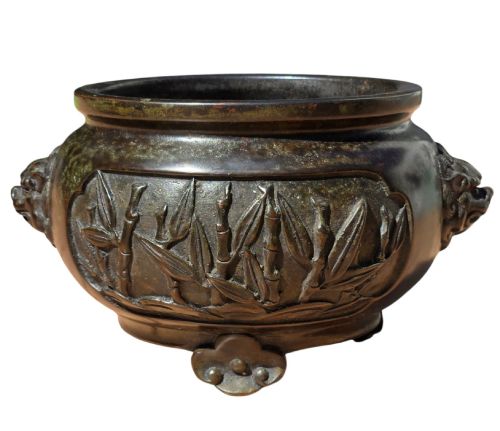
Scholar's censers, apothecary mortars, and decorative planers dominate the forms seen here, often originating from Ming and Qing dynasty China, the Japanese Meiji and Edo periods, or European workshops.
French 19th-century centrepieces and Italian Grand Tour souvenirs also appear frequently alongside English domestic mortars, providing multiple functional designs.
How they were made
Foundry workers utilised lost-wax casting and sand-casting techniques to shape bronze, brass, and copper alloy, sometimes applying cold painted enamel or marble elements.
Artisans achieved surface patination through chemical treatments, ageing, and handling, creating the dark tones characteristic of these vessels.
Form categories include decorative bowls, jardinieres, incense burners, apothecary mortars, and classical tazzas.
What varies in quality
The degree of surface detail in cast reliefs, such as taotie masks, dragon motifs, and scholarly panels, distinguishes standard utility items from masterwork castings.
Wall thickness and overall mass determine resonance and structural substance, separating heavy architectural or ritual pieces from lighter decorative vessels.
The Dark Bronze Bowl Glossary
- Bronze
- An alloy consisting primarily of copper, typically combined with tin. It develops a stable surface patina over centuries of exposure.
- Censer
- A vessel designed for burning incense. These items often feature pierced covers or open bowls with ritual relief decoration.
- Tazza
- A shallow saucer or bowl mounted on a stem and foot. European examples frequently draw on classical architectural motifs.
- Jardiniere
- A large ornamental pot or planter for flowers and greenery. These pieces often utilise heavy cast metal construction.
- Patination
- The natural or induced coloration on the surface of metal. Dark tones emerge from age, handling, and chemical application.
Dark Bronze Bowl: Frequently Asked Questions
What is a dark bronze bowl used for?
These vessels function practically and decoratively as planters, jardinieres, incense burners, and fruit bowls. Historically, specific forms served ritual purposes or assisted in apothecary preparation.
Today, they act as centrepieces and display objects that bring metallic texture and historical depth into domestic interiors.
How do I date a bronze bowl?
Dating relies on stylistic markers, casting techniques, and material composition matched against historical periods like the Ming dynasty or Meiji era. Evidence includes regional casting methods and decorative motifs such as taotie masks or Tudor roses.
Consulting period styles helps place an object within centuries ranging from the sixteenth to the early twentieth.
Are these bowls heavy?
Many examples possess significant mass, with certain scholar's censers and planters scaling several kilograms. Solid cast construction provides substantial weight and structural density.
Heavier vessels typically indicate robust foundry work intended for ritual or utilitarian stability.
What maintenance do bronze bowls need?
Bronze requires minimal intervention to preserve its patinated surface over time. Dusting with a dry cloth keeps the metal clean without disturbing the underlying finish.
Avoiding harsh chemical cleaners protects the historical patination developed through age and use.