


Oriental Cast Bronze Bowl
These oriental cast bronze bowl pieces are substantial scholar's vessels and decorative planters prized for their ritual forms and heavy metalwork.
Oriental Cast Bronze Bowl
When you search for an oriental cast bronze bowl, you encounter vessel forms that span centuries of Chinese and Japanese metalwork traditions. The pieces listed range from utilitarian planters to scholar's censers and ritual vessels.
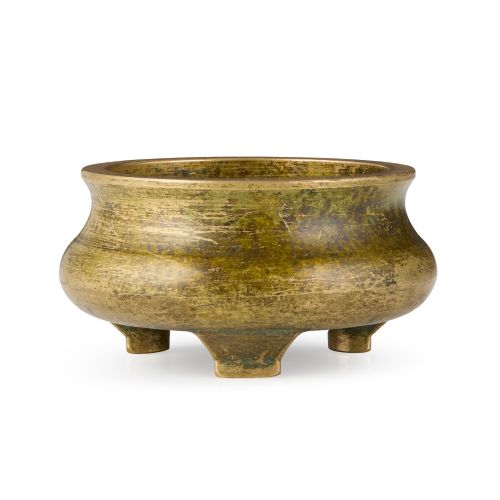
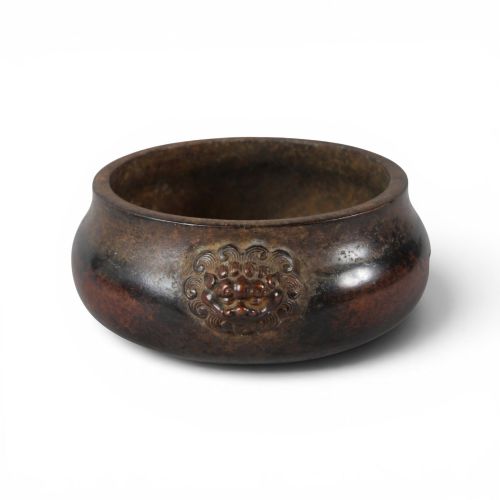
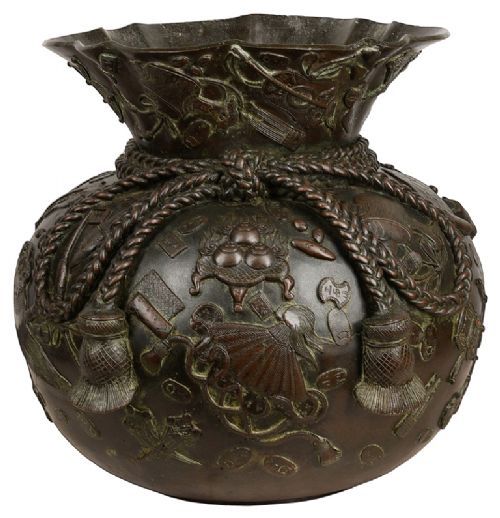
The objects commonly appear in forms such as tripod censers, heavy ritual food vessels, and large decorative jardinieres. Chinese examples often date to the Ming and Qing dynasties, while Japanese pieces frequently originate from the Edo and Meiji periods.
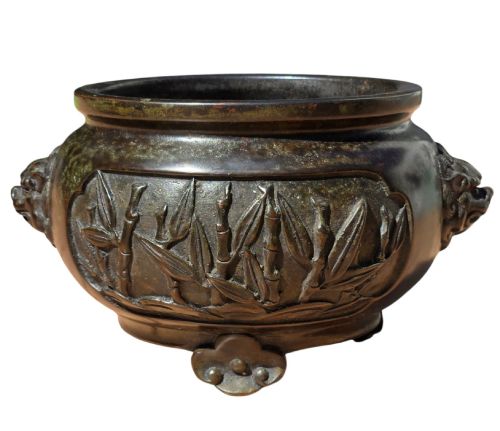
Many of these vessels serve specific functions, functioning as incense burners with lion-mask handles or as planters for the home. Their presence brings sculptural weight and historic patination to an interior space.
What varies in quality
Quality in an oriental cast bronze bowl relates primarily to the weight of the metal and the crispness of the casting. Heavier pieces demonstrate greater material substance, while refined scholar's vessels display sharply rendered relief panels and deliberate studio marks.
The depth and consistency of the bronze patina also influence the character of the object. Superior examples retain honest wear and aged surface tones that reflect their period of origin without obscuring the original form.
Object forms on this page range from ritual food vessels and tripod incense burners to large decorative plant jardinieres.
The Oriental Cast Bronze Bowl Glossary
- Censer
- A vessel designed for burning incense, frequently taking a tripod form with fitted handles.
- Jardiniere
- A decorative pot or planter used for holding flowers or large indoor plants.
- Archaistic
- A style that consciously imitates the ancient forms, motifs, and patination of early ritual bronzes.
- Patina
- The surface coloration and texture developed on bronze through age, handling, and environmental exposure.
- Relief
- Sculptural projection from a flat or curved background surface, often forming pictorial panels on the vessel body.
Oriental Cast Bronze Bowl: Frequently Asked Questions
What is an oriental cast bronze bowl used for?
These vessels originally served practical or ritual functions, such as burning incense in a scholar's studio or holding plants as jardinieres. Today, collectors often use them as decorative centrepieces or display objects.
Their heavy construction and deep patination allow them to sit comfortably in contemporary or traditional interiors without requiring special maintenance.
How do I date an oriental bronze bowl?
Dating relies on stylistic markers, casting techniques, and any associated studio marks or dynasty attributions recorded on the piece. Chinese examples frequently align with Ming or Qing periods through their archaistic motifs.
Japanese pieces often correspond to the Edo or Meiji eras, identifiable by their specific decorative styles and vessel forms.
Are these bowls made of bronze or brass?
The listings comprise items fashioned from bronze and brass, both copper alloy metals used extensively in Asian metalwork. Bronze generally offers a richer tonal variation and greater weight.
Composition varies between Chinese ritual pieces and Japanese decorative jardinieres, influencing the natural ageing of the surface.
What makes a scholar's censer different?
Scholar's censers were created for the private desks of intellectuals and officials, featuring understated forms, refined patination, and occasionally specific studio marks. They prioritise subtle elegance over grand ornamentation.
These pieces often incorporate traditional motifs like the three friends of winter in relief panels.