




Decorative Chinese Ceramic Basin
These decorative chinese ceramic basin items span centuries of craftsmanship, offering vibrant hand-painted details and grand proportions that elevate any interior space.
Decorative Chinese Ceramic Basin
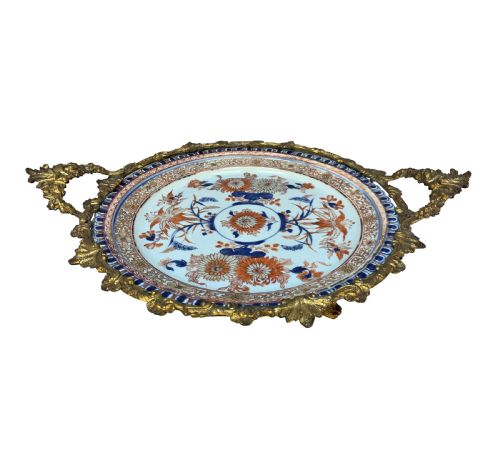
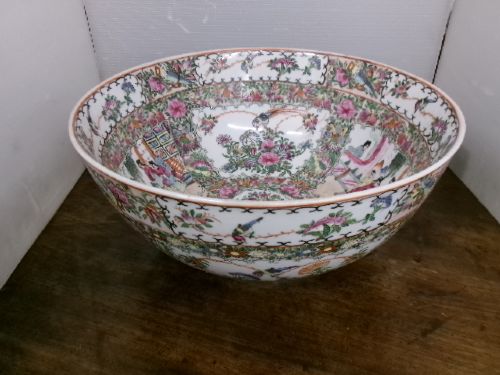
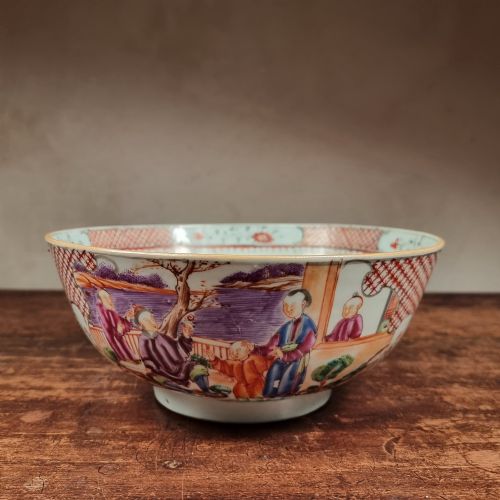
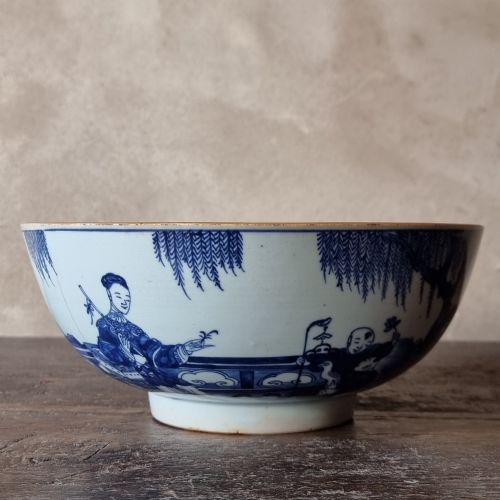
When you search for a decorative chinese ceramic basin, you encounter a variety of forms including large punch bowls, jardinieres, and painted plates. These vessels originate from different periods, most notably the eighteenth and nineteenth centuries, reflecting rich export traditions and domestic production.
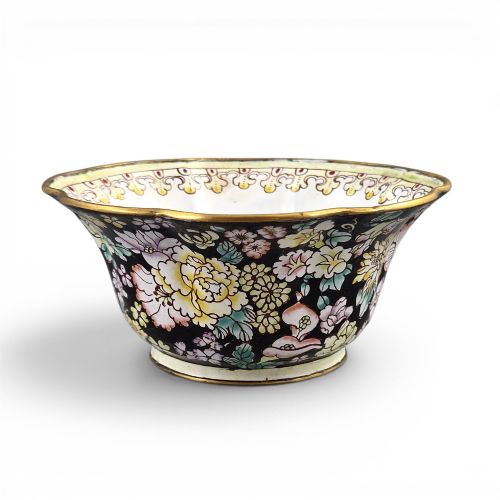
The pieces on this page frequently showcase Canton hand-painted styles, Famille Rose palettes, and cobalt blue motifs on porcelain and enamel-on-copper. You are most likely to meet substantial bowls featuring intricate floral, figural, or dragon designs suited for display.
Materials and Techniques
Makers utilised high-fired porcelain and copper bases, applying overglaze enamels and cobalt blue pigments by hand. These materials provided a durable, smooth canvas for complex pictorial narratives and botanical patterns.
Some vessels received luxury European mounts in ormolu and gilt bronze, merging Eastern ceramic traditions with Western decorative metalwork during periods like French Rococo and Art Nouveau.
Some dragons painted on these bowls stare directly at the viewer with wide, hand-drawn eyes intended to ward off domestic mischief.
Quality Variations
The finesse of the brushwork largely determines the caliber of a piece, separating hurried commercial output from masterwork painting. Crisp delineation in figures and saturated pigments without bleeding indicate superior execution.
The integration of metal mounts and the preservation of original gilding and enamel integrity also influence the standing of an item. Heavier, well-balanced porcelain forms with unblemished glazes represent the upper tier of the range.
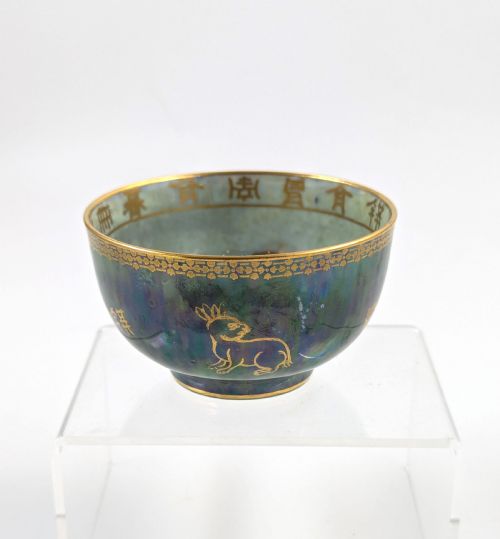
Wedgwood·Daisy Makeig Jones·Samson
The Decorative Chinese Ceramic Basin Glossary
- Famille Rose
- A palette of opaque enamel colours dominated by pink or rose, introduced in the Qing dynasty. This technique allowed for nuanced shading and detailed pictorial representation.
- Jardiniere
- An ornamental pot or basin designed to hold growing plants or flowers. These large ceramic vessels often feature wide rims and sturdy bases.
- Ormolu
- Gilt bronze mounts applied to furniture, porcelain, and objects of art. This French technique added architectural presence and luxury to imported ceramics.
- Punch Bowl
- A large, deep bowl traditionally used for mixing and serving punch at social gatherings. In ceramic history, these became prime canvases for elaborate hand-painted decoration.
- Cobalt Glaze
- A deep blue pigment applied under the glaze before firing. It withstands high temperatures, producing sharp, permanent designs.
Decorative Chinese Ceramic Basin: Frequently Asked Questions
How were antique punch bowls used?
These large vessels sat at the centre of dining tables to hold communal drinks during large gatherings and celebrations.
Over time, their role shifted from functional tableware to decorative centrepieces displayed on sideboards and pedestals.
How do I clean a ceramic basin?
Dust the surface gently with a soft, dry cloth to remove everyday particles without disturbing delicate enamel or gilt details.
Avoid using abrasive chemical cleaners or submerging mounted pieces in water, as moisture can damage ormolu and older repairs.
What is Canton porcelain?
Canton porcelain refers to white wares decorated in the trading port of Canton, specifically for Western export markets.
These pieces typically feature vibrant Famille Rose palettes, intricate borders, and scenes depicting daily life or court figures.
Can I plant directly in a jardiniere?
Placing soil and water directly against antique ceramic can cause moisture absorption and staining over time.
Utilise a separate inner pot or plastic liner to protect the historic interior while keeping plants healthy.