


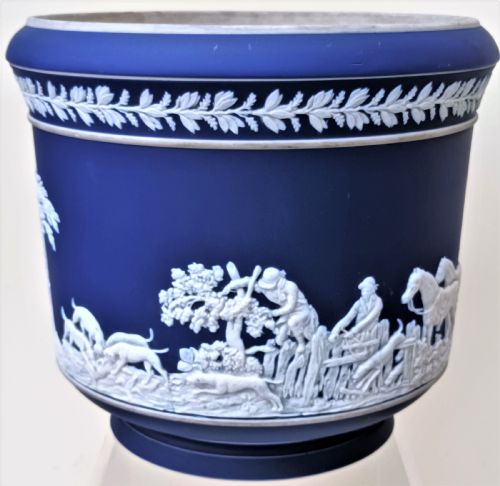
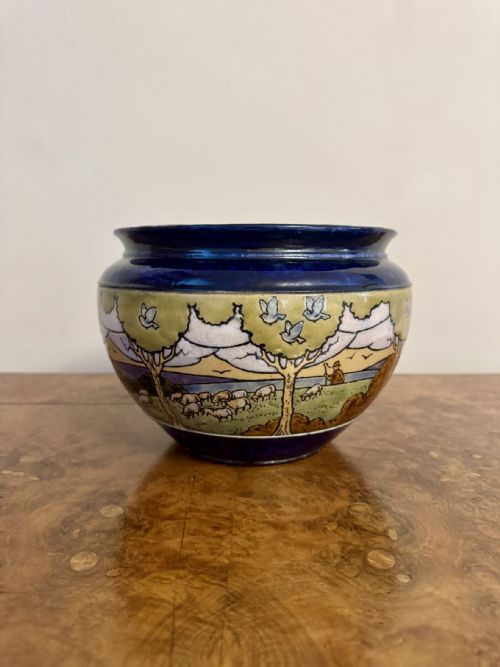


Stoneware Ceramic Jardiniere
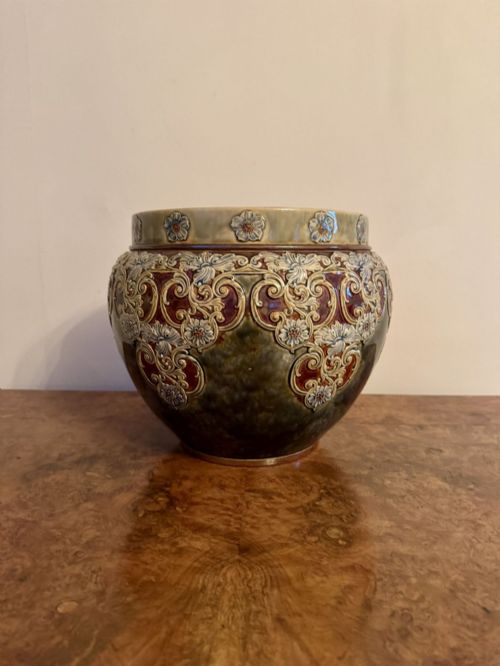
These stoneware ceramic jardiniere pieces bring heavy, dense bodies and rich glazes to indoor planting.
Stoneware Ceramic Jardiniere
A stoneware ceramic jardiniere serves as a decorative pot designed to hold indoor plants or flowering displays. When exploring this selection, buyers encounter robust vessels originating primarily from the Victorian era through to the early twentieth century.
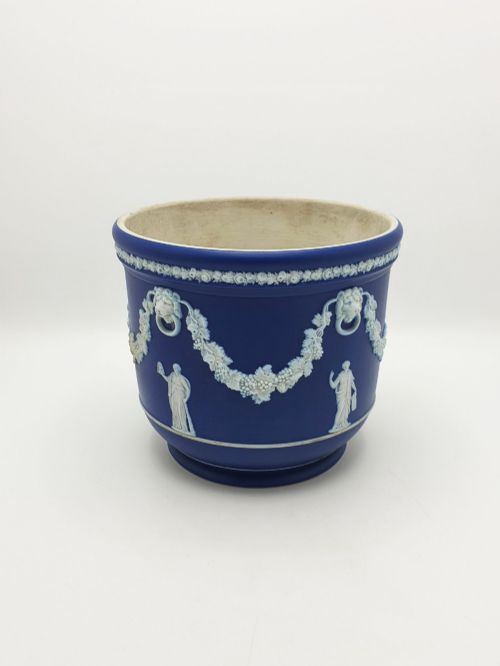
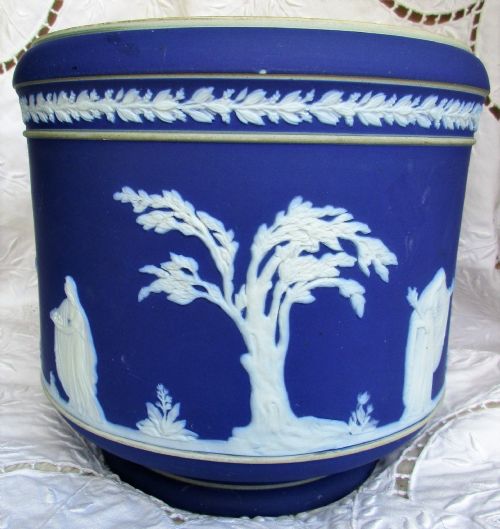
The inventory showcases distinct stylistic movements including Victorian Art Pottery, Art Nouveau, and Arts and Crafts designs. English potteries feature prominently alongside Japanese examples and larger French gres productions.
Most items function as standalone planters, while certain pieces arrive paired with matching ceramic pedestals or stands. Forms range from compact cachepots to substantial planters intended for orangeries and large reception rooms.
Materials and production methods
Potters utilised vitrified stoneware and dense clay bodies fired at high temperatures to ensure durability and water resistance. This robust material supported heavy ornamental modelling and deep relief decoration without losing structural integrity.
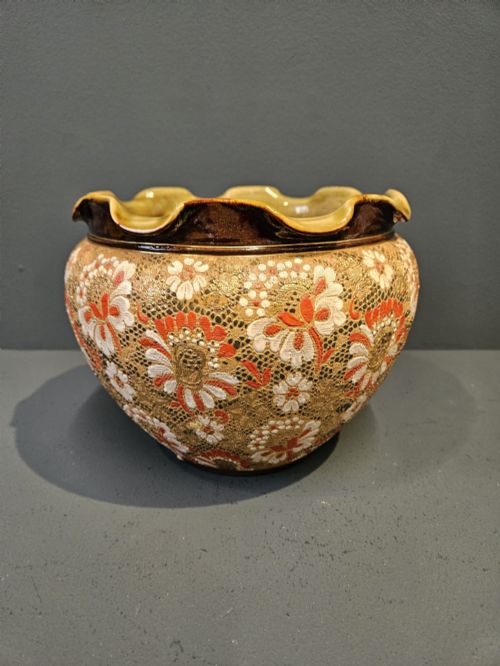
Surfaces received applied glazes, enamels, and specialised treatments such as Slaterware texturing. Artisans employed hand-thrown techniques alongside moulded bodies, often finishing details with incised patterns and hand-painted motifs.
Stoneware Ceramic Jardiniere Retail Price Guide 2026
Typical asking prices for stoneware ceramic jardiniere among the pieces listed under this phrase on Sellingantiques today, from the lower quarter to the upper quarter. They describe what is for sale here now, not the wider market.
Some vessels required sturdy pedestals because Victorian ferns grew quite heavy indeed.
Distinguishing quality across the range
Quality rests upon the crispness of the moulded or incised decoration and the depth of the glaze finish. Superior examples display precise control during the high-temperature firing, resulting in clean lines and even colour distribution across the body.
The presence of a recognised maker or studio mark elevates the standing of a piece significantly. Artisans who executed hand-finished details or specialised surface textures produced vessels that display greater artistic merit.
William Adams and Sons·Royal Doulton·Doulton Lambeth·Makuzu Kozan II·Doulton Burslem·Enoch Wood and Sons
The Stoneware Ceramic Jardiniere Glossary
- Stoneware
- A heavy, impermeable pottery fired at high temperatures until the clay body vitrifies. This dense material resists moisture absorption and supports weighty ornamental designs.
- Cachepot
- A decorative container used to conceal an ordinary flowerpot holding a plant. These vessels typically lack drainage holes in the base to protect indoor surfaces.
- Slaterware
- A decorative technique involving textured lace or fabric pressed into damp clay before firing. This method created a distinctive patterned surface popular among late nineteenth-century English potteries.
- Jasperware
- A fine-grained, unglazed stoneware developed with coloured body chemistry. It is characterised by contrasting applied white relief ornamentation.
- Gres
- French stoneware produced with high-firing clays yielding durable, vitreous vessels. These pieces often feature natural salt glazes or rich earthy tones.
Stoneware Ceramic Jardiniere: Frequently Asked Questions
How do I protect furniture from moisture?
Place a smaller, unglazed plant pot with a drainage saucer inside the jardiniere to catch excess water.
Alternatively, line the interior with a waterproof insert to keep dampness away from the ceramic body.
Were these vessels meant for indoor use?
Most pieces were created for interior display in parlours, conservatories, and hallways during the Victorian and Edwardian periods.
Substantial examples classed as tree planters or orangery bases were built to handle sheltered outdoor environments.
How do I distinguish Art Nouveau from Victorian pieces?
Victorian designs often rely on symmetrical patterns, classical motifs, and traditional blue jasperware or rich brown salt glazes.
Art Nouveau examples introduce fluid, asymmetrical plant tendrils and stylized floral motifs typical of the early twentieth century.
What is the difference between a jardiniere and a cachepot?
A jardiniere generally functions as a larger, standalone plant container designed to sit on the floor or a dedicated pedestal stand.
A cachepot tends to be smaller, intended to sit on tables or sideboards while hiding standard plant pots.