




Antique Pottery Planter
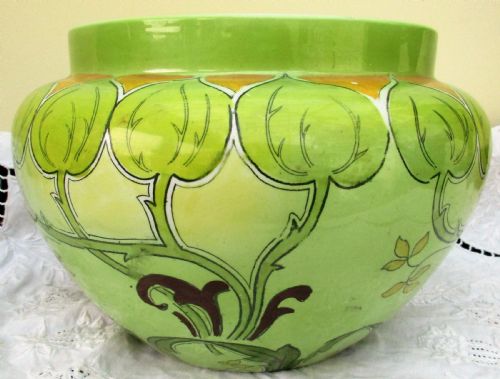
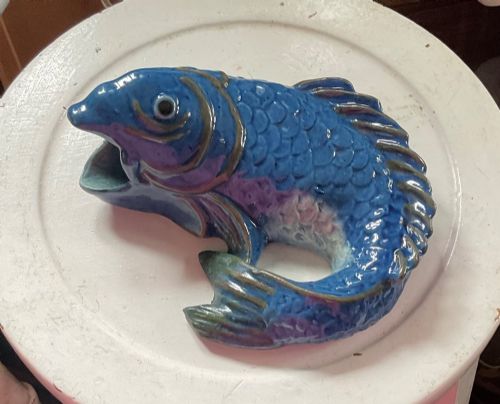
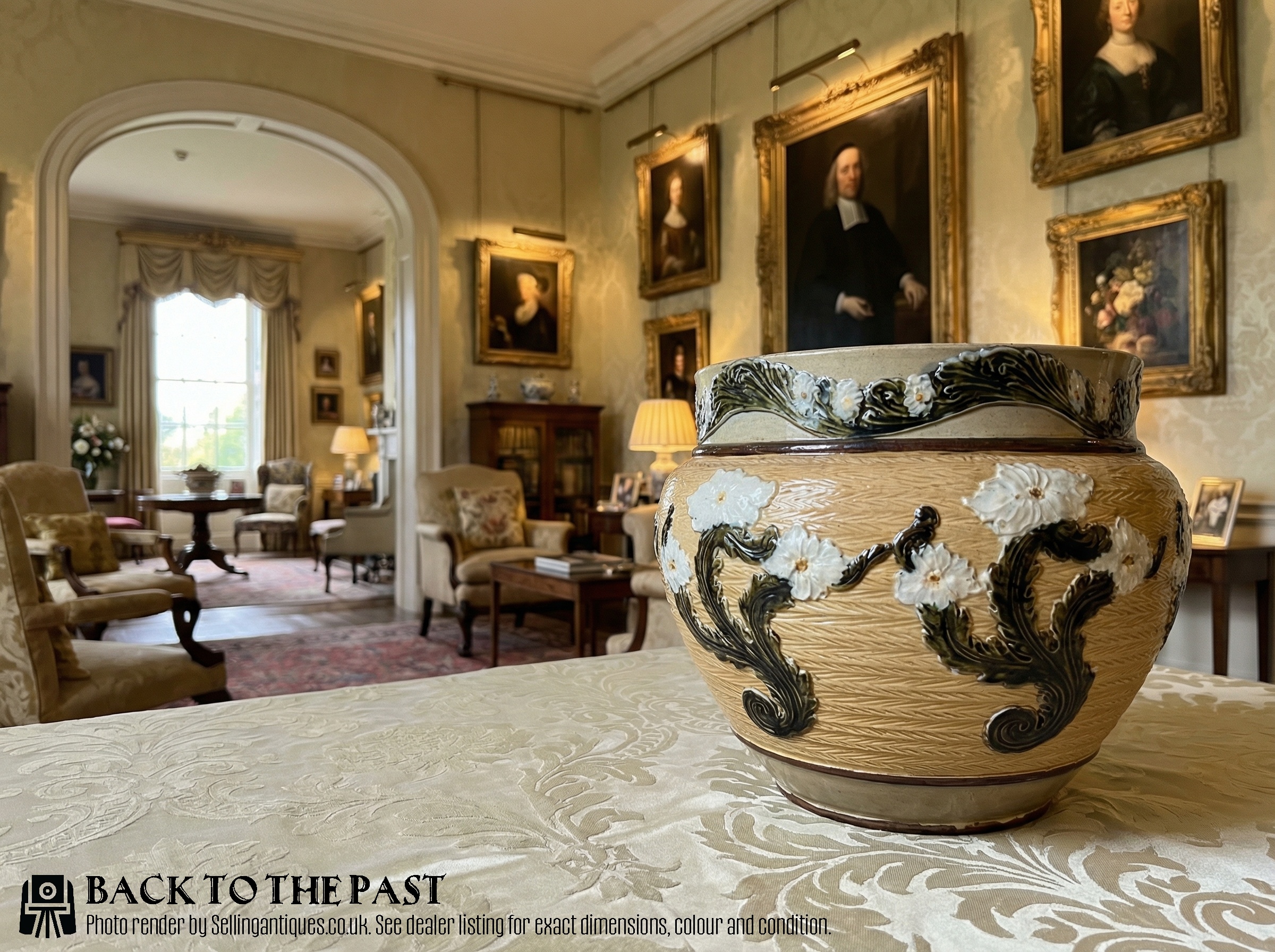
These antique pottery planter pieces bring sculptural presence and historic character to interior planting, from grand Victorian majolica jardinières to salt-glazed vessels.
Antique Pottery Planter
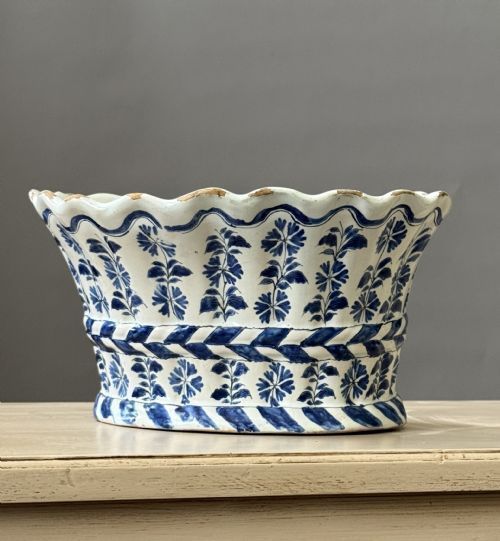
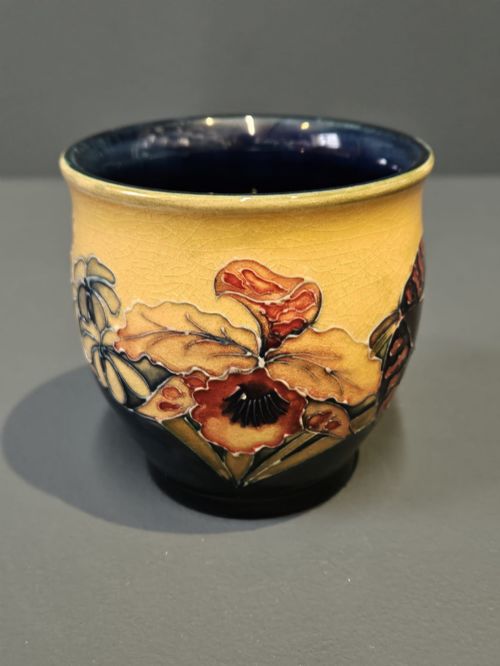
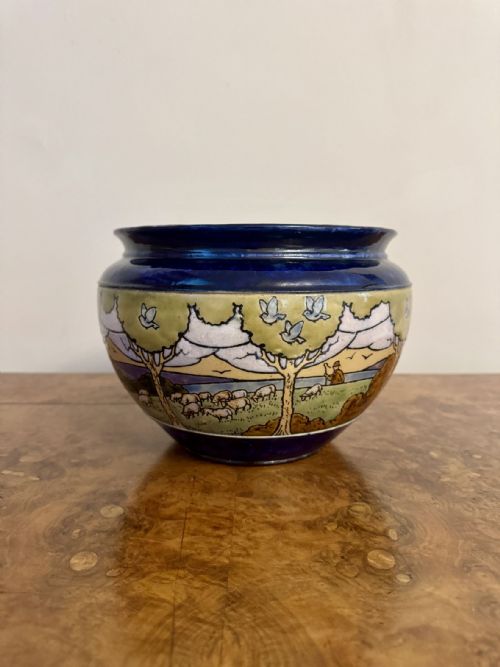
An antique pottery planter encompasses domestic vessels created to house plants, flowers and water indoors, appearing in forms such as jardinières, footbaths, cache pots, bough pots and wall pockets. This selection is dominated by Victorian and nineteenth-century ceramic pieces, alongside earlier Delftware and regional European earthenwares designed for botanical display.
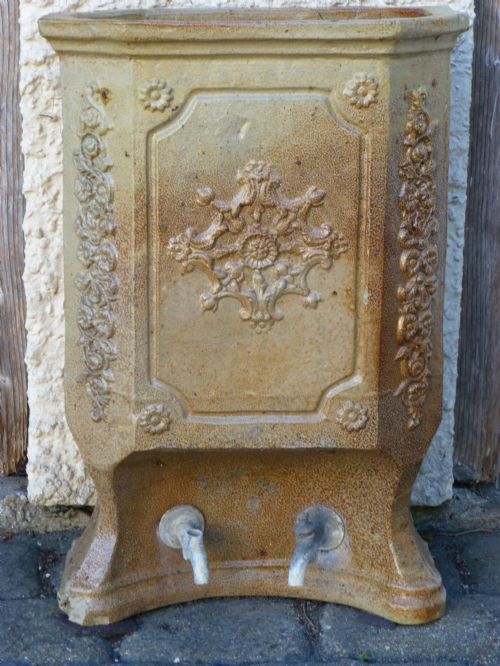
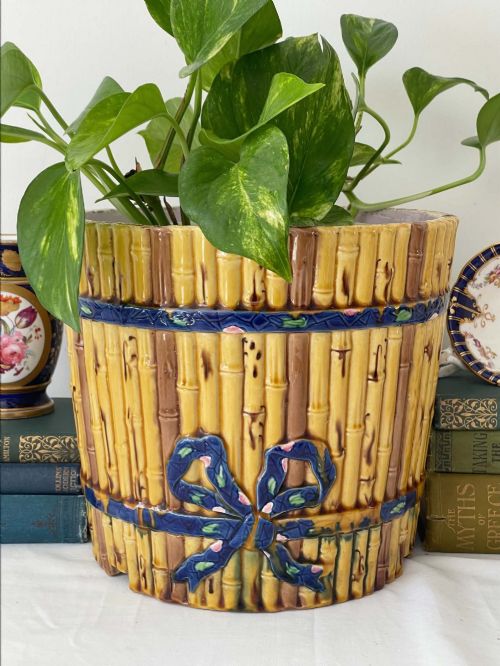
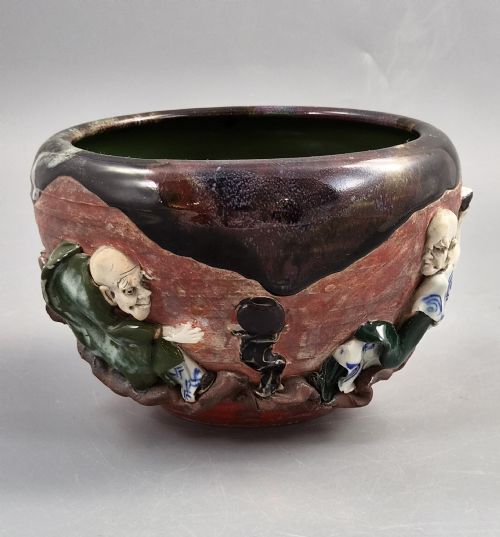
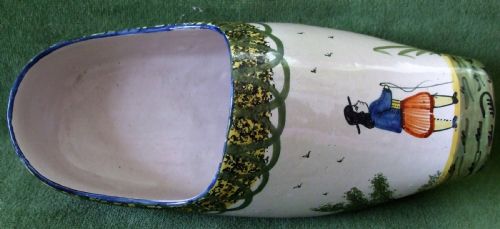
Makers ranged from large British potteries like Doulton and Minton to French faience workshops and Japanese ceramicists, producing items intended for drawing rooms, conservatories and parlours. These containers vary from simple salt-glazed stoneware to elaborate majolica glazed models modelled with bamboo, figures or naturalistic foliage.
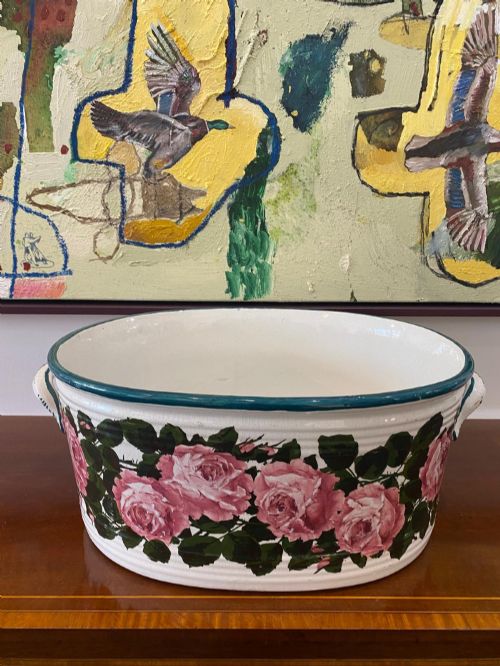
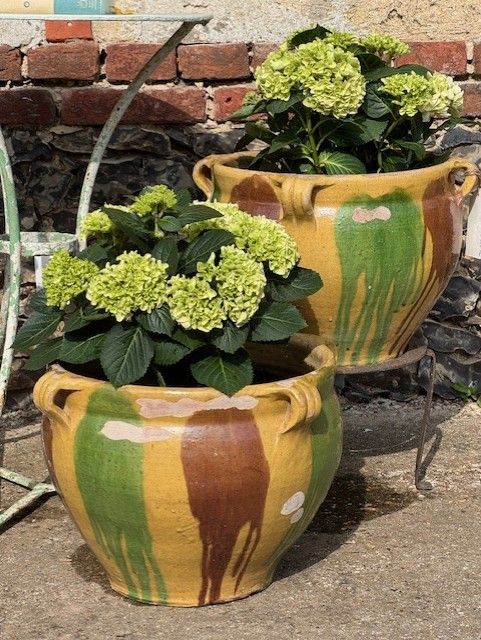
The category overlaps with traditional footbaths and large bowls adapted over time for botanical use, reflecting how historic households repurposed heavy ceramic vessels. Buyers encounter everything from rustic French confit jars and Mediterranean terracotta amphorae to highly decorative Arts and Crafts and Art Nouveau pedestal planters.
How they were made
Potters utilised earthenware, stoneware, terracotta and majolica paste, shaping the clay either by hand on a wheel or through press-moulding for complex sculptural forms. Relief decoration, applied figures and bamboo motifs were hand-modelled or cast separately before being attached to the body prior to firing.
Glazing defined the surface finish, employing salt-glazing techniques, tin-enamel for faience, lustrous metallic sheens, and colourful lead-based majolica glazes that pooled in the recesses of moulded ornament. Firing took place in traditional kilns where temperature variations often produced the distinctive dribble effects and subtle colour shifts seen on historical pieces.
Several nineteenth-century footbaths listed now started life for washing tired feet before finding a second career holding ferns.
What varies in quality
The refinement of the modelling separates standard utility vessels from exhibition-grade studio and factory pieces, particularly where hand-painted details or relief figures are concerned. Crispness in the definition of moulded leaves, bamboo stalks and animal or human figures indicates superior skill during the forming stage.
Glaze application dictates visual depth, with superior pieces showing even coverage, rich colour saturation and controlled pooling rather than flat, dull surfaces or accidental firing blemishes. The presence of matching stands, pedestals or original underplates elevates the integrity and sculptural impact of larger jardinières.
Wemyss·Minton·Inoue Ryosai·Royal Doulton·W.A. Adderley·Lauder Pottery·Nevers Faience·Doulton Burslem·Doulton Lambeth·Clement Massier·Spode·Julius Dressler·Compton Pottery·Enoch Wood and Sons·Adams
The Antique Pottery Planter Glossary
- Jardiniere
- A large ornamental pot or stand designed to hold a plant or flowers indoors, usually manufactured from ceramic or metal.
- Majolica
- A type of earthenware coated with an opaque tin glaze and painted with metallic oxide colours, popular during the Victorian era for botanical vessels.
- Cache pot
- An ornamental container used to conceal an ordinary flowerpot, featuring a solid base without drainage holes.
- Salt-glazed stoneware
- A dense, impermeable ceramic fired at high temperatures where common salt is thrown into the kiln to produce a pitted, orange-peel texture.
- Faience
- European tin-glazed earthenware, historically produced in France, the Netherlands and other regions, known for painted decoration.
Antique Pottery Planter: Frequently Asked Questions
What is the difference between a jardiniere and a cache pot?
A jardiniere typically refers to a larger, standalone ornamental container designed to hold growing plants or large floral arrangements directly or within a liner. They often sit on pedestals or floor stands in prominent rooms.
A cache pot is generally smaller and functions specifically to hide a plain working flowerpot placed inside it. These vessels usually lack drainage holes to protect interior surfaces from moisture.
Can I plant directly into an antique ceramic planter?
Direct planting is possible with many robust stoneware and terracotta vessels, provided you manage moisture levels carefully. However, historic earthenware and majolica can be porous or sensitive to mineral salts.
Many collectors prefer placing a modern plastic pot and saucer inside the antique vessel to protect the ceramic body from dampness and soil erosion over time.
How do I identify a Victorian majolica planter?
Victorian majolica planters are characterised by heavy earthenware bodies covered in colourful, glossy lead glazes that highlight moulded botanical or naturalistic motifs. Look for relief designs featuring bamboo, leaves, animals or classical figures.
Many pieces from this era bear factory date marks, registration numbers or artist signatures impressed into the unglazed base beneath the vessel.
Were footbaths originally used for plants?
Nineteenth-century footbaths were originally manufactured for personal hygiene and bathing feet in the bedroom before being repurposed as grand planters or wine coolers. Their deep oval basins and sturdy handles made them ideal for housing multiple potted plants.
Today, these ceramic basins are frequently utilised as dramatic centrepieces for large floral displays or indoor garden arrangements.