

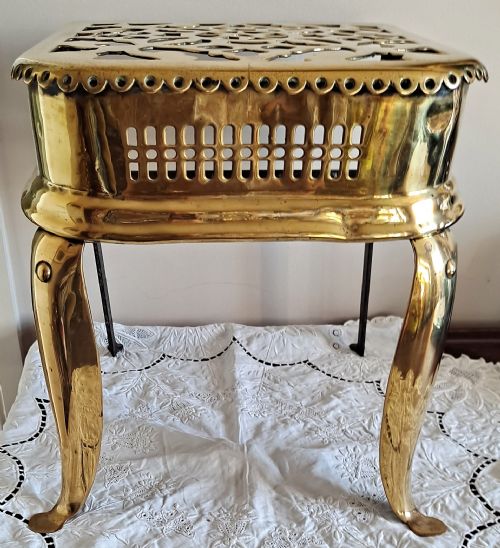
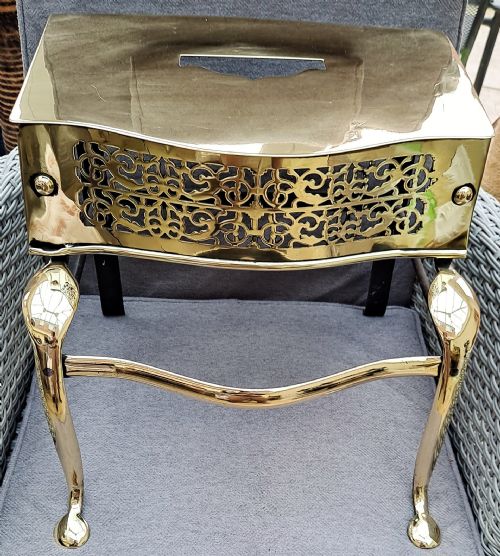



Polished Brass Trivet
A polished brass trivet sits by the hearth to warm water or food, bringing useful heritage and bright metal warmth to a fireside.
Polished Brass Trivet
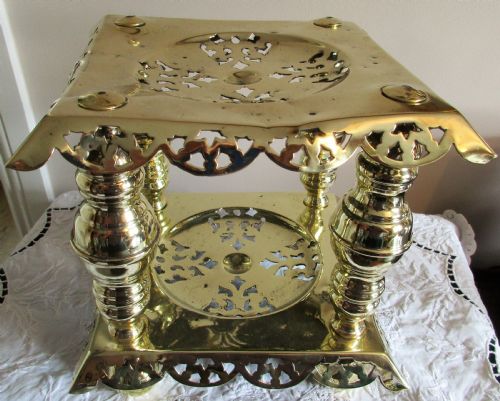
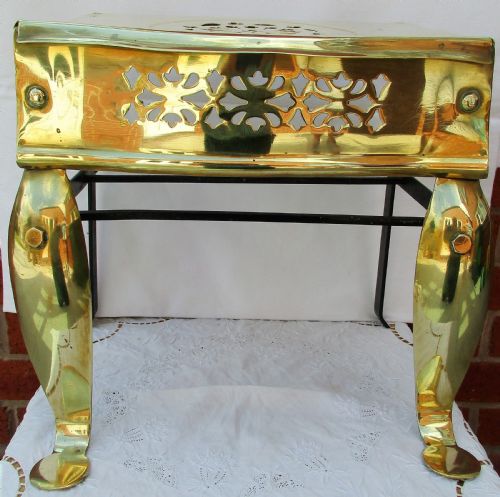
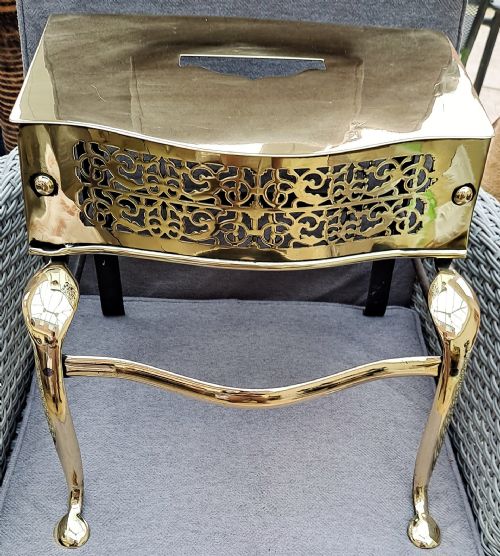
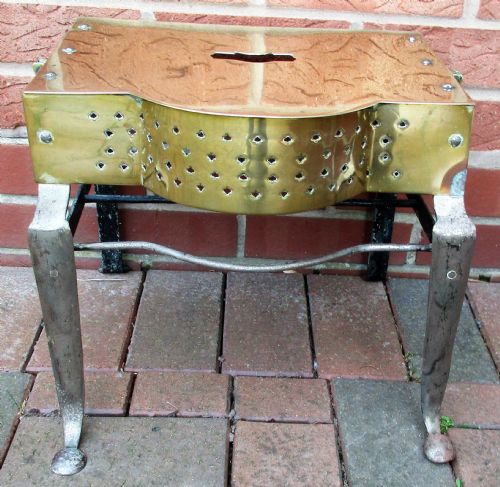
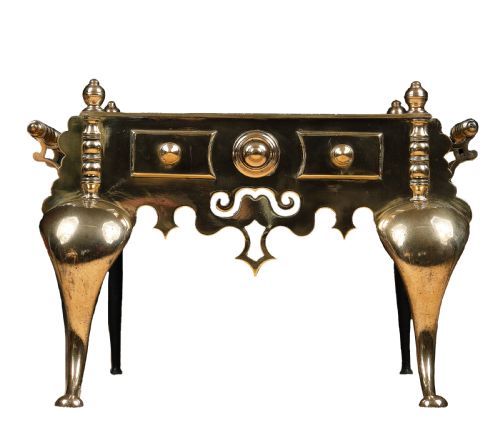
A polished brass trivet serves as a traditional hearth accessory designed to hold a kettle or keep a plate warm near the fire. When exploring a polished brass trivet, you encounter pieces that range from compact two-tier stands to larger footmen.
The selections span Georgian and Victorian periods, alongside traditional Dutch designs and Welsh origins. Most examples on this page combine brass tops with iron or steel frames, reflecting everyday fireside utility.
Forms include pear-shaped kettle combinations and rectangular footmen resting on sturdy legs. These items connect directly to nineteenth-century domestic life and nineteenth-century cooking habits.
Materials and construction
Makers utilised bright brass for the decorative plates and tops, creating surfaces that caught the firelight. This brass is frequently paired with steel, iron, or wrought iron for the structural legs and frames.
Some configurations incorporate wood elements alongside metal parts to manage heat transfer or provide stable support. The construction balances the heavy-duty requirements of hearth use with polished decorative appeal.
Some nineteenth-century hearth stands were designed with pear shapes, proving that practical kitchen equipment could also have a sense of humour.
Distinguishing quality
Quality rests upon the crispness of the casting and the integration of the brass plate with the iron or steel frame. Better examples display balanced proportions, sturdy joints, and clean handling of the mixed metals.
The distinction also lies in the integrity of the period design, whether a Georgian footman or a Victorian two-tier stand. Finer pieces maintain their structural balance while retaining the original relationship between the brass top and iron supports.
The Polished Brass Trivet Glossary
- Footman
- A large metal stand placed in front of the fire to support kettles or warm plates. These typically feature four legs and a polished top.
- Trivet
- A small support elevated on feet, used in fireplace accessories to hold vessels above the hearth floor. They appear in single-tier and multi-tier formats.
- Georgian
- Pertaining to the period from seventeen fourteen to eighteen thirty, known for restrained classical proportions in metalwork. Pieces from this era show specific stylistic restraint.
- Victorian
- Relating to the reign of Queen Victoria, spanning the nineteenth century, characterised by diverse decorative revivals and robust domestic hardware.
Polished Brass Trivet: Frequently Asked Questions
What was a polished brass trivet used for?
These items stood by the fireplace to hold kettles, teapots, or plates close to the heat. They kept water hot and food warm without placing vessels directly in the coals.
In period homes, they functioned as portable hearth extensions. Their elevated design protected wooden floors and tabletops while managing domestic warmth.
How do I tell Georgian from Victorian pieces?
Georgian examples generally display simpler lines and restrained proportions typical of eighteenth-century design. They often combine brass with steel in traditional footman configurations.
Victorian pieces frequently introduce more ornate detailing or multi-tier structures like the two-tier kettle stand. Examining the leg style and overall silhouette helps clarify the period of manufacture.
How should I clean polished brass?
Maintain the bright metal finish using a suitable brass cleaner applied with a soft cloth. Avoid abrasive materials that can scratch the vintage surface.
Regular, gentle dusting preserves the polished appearance without stripping away the character accumulated over decades of use.
Are these items safe to use on a modern hearth?
Most pieces serve well as decorative fireside accessories or plant stands in contemporary settings. Their historic construction is suited for light decorative weight rather than heavy modern cooking.
Check the stability of the iron or steel frame before placing any heavy vessel upon the stand.