





Vintage Brass Trivet
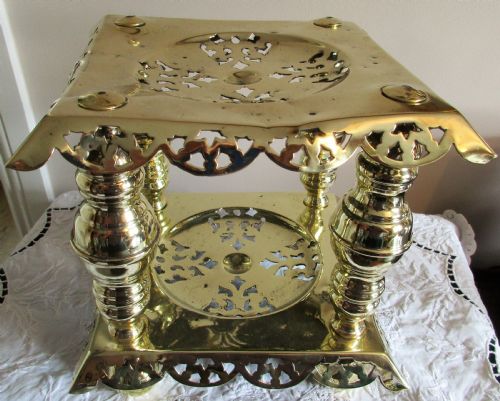
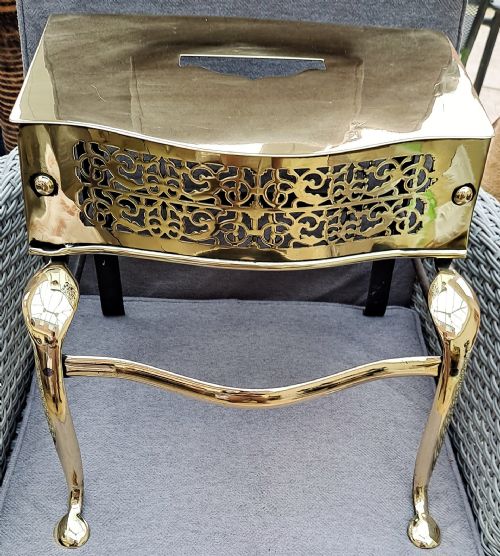
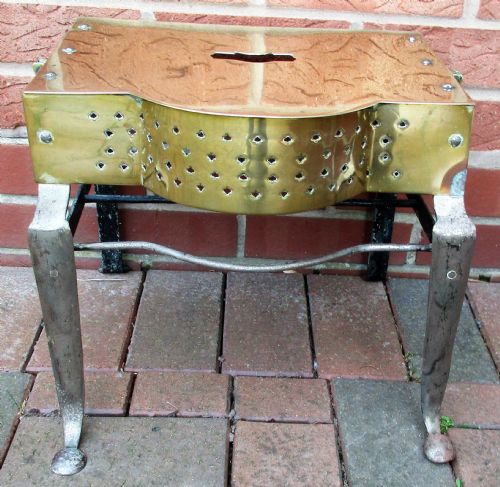
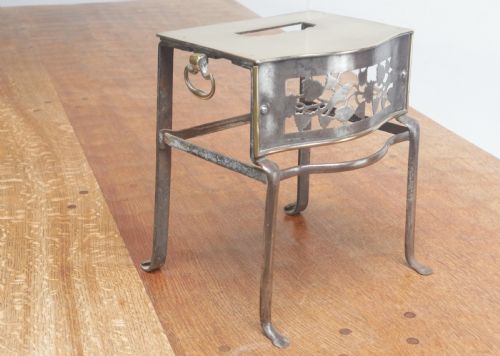
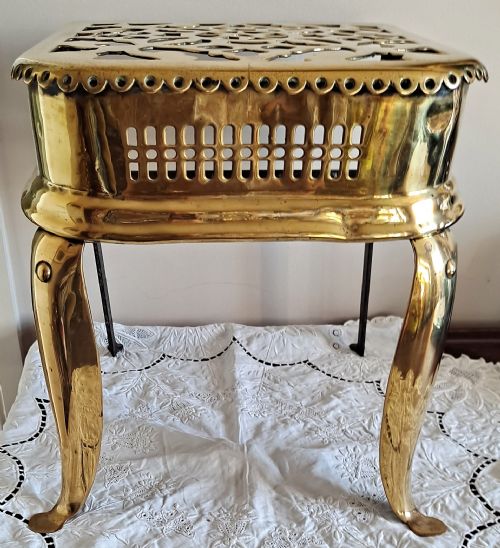
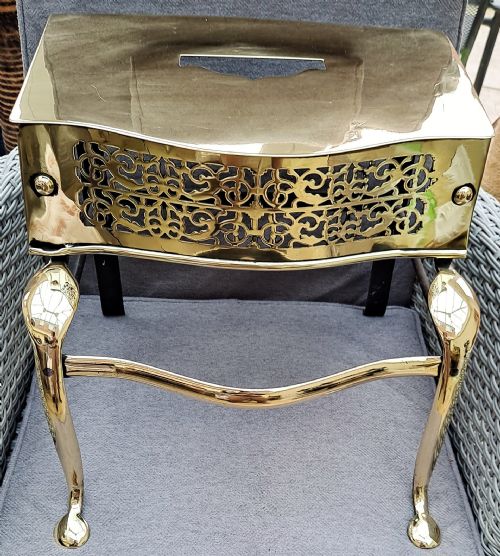
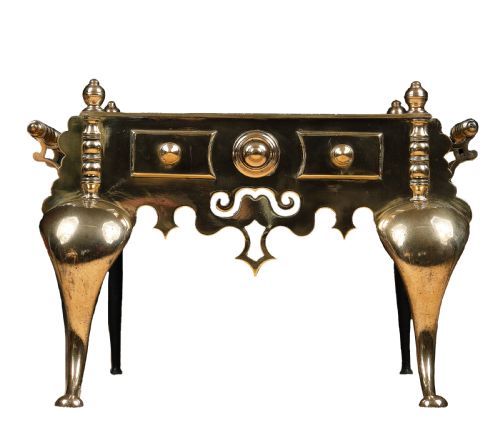
These vintage brass trivet examples are sturdy hearth accessories designed to keep kettles warm beside open fires.
Vintage Brass Trivet
When you search for a vintage brass trivet, you find durable fireplace accessories designed to stand near the hearth. The pieces on this page span several eras, including Georgian, Victorian, and Edwardian periods.
You are most likely to meet traditional footmen and kettle stands featuring flat tops and supportive legs. These sturdy metal items served practical domestic purposes in historic British and Dutch homes.
How they were made
Smiths constructed these items using cast or sheet brass combined with sturdy iron and steel components for structural support. Wrought iron often forms the internal frames and fire bars of larger footmen.
Some examples incorporate shaped wooden handles or feet, contrasting warm timber against polished metal surfaces. Craftspeople utilised traditional joining techniques to ensure the stands could bear heavy kettles.
The inventory includes traditional footmen, kettle stands, and inglenook warmers from Georgian, Victorian, and Edwardian periods.
What varies in quality
The distinction between standard examples and superior pieces rests on the weight of the metal and the crispness of the surface detailing. Heavier brass castings and well-proportioned steel legs indicate sturdier construction.
Subtle variations in handle shaping and leg design separate ordinary utility items from finer hearth furniture produced during the Georgian and Regency eras.
The Vintage Brass Trivet Glossary
- Footman
- A metal stand placed before a fire to keep food or kettles warm. These sturdy pieces usually feature four legs and a flat top plate.
- Trivet
- A small support raised on feet, used in hearth settings for heating vessels. They appear in various forms across the 18th and 19th centuries.
- Inglenook
- A recess beside a large fireplace where these warmers and stands sat. It formed the cosiest part of the historic room.
- Kettle stand
- A dedicated platform designed to hold a boiling vessel close to the heat source. They often match the decorative style of the surrounding hearth irons.
Vintage Brass Trivet: Frequently Asked Questions
What is a vintage brass trivet used for?
These items stood near the hearth to keep kettles and small dishes warm over coals.
Households utilised them as practical accessories for daily meal preparation in the kitchen or parlour.
How do I date a brass trivet?
Examine the construction methods, metal thickness, and styling cues to estimate the period.
Georgian and Regency examples often display distinct leg shapes and steel combinations compared to later Victorian pieces.
Are these trivets made entirely of brass?
Most pieces combine brass tops with iron or steel frames for added strength.
Some also feature wooden elements on the handles or feet to aid handling.
Where were these hearth accessories made?
Many originate from English workshops, alongside examples from Wales and traditional Dutch makers.
Regional smiths adapted the designs to suit local fireplace styles.