

Antique Trivet Stand
An antique trivet stand brings domestic metalwork and hearth furniture into modern rooms, offering practical surfaces and period weight.
Antique Trivet Stand
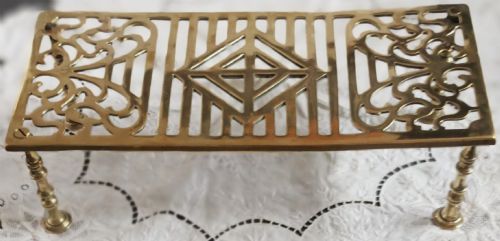
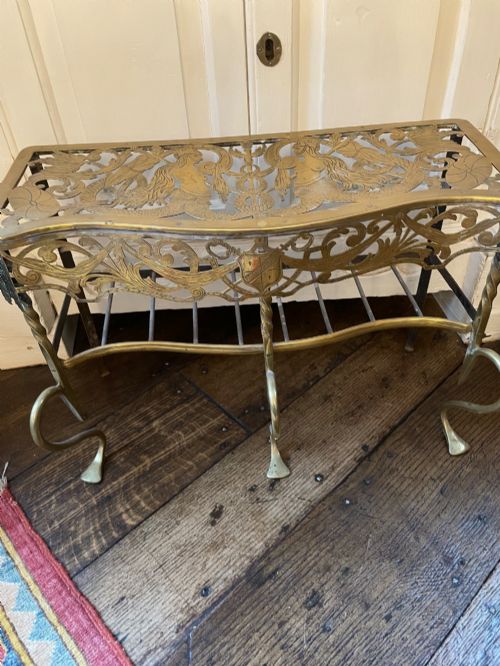
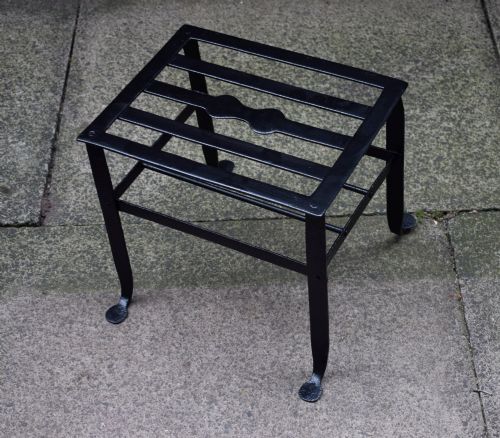
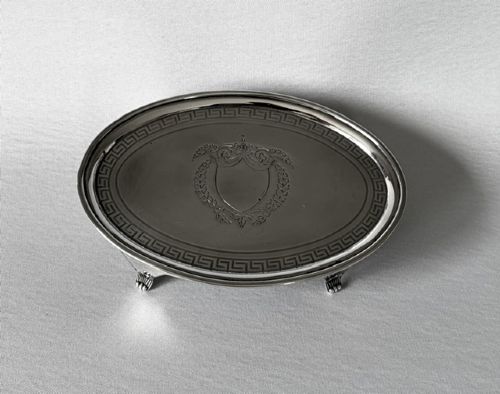
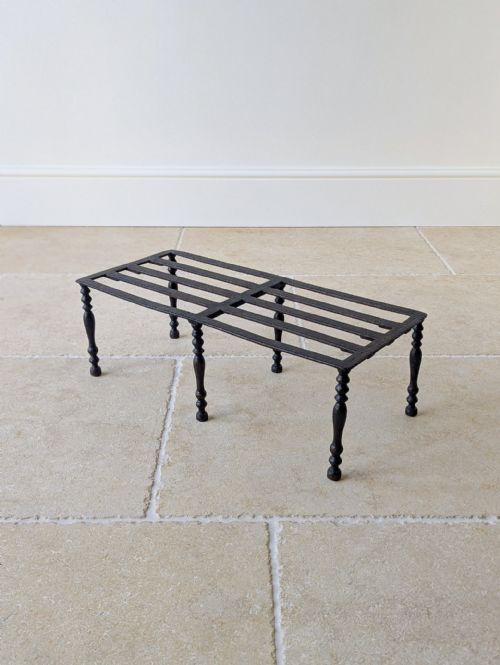
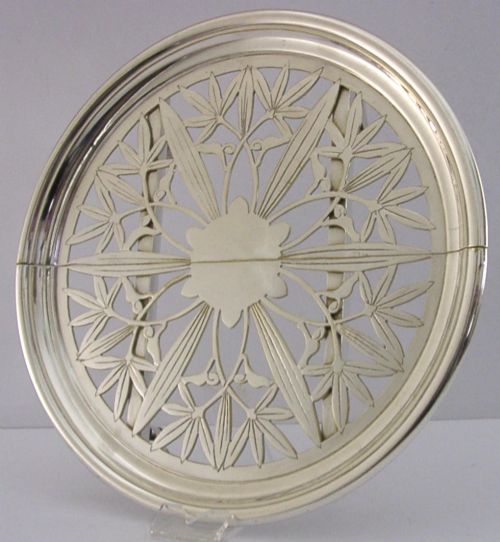
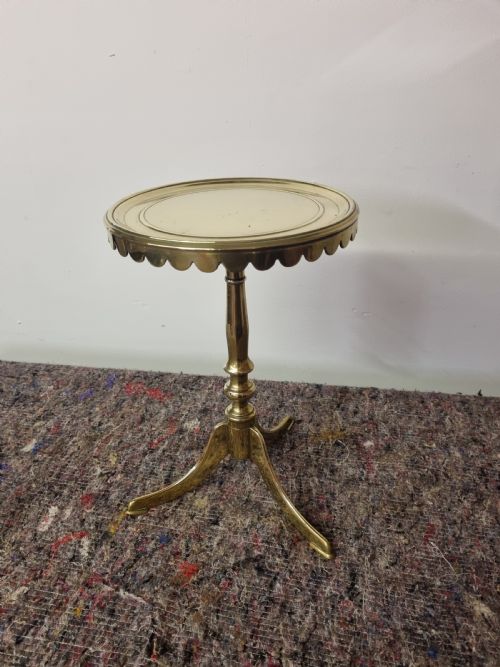
An antique trivet stand serves as a raised platform for kettles, teapots, and serving dishes near the fireplace or on the dining table. When searching this phrase, buyers encounter items ranging from utilitarian hearth footmen to refined silver teapot stands and rotating fire cats.
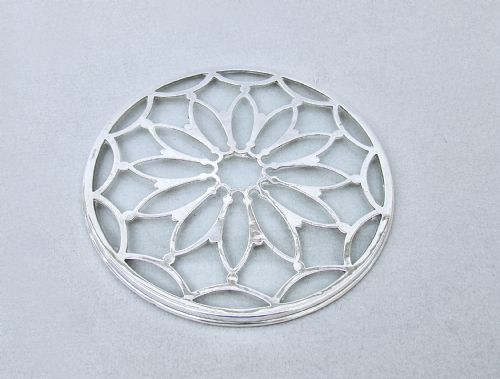
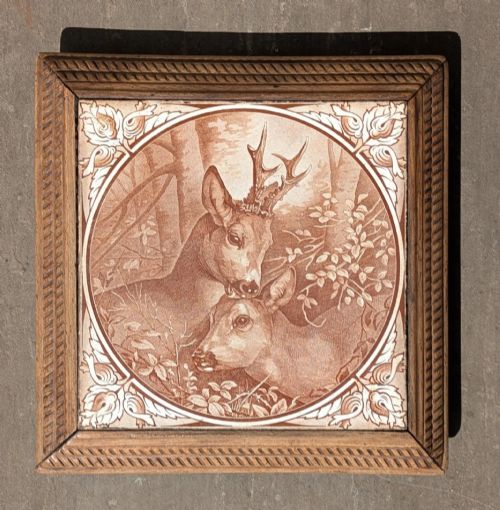
The selections span Georgian, Victorian, and Edwardian periods, alongside Art Deco and French Country designs. Forms vary from simple brass and steel footmen to mahogany revolving stands and silver-mounted glass pieces.
Materials and construction
Metals dominate the manufacture of these pieces, utilising cast brass, wrought iron, steel, and silver plate combined with wooden elements such as mahogany, walnut, and fruitwood. Smiths and founders forged and cast the iron and brass components to withstand intense hearth heat.
Joinery and turning appear in wooden examples like the rotating fire cats and treen bowl stands, whilst silversmiths mounted glass and ceramics in frames with pierced or chased ornamentation.
Antique Trivet Stand Retail Price Guide 2026
Typical asking prices for trivet stand among the pieces listed under this phrase on Sellingantiques today, from the lower quarter to the upper quarter. They describe what is for sale here now, not the wider market.
Materials span heavy brass, wrought iron, steel, sterling silver, silver plate, mahogany, walnut, fruitwood, and glass.
Distinctions in quality
Quality rests in the crispness of the casting on brass footmen and the precision of the joinery on wooden fire cats and revolving stands. Heavier gauge metals and balanced proportions separate utilitarian pieces from finer domestic furnishings.
The integration of secondary materials, such as silver mounts on glass or crisp hallmarks on silver plate and sterling silver, elevates the standard of execution across the category.
Harrods Ltd·Christofle·Royal Crown Derby
The Antique Trivet Stand Glossary
- Footman
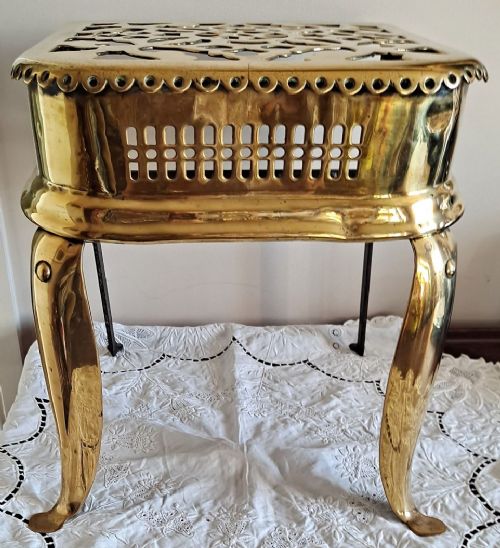
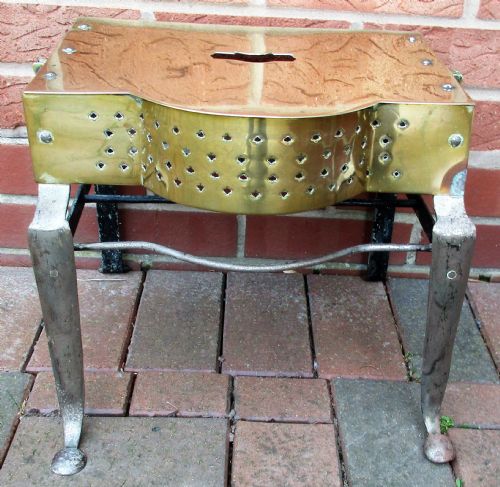
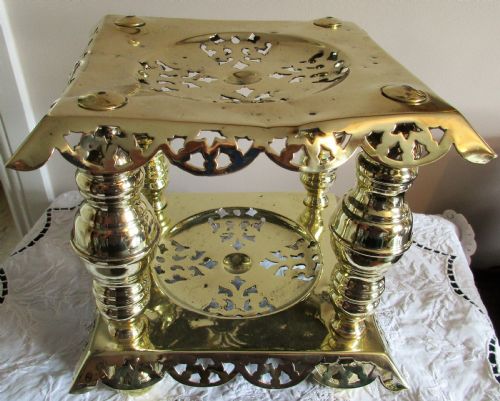
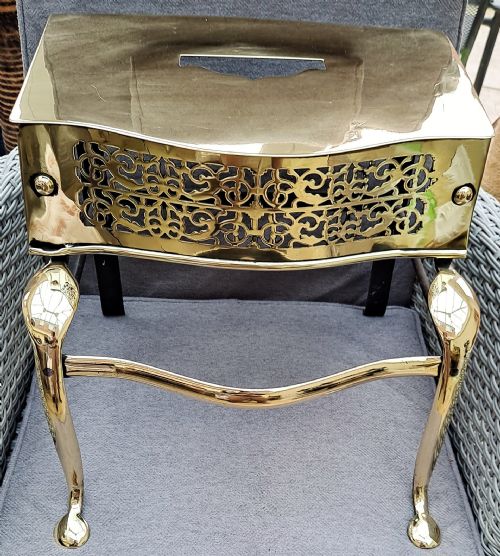
- A low metal stool placed before the hearth to keep food or kettles warm. These stands usually feature brass aprons and iron or steel legs.
- Fire cat
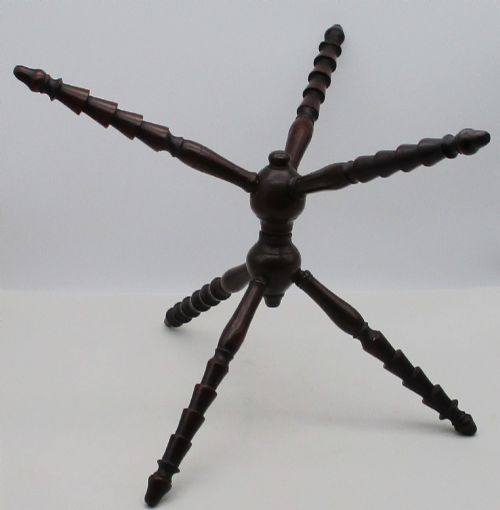
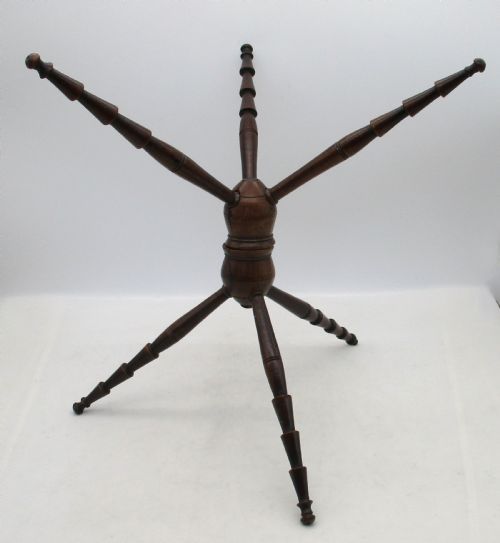
- A rotating wooden or metal stand used beside the fireplace for holding plates or kettles at various angles. They often feature carved mahogany or turned wooden construction.
- Trivet
- A small three-legged or elevated stand designed to support hot vessels off a table or hearth surface. They appear in brass, iron, and wood across the Georgian and Victorian eras.
- Treen
- Small handmade wooden household objects turned on a lathe. Examples include fruitwood bowl stands from Wales.
- Dish ring
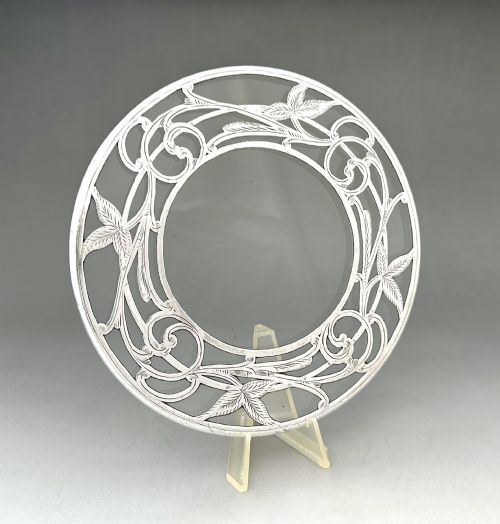
- An open-framed stand, often in silver or silver plate, used on the dining table to elevate hot serving dishes.
Antique Trivet Stand: Frequently Asked Questions
What is an antique trivet stand used for?
These pieces originally served to elevate kettles, teapots, and dishes near the hearth or upon the dining table to protect surfaces and keep contents warm.
Today, collectors use them as decorative plant stands, display platforms, or authentic accents in traditional fireplace settings.
How do I tell a Georgian footman from a Victorian one?
Georgian examples often display restrained cast brass pierced aprons paired with slender wrought iron or steel legs.
Victorian pieces frequently introduce heavier proportions, two-tier designs, or more elaborate cast ornamentation reflecting industrial production shifts.
What is a fire cat?
A fire cat is a rotating wooden or metal stand designed for the hearth to hold plates or kettles.
They allow the user to turn the top surface easily, utilising mahogany or turned wood construction common in the eighteenth century.
Are these stands safe to use with modern heat sources?
Most metal footmen and brass trivets are robust enough to support warm items, having been originally forged for hearth use.
However, wooden stands and silver-plated items with glass inserts require care and are best suited for decorative display or dry serving purposes.