





Georgian Hearth Footman
A georgian hearth footman is a traditional fireside accessory designed for warming plates or kettles, prized for bringing authentic period character to a fireplace.
Georgian Hearth Footman
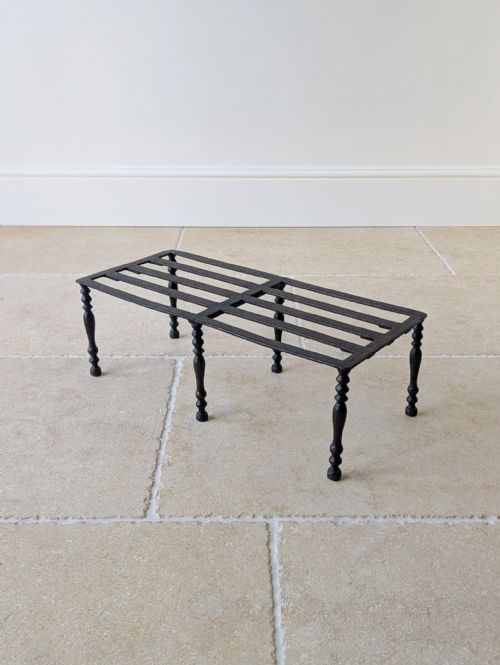
A georgian hearth footman is a functional fireside accessory designed to sit by the open fire for warming food, keeping kettles hot, or resting equipment. These items serve as practical hearthware with roots in period domestic life.
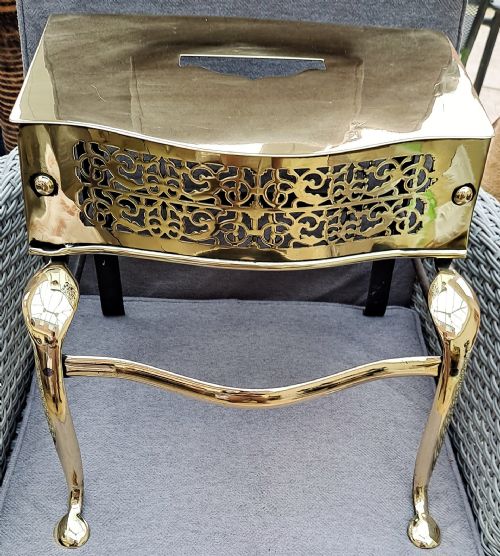
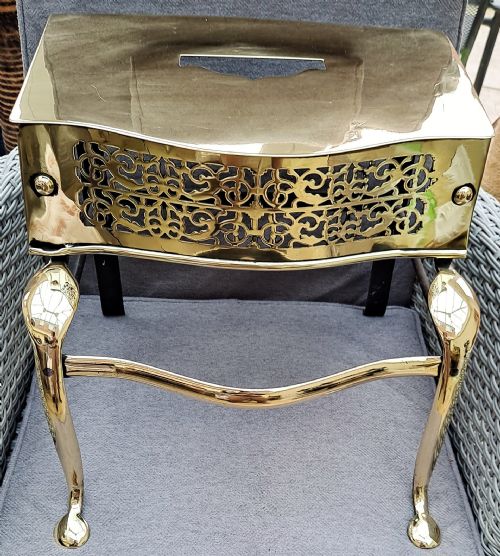
You are most likely to meet examples in brass, steel, and wrought iron originating from the eighteenth and nineteenth centuries. The selection ranges from plain country-house iron designs to refined brass and steel variations with cabriole legs.
Originating during the Georgian and Regency eras, these pieces reflect the craftsmanship of period metalworkers. Later nineteenth-century examples, including Welsh fireside footmen and trivets, also appear across the listings.
How they were made
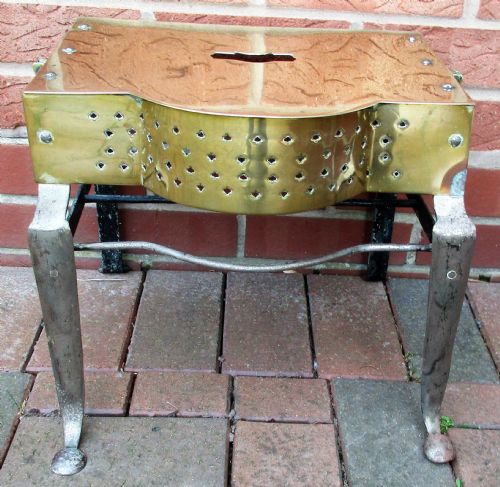
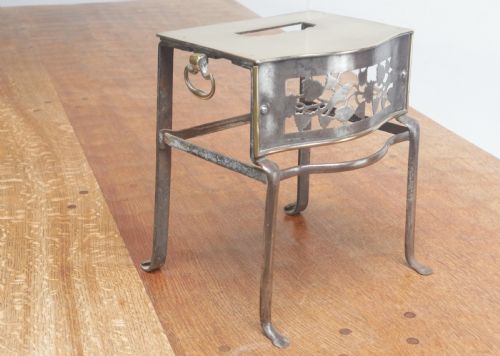
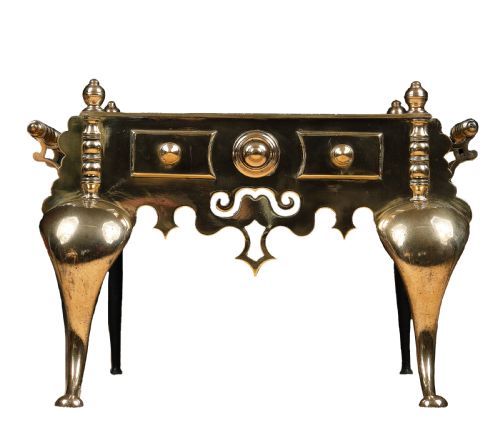
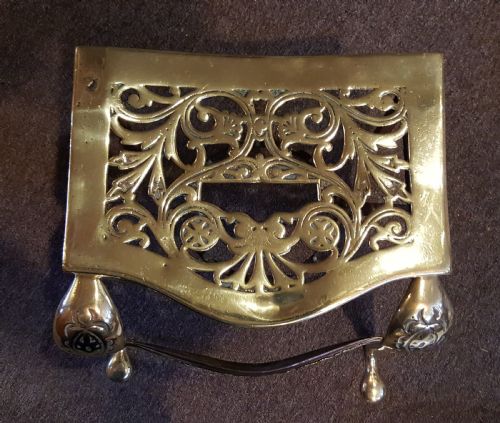
Makers utilised durable metals such as brass, iron, steel, and wrought iron to withstand the intense heat of an open hearth. These materials were shaped into sturdy stands, often combining a bright brass top with robust steel or iron supports.
Construction techniques involved forging and casting, evident in items with shaped legs like the porter or footman stool with cabriole legs. Metal sheets and bars were joined to create stable surfaces capable of supporting heavy cookware.
The inventory includes specialised regional pieces, such as Welsh fireside footmen alongside standard Georgian and Regency hearthware.
What varies in quality
The distinction between standard examples and finer pieces lies in the choice of mixed metals, such as a substantial brass plate combined with strong steel framing. Weight and structural heft indicate the original purpose and the grade of materials employed by the maker.
Refinement of form also separates the range, with simple utility items differing from those featuring shaped cabriole legs or detailed regional styling. The integrity of the metalwork and the balance of the stand determine the overall standard of the piece.
The Georgian Hearth Footman Glossary
- Footman
- A metal stand placed by a hearth to hold kettles or dishes near the fire. These accessories were essential items in period kitchens and living spaces.
- Trivet
- A small three-legged or four-legged support used for elevating hot vessels above the hearth floor. It shares a similar domestic function with the footman.
- Cabriole leg
- A curved furniture leg that bends outward and then tapers inward, found on certain refined footman designs. This shape adds a decorative element to utilitarian hearthware.
- Inglenook
- A large recess around a fireplace where hearth accessories like footmen and warmers were traditionally placed. It forms the atmospheric setting for these pieces.
Georgian Hearth Footman: Frequently Asked Questions
What is a georgian hearth footman used for?
These metal stands were placed directly in front of an open fire to keep kettles boiling or to warm plates before serving meals. They functioned as movable shelves within the bustling domestic environment of a period household.
Over time, their role shifted from strictly utilitarian kitchen equipment to decorative fireplace accessories that enhanced the appearance of a traditional hearth.
How do I identify a georgian period footman?
Authentic period pieces typically feature heavy brass plates paired with steel or wrought iron structures, reflecting the materials common to eighteenth and nineteenth-century metalwork. Construction details such as hand-forged joints and traditional leg forms help distinguish age.
Regional variations, including Welsh styles from later in the nineteenth century, show distinct local manufacturing traditions while retaining the core purpose of the original design.
Can I use an antique footman by an open fire?
While these items were originally built for heavy daily use beside open flames, many modern buyers choose to display them as decorative fireplace furniture. Their robust metal construction means they remain physically capable of holding items if desired.
Careful consideration of the antique metal surface is recommended to preserve the original finish and patina accumulated over centuries of history.
What is the difference between a footman and a trivet?
A footman is generally a larger, stand-like accessory with a flat top designed for holding multiple items or larger dishes near the fire. A trivet is often more compact, serving a similar warming function with a smaller footprint.
Both categories appear frequently in fireside collections, sometimes used interchangeably depending on the specific regional terminology of the maker.