
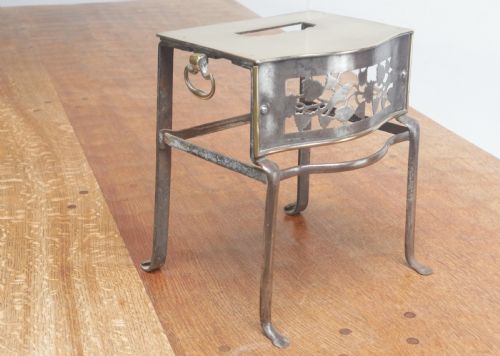


Wrought Iron Fireplace Stand
These wrought iron fireplace stand examples are robust hearth pieces shaped from iron, brass, steel, and copper, built to hold fuel or shield a room from embers.
Wrought Iron Fireplace Stand
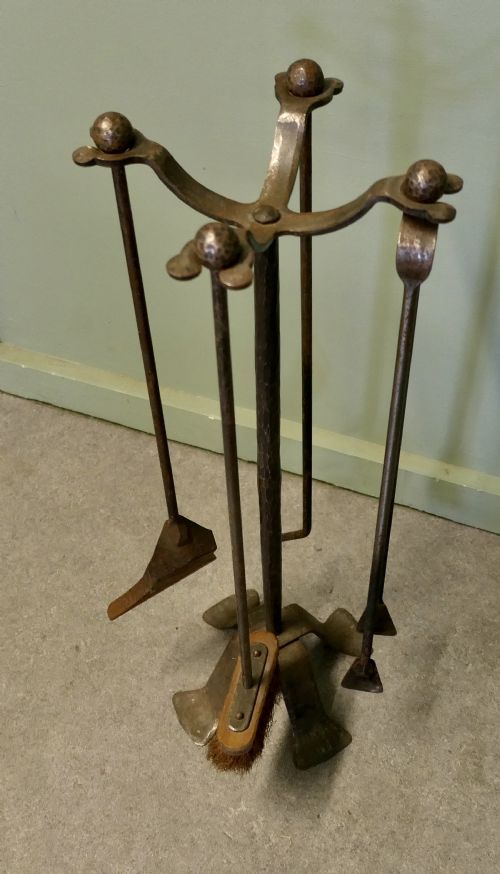
A wrought iron fireplace stand encompasses hearth furniture and accessories designed for domestic firesides, spanning periods from the eighteenth century through to the early twentieth century. When searching for this phrase, a buyer encounters practical hearthware such as footmen, firescreens, companion sets, coal buckets, and andirons.
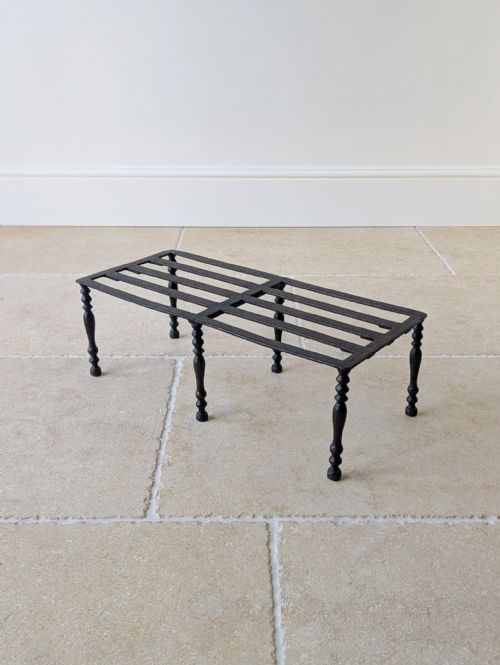
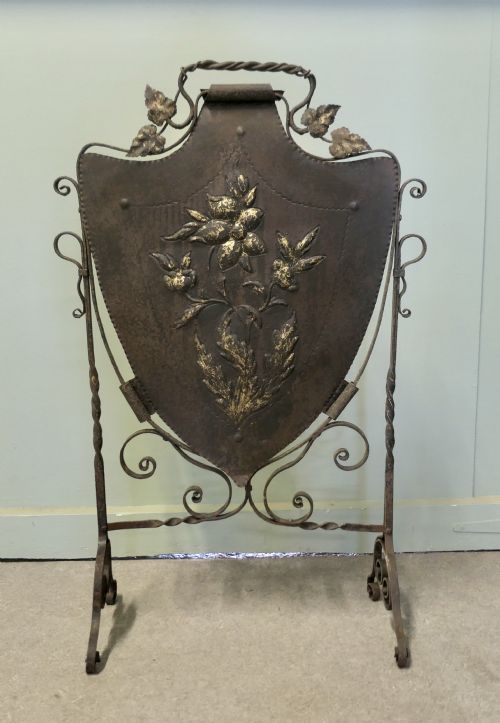
The pieces appearing on this page originate predominantly from Georgian, Victorian, and Arts and Crafts eras, reflecting both English country house and French country aesthetics. These items range from small brass steel footmen and copper coal buckets to large iron fire screens and sturdy pair of andirons.
Materials and construction methods
Construction relies primarily on wrought iron and steel, shaped through traditional blacksmithing techniques to create sturdy frames capable of withstanding intense hearth heat. Brass and copper components are frequently incorporated for decorative surfaces, coal buckets, or footman tops.
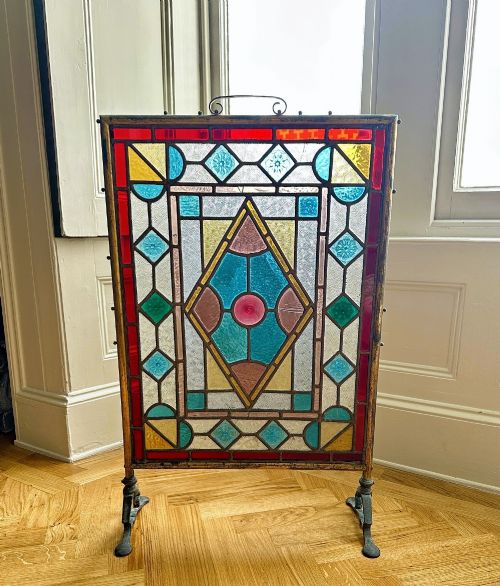
Surface detailing often includes applied lead, gilt highlights, and occasional wooden or stained glass elements set within iron stands. These varied materials combine structural durability with decorative metalwork characteristic of nineteenth century workshops.
Some heavy andirons double as garden planters when they retire from active fire duty.
Assessing quality in hearthware
Quality rests upon the integrity of the metalwork and the harmony of mixed materials, where hand-forged wrought iron joints show deliberate craftsmanship rather than mass production. The weight of the metal and the precision in forming components like andirons or footmen distinguish robust utilitarian pieces from lighter decorative items.
Design complexity also defines the tier of a piece, separating straightforward utilitarian hearth stands from elaborate Arts and Crafts screens featuring stained glass or intricate Gothic Revival shielding. The preservation of original brass, copper, and iron surfaces without intrusive modern restoration maintains the historical character of the object.
The Wrought Iron Fireplace Stand Glossary
- Footman
- A metal stand placed by the hearth to keep food or kettles warm, typically featuring a flat top and four legs. These accessories use wrought iron, brass, and steel in their construction.
- Andiron
- A horizontal metal support raised on legs, used in pairs to hold logs in an open fireplace. They often feature decorative fronts styled in French Rococo or Georgian designs.
- Firescreen
- A moveable panel placed before a fireplace to shield a room from excessive heat or flickering flames. Examples incorporate iron stands supporting stained glass or metal shields.
- Hearthware
- Utilitarian and decorative metal accessories kept around the fireplace. This category includes companion sets, coal buckets, and trivets made from copper, brass, and iron.
Wrought Iron Fireplace Stand: Frequently Asked Questions
What is a wrought iron fireplace stand used for?
These stands support various hearth tasks, from holding kettles and food near the flames on a footman to organising fuel and tending tools.
They also serve as protective screens or decorative structural elements that anchor the visual weight of a traditional fireplace arrangement.
How do I date a fireplace stand?
Dating relies on identifying the prevailing style, such as Georgian symmetry, Gothic Revival pointed arches, or Arts and Crafts simplicity.
Material choices like heavy wrought iron, early steel techniques, and the integration of copper or stained glass provide further clues to the period of manufacture.
Can I use these antique items with a modern fire?
Many sturdy iron stands and andirons remain entirely functional for holding logs or companion sets beside modern hearths.
More delicate pieces featuring stained glass or delicate brass work function best as decorative room accents rather than heavy utility items.
How do I care for antique ironwork?
Maintenance involves keeping the metal dry and occasionally applying a light protective wax to prevent oxidation on wrought iron and steel surfaces.
Avoid harsh chemical cleaners on brass and copper elements to preserve their natural historic patina.