


Rustic Hearth Accessory
These rustic hearth accessory pieces are heavy metal and timber fireside items that bring practical warmth and period character to an open fireplace.
Rustic Hearth Accessory
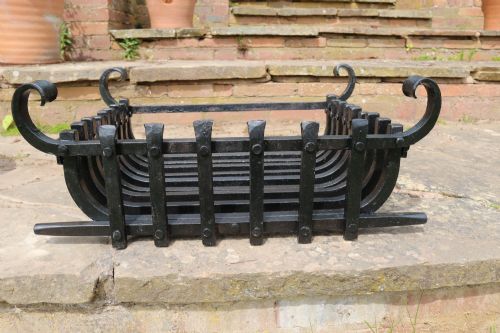
A rustic hearth accessory encompasses utilitarian fireside items designed for burning wood and coal, including andirons, fire baskets, log bins, and warming pans. When you search for this phrase, you encounter functional objects that served daily domestic tasks in centuries past.
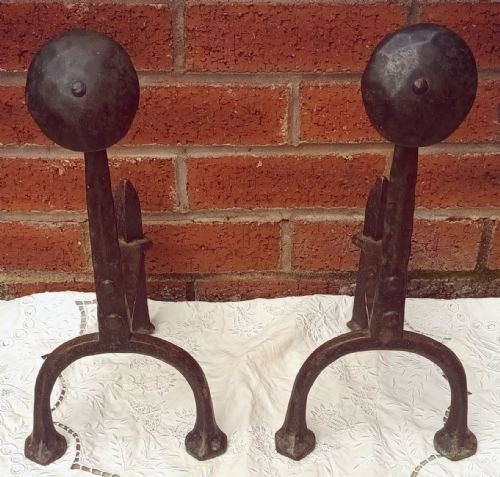
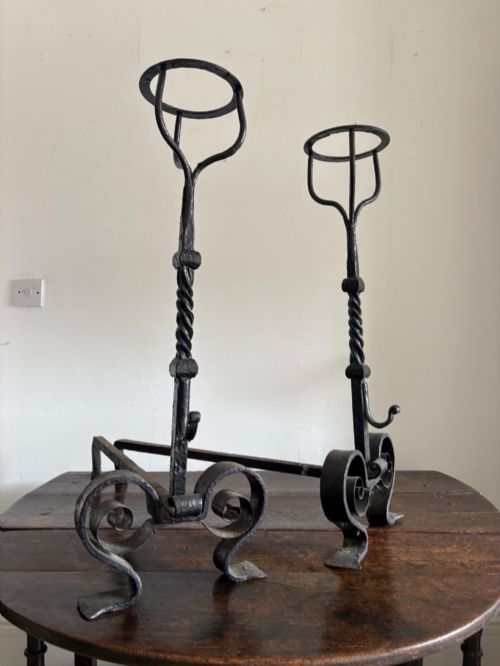
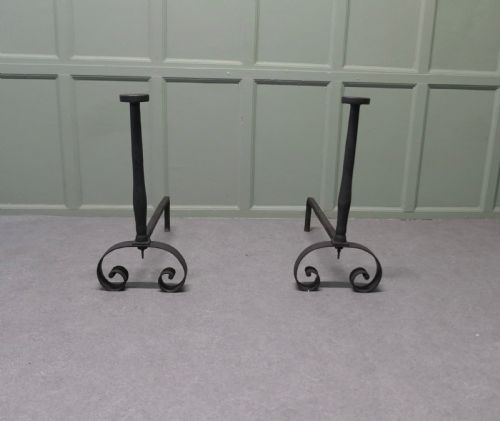
The selection on this page leans heavily towards ironwork and beaten metal containers from the eighteenth, nineteenth, and early twentieth centuries. Pieces range from monumental wrought iron fire dogs to modest copper log bins and French bellows.
Most items emerge from English and French domestic contexts, displaying the straightforward construction methods typical of country houses and provincial homesteads. Makers utilised durable materials to withstand intense heat and constant handling by the hearth.
Materials and construction methods
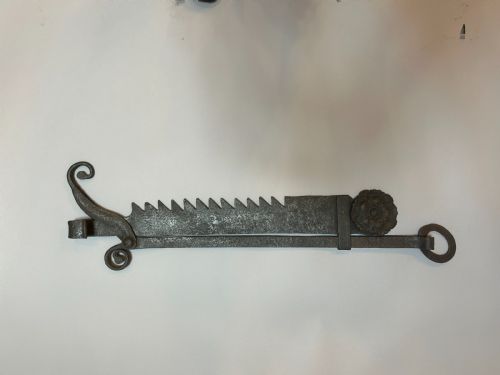
Blacksmiths and metalworkers shaped these objects using wrought iron, cast iron, copper, and brass, often combining metals for structural strength and visual contrast. Wrought iron elements show the marks of hand-forging, with hammered surfaces and riveted joints that reveal the labour involved in their creation.
Copper and brass vessels gain rigidity from folded seams, rolled rims, and applied handles cast in brass or turned from oak and mahogany. Artisans working in the Arts and Crafts tradition hammered sheet copper into textured fenders and buckets, celebrating the physical process of metal-shaping.
Among the fire tools and log bins sits a cat stand, reminding us that even Victorian hearths required a dedicated spot for the household cat to supervise the fire.
Judging quality and integrity
Quality in a rustic hearth accessory lies in the weight of the metal, the honesty of the construction, and the survival of original components such as handles, feet, and fixings. Heavier gauges of iron and thicker copper sheets denote superior manufacture designed to endure decades of stoking and fuel storage.
Patina and surface wear tell the history of use around the fire, distinguishing period pieces from later reproductions. The best examples retain their structural stability while displaying the rich, dark oxidation of iron or the warm, mellow tone of aged copper.
The Rustic Hearth Accessory Glossary
- Andiron
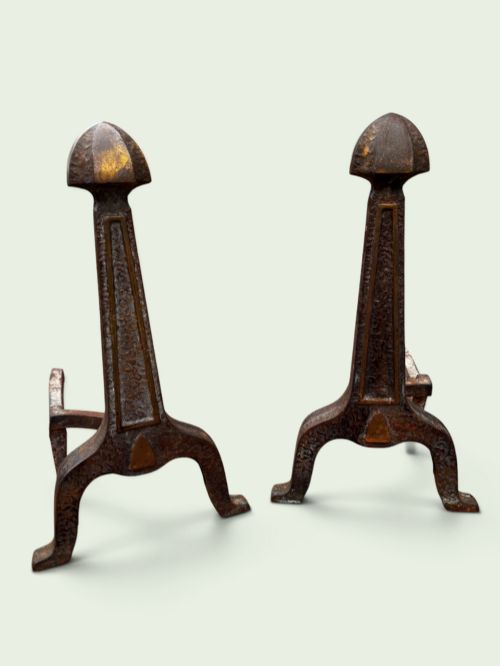
- A horizontal iron support raised on legs, used to hold logs off the hearth floor to improve air circulation. Also known as a fire dog, these items typically appear in matching pairs.
- Fire basket
- A metal grate designed to contain burning coal or wood within a fireplace opening. These grates often incorporate decorative cast iron firebacks and supporting legs.
- Log bin
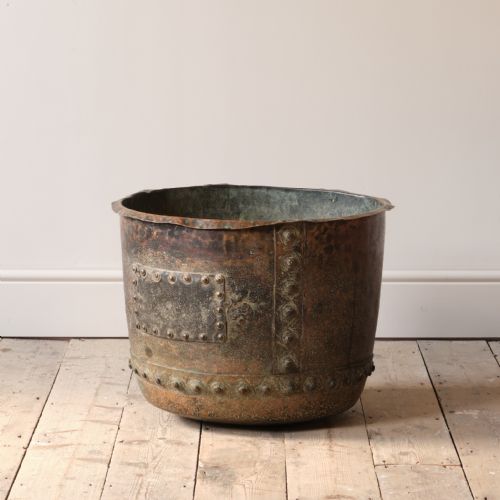
- A large vessel utilised for storing firewood beside the hearth. Examples frequently feature copper bodies with riveted seams and drop handles.
- Warming flask
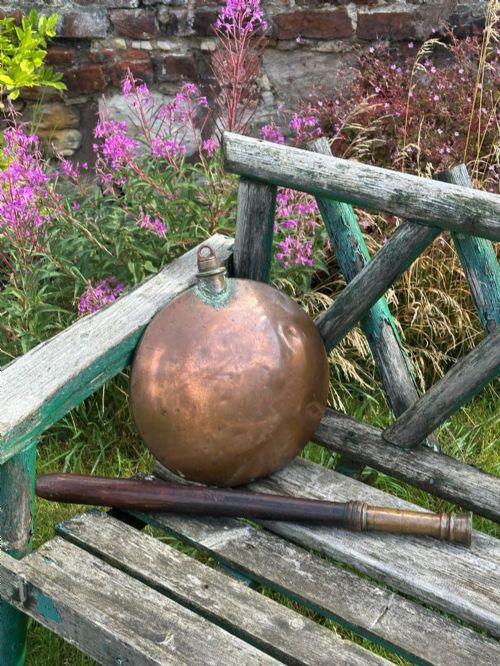
- A container filled with hot embers or water to heat beds or rooms. Georgian versions often utilise moon-shaped copper bodies paired with detachable wooden handles.
Rustic Hearth Accessory: Frequently Asked Questions
What is a rustic hearth accessory?
A rustic hearth accessory is a utilitarian fireside object made from durable materials like iron, copper, and wood. These items served practical purposes such as holding logs, stoking fires, and heating water.
Today, collectors use them to anchor period interior schemes, bringing functional history back into working fireplaces.
How do I clean antique copper?
Antique copper should be dusted gently and left with its natural aged patina rather than polished to a bright shine. Harsh chemical cleaners strip away the historic surface that collectors value.
If cleaning is necessary to remove active dirt, use a mild, pH-neutral soap and dry the metal thoroughly with a soft cloth.
Can I use these items in an open fireplace?
Many wrought iron and cast iron items remain sturdy enough for regular use in a working hearth. Solid iron fire dogs and baskets handle high temperatures without losing their structural integrity.
Copper vessels and decorative brass companions function best as fireside storage or display pieces rather than direct fuel containers.
How do I date an iron fire dog?
Dating iron fire dogs involves examining the hammer marks, joinery methods, and overall silhouette. Hand-forged pieces from the eighteenth and nineteenth centuries show irregularities unique to manual production.
Comparative study of period styles, such as Georgian simplicity or Arts and Crafts hand-beating, helps narrow down the decade of manufacture.