

Kettle on Stand
When you search for a kettle on stand, you are looking at utilitarian vessels and elevated tables designed to serve hot water in period interiors.
Kettle on Stand
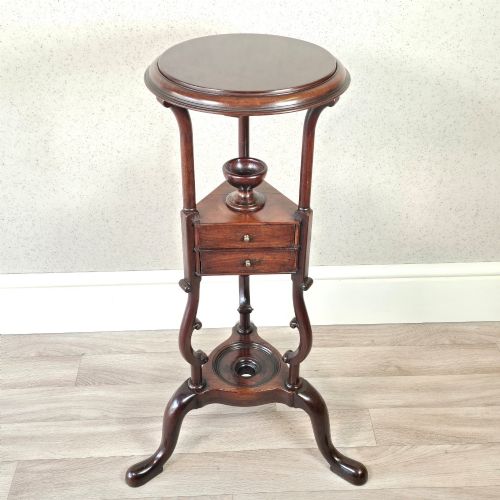
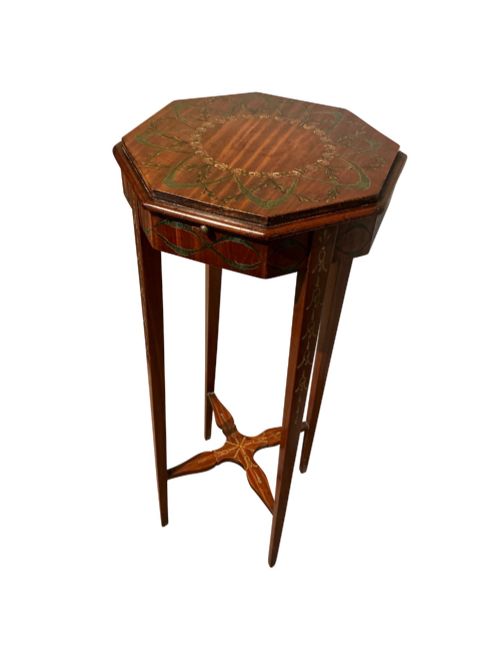
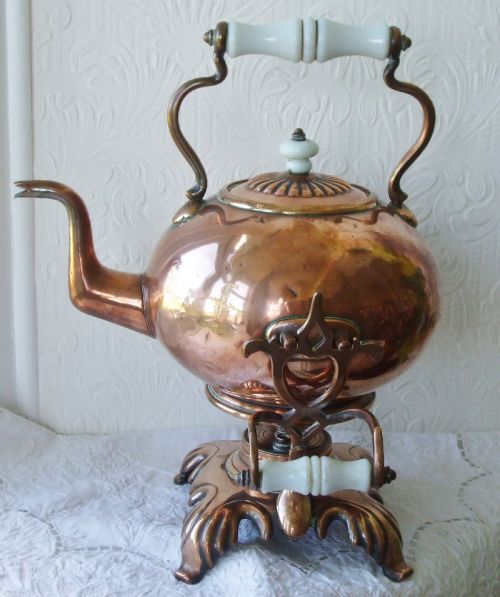
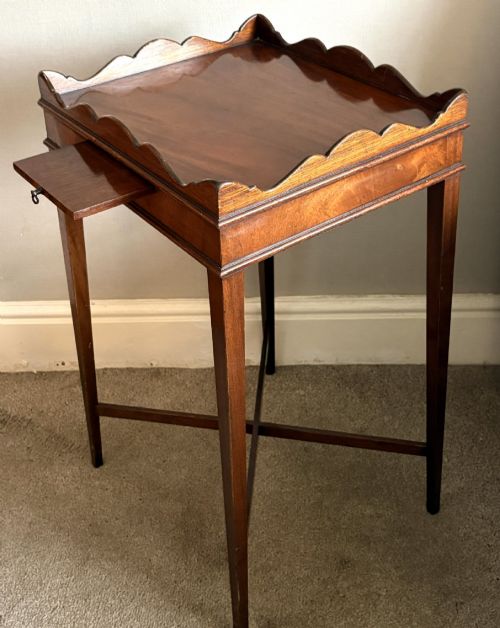
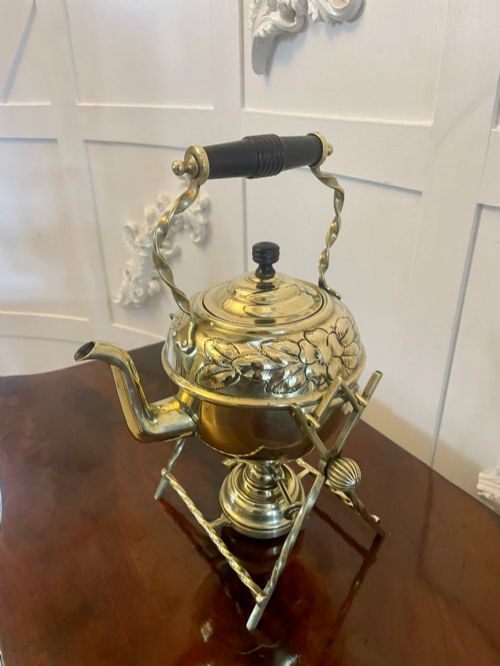
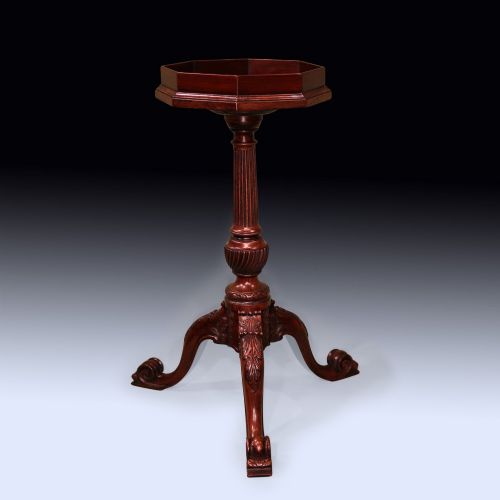
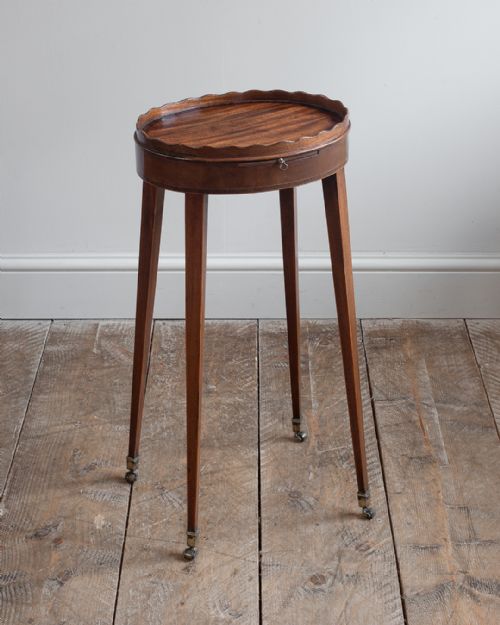
A kettle on stand encompasses two distinct domestic traditions: the portable metal kettle paired with a spirit burner for tea service, and the small wooden table designed to hold a kettle near a fireplace or in a drawing room. These items date primarily from the Georgian, Victorian and Edwardian periods, reflecting changing social rituals around tea drinking.
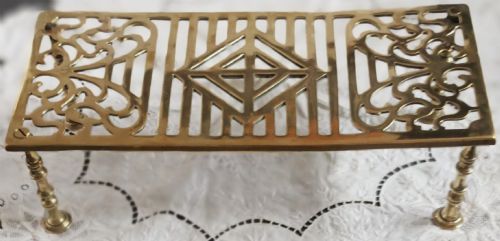
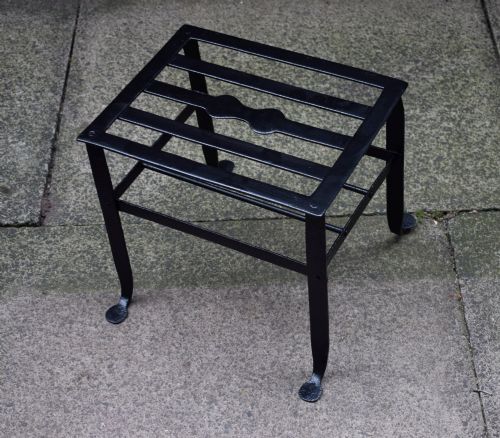
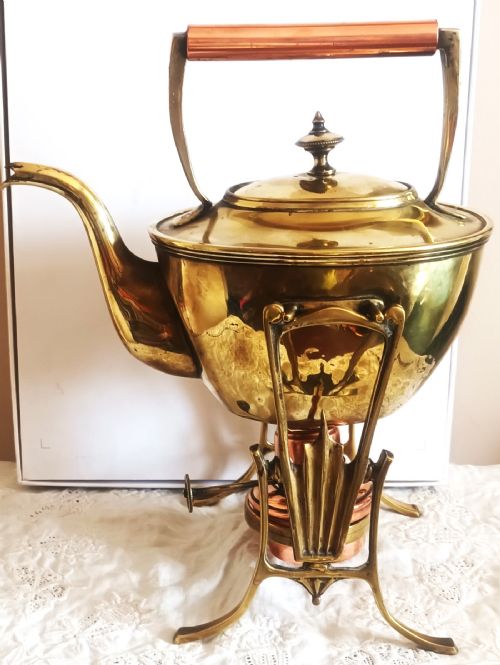
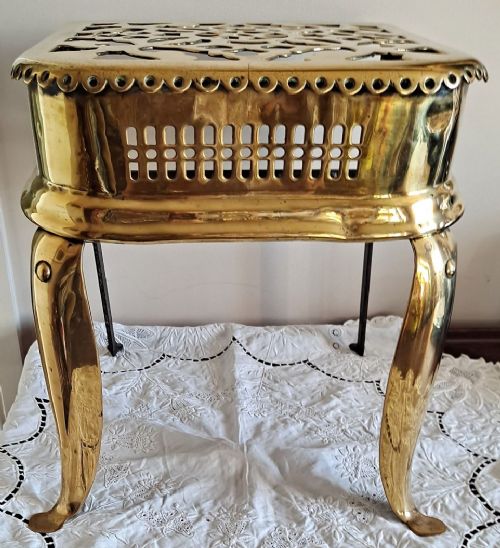
Fireplace accessories such as footmen, trivets and hearth stands also populate this category, functioning as metal platforms for heating water directly by the fire. The most common form on this page is the silver-plated or copper spirit kettle suspended over its original burner stand from the late nineteenth or early twentieth century.
Materials and construction methods
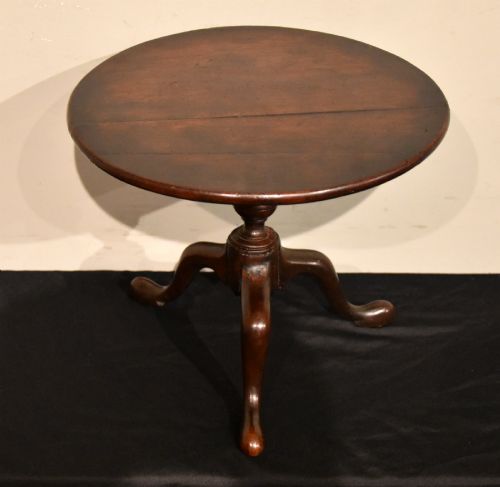
Cabinetmakers constructed wooden kettle stands using dense hardwoods like mahogany and walnut, employing traditional joinery such as dovetails and turning for tripod legs. Inlaid details, carved bracket feet and pull-out candle slides demonstrate the fine woodworking techniques typical of eighteenth-century and revival workshops.
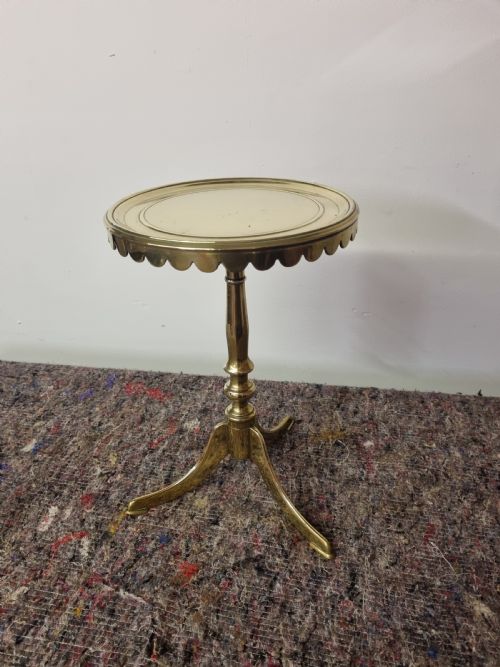
Metal vessels and stands utilised brass, copper, wrought iron and silver plate, shaped through spinning, hammering, casting and soldering. Spirit kettles frequently incorporated bone or insulating insulators on their handles to protect the user's hand from heat while pouring.
Kettle on Stand Retail Price Guide 2026
Typical asking prices for kettle on stand among the pieces listed under this phrase on Sellingantiques today, from the lower quarter to the upper quarter. They describe what is for sale here now, not the wider market.
Listings feature eighteenth-century mahogany tripod urn stands alongside late Victorian silver-plated spirit kettles.
Distinguishing quality across examples
Quality in wooden stands reveals itself in the choice of timber grain, the crispness of carved details like acanthus leaves or ball-and-claw feet, and the survival of original patination. Finer examples maintain structural integrity without excessive repairs and include functional elements like intact pull-out slides.
For metal and plated kettles, excellence lies in the weight of the metal, the secure fit of the burner and frame, and the completeness of matching components. Maker-marked pieces from established firms demonstrate superior finishing in their engraving, handle mounts and thermal fittings compared to unbranded utilitarian items.
William Soutter And Sons·Elkington And Company·Martin Hall And Co·Mappin And Webb·Benham And Froud·W A S Benson·William Padley
The Kettle on Stand Glossary
- Spirit kettle
- A water vessel mounted on a metal stand above a small spirit burner used to maintain water temperature during tea service. These date from the Victorian and Edwardian eras.
- Urn stand
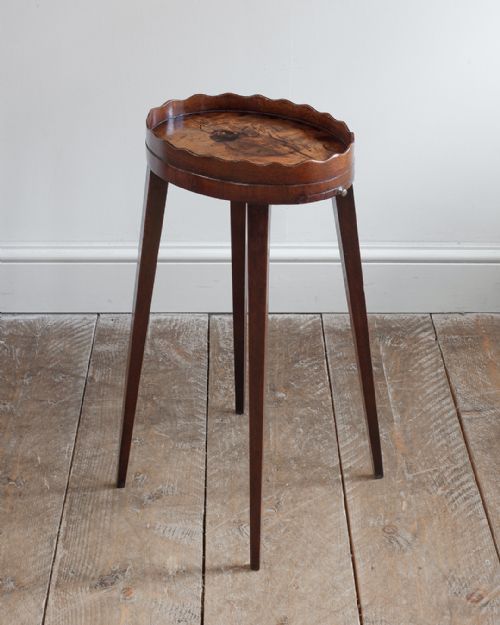
- A small, tall occasional table designed specifically to hold a heated water urn or kettle during tea preparation. Mahogany examples often feature raised dish tops or carved galleries.
- Trivet
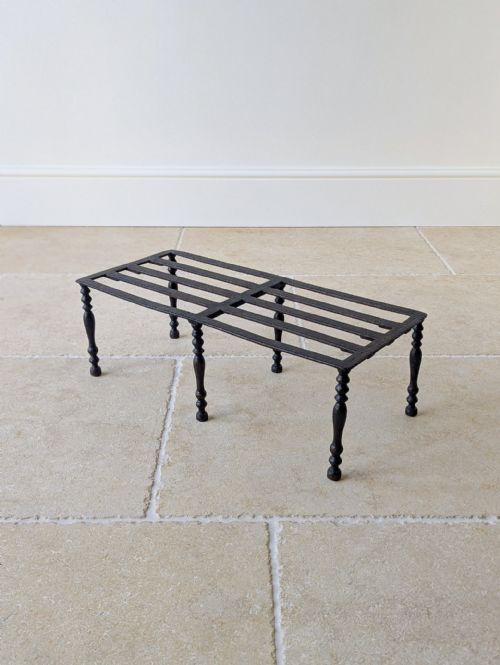
- A low metal support with legs, used beside or inside a fireplace to elevate a kettle or cooking vessel. They appear in brass and iron configurations.
- Old Sheffield Plate
- A composite material made by fusing a thin sheet of silver to a thicker copper base, utilised in tea wares before modern electroplating techniques were developed.
Kettle on Stand: Frequently Asked Questions
What is a spirit kettle on stand?
A spirit kettle on stand is a portable metal water container suspended over a small alcohol burner, designed to keep water hot during tea service. They became particularly popular during the Victorian and Edwardian periods for drawing room entertaining.
The metal stand holds the kettle at a precise height above the flame while incorporating a swinging handle and a lid for safe operation. Many surviving examples retain their original matching burners and internal fittings.
How were mahogany kettle stands used?
Mahogany kettle stands served as dedicated occasional tables positioned near the fireplace or tea table to hold heavy water vessels safely off the floor. Their compact top surfaces and sturdy tripod or four-legged bases prevented tipping.
Craftsmen often added raised rims or dish tops to secure the vessel, while some higher-end examples included pull-out slides for resting teacups or utensils during preparation.
What is the difference between a footman and a trivet?
A footman is a larger, four-legged metal stand made of brass and steel, designed to sit directly in front of an open hearth to warm plates and heat kettles. They usually feature side handles for moving them close to the fire.
A trivet is generally smaller and lower, often resting on three feet, and sits closer to the coals or directly on the hearth bars. Both acted as vital kitchen and fireplace accessories before closed ranges became common.
How do I date a brass and copper kettle?
Dating these items involves examining construction methods, handle attachments, and overall stylistic influences such as Arts and Crafts hand-hammering or Aesthetic Movement forms. Machine-threaded screws and uniform machine rolling indicate later nineteenth or twentieth-century manufacture.
Early pieces often feature hand-cut dovetailing, cast brass elements, and makers' stamps associated with known Victorian metalworkers. Patina and wear patterns on the base also offer clues to their age and frequency of use.