



Victorian Brass Kettle
A victorian brass kettle brings tangible warmth to a fireside, combining utilitarian metalwork with the domestic rituals of nineteenth-century tea.
Victorian Brass Kettle
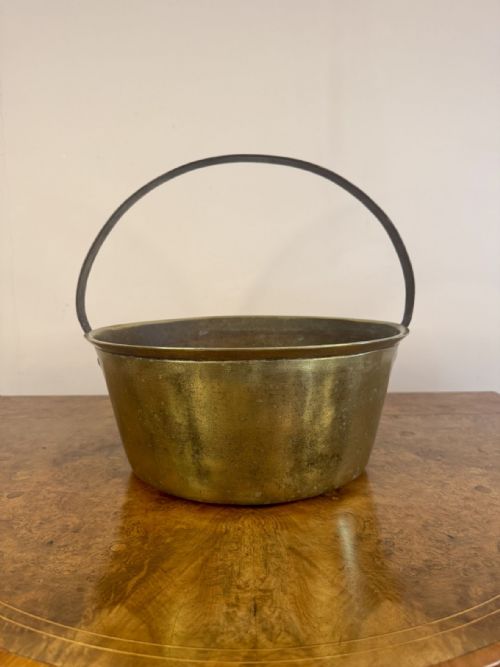
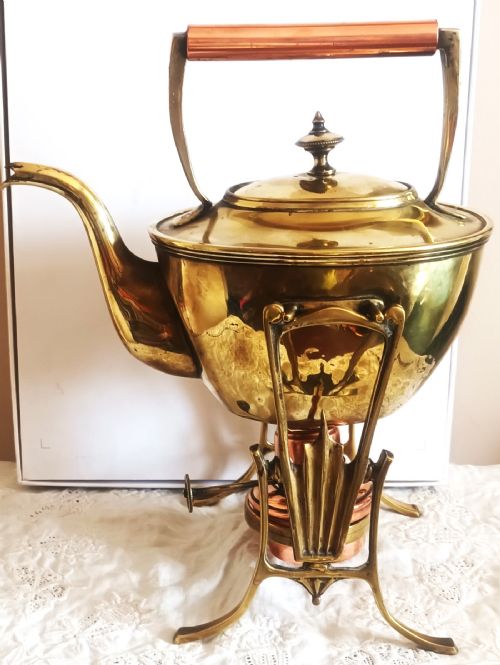
A victorian brass kettle encompasses standard hearth water vessels, spirit kettles mounted on dedicated stands, and larger samovars designed for continuous hospitality. The selection on this page leans heavily toward nineteenth-century domestic metalwork, often paired with copper bodies, iron fittings, and supporting trivets.
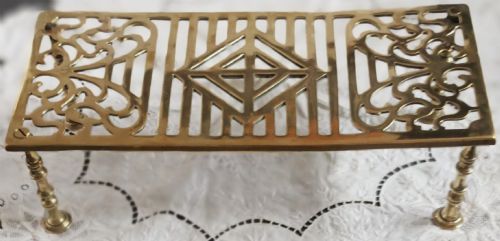
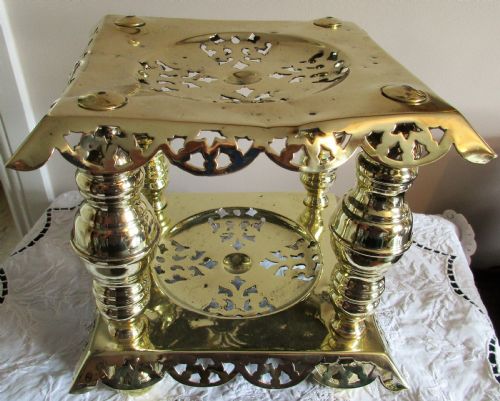
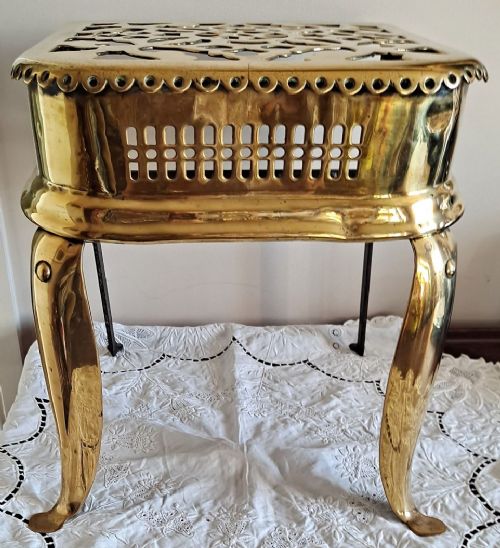
Buyers will encounter simpler utilitarian kettles alongside complex spirit kettles featuring burners and elaborate stands. Related fireplace accessories such as footmen and two-tier trivets frequently appear alongside these vessels, reflecting the complete hearth arrangements of the period.
Origins span English workshops, Welsh fireside traditions, and continental models, all sharing the robust construction necessary for daily heating over coal or peat. These objects range from compact round vessels dated around eighteen-fifty to larger samovars and spirit kettles from the eighteen-eighties and Edwardian transition.
Materials and construction methods
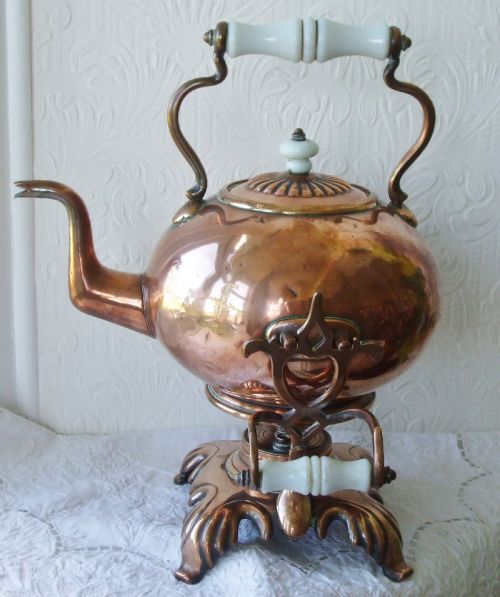
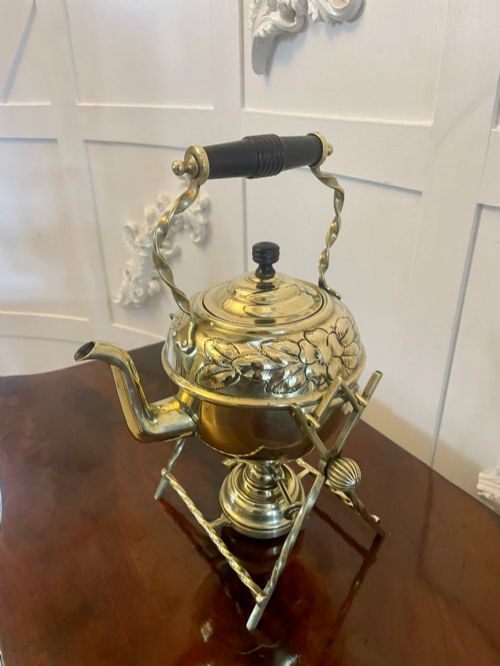
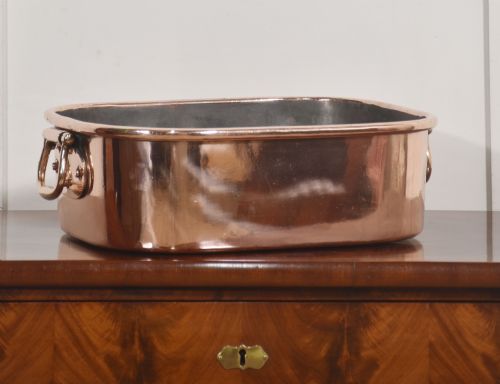
Makers constructed these pieces primarily from sheet brass and copper, joining the metals with visible seams and rivets to withstand direct heat. Handles frequently incorporate insulating materials such as wood, ebonised wood, or bone to protect the hand during use.
Footmen and stands bring iron and steel into the assembly, providing rigid support for heavy liquid-filled vessels. Decorative elements like brass handles and turned finials punctuate the utilitarian design of the vessels and their companion trivets.
Victorian Brass Kettle Retail Price Guide 2026
Typical asking prices for victorian brass kettle among the pieces listed under this phrase on Sellingantiques today, from the lower quarter to the upper quarter. They describe what is for sale here now, not the wider market.
Objects range from standalone tea kettles to complete spirit kettles on stands, samovars, and multi-tier trivets.
Assessing quality in period metalwork
Quality rests upon the crispness of the metal forming, the integrity of the riveted or seamed joints, and the survival of original companion stands and spirit burners. Superior examples display balanced proportions and careful finishing around spouts and handle mounts.
The integration of secondary materials like turned wooden handles, bone spacers, or wrought iron subframes dictates the distinction between standard utilitarian gear and finer parlor pieces. Retaining matching stands, burners, or multi-tier trivets elevates a piece from a simple vessel to a complete fireside ensemble.
William Soutter & Sons
The Victorian Brass Kettle Glossary
- Spirit kettle
- A kettle suspended above a small spirit burner on a metal stand, allowing water to remain hot at the tea table rather than the hearth.
- Footman
- A low metal stand placed by the fire to keep dishes warm or to support a kettle.
- Samovar
- A large heated urn used to boil and dispense water for tea, often featuring an internal vertical metal tube for charcoal.
- Trivet
- A three-legged or framed stand that raises a kettle or cooking vessel above the hearth stones or tabletop.
- Aesthetic Movement
- A late nineteenth-century design style emphasising visual refinement and artistic arrangement over heavy Victorian ornamentation.
Victorian Brass Kettle: Frequently Asked Questions
Can I still use a victorian brass kettle?
Most surviving pieces function best as decorative fireplace accessories or collection centerpieces due to age and historic repairs.
Using them daily requires careful inspection of internal seams and modern cleaning that may alter the historic patina.
What is the difference between a kettle and a samovar?
A standard kettle is designed to be lifted and poured, often sitting directly on a trivet or hearth.
A samovar is a much larger upright vessel incorporating a spigot and internal heating column for continuous service.
Why do some kettles have stands?
Stands elevated spirit kettles above a dedicated burner to maintain water temperature away from the main fireplace.
They also protected tabletops and sideboards from direct heat during nineteenth-century tea service.
How do I date an antique brass kettle?
Dating relies on manufacturing techniques, handle materials, and stylistic markers such as Aesthetic Movement motifs or Georgian survivals.
Nineteenth-century pieces often show hand-beaten or early machine-rolled sheet construction with iron or wood fixings.