


Antique Tea Kettle
An antique tea kettle brings weight, warmth and a steady, grounding presence to a room.
Antique Tea Kettle
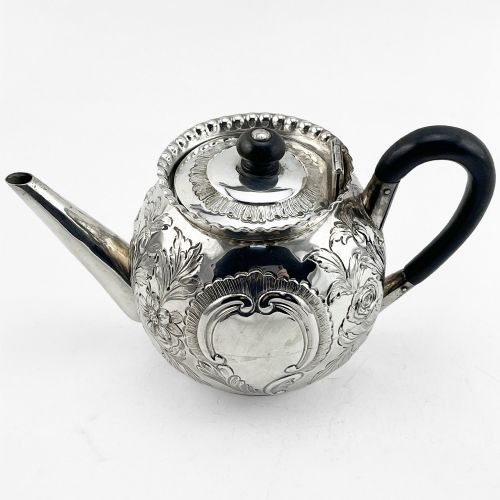
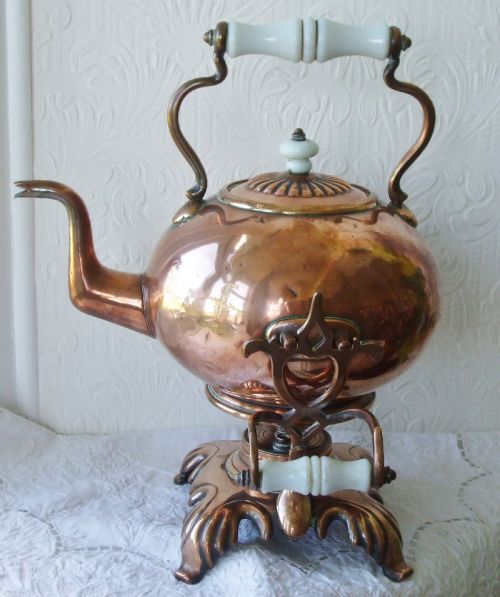
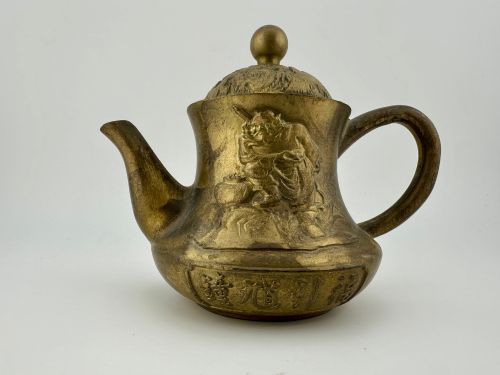
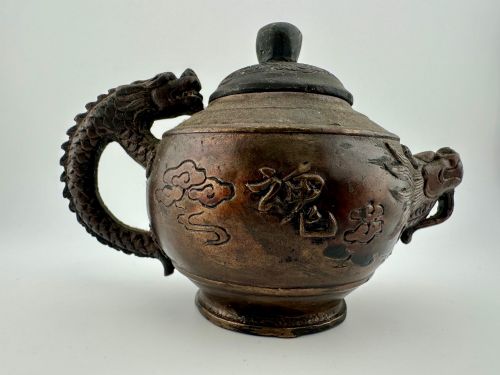
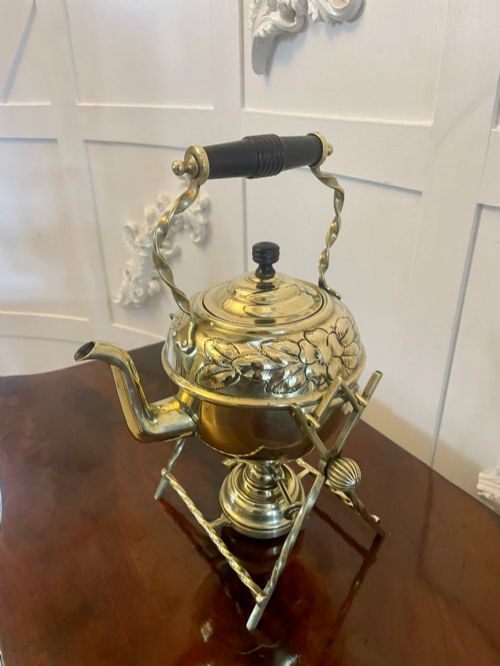
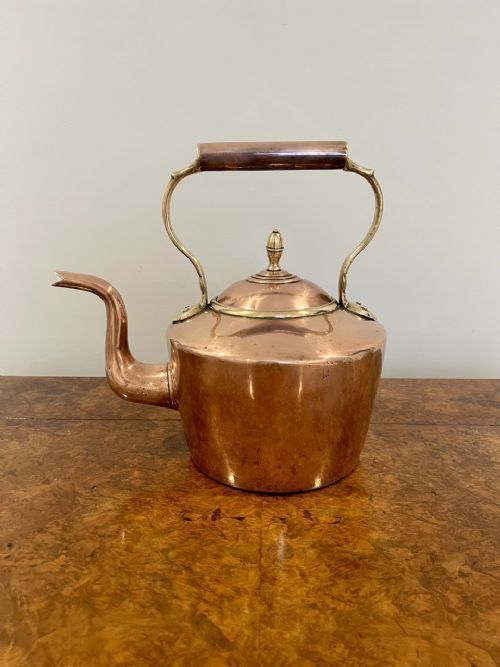
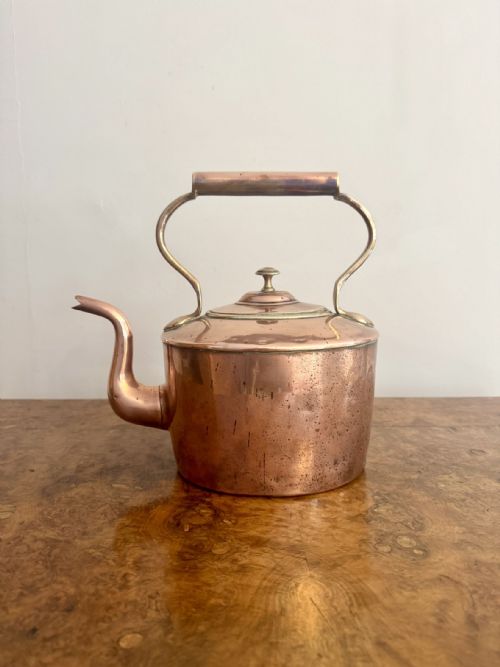
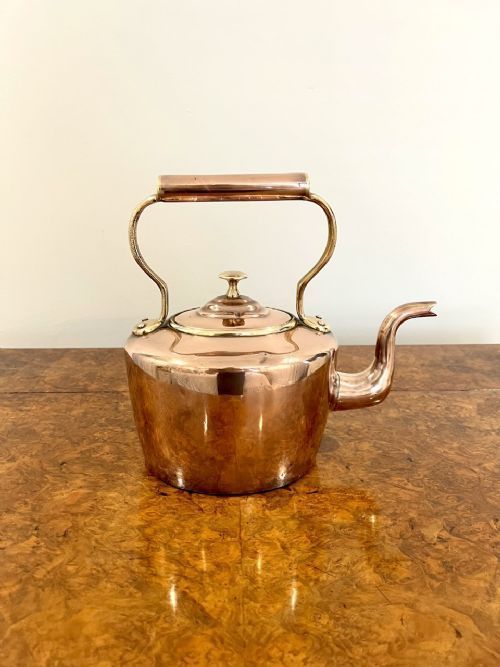
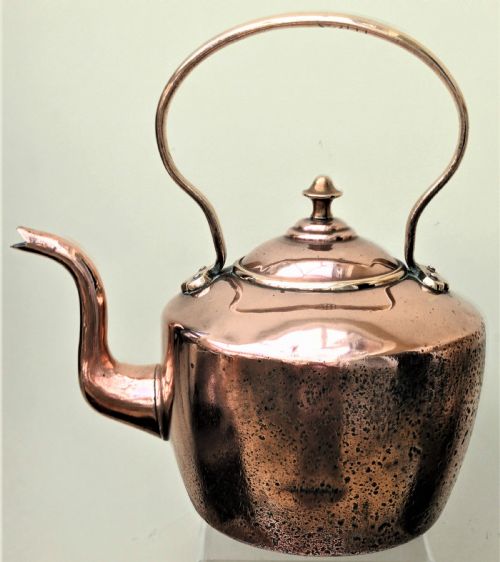
When you search for an antique tea kettle, you find vessels designed to heat water for tea, spanning domestic copper stove pieces to elaborate silver-plated spirit kettles mounted on stands. The pieces seen here cover centuries of tea-making traditions, ranging from early Georgian copper designs to Victorian and Edwardian examples equipped with burners.
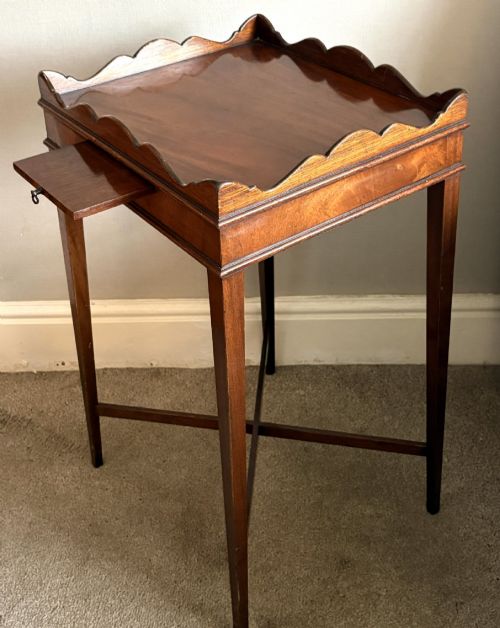
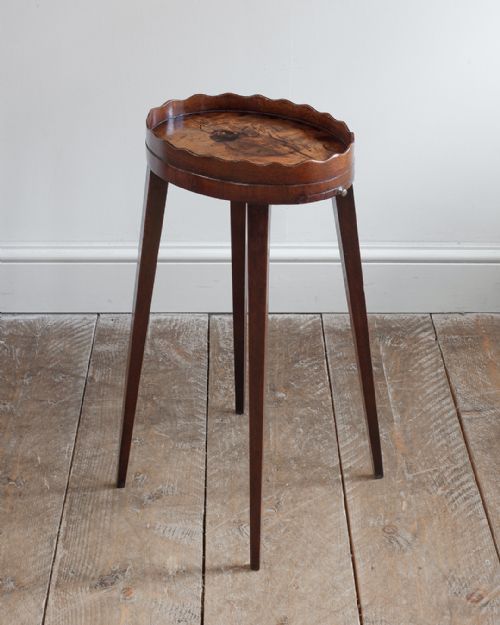
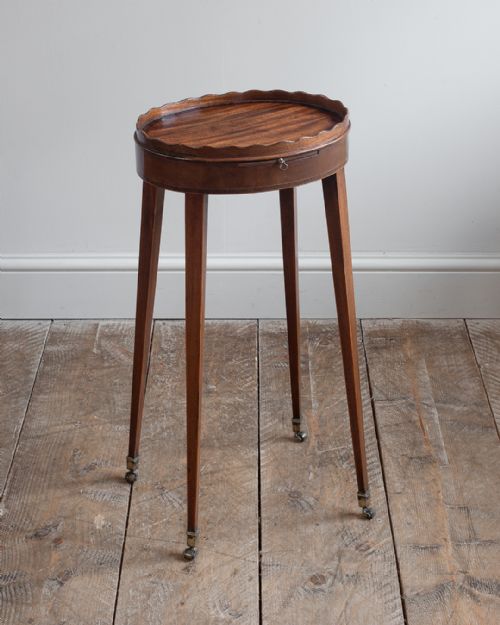
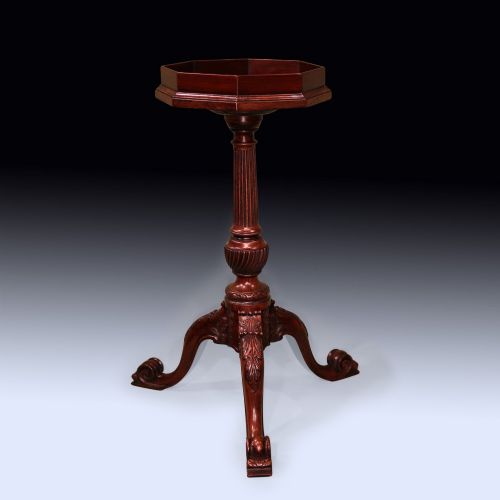
You are most likely to meet copper and brass kettles from the Georgian and Victorian eras, alongside silver-plated spirit kettles dating towards the early twentieth century. Associated objects such as mahogany urn stands and kettlestands also appear frequently alongside the vessels themselves, reflecting the historical setup of the tea service.
Materials and construction methods
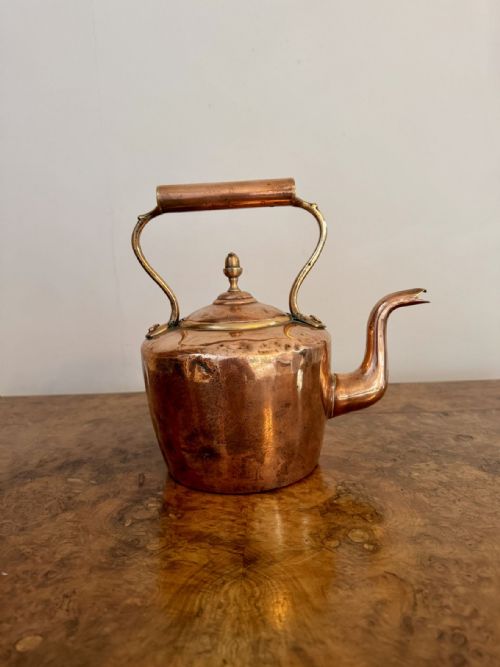
Makers utilised heavy-gauge copper, brass and silver plate, hammering or spinning the metal to create durable vessels that could withstand direct heat on a stove or above a spirit burner. Joints were often dovetailed, brazed or soldered carefully by hand, ensuring watertight integrity under regular thermal expansion.
Handles incorporated insulating materials such as wood, ebonised wood or bone to protect the user's hand from the heat conducted by the metal body. Stands and accompanying tea furniture were constructed from timbers like mahogany, occasionally featuring carved details or intricate metal fittings.
Antique Tea Kettle Retail Price Guide 2026
Typical asking prices for tea kettle among the pieces listed under this phrase on Sellingantiques today, from the lower quarter to the upper quarter. They describe what is for sale here now, not the wider market.
Materials recur across multiple decades, pairing heavy copper and brass bodies with insulating handles made from mahogany, bone and ebonised wood.
Judging the quality of an antique tea kettle
Quality reveals itself in the weight of the metal and the precision of the hand-finishing, where heavier gauges and clean, even hammering demonstrate superior craftsmanship. The articulation of the handle joints and the snugness of the lid fit further separate standard utility pieces from finer examples made for formal reception rooms.
For spirit kettles and samovars, the completeness of the original matching burner and the stability of the support stand dictate the overall standard. Pieces bearing identifiable maker marks or retaining their original polished surfaces without excessive thinning from over-cleaning hold a distinct advantage.
William Soutter & Sons·Walker & Hall·Roberts & Belk·Kibundo
The Antique Tea Kettle Glossary
- Spirit kettle
- A kettle suspended above a small spirit burner, designed to keep water hot at the tea table.
- Samovar
- A large heated metal urn traditionally used to boil water for tea, often fitted with a tap.
- Kettlestand
- A small occasional table specifically designed to hold a heavy kettle and its burner during tea service.
- Tetsubin
- A traditional Japanese cast iron kettle used for boiling water.
- Silver plate
- A layer of silver fused to a base metal such as copper or brass, popular for nineteenth-century dining wares.
Antique Tea Kettle: Frequently Asked Questions
What is a spirit kettle?
A spirit kettle is a tea kettle mounted on a metal frame above a small adjustable burner fuelled by methylated spirit. This setup kept the water boiling at the table throughout a long tea service without requiring trips back to the kitchen.
These pieces usually date from the Victorian and Edwardian periods when formal tea rituals were central to domestic social life.
Can I use an antique copper kettle on a modern stove?
Most antique copper kettles were built for open hearths, coal ranges or wood stoves and may have uneven bases that do not sit flat on modern glass ceramic hobs. Using them on modern gas rings is sometimes possible if the interior lining remains intact, though many collectors prefer to display them.
Water quality and modern heat intensities can also stress nineteenth-century soldered joints, so careful consideration is advised before daily use.
How do I tell a Georgian kettle from a Victorian one?
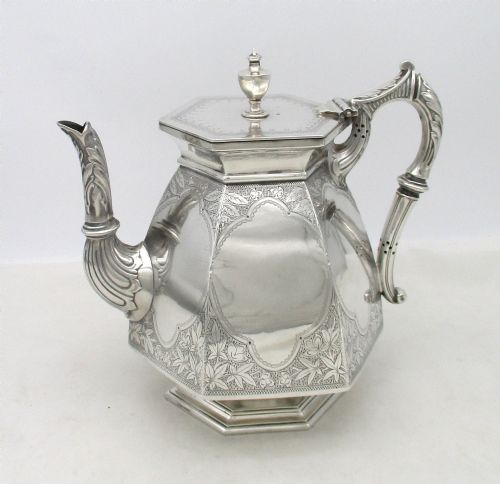
Georgian kettles tend to show simpler, utilitarian forms in heavy hand-hammered copper, reflecting their primary role in the kitchen rather than the drawing room. Victorian and Edwardian examples often introduce elaborate silver plating, cast brass decoration, matching stands and spirit burners.
Stylistic cues such as Aesthetic Movement engraving or Edwardian proportions help narrow down the exact manufacturing window.