


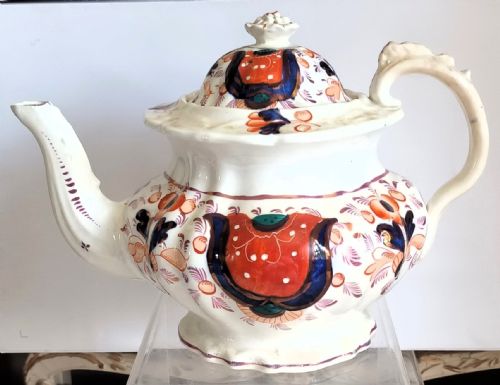
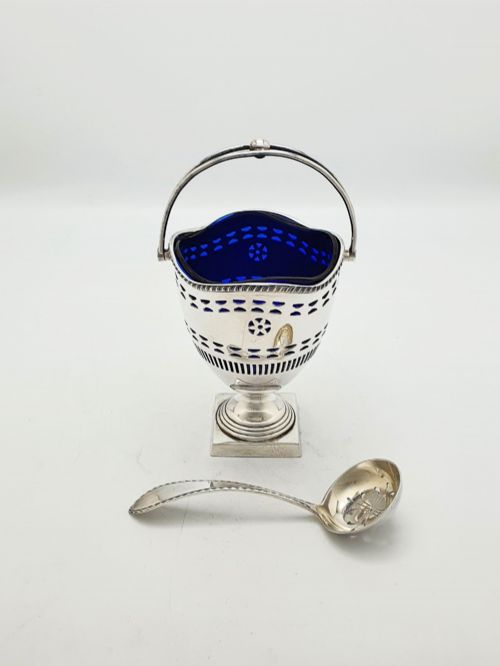
Antique Tea Vessel
An antique tea vessel brings ceremony and warmth to a room, ranging from copper kettles to sterling silver pots.
Antique Tea Vessel
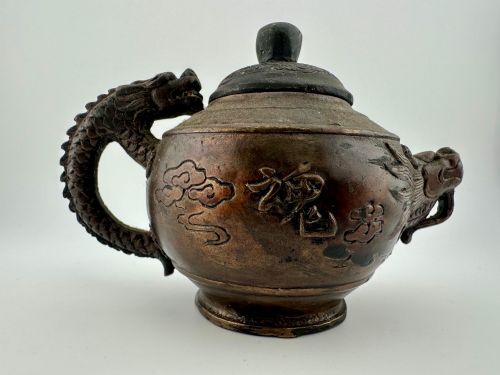
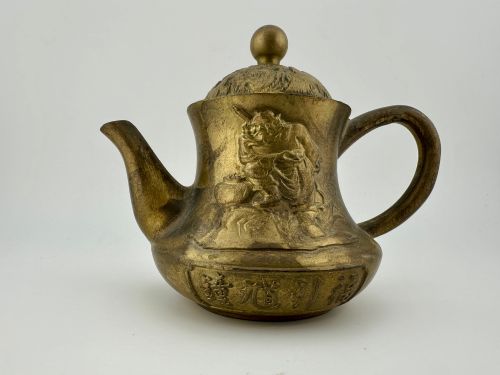
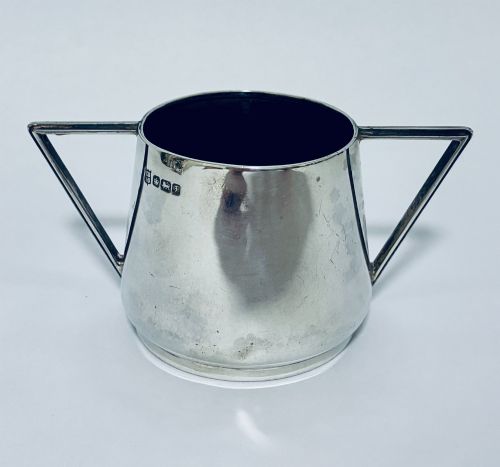
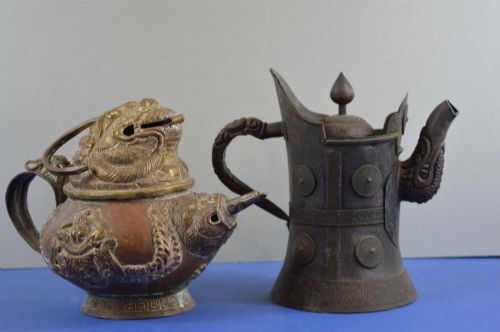
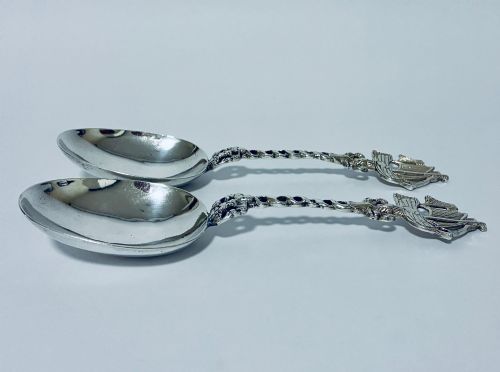
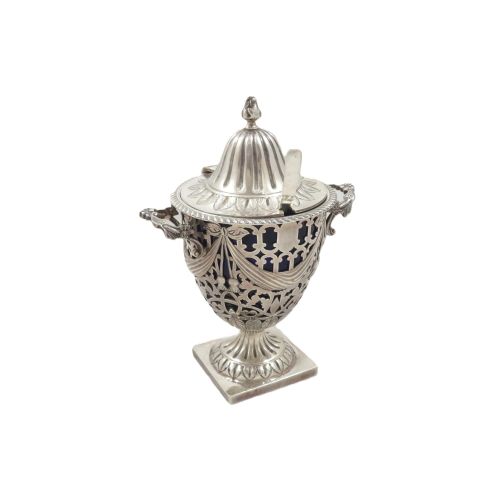
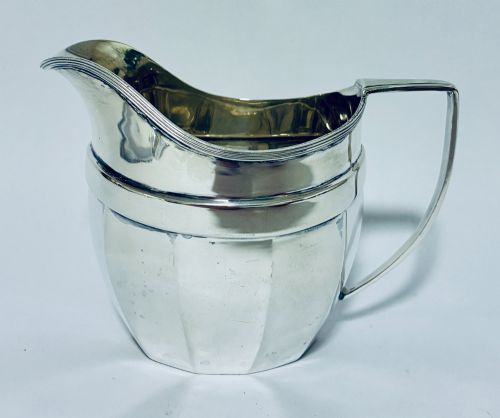
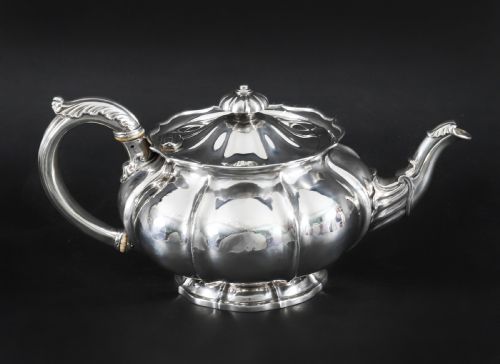
An antique tea vessel encompasses a diverse group of domestic and ceremonial objects used for the preparation and service of hot drinks, including teapots, kettles, samovars, sugar bowls, and tea caddies. When searching for an antique tea vessel, buyers encounter pieces spanning multiple centuries, from Georgian silver teapots to Victorian copper kettles and Edwardian sugar baskets.
The materials reflect both utilitarian duty and high social display, shifting from heavy copper and brass water urns to delicate porcelain sucriers and sterling silver tea sets. Most examples on this page date from the Georgian, Victorian, and Edwardian eras, alongside select items from Asian traditions such as Qing Dynasty porcelain and Japanese tetsubin.
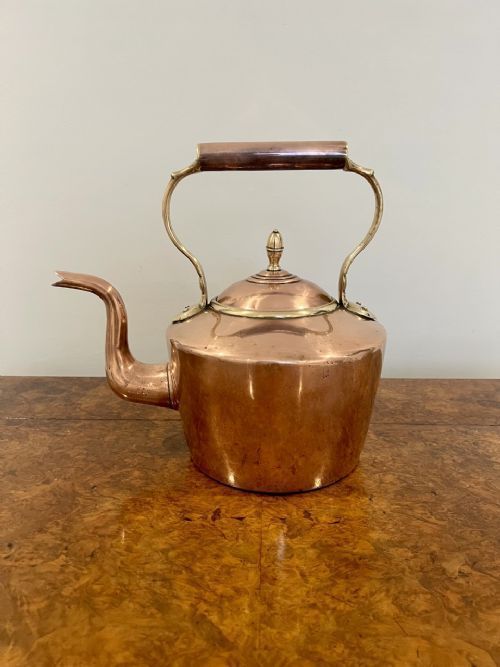
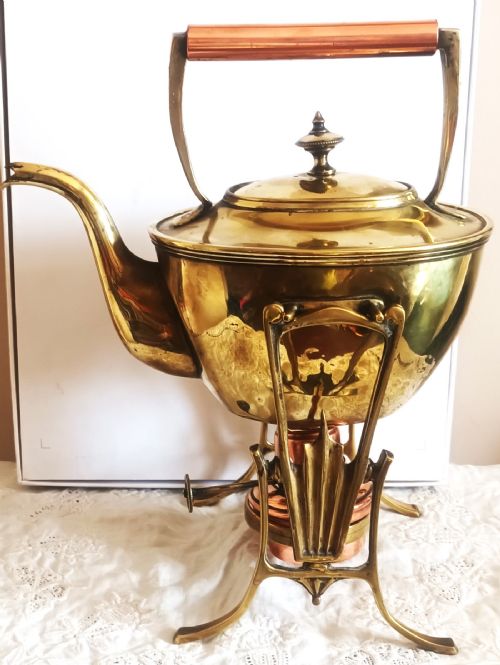
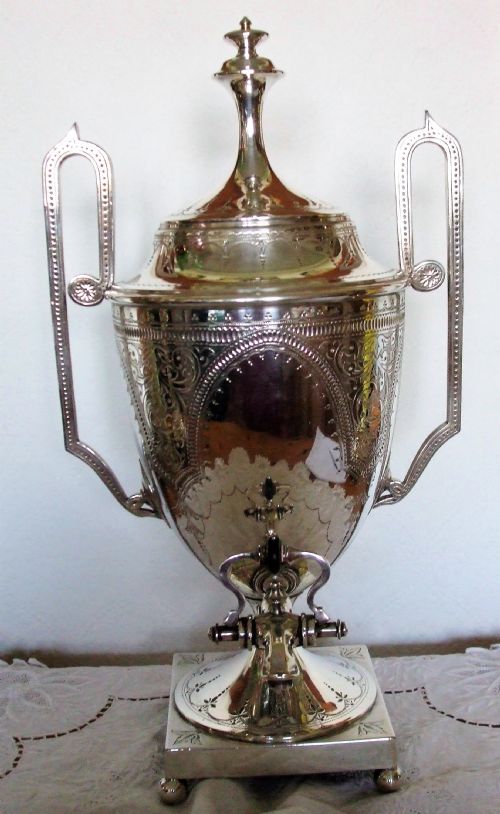
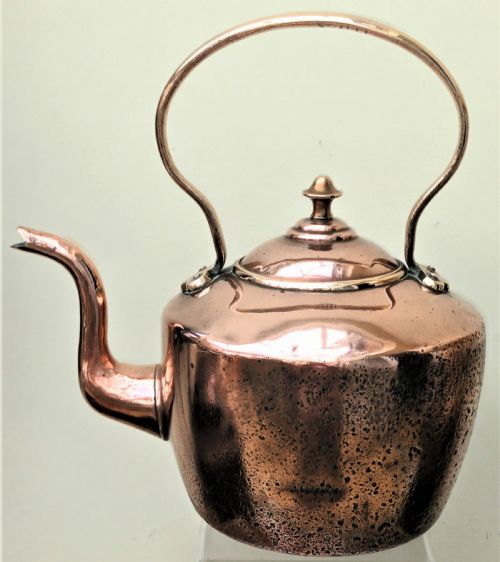
Forms vary from sturdy English provincial copper kettles designed for hearth use to ornate silver samovars and delicate earthenware tea caddies. Buyers select these items based on domestic utility, material interest, or historical period representation.
Materials and construction
Metals dominate the physical record, utilising copper, brass, and sterling silver shaped by hammering, casting, and spinning. Copper kettles and samovars often incorporate brass fittings, wooden handles, and interior linings of tin or other metals to preserve water quality.
Ceramic vessels rely on earthenware, porcelain, and pearlware bodies, finished with coloured glazes, enamel decoration, or transfer printing as seen in Staffordshire wares and Spode felspar porcelain. Silver items utilise traditional silversmithing techniques, including piercing, chasing, engraving, and Sheffield plating over a copper base.
Antique Tea Vessel Retail Price Guide 2026
Typical asking prices for tea vessel among the pieces listed under this phrase on Sellingantiques today, from the lower quarter to the upper quarter. They describe what is for sale here now, not the wider market.
Geographic origins range from English provincial workshops and Scottish silversmiths to Dutch silver, Chinese porcelain, and Japanese cast iron tetsubin.
Standards of execution
Quality rests upon the weight of the metal, the crispness of chased or engraved decoration, and the integrity of construction where spouts, handles, and bodies join. Superior silver teapots maintain heavy gauge metal that resists denting, while finer copper kettles show precise hand-beaten seams and well-fitted lids.
Ceramic vessels separate themselves through the fineness of the paste, the stability of the glaze, and the hand-painted skill evident in patterns like Imari or Gaudy Welsh. Maker marks from established silversmiths or potteries provide a reliable indicator of workshop standard and period authenticity.
Paul Storr·William Soutter & Sons·Walker & Hall·Benetfink & Co·Mappin & Webb·Spode·Robert Hennell I·Kibundo
The Antique Tea Vessel Glossary
- Samovar
- A heated metal urn used to boil and heat water for tea, traditionally associated with Russian and Victorian domestic service. These large vessels often feature spigots and internal heating chimneys.
- Tea Caddy
- A small box or jar designed to store dry tea leaves securely under lock and key. Wealthy households utilised these containers to protect expensive imported tea.
- Sucrier
- A small open bowl or covered vessel designed to hold sugar for tea service. They match the ceramic or silver bodies of contemporary teapots.
- Tetsubin
- A traditional Japanese cast iron kettle used for boiling water. These vessels often feature distinctive textured exteriors and bronze lids.
Antique Tea Vessel: Frequently Asked Questions
What is an antique tea vessel?
An antique tea vessel is any historical container used for boiling water, brewing tea, or storing related dry goods like sugar and leaves.
These pieces include teapots, kettles, samovars, and caddies made from silver, copper, brass, and ceramic materials.
How were copper kettles used?
Copper kettles were placed directly on hearths or stoves to boil water for domestic tea and kitchen use.
Their heavy construction allowed them to withstand daily exposure to open flames and coal fires.
How do I clean silver tea items?
Silver tea items require gentle cleaning with specialised silver polish to remove tarnish without harming engraved details.
Avoid harsh abrasives and ultrasonic cleaners to protect soldered joints and original surface patinas.
Can I use these vessels daily?
Many metal kettles and teapots remain structurally sound for regular boiling and serving purposes.
Fragile ceramics or pieces with historic linings are better suited for display rather than active daily use.