

18th Century Display Stand
An 18th century display stand holds objects for viewing, bringing period craftsmanship and practical surface space into a room.
18th Century Display Stand
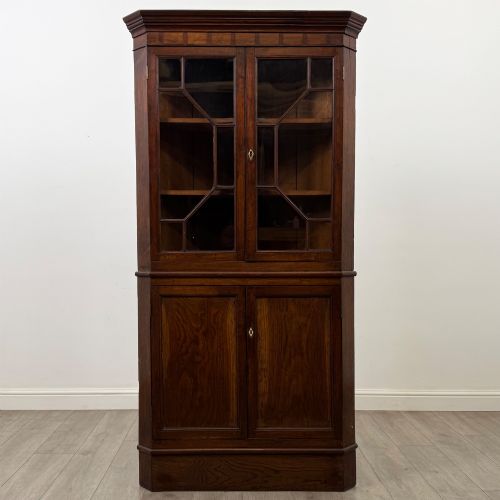
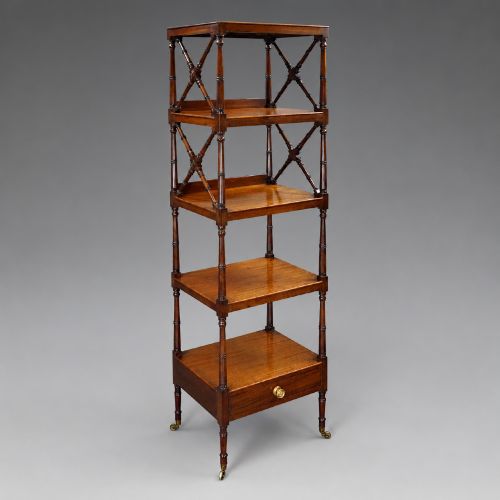
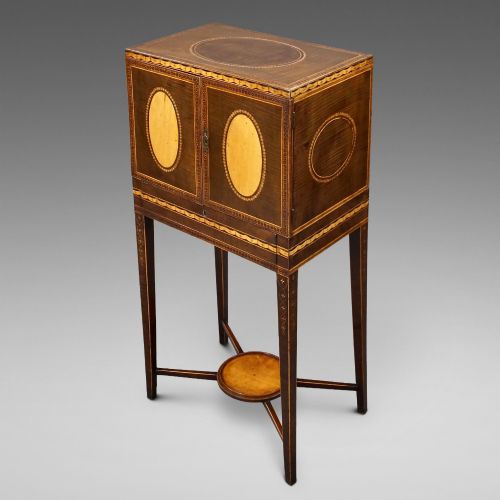
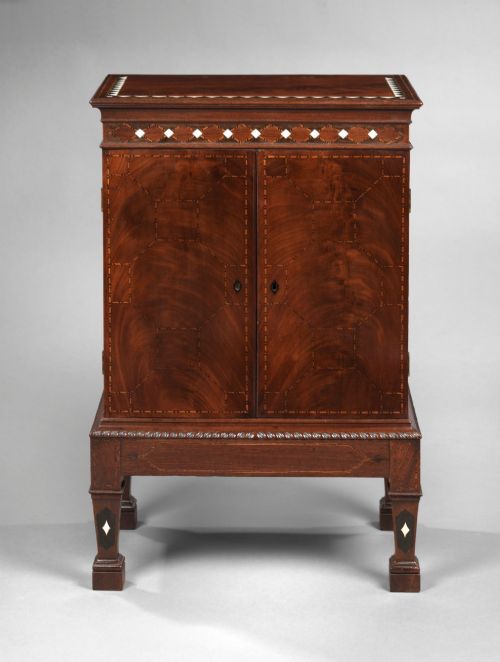
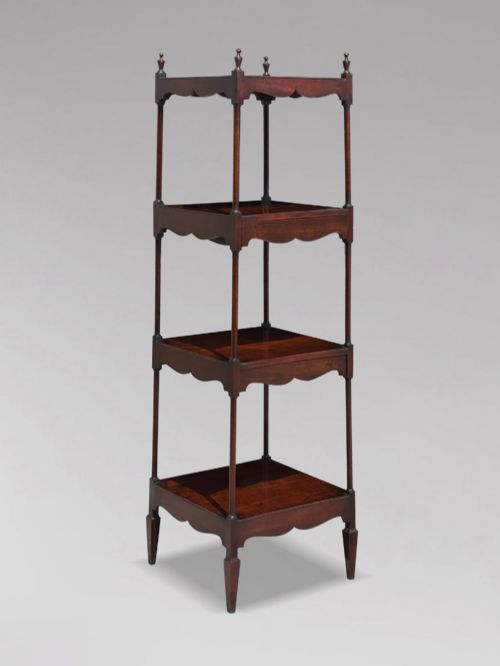
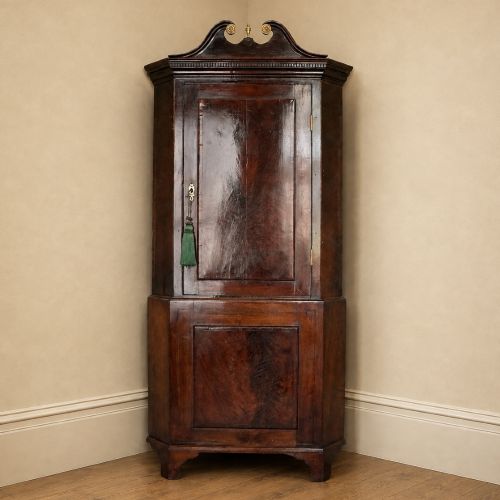
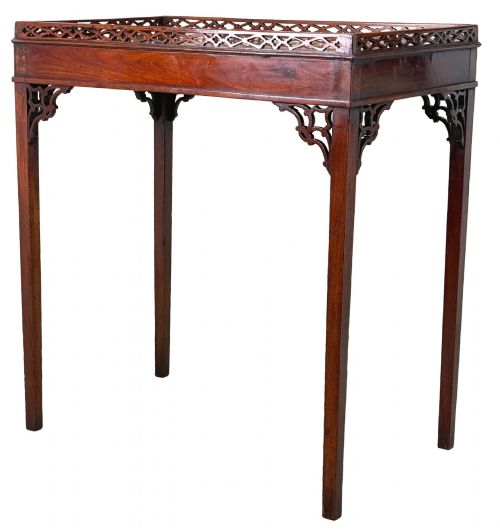
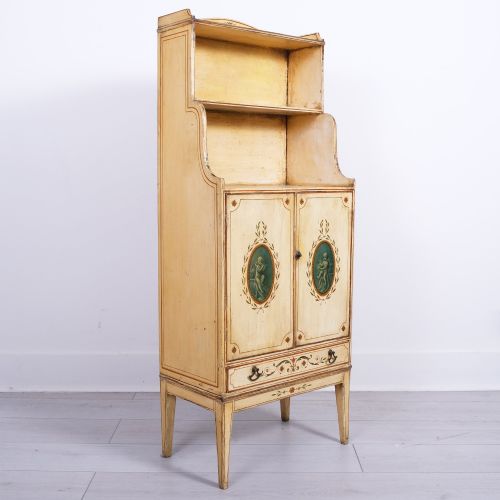
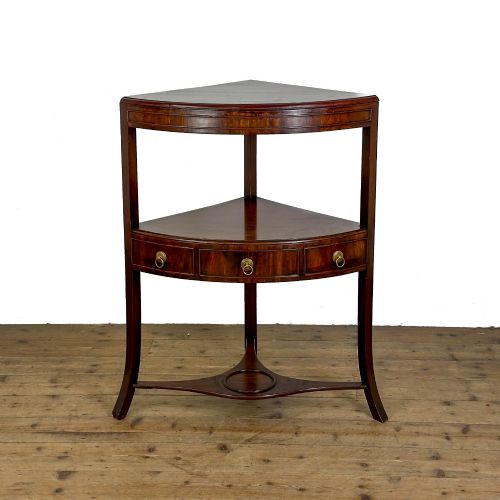
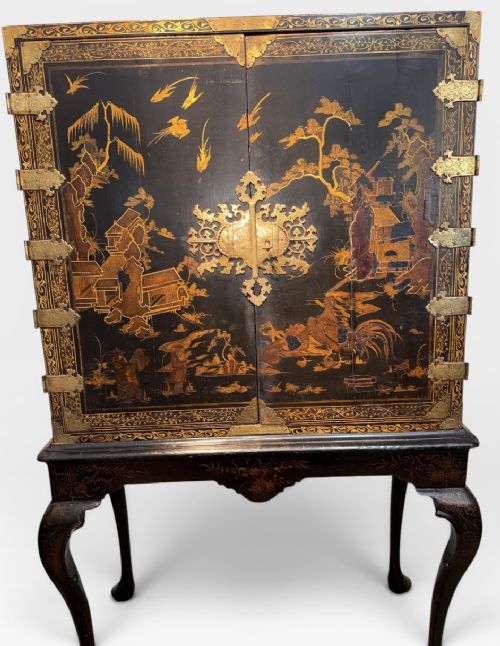
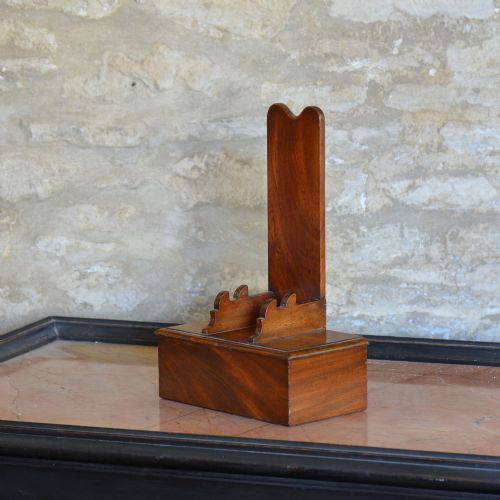
An 18th century display stand encompasses corner cabinets, whatnots, pedestals, and cabinets on stands originating from Georgian workshops and European makers. These pieces served to organise and display silver, books, and smaller items within domestic interiors.
The selection on this page relies heavily on mahogany corner cupboards, dumbwaiters, and wig stands dating across the eighteenth century and into the nineteenth century. Oak and elm provincial pieces appear alongside polished Sheraton and Chippendale designs.
Buyers meet various configurations, from tall floor-standing corner cabinets to small two-tier dumbwaiters and pedestal columns. Each form reflects the specific storage and display needs of period households.
Materials and Technique
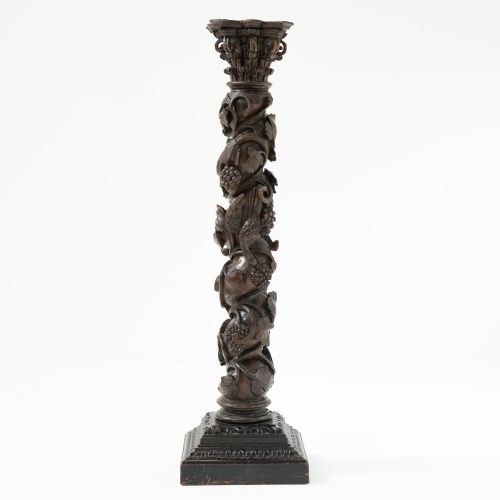
Cabinetmakers utilised dense timbers like mahogany, oak, and yew wood, often enhanced with harewood inlay, gold leaf, and brass hardware. Carved details such as solomonic columns and architectural cornices required skilled hand-tooling.
Surface finishes include traditional lacquering, paintwork seen on Chinoiserie pieces, and clear polishing that accentuates the grain of Cuban mahogany. Joinery techniques relied on panelled construction and stable corner framing to support heavy shelving.
Carved skulls of the damned stand shoulder-to-shoulder with polite tea tables and delicate wig holders.
Evaluating Construction and Design
The standard of an 18th century display stand depends on the crispness of its carved ornament and the selection of figured timber. Superior examples exhibit balanced proportions and integrated secondary woods rather than later replacements.
Construction methods distinguish workshop output, where tight joints and original brass fittings elevate a piece above standard utility items. The depth of the carved detail on pedestals and cornices indicates the maker's investment in time and skill.
Gillows
The 18th Century Display Stand Glossary
- Whatnot
- A set of open shelves used for displaying ornaments or books. These tiered stands date frequently to the George III period.
- Dumbwaiter
- A freestanding piece with multiple rotating or fixed tiers designed to hold plates or food. They were placed beside dining tables during meals.
- Corner Cupboard
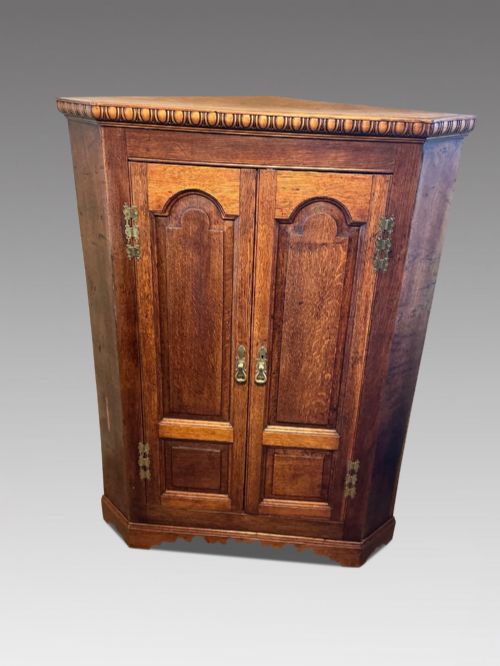
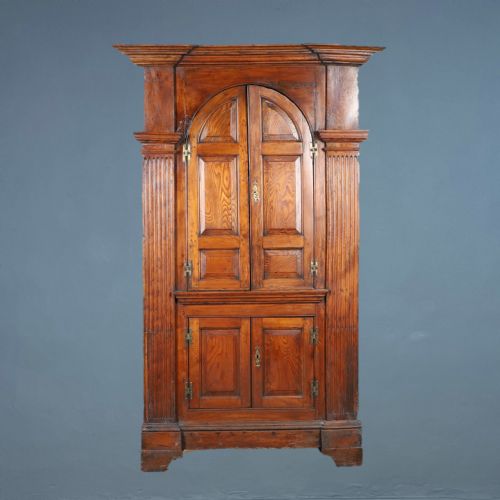
- A cabinet built or shaped to fit into the angle of a room. Versions range from floor-standing oak units to glazed upper display sections.
- Wig Stand
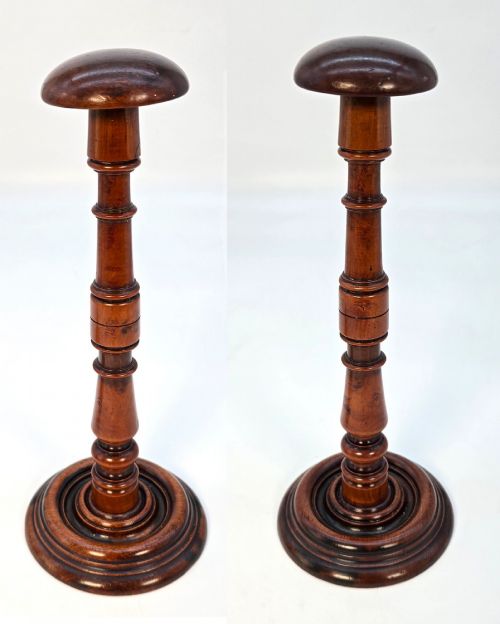
- A small multi-tiered circular stand utilised for holding and powdering wigs. Examples survive from the early eighteenth century onwards.
- Solomonic
- A twisted, spiral column style popular in carving. This motif appears on pedestals and furniture supports.
18th Century Display Stand: Frequently Asked Questions
What is a dumbwaiter used for?
A dumbwaiter provided extra tiers of surface space near dining areas for holding dishes and serving ware during meals.
These pieces allowed households to manage dining without constant servant attendance.
How do I identify a Georgian corner cabinet?
Georgian corner cabinets feature architectural cornices, panelled doors, and timber construction in mahogany or oak designed to fit room angles.
Interior shelving typically displays curved edges suited for ceramics or glassware.
What timber was used for wig stands?
Wig stands were turned from dense hardwoods such as yew wood and mahogany to ensure stability.
Their tiered circular rings held the wig securely while powdering took place.
Are these stands suitable for modern rooms?
These stands fit contemporary interiors by utilising corner spaces and providing vertical display surfaces for collections.
Their compact footprints make them practical for smaller rooms needing period character.