


Wooden China Display Stand
A wooden china display stand turns a collection of plates or porcelain into a proper room feature.
Wooden China Display Stand
When you search for a wooden china display stand, you find furniture built to hold, protect, and show porcelain, glass, and books. The pieces on this page span the eighteenth century, the Georgian period, and the Edwardian era, showing how display furniture evolved from simple plate stands to grand glazed cabinets.
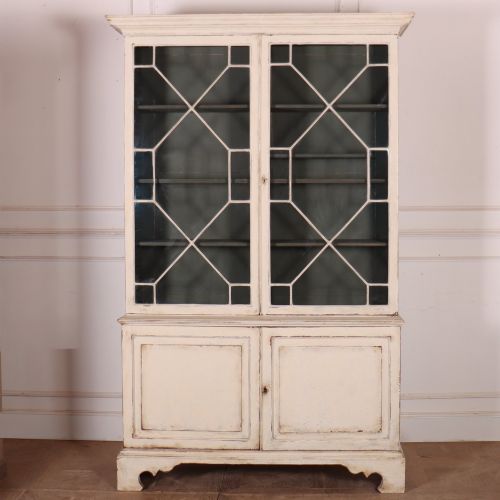
You are most likely to meet mahogany cabinets and vitrines from the Edwardian period or the nineteenth century. These range from small demi-lune inlaid display pieces to larger floor bookcases with glazed doors.
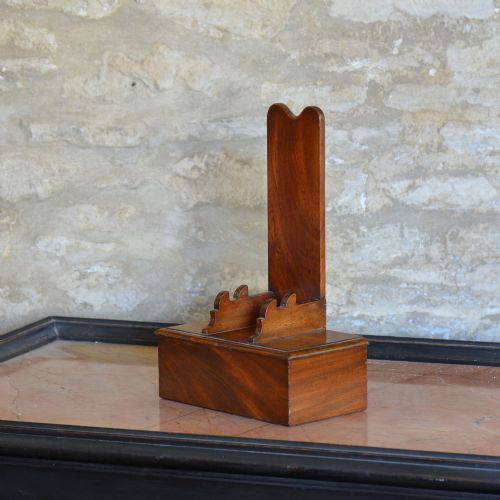
The selection also includes oak cabinets, satinwood breakfront bookcases, and specific plate or tray stands made to hold flat ceramics securely. Each form serves the dual purpose of safe storage and clear visibility.
How these stands were made
Makers utilised solid timbers and selected veneers, relying heavily on mahogany, oak, and satinwood. Boxwood stringing and delicate inlay work frequently decorate the surfaces of Edwardian and Georgian examples, adding visual contrast to the primary wood grain.
Glazing is a central technique, with timber frames holding glass panels to keep dust away from the china within. Brass fittings, painted timber elements, and occasional fabric linings complete the construction of these cabinets and stands.
Some plate stands were built so narrowly that a single dropped saucer caused an immediate family summit.
What varies in quality
The refinement of the timber selection and the precision of the cabinetwork define the upper tier of these pieces. Grain alignment across drawer fronts and doors shows the care taken by the maker.
Subtlety in inlay work and the crispness of carved mahogany details distinguish better examples from simpler production. Original glass panels and intact brass hardware also elevate a piece.
Warings·Edwards & Roberts
The Wooden China Display Stand Glossary
- Vitrine
- A glass-fronted cabinet or display case designed specifically for showing porcelain and objets d'art. These pieces rely on clear glass on multiple sides to let light reach the contents.
- Breakfront
- A piece of furniture where the central section projects forward from the flanking wings. This architectural layout gives depth and shadow to large bookcases and display cabinets.
- Demi-lune
- A half-moon shape used for tables and cabinets designed to stand flat against a wall. This profile saves floor space while offering a curved display surface.
- Inlay
- A technique where pieces of contrasting wood, such as boxwood, are inserted into recessed portions of the primary timber to create decorative patterns.
Wooden China Display Stand: Frequently Asked Questions
What is a wooden china display stand used for?
These pieces provide a secure enclosure for holding and showing ceramic plates, figurines, and glassware. The glass doors and open stands protect delicate items from dust while keeping them visible in a principal room.
Larger versions combine bookshelf storage with display space, allowing owners to house books alongside decorative ceramics.
How do I tell an Edwardian stand from a Georgian one?
Georgian pieces often feature solid mahogany with straightforward architectural proportions, reflecting earlier cabinetmaking traditions. Edwardian examples frequently incorporate lighter satinwood, delicate boxwood inlay, and revival styles.
Examining the internal construction, timber choice, and decorative motifs helps clarify the period of manufacture.
Are all these stands fully enclosed?
Not all of them use glazed doors. Some listings are specifically plate stands or tray stands designed to hold individual pieces upright on a surface.
Cabinets and vitrines provide fully enclosed glass protection, whereas plate stands are open structures.
What woods were commonly used?
Mahogany is the predominant timber across both Georgian and Edwardian examples. Oak and satinwood also appear regularly in the selection.
Boxwood and painted timber are used for decorative contrast and surface detail.