

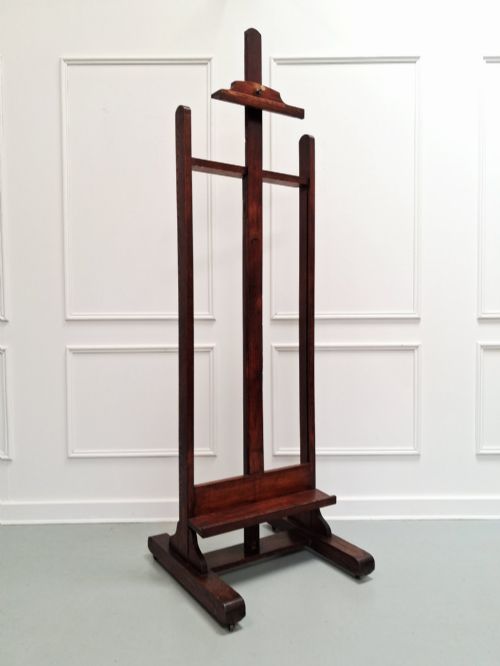
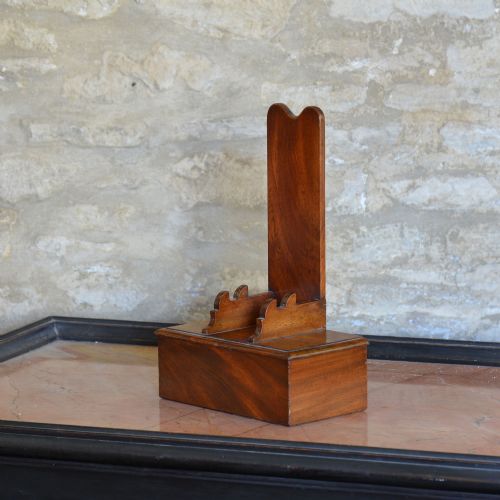


Brown Wooden Easel
A brown wooden easel holds pictures, folios or books with steady, functional grace.

Brown Wooden Easel
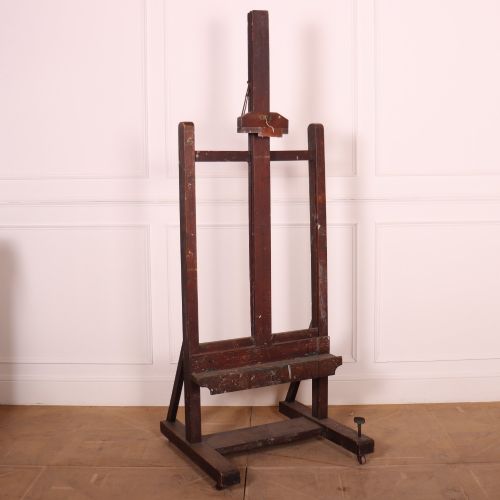
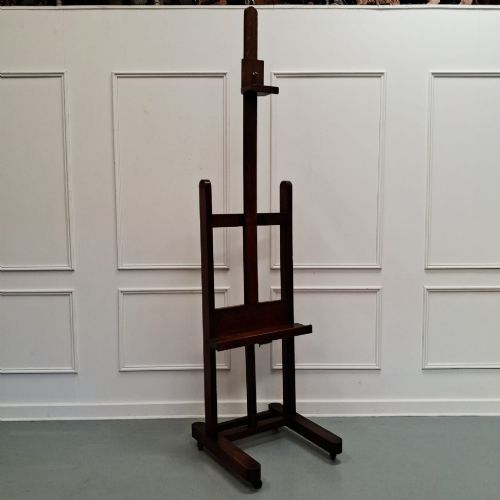
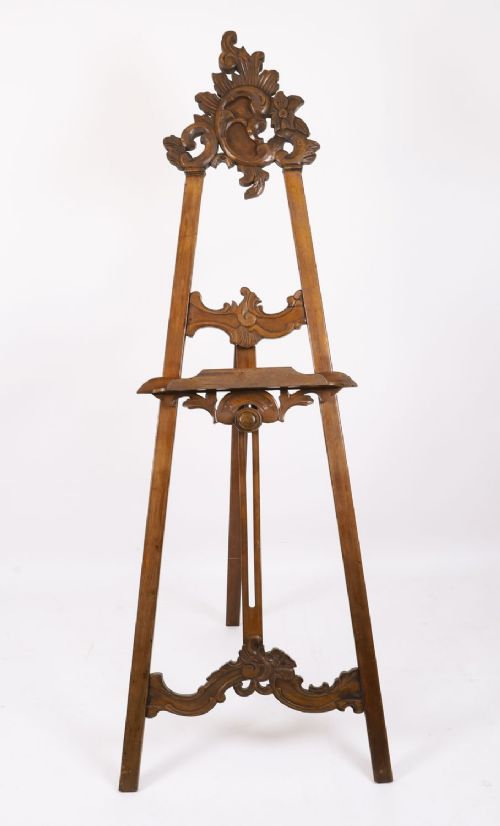
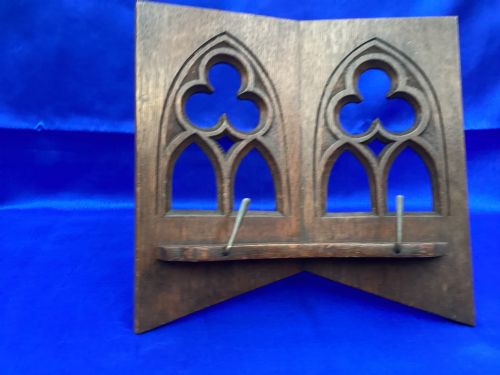
When you search for a brown wooden easel, you are looking at practical studio furniture designed for artists, architects, and readers. These pieces range from tabletop book stands and music stands to large studio easels and folio racks.
You are most likely to meet oak and mahogany examples spanning the Georgian, Regency, Victorian, and Edwardian periods. Many items show specific uses, such as plate stands, music stands, and travelling shaving mirrors alongside studio furniture.
The forms vary from simple adjustable wooden frames to elaborate pieces incorporating brass, iron, and cast iron details. Styles stretch from Gothic Revival and English Classical to French late nineteenth century designs.
How they were made
These pieces are constructed primarily from solid hardwoods like oak and mahogany, occasionally using pine or walnut. Joinery focuses on adjustable mechanisms, folding hinges, and sturdy frames to support heavy books or canvases.
Metal components in brass and iron appear on adjustable brackets, hinges, and decorative mounts. The construction balances robust utility with refined cabinetmaking, particularly in pieces intended for drawing rooms or professional studios.
Brown Wooden Easel Retail Price Guide 2026
Typical asking prices for brown wooden easel among the pieces listed under this phrase on Sellingantiques today, from the lower quarter to the upper quarter. They describe what is for sale here now, not the wider market.
What varies in quality
Quality rests in the smoothness of the adjustable mechanisms and the integrity of the timber. Pieces that retain working brass adjustments and solid joints stand above those with stiff or replaced hardware.
The distinction also lies in the timber selection and the refinement of the joinery. Finer examples display carefully chosen grain patterns in oak or mahogany, coupled with thoughtful detailing like swan designs or architectural mouldings.
Windsor and Newton
The Brown Wooden Easel Glossary
- Folio stand
- A low rack designed for holding large portfolios, prints, or architectural drawings. These items often feature folding sides and sturdy wooden bases.
- Studio easel
- A large, heavy-standing frame used by artists to support canvases during painting. They frequently include winding mechanisms to raise and lower the work.
- Music stand
- An adjustable wooden stand for holding sheet music or books. Pairs of these often appear from the Edwardian period.
- Plate stand
- A display stand configured to hold decorative ceramics or platters upright. Georgian examples in mahogany are typical of this form.
Brown Wooden Easel: Frequently Asked Questions
How do I use a brown wooden easel today?
These pieces serve well as display stands for artwork, large books, or mirrors in modern interiors. Their adjustable frames allow you to prop items securely at various viewing angles.
Larger studio versions can hold canvases for painting or act as sculptural focal points in a room. Smaller tabletop models suit desks and sideboards for reading.
How can I tell the period of an easel?
Dating relies on timber choice, construction methods, and the style of the metal fittings. Georgian and Regency pieces show refined mahogany work, while Victorian and Edwardian items often utilise heavy oak and brass.
Mechanisms for adjustment also help indicate age, with older pieces featuring hand-turned wooden pegs or cast iron ratchets. Stylistic cues like Gothic Revival or English Classical details provide further clues.
Are these pieces stable enough for heavy books?
Most of these items were built for heavy professional use in studios, libraries, and architectural offices. Solid hardwood construction gives them the weight needed to support large folios and thick volumes safely.
Adjustable ledges and robust bracing ensure that books or pictures remain secure. Checking the tightness of the joints confirms their stability for daily use.
What maintenance do wooden easels need?
Routine care involves dusting the timber and occasionally applying a suitable wax to nourish the wood. Keeping the pieces away from direct heat sources prevents the timber from drying out and cracking.
Metal adjustments benefit from a light wipe to ensure smooth movement. Gentle handling of folding mechanisms preserves the original hinges and ratchets.