


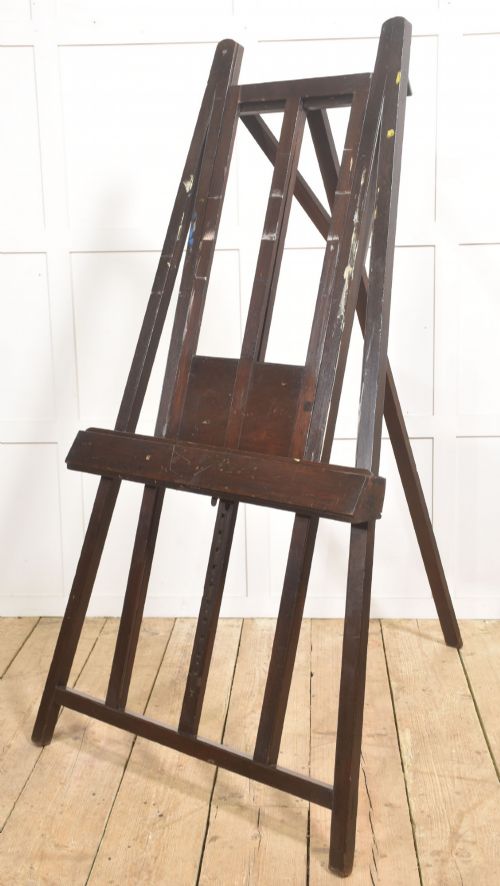


Vintage Artist Easel
A vintage artist easel is a working studio piece built to hold canvas or board, chosen by collectors for practical utility and period character.
Vintage Artist Easel
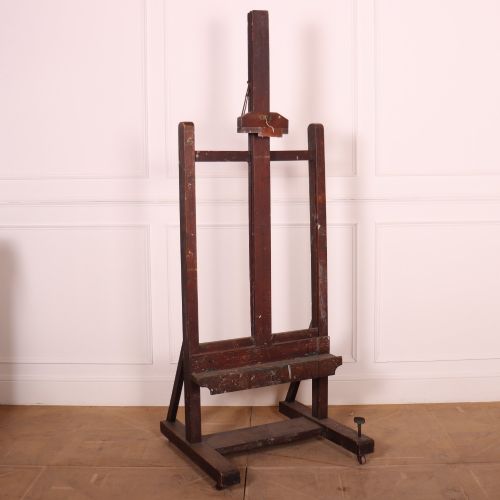
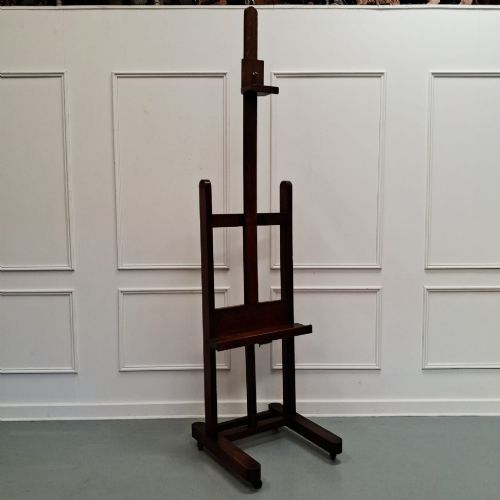
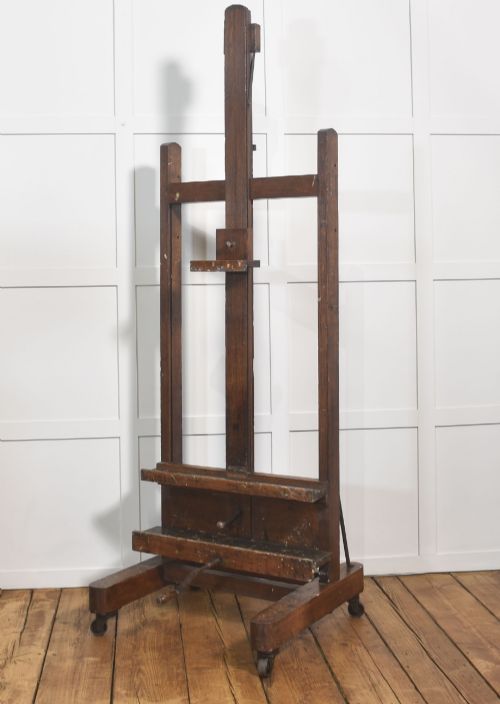
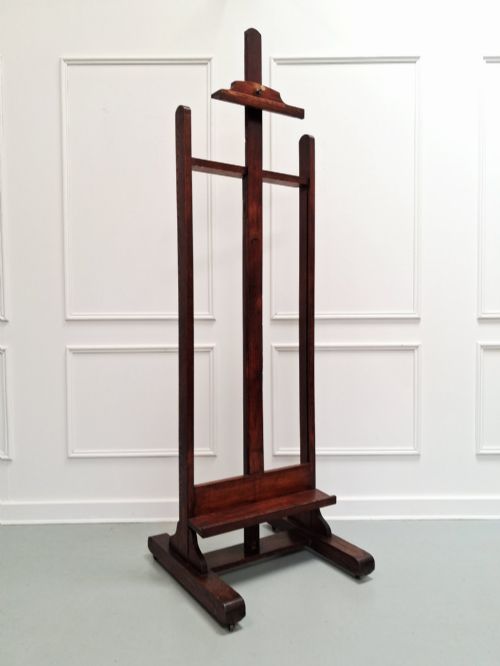
When you search for a vintage artist easel, you encounter a robust selection of studio furniture designed primarily for painting and display. The most common versions on this page are substantial nineteenth century oak and mahogany studio examples alongside French oak pieces from the early twentieth century.
The inventory spans several distinct formats beyond the standard studio model, including tabletop variants, folio stands, and double sided gallery designs. Materials range from traditional oak and pitch pine to brass, iron, and ebonised wood, reflecting both domestic display and professional workspace origins.
Origins are diverse, taking in English workshops, French provincial origins, and Italian cabinetwork. Buyers will find that nineteenth century examples frequently incorporate fully adjustable mechanisms, whereas later twentieth century iterations lean towards simpler display functions.
Materials and construction
Construction relies heavily on durable hardwoods like oak and mahogany, selected for their structural integrity and capacity to bear heavy canvases. Metal components in brass and cast iron appear in adjustable racks and winding mechanisms.
Joinery techniques range from traditional cabinet making seen in Regency and Victorian pieces to simpler pegged or screwed joints on utilitarian studio models. Surface treatments vary from polished wood and ebonising to ebony veneer with ivory inlay.
Vintage Artist Easel Retail Price Guide 2026
Typical asking prices for vintage artist easel among the pieces listed under this phrase on Sellingantiques today, from the lower quarter to the upper quarter. They describe what is for sale here now, not the wider market.
The listings span the Regency period through to the 1930s, featuring oak, mahogany, bamboo, and cast iron.
Judging quality and build
Quality rests upon the sophistication of the adjustment mechanisms and the grade of timber employed in the frame. Studio pieces featuring fully operable winding gears and solid brass fittings stand above simpler fixed designs.
The refinement of the woodwork, such as carved details or the use of pitched pine versus dense oak, distinguishes standard utility pieces from high status gallery display models.
Windsor and Newton
The Vintage Artist Easel Glossary
- Studio easel
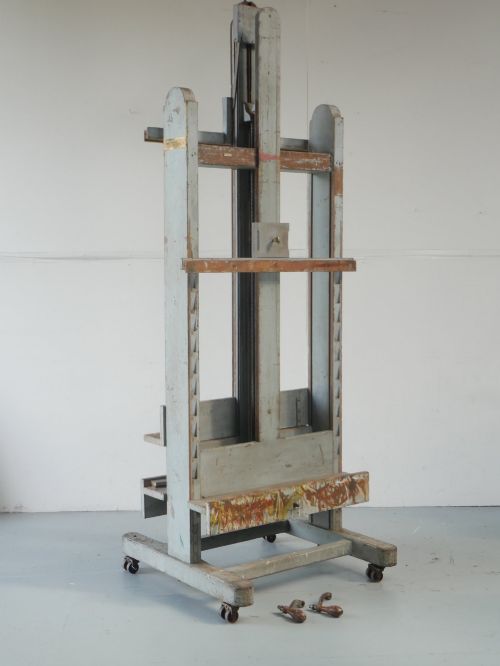
- A large, heavy floor standing easel designed to support canvases for working artists, often fitted with wheels and adjustable winding mechanisms.
- Folio stand
- A low rack designed for storing and displaying large flat works on paper, prints, or architectural drawings.
- Gallery easel
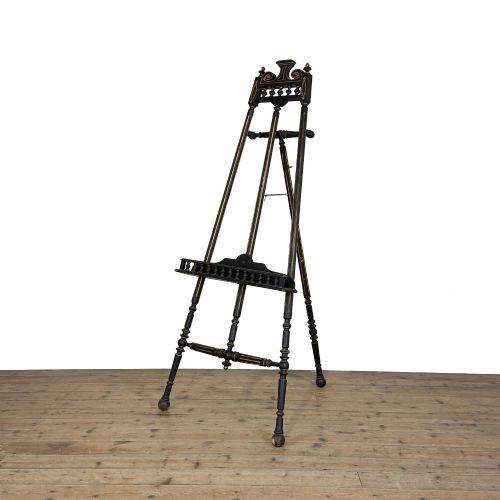
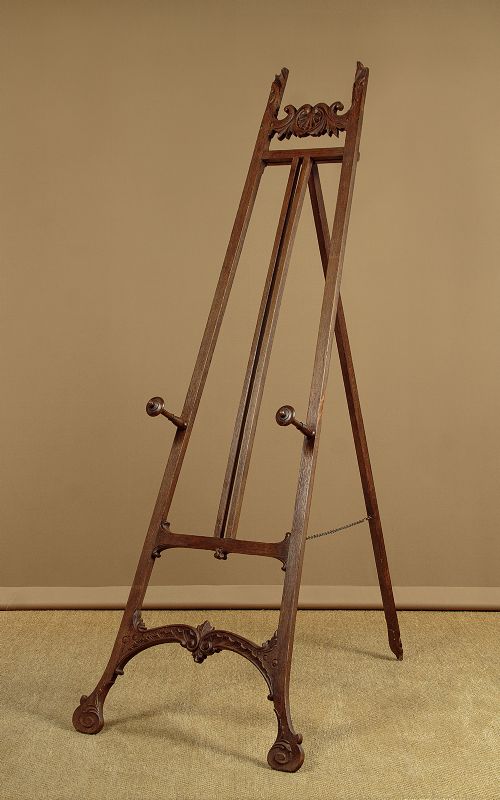
- A display stand intended for finished artworks rather than active painting, frequently incorporating decorative elements like carving or inlay.
- Ebonised wood
- Timber treated with a dark stain or finish to imitate the appearance of ebony, a technique popular during the Victorian and Aesthetic Movement periods.
- Pitch pine
- A resinous softwood utilised for its strength and durability in nineteenth century furniture and studio fittings.
Vintage Artist Easel: Frequently Asked Questions
How do I use a studio easel at home?
These pieces provide a sturdy support for displaying framed paintings, photographs, or mirrors in a domestic setting. Their adjustable height mechanisms allow you to position artworks at eye level.
Floor standing models require adequate clearance space, while tabletop versions sit comfortably on sideboards or desks.
Can these hold heavy oil paintings?
Large nineteenth century studio models are engineered specifically to bear the weight of substantial canvases during the painting process. Their heavy timber frames and supportive bases prevent tipping.
Lighter display pieces or tabletop variants suit smaller boards and framed works rather than massive canvases.
How do I identify a Victorian easel?
Victorian examples often feature dark hardwoods such as mahogany or ebonised wood, sometimes incorporating Aesthetic Movement design motifs. Look for robust construction and nineteenth century brass winding handles.
They frequently display functional wear from active studio use, distinguishing them from later decorative reproductions.
What is the difference between a studio and gallery easel?
Studio easels prioritize mechanical adjustment, mobility with castors, and heavy duty stability for artists at work. They are utilitarian objects built to endure rigorous daily handling.
Gallery easels focus on presentation, featuring decorative carvings, delicate inlays, or fixed platforms intended solely to showcase finished art.