




Victorian Artist Easel
A victorian artist easel is a working studio frame built to hold canvas and board, prized for sturdy adjustability and rich timber character.

Victorian Artist Easel
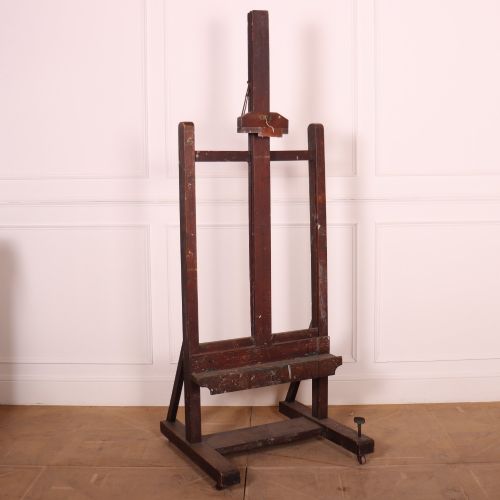
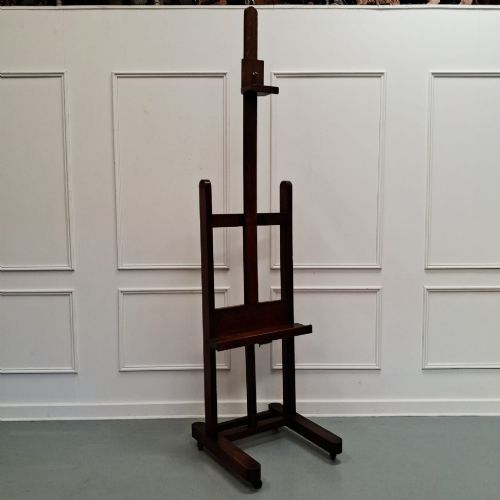
A victorian artist easel is a practical studio timber stand designed to support paintings while in progress or on display. Buyers examining this selection encounter substantial floor standing studio models alongside lighter display pieces.
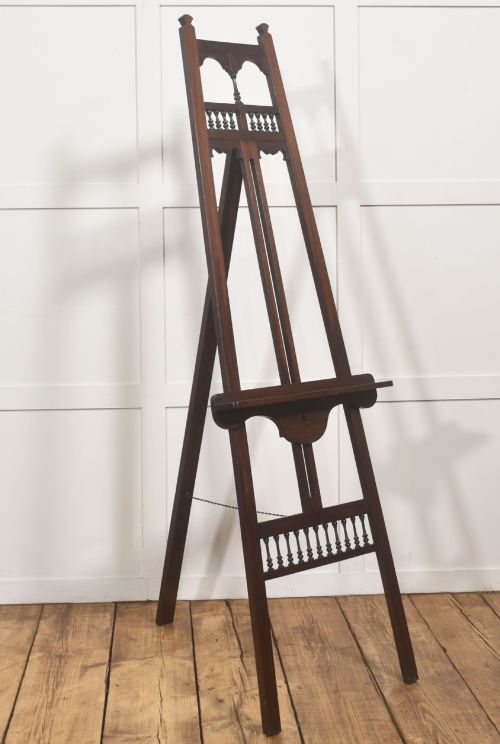
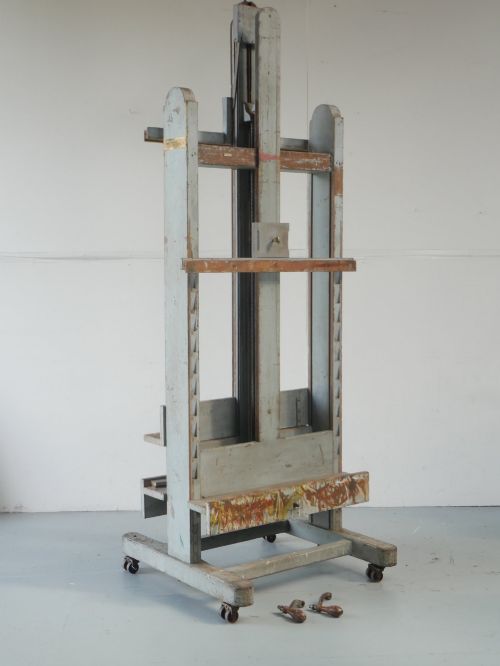
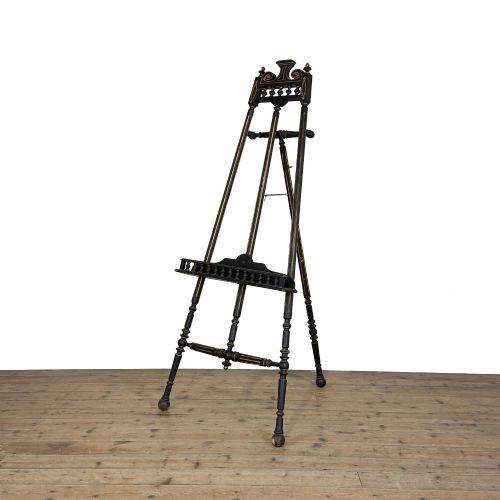
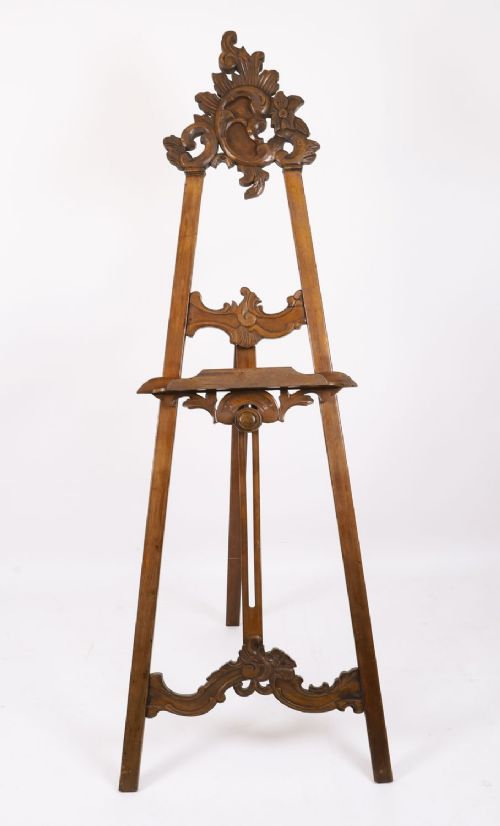
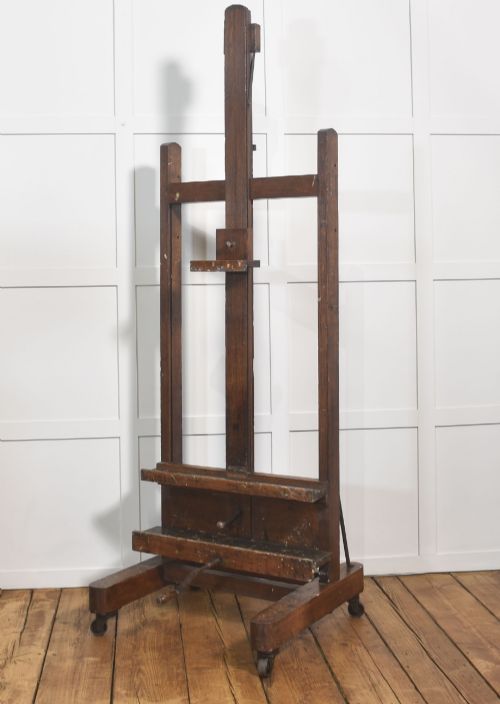
The objects span large timber frames with winding mechanisms and folding bamboo or ebonised decorative stands. Mahogany, oak, and pitch pine dominate the heavy studio pieces found here.
Makers produced everything from massive professional studio frames down to bamboo display stands for domestic rooms. The selection reflects both hardworking studio equipment and refined Victorian furniture.
Materials and construction
Cabinet makers built these pieces using dense hardwoods such as mahogany, oak, and pitch pine to withstand heavy studio use. Brass winding handles, metal ratchets, and cast iron fittings provided the necessary mechanical adjustments.
Selected examples display ebonised wood finishes, gold leaf highlights, or intricate ivory inlay work. Bamboo construction appears on lighter decorative stands intended for domestic display rather than heavy painting.
Victorian Artist Easel Retail Price Guide 2026
Typical asking prices for victorian artist easel among the pieces listed under this phrase on Sellingantiques today, from the lower quarter to the upper quarter. They describe what is for sale here now, not the wider market.
Assessing quality
The standard of an easel rests upon the smoothness of its mechanical adjustment and the integrity of its timber frame. Heavy studio models rely on robust brass cogs and solid winding mechanisms that indicate professional workshop origin.
Simpler display stands depend on joinery quality and surface finish rather than complex metalwork. Maker signatures stamped into the timber elevate certain pieces from utilitarian tools to documented workshop productions.
Windsor and Newton·REEVES and Sons·Newman
The Victorian Artist Easel Glossary
- Studio easel
- A large, heavy floor standing frame built with mechanical winding gear to raise and lower heavy canvases. These pieces form the backbone of professional nineteenth century workspaces.
- Pitch pine
- A resinous North American softwood utilised for large framing because of its strength and durability. It provides robust support for oversized studio easels.
- Ebonised wood
- Timber treated with a dark stain or finish to imitate expensive ebony. This technique gained popularity during the nineteenth century for decorative furniture.
- Ratchet mechanism
- A notched metal bar and catch used to adjust the height of the canvas shelf. It allows precise positioning of the painting.
Victorian Artist Easel: Frequently Asked Questions
How do I adjust a studio easel?
Most large studio models utilise a combination of brass winding handles and metal ratchet bars to move the central shelf up and down. Turning the handle rotates internal cords or screws to alter the height smoothly.
Heavier frames require steadying while adjustments are made to ensure the canvas remains secure. The mechanical fittings must be kept clean and lightly lubricated to operate correctly.
Were these easels used for painting or display?
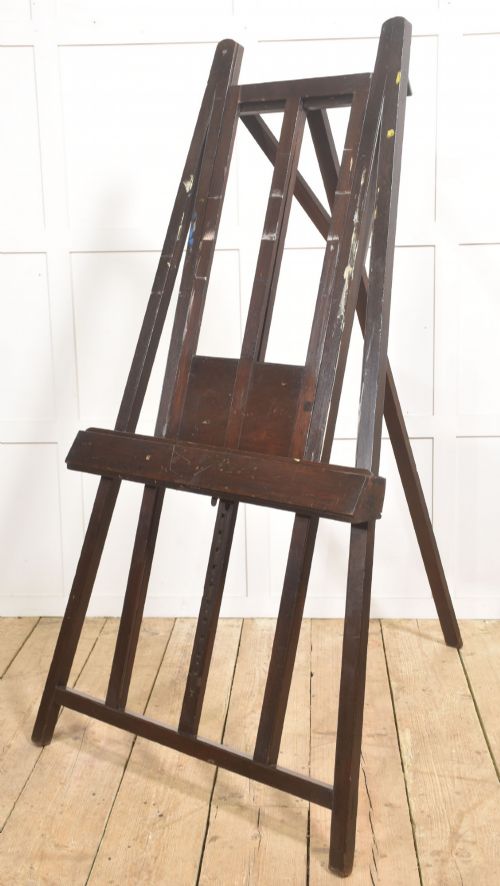
Professional studio models were built entirely for daily painting work, featuring robust softwood or hardwood frames and heavy bases. Lighter bamboo or ebonised pieces served as decorative stands for finished pictures in Victorian homes.
Examining the paint splatters and wear on the timber often reveals the true working history of an individual piece. Display stands generally lack the deep paint accumulation found on active studio equipment.
What woods were commonly used?
Mahogany and oak appear frequently in sturdy nineteenth century studio equipment. Pitch pine was also selected for exceptionally large floor standing frames due to its structural strength.
Lighter domestic stands often employ bamboo or walnut with decorative veneers. Brass and cast iron components were added to all timber types for mechanical strength.
Can I use an antique easel today?
These frames remain fully functional for supporting modern canvases and boards in a studio or home. The adjustable shelves accommodate various artwork sizes securely.
Care should be taken not to overload fragile bamboo or decorative display stands with overly heavy modern frames. Standard studio models handle normal working pressures easily.