




Artist Studio Easel
An artist studio easel provides a sturdy, practical framework for holding large canvases while painters work.

Artist Studio Easel
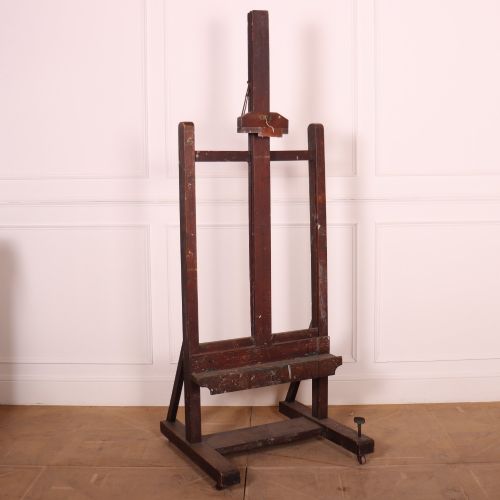
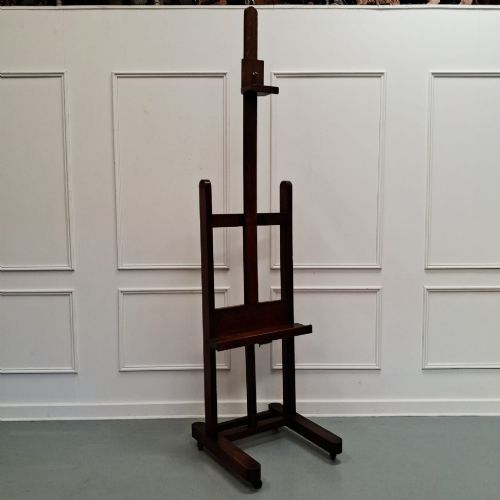
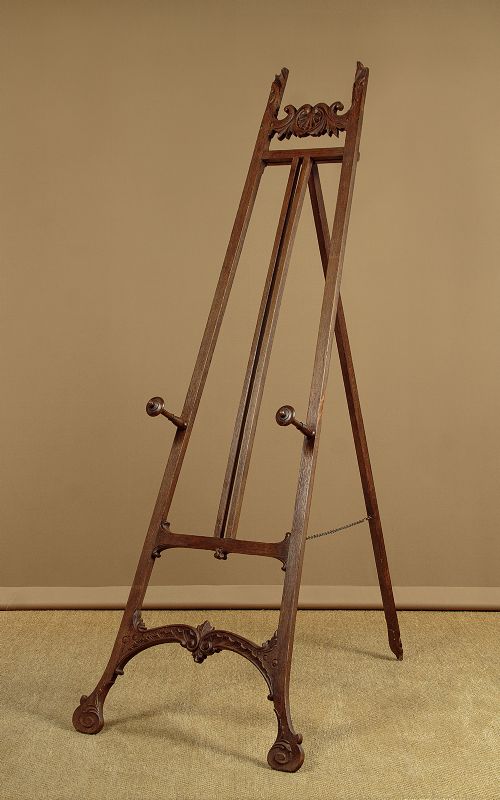
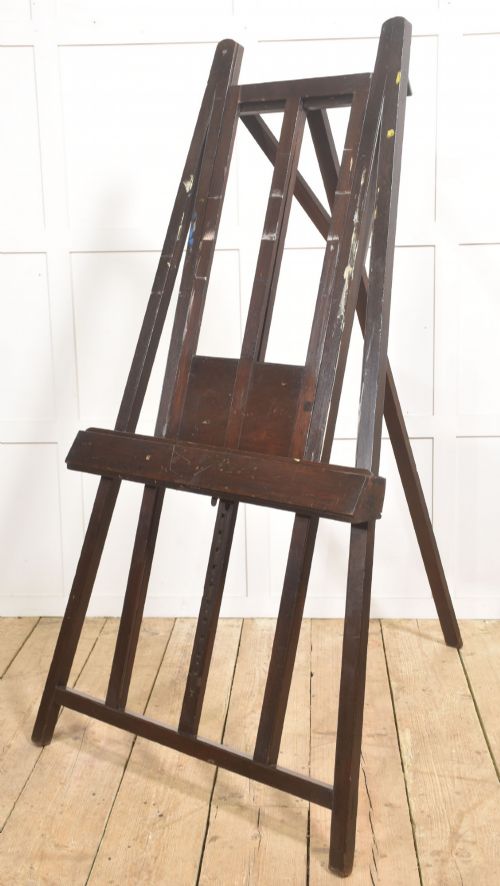
An artist studio easel is a robust wooden frame designed to support canvases securely in a working workspace. These pieces emerge from the nineteenth and twentieth centuries, reflecting the practical needs of painters in various domestic and professional environments.
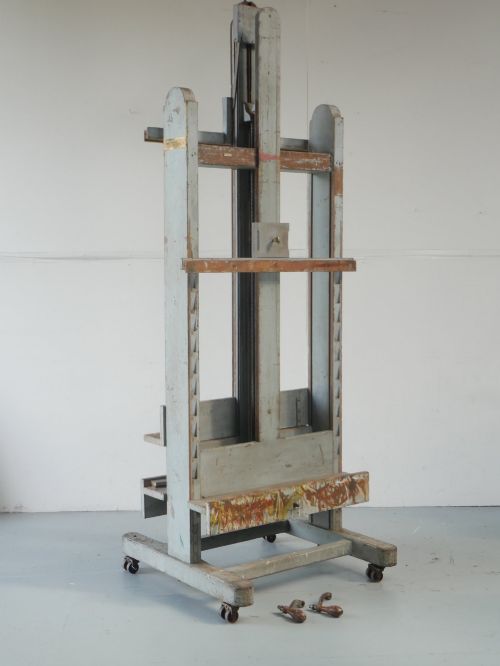
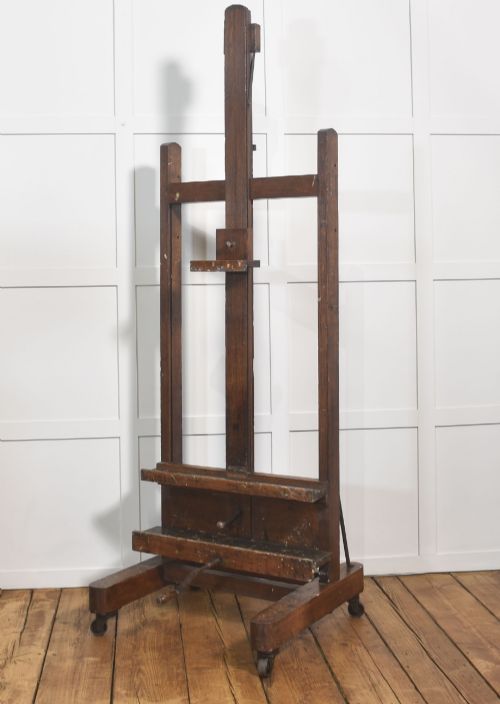
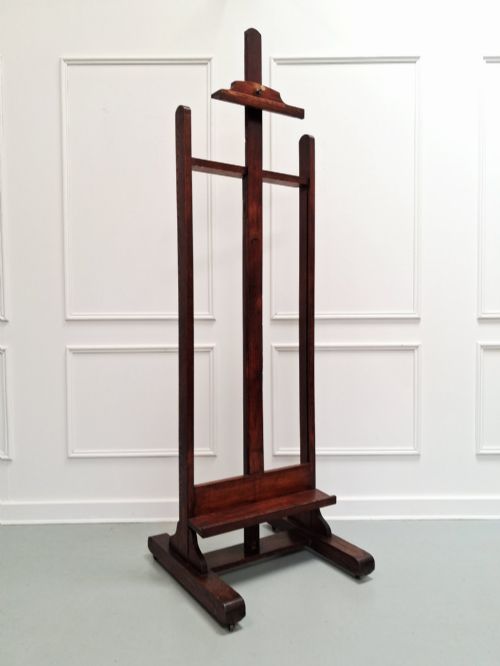
The most common examples on this page are large floor-standing models made from oak, often equipped with fully adjustable mechanisms. Smaller tabletop variations also appear alongside display versions designed to hold completed works rather than active paintings.
Materials and construction
Hardwoods form the primary structure of these frames, with oak and mahogany appearing frequently across the selection. Pine and pitch pine also serve as structural timbers, particularly in simpler or later examples.
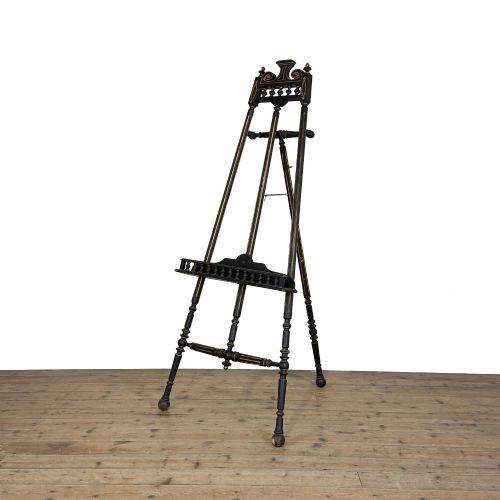
Metal components, including brass and cast iron, provide the mechanical adjustments required to raise and tilt heavy canvases. Ebonised wood and gold leaf surface treatments occasionally appear on pieces styled for display rather than heavy studio labour.
Artist Studio Easel Retail Price Guide 2026
Typical asking prices for artist studio easel among the pieces listed under this phrase on Sellingantiques today, from the lower quarter to the upper quarter. They describe what is for sale here now, not the wider market.
At least one nineteenth-century studio frame arrives equipped with an unexpected swan design.
Assessing build quality
The sophistication of the mechanical adjustment system largely determines the grade of an easel. Floor-standing examples with smooth winding mechanisms or reliable ratchets represent more accomplished manufacturing than static variants.
Timber selection and joinery execution also separate standard examples from finer commissions. Heavier gauge hardwoods and robust bracing indicate a workshop intended for serious professional output.
Windsor and Newton·C Roberson And Co London·Reeves And Sons London
The Artist Studio Easel Glossary
- Adjustable easel
- A stand fitted with winding mechanisms, pegs, or ratchets to alter the height and angle of the working canvas. These allowed painters to manage different canvas sizes comfortably.
- Gallery easel
- A double-sided or heavy-duty display stand intended for exhibiting finished paintings to patrons. They often possess wider bases and more decorative framing.
- Ebonised wood
- Timber treated with chemical stains or dark finishes to imitate costly ebony. This treatment suited aesthetic movement and late Victorian display pieces.
- Tabletop easel
- A compact stand designed for resting on a desk or table while supporting smaller works. These share the mechanical adjustments of their larger floor-standing counterparts.
Artist Studio Easel: Frequently Asked Questions
How do I adjust the height?
Most floor-standing examples utilise a system of wooden pegs, metal ratchets, or winding handles connected to a central carriage. Turning the handle or shifting the peg allows the internal mast to slide vertically.
Heavier models require two hands to balance the weight of the canvas tray while operating the locking mechanism. Ensuring the teeth engage properly keeps the painting secure at the chosen height.
Can I use these for modern painting?
These historical stands were built to hold traditional stretched canvases of considerable weight and size. Their robust wooden frames and adjustable trays accommodate modern stretched frames without difficulty.
Many examples offer tilting functions that help control glare on wet oil or acrylic surfaces. Checking the maximum extension ensures your specific canvas fits the vertical span.
How do I date an easel?
Dating relies on timber choices, turning styles on the legs, and the complexity of the hardware. Nineteenth-century examples frequently employ heavy oak with hand-cut threads and cast iron brackets.
Later Edwardian and twentieth-century versions often feature simpler brass fittings and standardised fixings. Maker stamps on the timber base provide the most definitive chronological marker.
Are they suitable for displaying art?
Many sturdy floor-standing models function exceptionally well as display stands for framed pictures. Double-sided variants allow two works to be shown simultaneously in an open room.
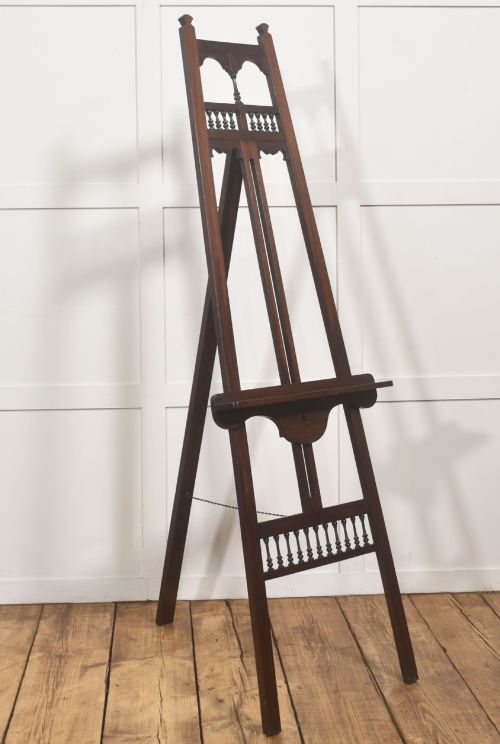
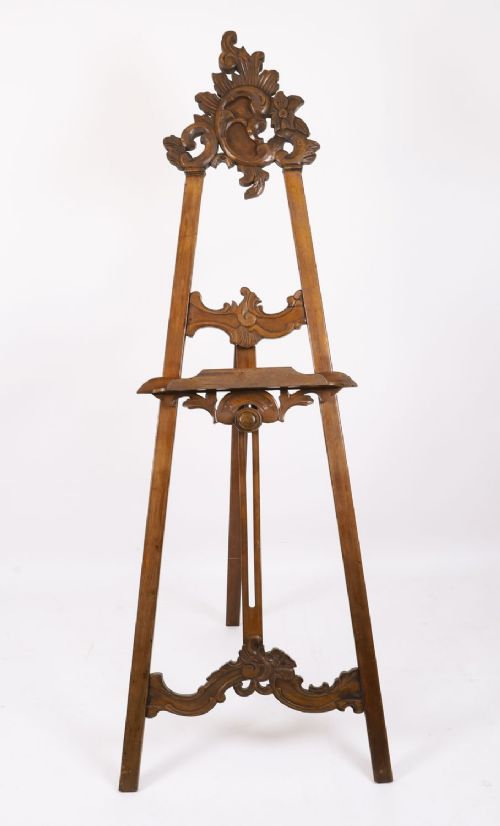
Lighter display easels with decorative carving serve domestic interiors where active painting is not required. Their adjustable ledges securely hold framed artwork at eye level.