
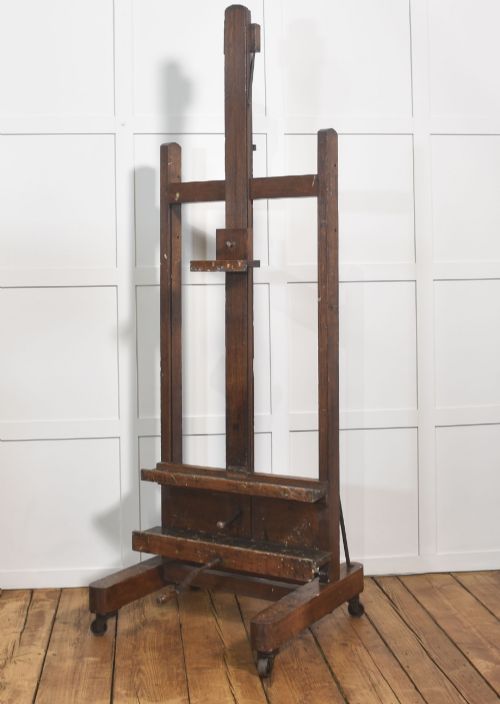
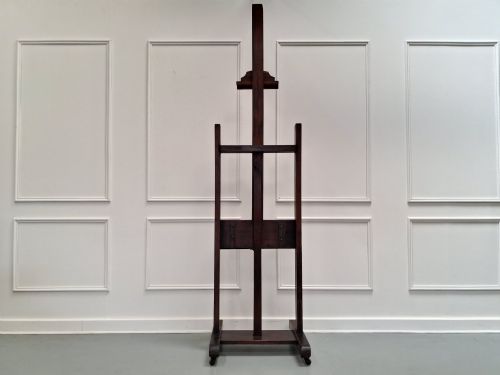
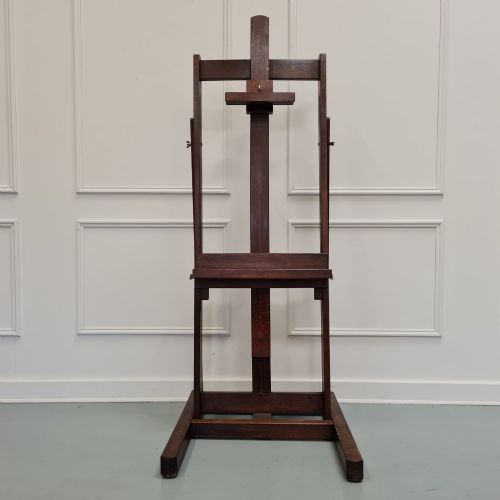
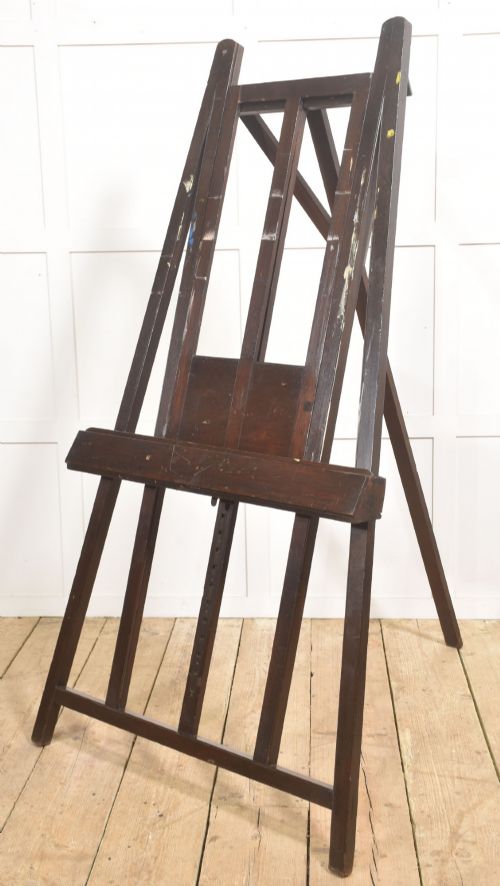
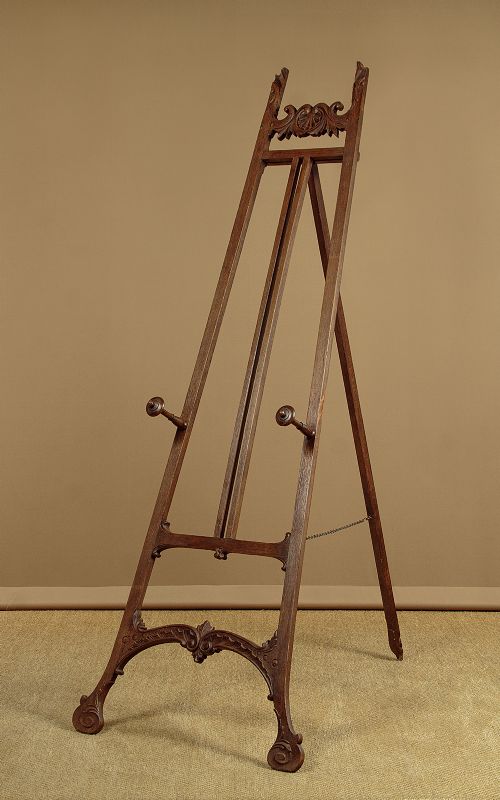


Antique Floor Easel
An antique floor easel supports a canvas in the studio or displays a picture in the parlour.
Antique Floor Easel
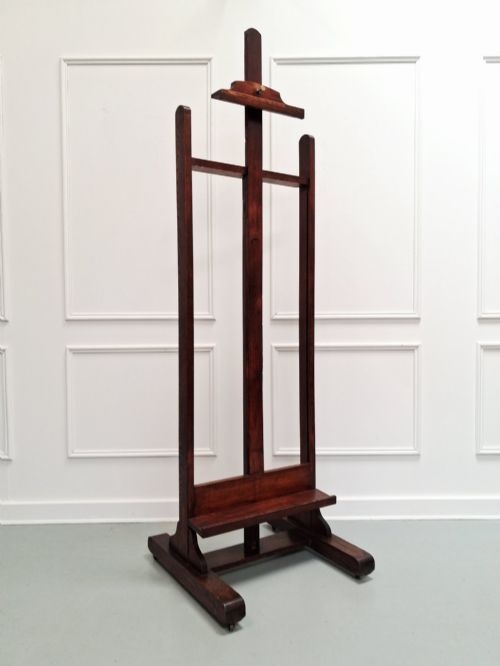
Buyers searching for an antique floor easel most commonly encounter nineteenth century oak and mahogany examples. Many of these survive from the Victorian era and the early twentieth century, reflecting both the practical needs of painters and the interior taste of the period.
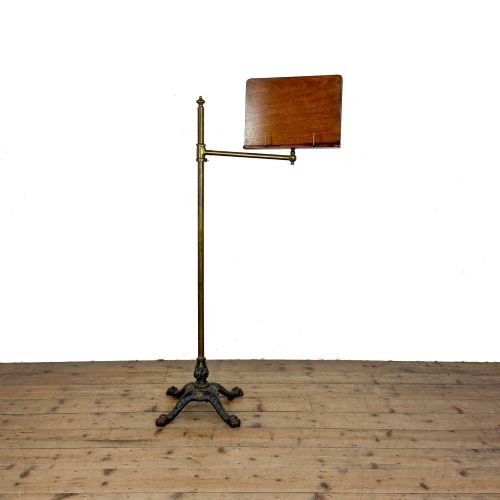
The selection includes studio models with adjustable mechanisms alongside domestic variants configured as music stands, reading stands, and gallery display pieces. Oak remains the predominant timber, though mahogany, ebonised wood, brass, and cast iron also appear across the range.
How they were made
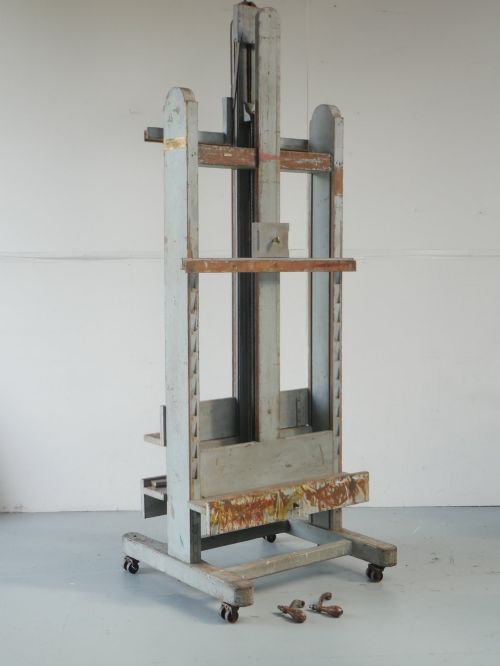
Cabinet makers constructed these easels using sturdy timbers such as oak, mahogany, and pitch pine, often joining them with traditional techniques to withstand the weight of heavy canvases and books. Movable studio models incorporate functional metal hardware, including brass winding mechanisms and iron adjustments to alter the height and angle of the work.
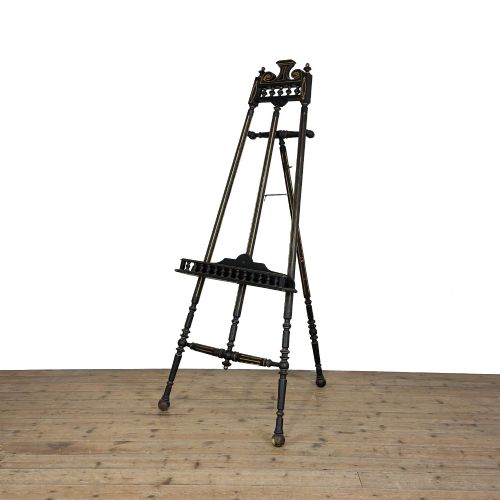
Decorative variations utilise surface treatments like ebonising, gold leaf, and delicate carved details, particularly within Victorian and Aesthetic Movement pieces. More elaborate examples feature specific embellishments, such as carved animal motifs or inlaid materials, marking them out as formal furniture rather than simple workshop tools.
What varies in quality
The quality of an antique floor easel largely depends on the integrity of its adjusting mechanisms and the robustness of its timber frame. Fully adjustable studio models that retain their original brass winding handles and smooth sliding brackets stand apart from simpler or modified pieces.
Subtlety of carving and the choice of secondary materials also divide standard utility stands from finer examples. Pieces utilising richly grained oak, mahogany, or ebonised wood with refined decorative carving demonstrate a higher tier of craftsmanship.
The Antique Floor Easel Glossary
- Aesthetic Movement
- A nineteenth century design style that emphasised visual beauty over narrative subject matter, often seen in ebonised finishes.
- Gallery Easel
- A double sided display stand designed to exhibit multiple artworks simultaneously in a shared space.
- Studio Easel
- A heavy floor standing timber frame built for working artists, typically equipped with winding mechanisms for height adjustment.
- Pitch Pine
- A durable softwood utilised in French easel construction around nineteen hundred, known for its prominent grain.
- Ebonised Wood
- Timber treated to imitate ebony, commonly used in Victorian furniture and decorative stands.
Antique Floor Easel: Frequently Asked Questions
How do I adjust the height?
Most traditional studio models use a winding handle connected to a cord or rack system to raise and lower the central shelf. Lighter domestic display stands often rely on peg supports or sliding brass brackets.
Working the mechanism gently reveals whether the original internal components remain intact and functional.
Can these hold heavy modern canvases?
Nineteenth century studio easels were specifically built to bear the weight of large, heavy oil paintings and thick stretchers. They offer substantial stability compared to modern equivalents.
Domestic display versions, however, are better suited to lighter frames and decorative items.
Where should I place an easel at home?
A floor easel functions effectively as a focal point in a living room or study to display a favourite painting, print, or mirror. Gallery models suit open spaces where they can be viewed from multiple angles.
Positioning the stand away from direct heat sources protects the timber and any glued joints.
How do I identify a studio easel from a display easel?
Studio easels are generally larger, heavier, and constructed with utilitarian adjustments designed for daily painting work. Display easels tend to feature more decorative carving, lighter frames, and fixed display ledges.
Combinations such as music stands and reading desks serve entirely different domestic functions.