



19th Century Easel
A 19th century easel offers a sturdy and decorative support for display, holding paintings, mirrors, and photographs with period character.
19th Century Easel
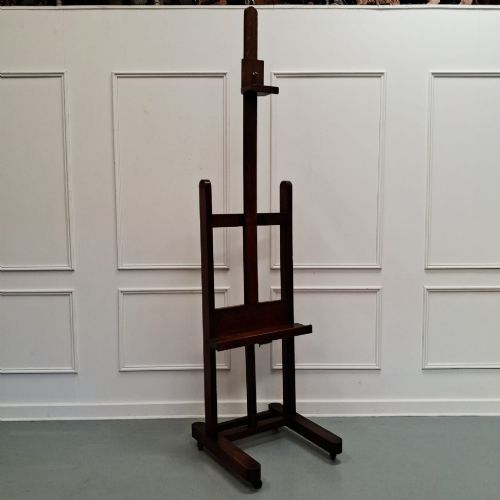
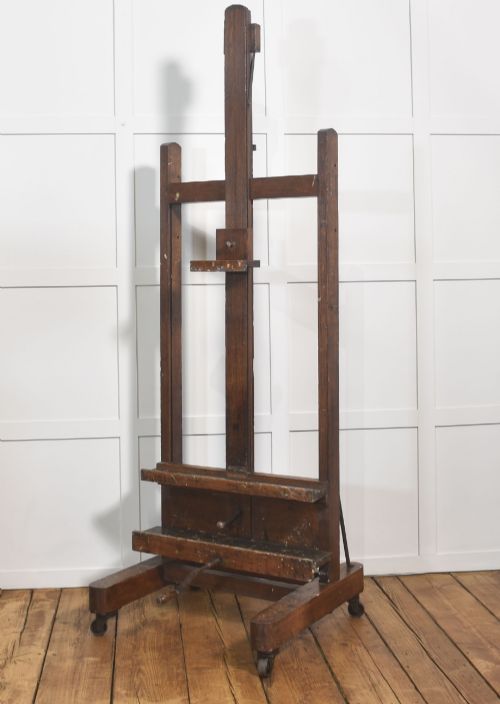
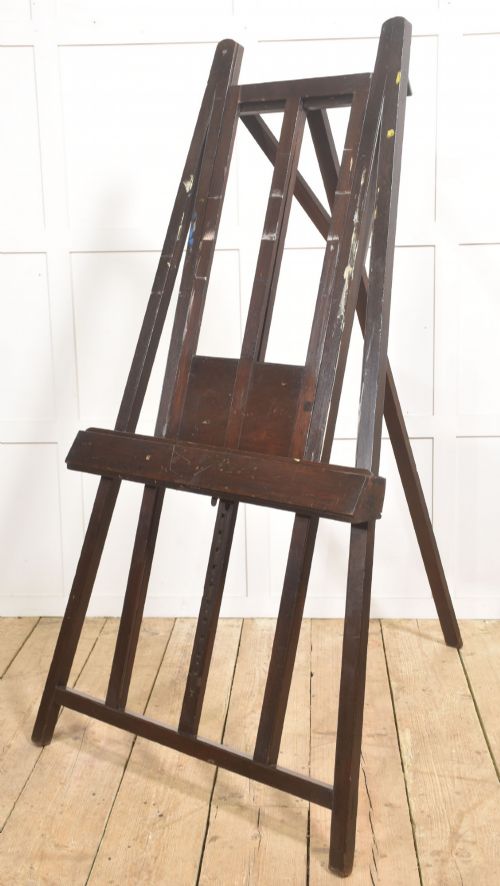
A 19th century easel encompasses large studio and gallery pieces designed to hold canvases while artists worked, alongside smaller tabletop display stands and easel-backed frames. The most common large versions met in these listings are constructed from oak with fully adjustable mechanisms for height and angle.
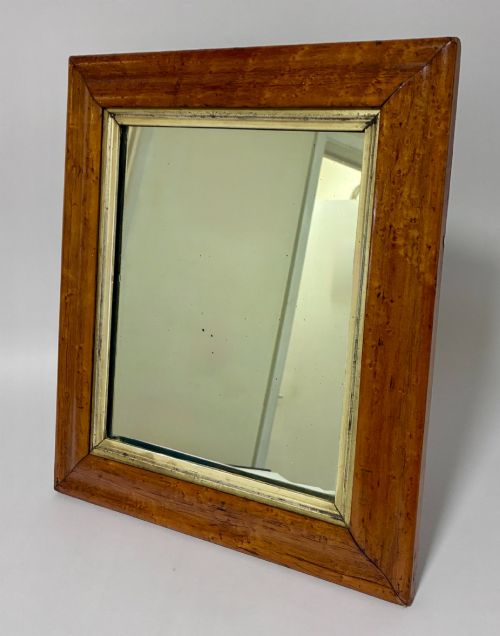
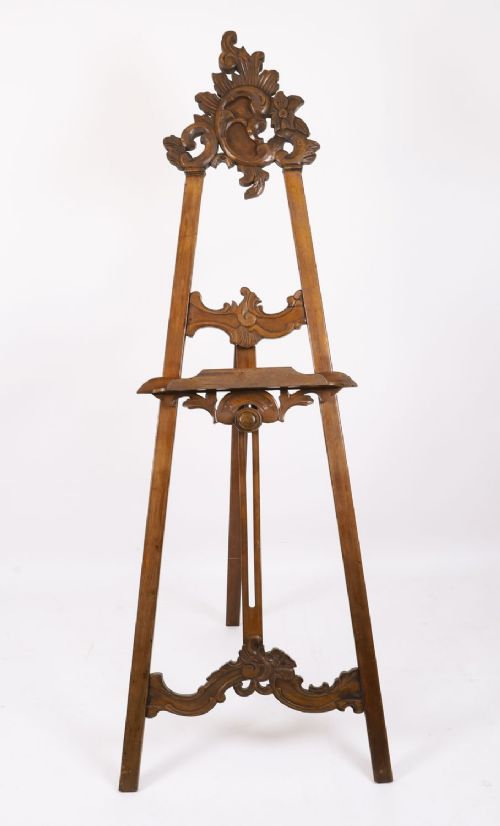
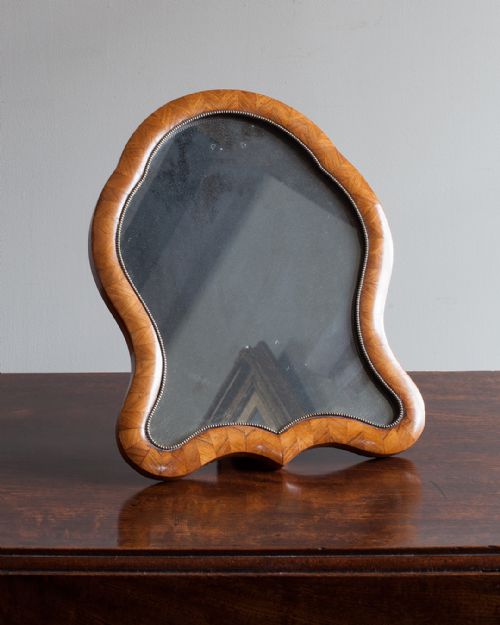
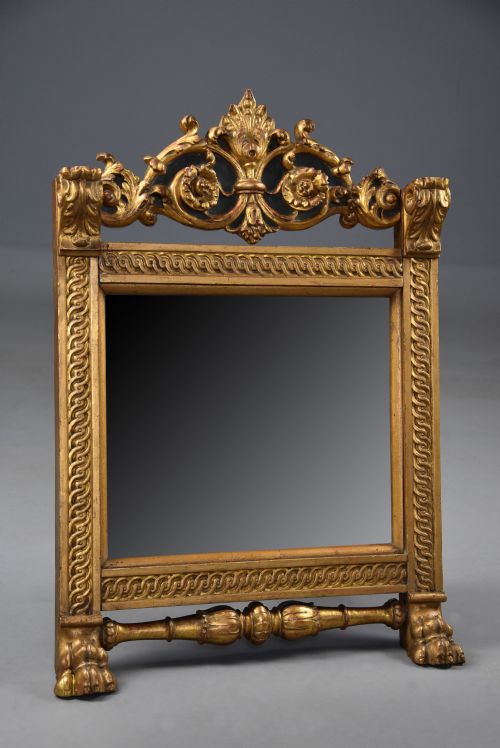
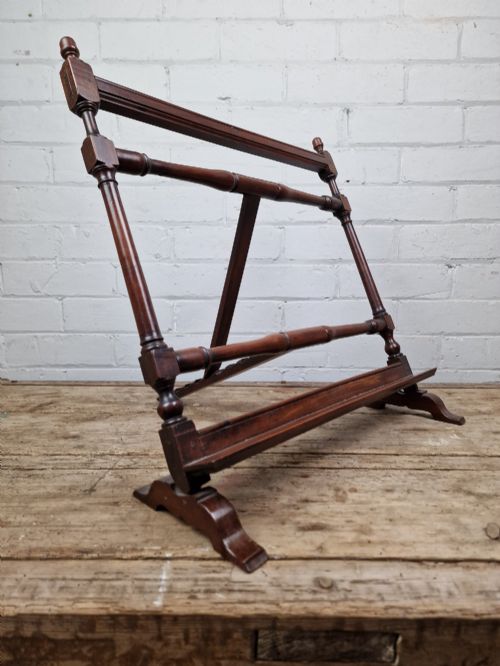
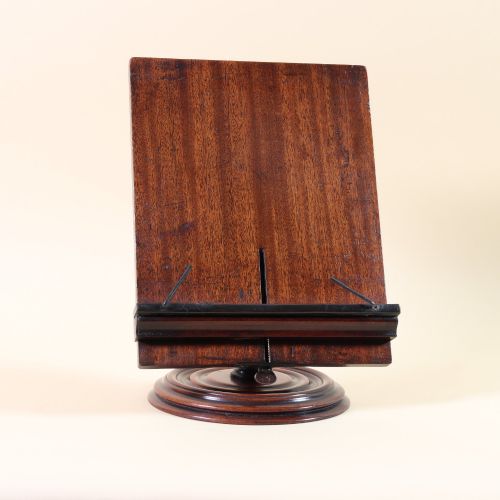
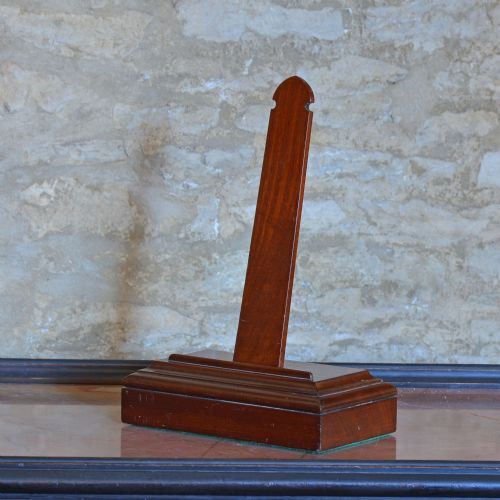
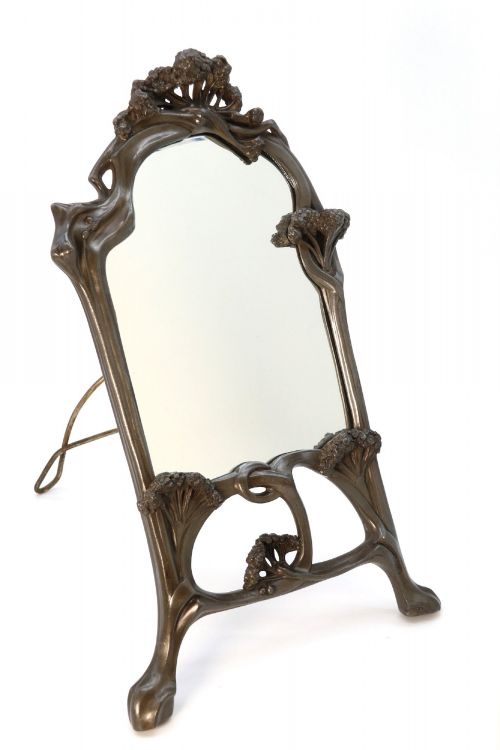
Beyond standard working studio models, the category spans folding variants, double-sided gallery boards, and intricate carved pieces in walnut or mahogany. Tabletop adaptations often combine the easel function with mirrors, photo frames, or book rests, showing diverse uses across domestic and studio settings.
Origins stretch from English workshops to French ateliers, incorporating regional woods like Scottish oak or Indian teak alongside European styling. Buyers encounter both functional utilitarian studio tools and highly decorative display pieces intended for parlour or drawing room exhibition.
How they were made
Makers utilised dense timbers such as oak, mahogany, walnut, and lime wood for the primary structures, employing traditional joinery and carved ornamentation. Studio models relied on robust metal winding gear, pegs, and ratchets to manage heavy canvases and allow full adjustment.
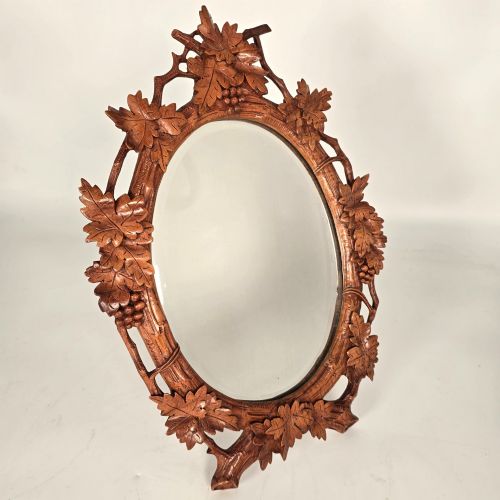
Decorative tabletop items combined cast metals, brass, ormolu, and gilt bronze with delicate insets of champlevé enamel, micromosaic, agate, or glass. Carved highlights ranged from Black Forest foliage and Gothic motifs to French Rococo curves and Renaissance revival details.
19th Century Easel Retail Price Guide 2026
Typical asking prices for 19th century easel among the pieces listed under this phrase on Sellingantiques today, from the lower quarter to the upper quarter. They describe what is for sale here now, not the wider market.
Several heavy oak frames hide castors beneath their feet so artists could chase the shifting studio sunlight.
What varies in quality
Quality rests upon the integrity of the mechanical adjustments and the weight of the timber used in the main frame. Studio pieces with original, smoothly functioning brass ratchets and heavy oak or mahogany uprights represent superior construction.
On decorative tabletop examples, the refinement of the cast bronze, the tightness of the micromosaic or champlevé inlay, and the depth of hand-carving define the upper tier. Simpler domestic folding stands utilise lighter woods and basic hinges without intricate decorative metalwork.
Louis Auguste Moreau·Roberson and Co·G Gent of Bayswater·G Roccheggiani Rome·Vokins
The 19th Century Easel Glossary
- Studio easel
- A large, heavy standing frame designed for an artist's workspace, typically fitted with winding mechanisms and castors. These items support working canvases of substantial size.
- Champlevé
- An enamelling technique where depressions are carved into a metal surface and filled with vitreous enamel before firing. It appears frequently on decorative frames and tabletop mirrors.
- Ormolu
- Gilt bronze mounted onto furniture, frames, or mirrors, providing a bright golden finish through mercury gilding or modern electroplating. This technique defines many French decorative pieces.
- Micromosaic
- An assemblage of tiny coloured glass tesserae forming detailed pictorial scenes, commonly inset into metal frames and easel backs originating from Rome.
- Gallery easel
- A display stand utilised for exhibiting finished paintings to prospective buyers rather than supporting an artist during creation. These often feature double-sided boards.
19th Century Easel: Frequently Asked Questions
How do I adjust a studio easel?
Most large studio examples use a system of wooden pegs, sliding brackets, and metal winding handles to alter the height of the central shelf. Turning the handle moves the lower canvas support up or down along the vertical channel.
Ensure the locking screws or pegs are fully engaged to secure heavy frames in place before letting go of the adjustment mechanism.
Were these used for painting or display?
Workshop models served artists for daily painting and drawing, built with sturdy timbers and adjustable frames to bear heavy pressure. Other variations were created specifically for exhibition in galleries or domestic parlours.
Tabletop variants and easel frames functioned primarily to exhibit photographs, mirrors, or small artworks on desks and mantelpieces.
How do I clean an oak studio easel?
Dust the timber surfaces regularly with a soft, dry cloth to prevent the accumulation of dirt in the carved or turned details. Avoid harsh chemical cleaners or excess water which can damage the aged patina of the wood.
Apply a traditional beeswax polish sparingly to maintain the natural lustre of the oak or mahogany over time.