

Antique Display Easel
An antique display easel holds photographs, plates, and works of art with the utility and presence expected of period craftsmanship.

Antique Display Easel
An antique display easel bridges the gap between functional studio equipment and decorative furniture. When you search for an antique display easel, you encounter items ranging from small tabletop stands to large floor-standing studio pieces.
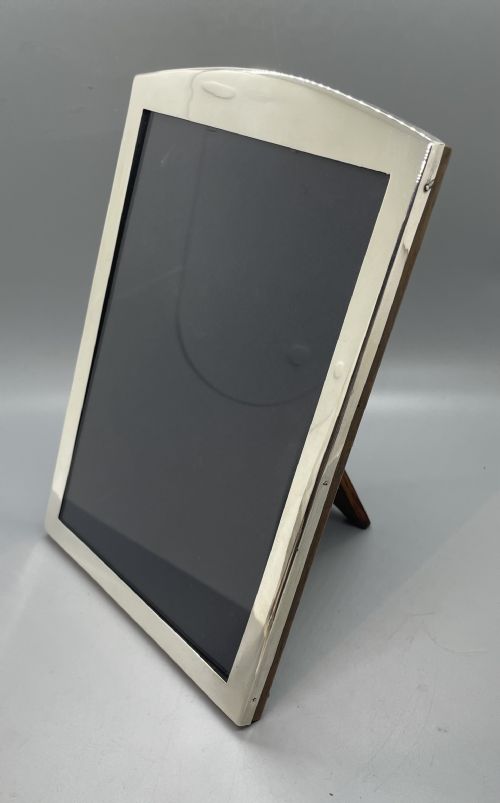
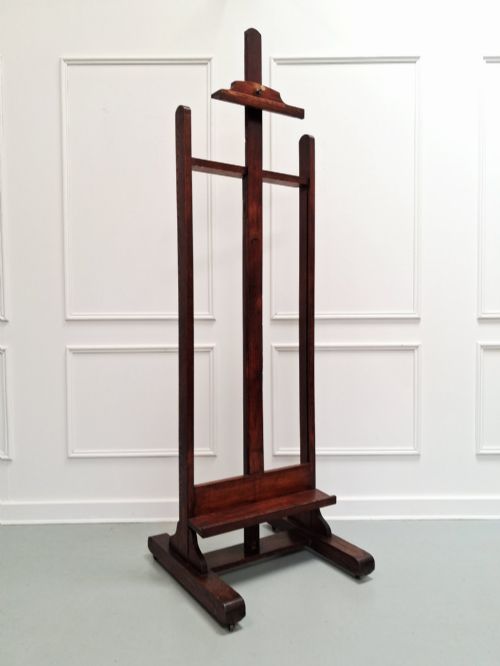
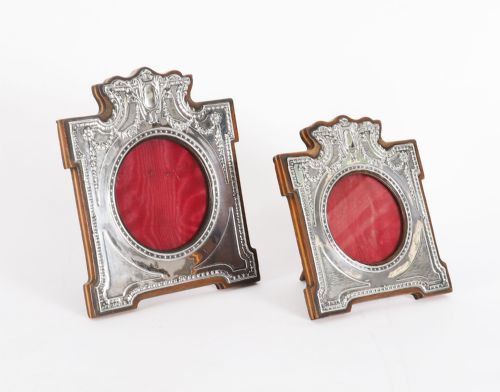
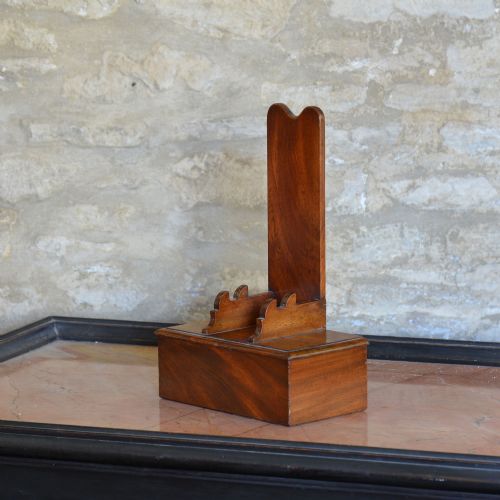
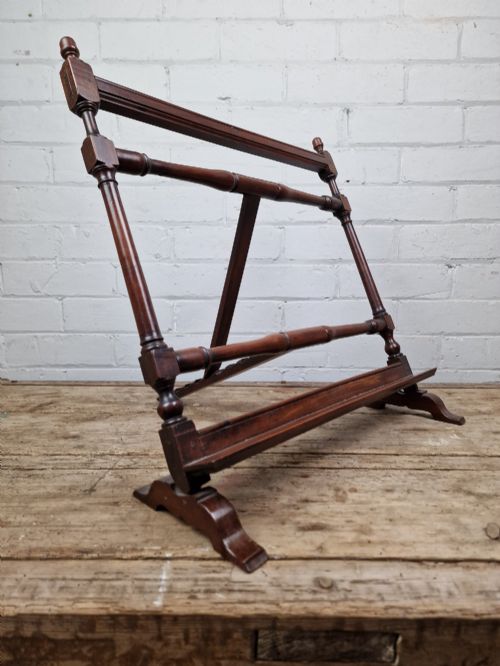
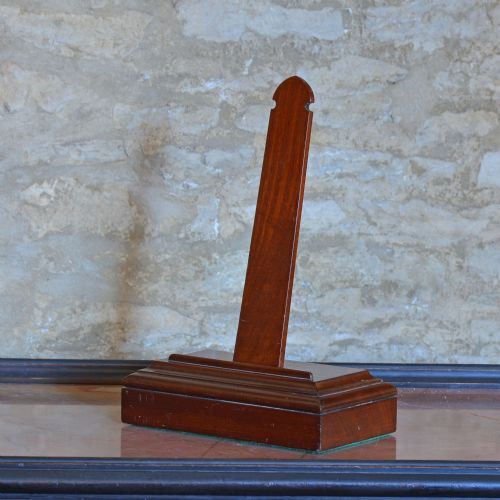
The selections span the nineteenth and early twentieth centuries, including Victorian, Edwardian, and later periods. Forms include miniature tabletop frames, adjustable studio models, and specialised stands for plates and folios.
Materials and construction methods
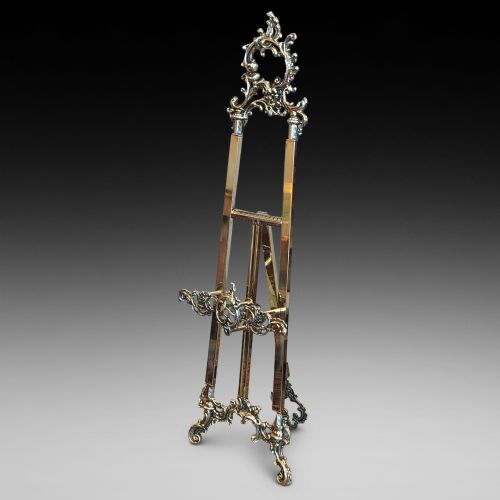
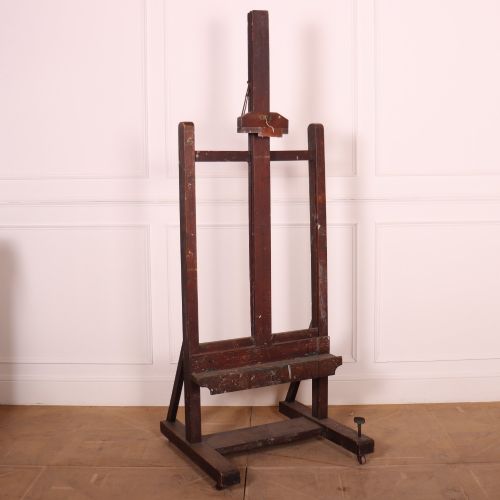
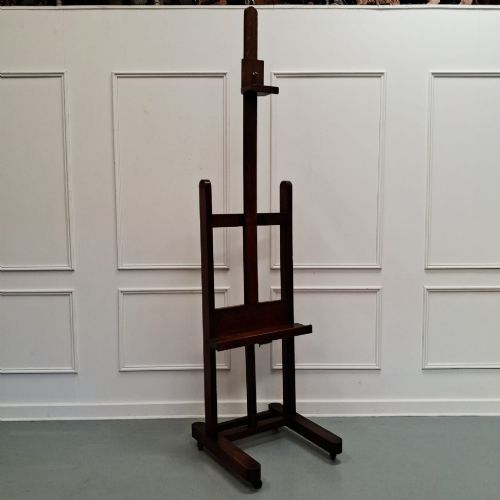
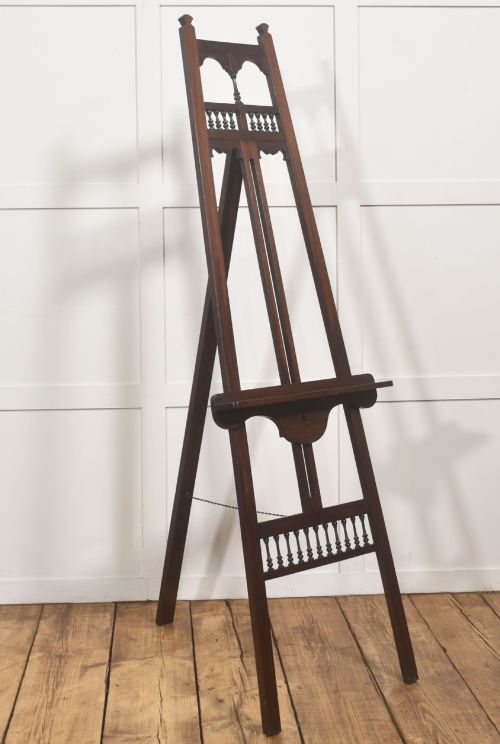
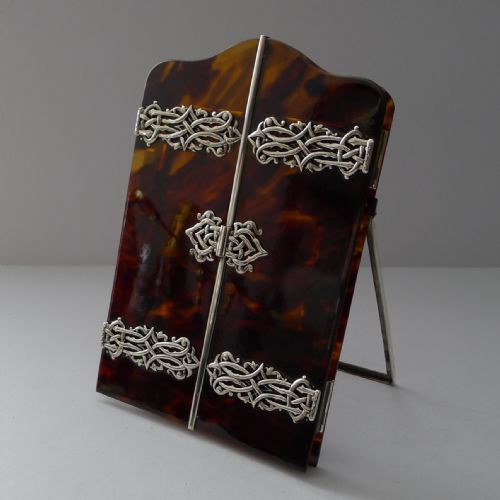
Cabinetmakers utilised hardwoods such as mahogany, oak, walnut, and pitch pine to build sturdy frames capable of supporting substantial weight. Metal elements also appear, including brass, ormolu, and sterling silver mounts.
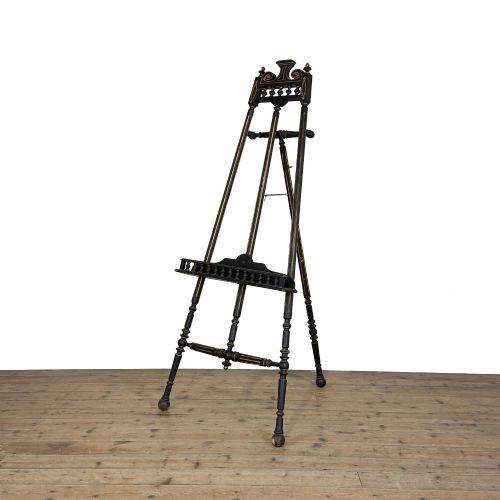
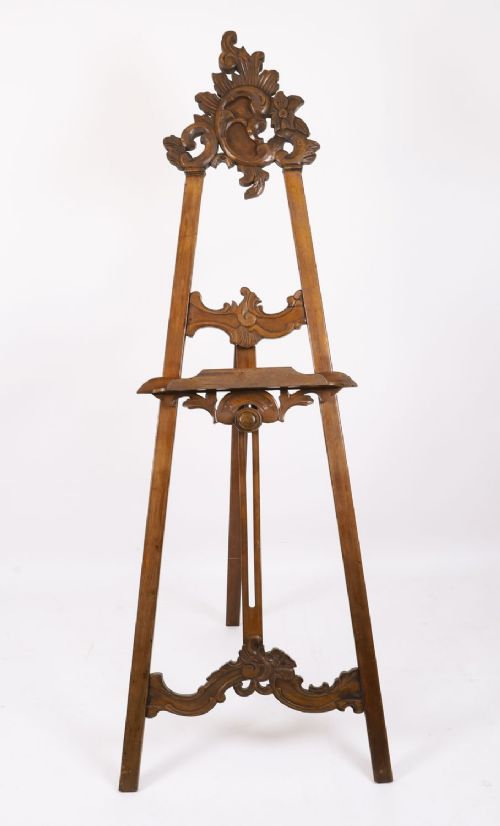
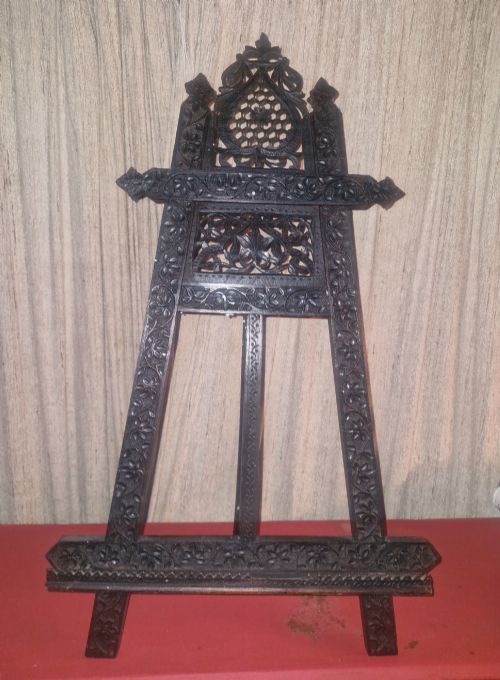
Surface treatments range from ebonised finishes and gilt bronze to carved wooden detailing and inlaid ivory. Backings often utilise leather or velvet to protect the surfaces resting against the stand.
Antique Display Easel Retail Price Guide 2026
Typical asking prices for display easel among the pieces listed under this phrase on Sellingantiques today, from the lower quarter to the upper quarter. They describe what is for sale here now, not the wider market.
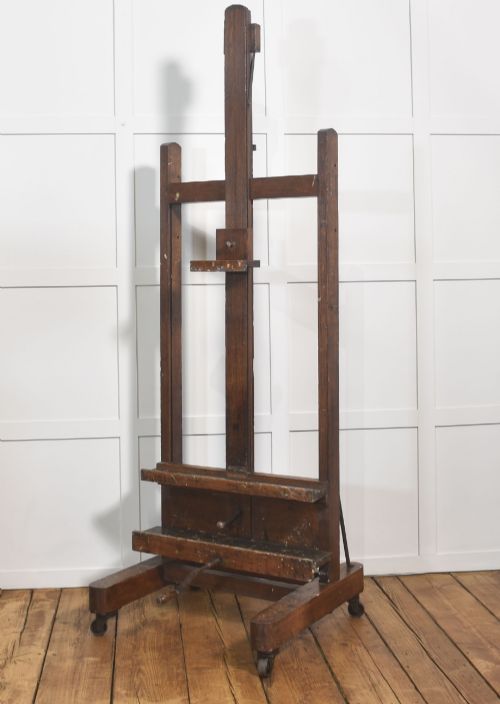
Certain large frames hide clever mechanical gears that let an artist tilt a canvas with a flick of the wrist.
Evaluating craftsmanship and condition
The standard of carving and the selection of timber dictate the distinction between basic utility pieces and high-end examples. Superior models feature fully adjustable mechanisms, balanced proportions, and integrated decorative elements like swan designs or intricate moulding.
Original hardware, sound joints, and intact backing materials preserve the integrity of the piece. Lesser examples display replacement fittings or simplified construction lacking the refinement of period workshop standards.
Mappin Bros·Windsor and Newton·Benjamin Taylor and Sons·James Shoolbred and Co
The Antique Display Easel Glossary
- Folio stand
- A piece of furniture designed to hold large books, prints, or architectural drawings securely. These stands often feature folding frames and supporting ledges.
- Ebonised
- Wood treated with a dark finish to imitate expensive ebony. This technique gained popularity during the Victorian and Aesthetic Movement periods.
- Ormolu
- Gilded bronze ornamentation applied to furniture and picture frames. The technique creates a bright, metallic finish associated with French decorative arts.
- Gallery easel
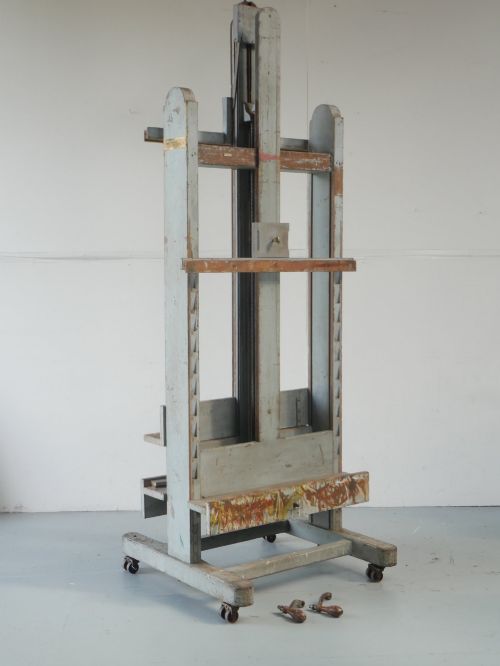
- A heavy stand utilised for exhibiting finished paintings in a gallery setting. These objects typically incorporate adjustable height mechanisms and sturdy bases.
Antique Display Easel: Frequently Asked Questions
How do I date an antique easel?
Dating relies upon timber selection, construction methods, and stylistic cues present in the woodwork or metal mounts. Victorian and Edwardian examples often display distinct decorative motifs corresponding to their era of manufacture.
Examination of screw threads, hinges, and backing materials provides further clues to the decade of production. Comparative analysis with dated studio records helps narrow the timeline.
Can these easels hold heavy paintings?
Large studio models are engineered to support heavy canvases and adjustable working heights. Floor-standing variants in robust oak or mahogany offer the necessary stability for substantial artworks.
Tabletop versions and delicate silver frames are intended for lighter photographs or plates. Assessing the base width and structural joints determines the appropriate weight limit for each stand.
What is the difference between a studio and display easel?
Studio easels are utilitarian tools built for artists to rest canvases upon while painting. They frequently feature crank handles, peg adjustments, and heavier timber frames designed for daily workshop use.
Display easels prioritize aesthetic presentation over mechanical adjustment. They often incorporate decorative carving, precious metals, or velvet backing to complement the artwork on show.
How should I care for wooden display easels?
Maintaining wooden surfaces requires occasional dusting with a dry, soft cloth to prevent grime accumulation. Avoiding direct sunlight and stable humidity levels protects the timber and prevents splitting.
Metal components such as brass or silver benefit from minimal intervention to preserve their natural finish. Leather and velvet backing materials should be kept away from moisture.