


Vintage Painting Stand
These vintage painting stand examples encompass floor standing, tabletop, and display easels in wood and brass, designed to hold canvases securely while working or exhibiting.
Vintage Painting Stand
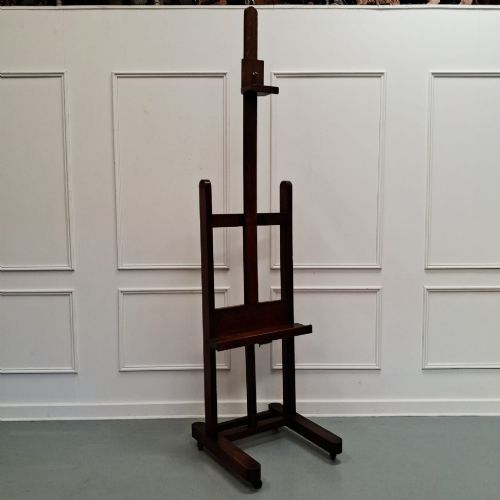
A vintage painting stand primarily comprises floor-standing artist's studio pieces and smaller tabletop versions designed for displaying or supporting canvases. When exploring options for a vintage painting stand, buyers encounter designs spanning the nineteenth century through the early twentieth century.
Floor-standing models provide fully adjustable heights and sturdy frames for active painting sessions. Tabletop variations offer compact utility for smaller works and intimate studio spaces.
Construction Materials and Techniques
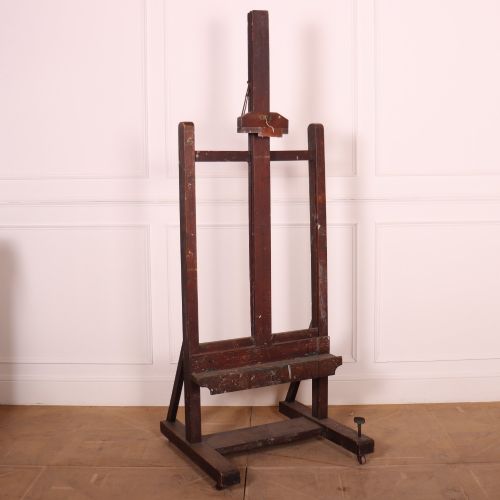
Maker construction relies heavily on durable hardwoods such as oak, fruitwood, and pitch pine to withstand the physical demands of studio use. Metal components like brass and wrought iron appear in winding mechanisms and structural braces.
Joinery methods include traditional pegging and mortise and tenon joints on wooden frames. Adjustability is achieved through peg-holes, sliding brackets, and metal winding handles.
Vintage Painting Stand Retail Price Guide 2026
Typical asking prices for vintage painting stand among the pieces listed under this phrase on Sellingantiques today, from the lower quarter to the upper quarter. They describe what is for sale here now, not the wider market.
Listings incorporate wood, brass, and cast iron materials across Victorian, Edwardian, and 1930s periods.
Distinguishing Quality in Construction
Quality separates through the integrity of the adjustment mechanisms and the retention of original hardware. Superior studio examples retain their functional winding keys, smooth-sliding vertical masts, and stable base frames.
The selection of timber grain and the neatness of hand-carved details elevate decorative display pieces above standard utility items. Original surface patination and honest wear indicate a genuine working history.
Coalbrookdale
The Vintage Painting Stand Glossary
- Easel
- A freestanding upright support used for holding an artist's canvas or panel at a proper height for painting or display.
- Pitch Pine
- A dense, resinous softwood utilised in nineteenth-century studio furniture for its robust structural strength.
- Ebonised
- Wood treated with a dark stain or chemical finish to imitate the appearance of solid ebony.
- Torchiere
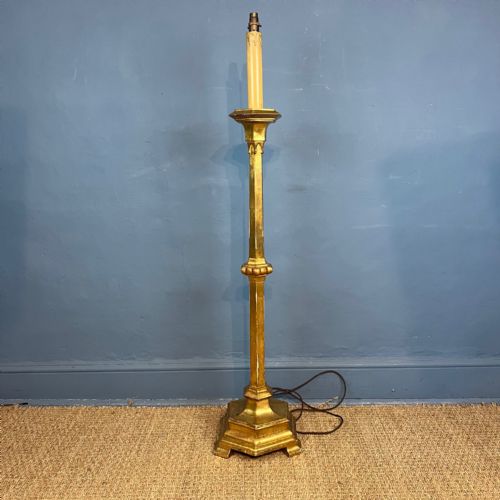
- A tall ornamental stand or candlestick, occasionally adapted for display purposes in period interiors.
Vintage Painting Stand: Frequently Asked Questions
How do I adjust a vintage studio easel?
Most floor-standing studio pieces utilise wooden pegs, sliding brackets, or metal winding handles to raise and lower the central shelf supporting the canvas.
Carefully release the locking mechanism, slide the carriage to the desired height, and secure the fixture firmly before mounting any artwork.
Can I use these stands for modern canvases?
Many period easels possess fully adjustable ledges and retaining clamps that accommodate standard modern canvas sizes and framed boards.
Check the depth of the bottom ledge and the maximum vertical travel of the central mast to ensure compatibility with your specific work.
What is the difference between studio and display easels?
Studio easels are heavy, utilitarian workshop tools built from robust timbers like oak or pitch pine with functional adjustment mechanics for working artists.
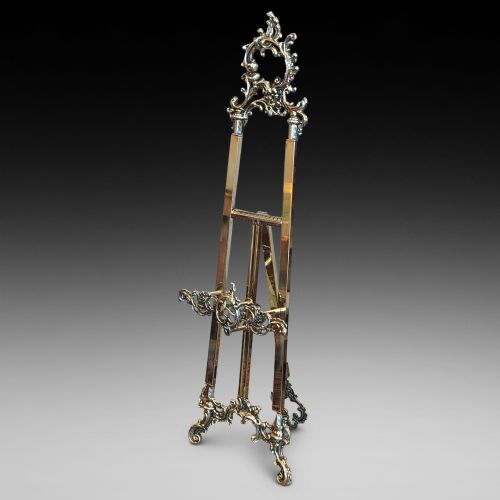
Display easels tend to be lighter, often featuring carved wooden ornamentation, ebonised finishes, or gilded details intended for exhibiting completed pictures in a home.
How do I care for the wooden finish?
Maintain the timber surface by applying a neutral beeswax periodically to nourish the dry wood and protect the original patination from moisture.
Avoid placing wooden stands near direct heat sources or in damp environments to prevent timber warping and structural cracking.