
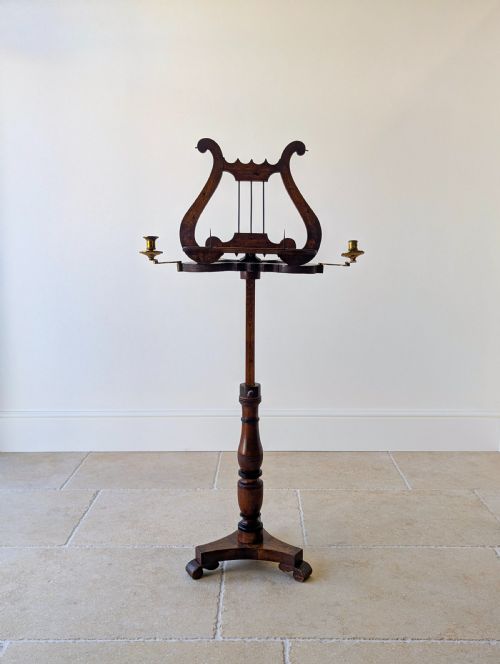


Dark Wood Easel
A dark wood easel brings warmth and steady support to display surfaces, holding books, paintings and plates with traditional craftsmanship.
Dark Wood Easel
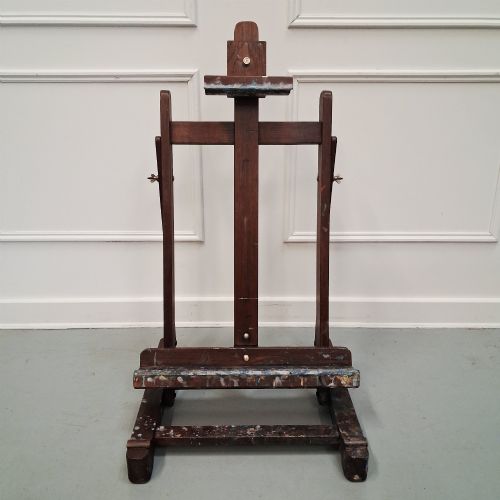
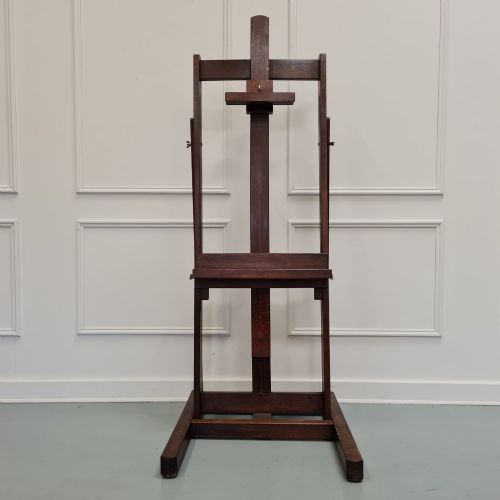
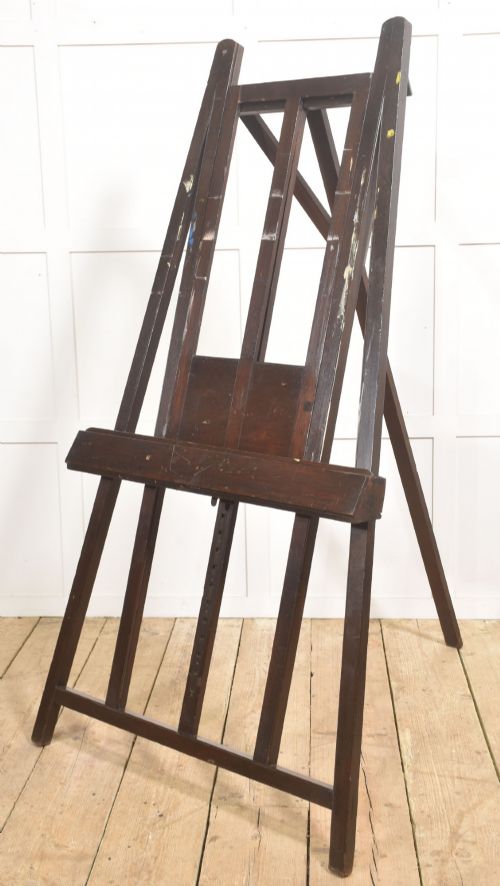
A dark wood easel provides a sturdy structure designed to display artwork, books, and decorative plates. When searching for a dark wood easel, buyers encounter various forms ranging from compact tabletop models to large studio pieces.
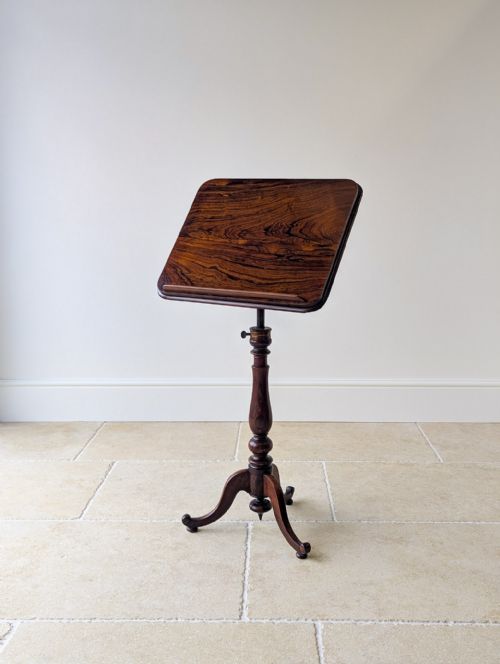
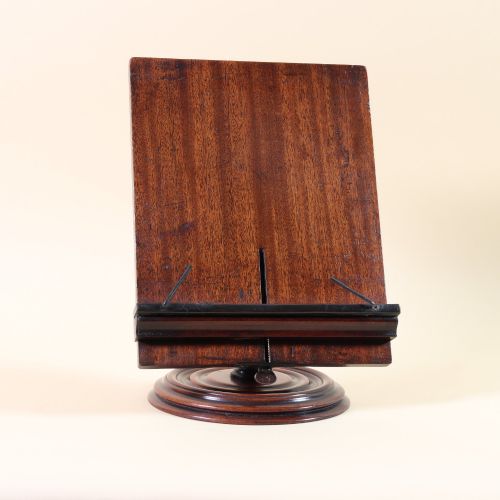
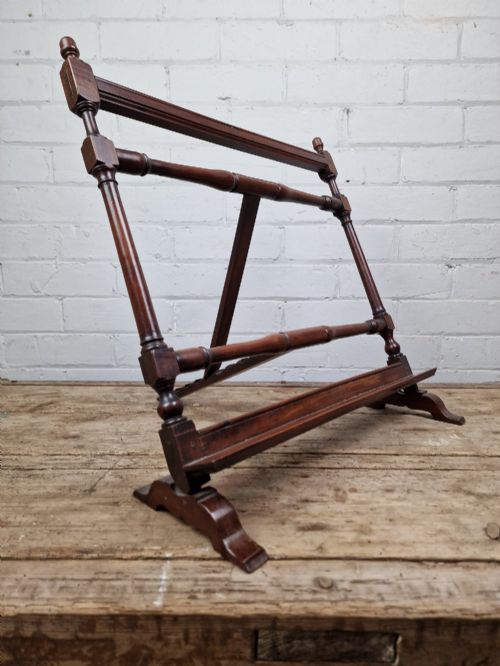
The selections span multiple historical periods, including Georgian, Regency, William IV, Victorian, and later pieces from the nineteen-thirties. Alongside traditional easels, related stands appear in the listings, such as music stands, reading stands, book rests, and display plates.
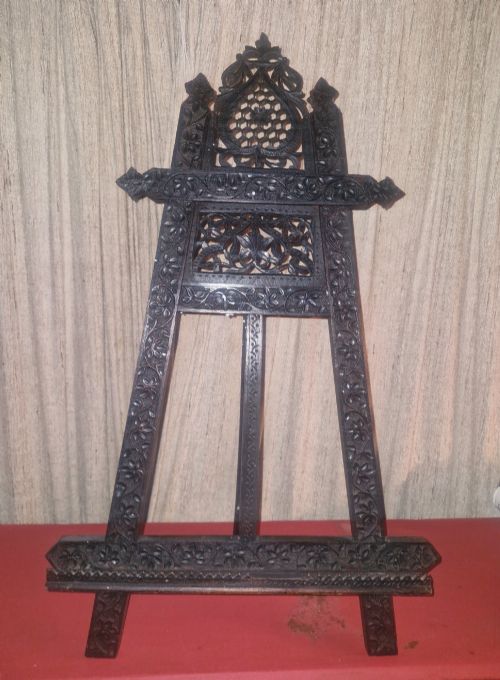
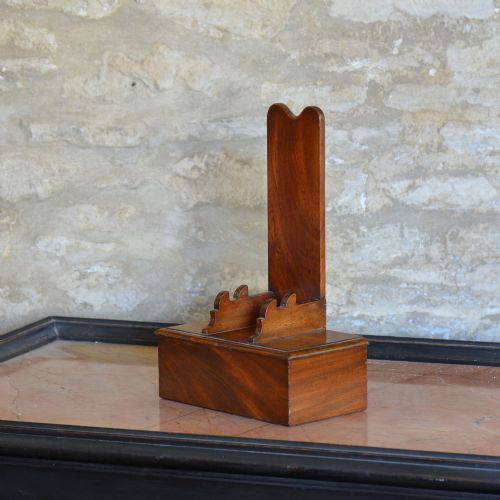
Origin and regional styles vary, encompassing French provincial, Anglo-Indian, and Black Forest designs alongside standard British cabinetmaking. Each piece serves a functional purpose, whether supporting an artist's canvas or holding a volume in a library.
Materials and construction
Makers utilised dense timbers such as mahogany, rosewood, walnut, oak, and general hardwood to ensure structural integrity and a deep colour. These woods provide the necessary weight and rigidity required for adjustable studio frames and tabletop book rests.
Metal and brass components frequently supplement the timber construction, allowing for mechanical adjustments like rising mechanisms and tilting ledges. Carved ornamentation appears on specific examples, particularly within Black Forest and Eastern picture display pieces.
Certain music stands double as magazine holders, proving that nineteenth-century Victorians liked to keep their periodicals tidy.
Judging quality and execution
The distinction between standard utility items and finer pieces lies in the selection of timber grain and the precision of mechanical adjustments. Fully adjustable mechanisms that operate smoothly demonstrate superior workshop execution.
Carving depth and the crispness of turned details define the upper tier of the range, especially on music stands and reading rests. Solid timber construction throughout, rather than veneering on secondary woods, marks the better examples across all periods.
The Dark Wood Easel Glossary
- Lyre-form
- A shape resembling an ancient Greek lyre, commonly used in the central pillar or support of Regency and William IV music stands. This scrollwork design adds architectural elegance to functional items.
- Portfolio stand
- A hinged stand designed to hold large flat folios, prints, or newspapers. These pieces often feature folding frames and sturdy wooden legs.
- Lectern
- A slanted reading desk intended to hold books or papers at an ergonomic angle for a standing speaker or reader. Many period examples incorporate adjustable height and reading ledges.
- Tabletop easel
- A scaled-down easel designed to sit on a desk or table rather than standing on the floor. These items support books, plates, or smaller canvases during use.
Dark Wood Easel: Frequently Asked Questions
What is a dark wood easel used for?
These pieces serve primarily to hold items at a readable or visible angle, functioning as artist supports, book rests, or decorative plate displays. In period settings, they provided practical utility in studios, libraries, and parlours.
Today, they suit modern interiors for displaying artwork, heavy volumes, or framed photographs on tabletops and floors.
How do I identify a Victorian easel?
Victorian examples often feature heavier proportions, darker finishes, and specific stylistic revivals ranging from Gothic touches to ornate carved motifs. Look for period turning styles and substantial timber thickness.
Makers of this era frequently incorporated mechanical adjustments using brass fittings to improve the versatility of studio and reading stands.
Are these easels fully adjustable?
Many of the studio and reading stand examples include mechanical adjustments for height, angle, or book support. These mechanisms typically rely on wooden pegs, ratchets, or brass screws.
Tabletop and display models may be fixed in position, depending on their original intended function as decorative stands or plate holders.
How do I care for antique wood stands?
Keep wooden stands away from direct heat sources and strong sunlight to prevent the timber from drying out or fading. Dust gently with a dry or slightly damp cloth as needed.
Avoid excessive moisture, particularly on antique polished surfaces, and periodically check any brass adjustment fittings to ensure they move freely.