

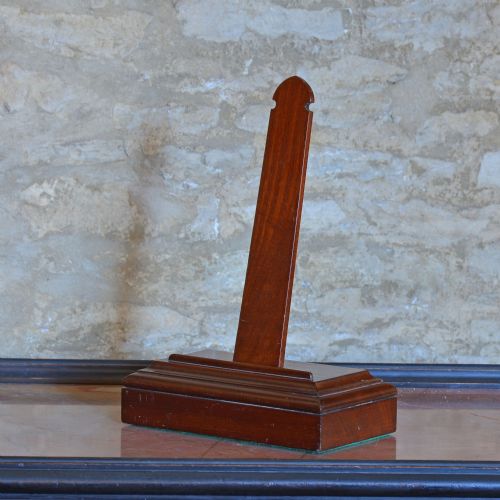
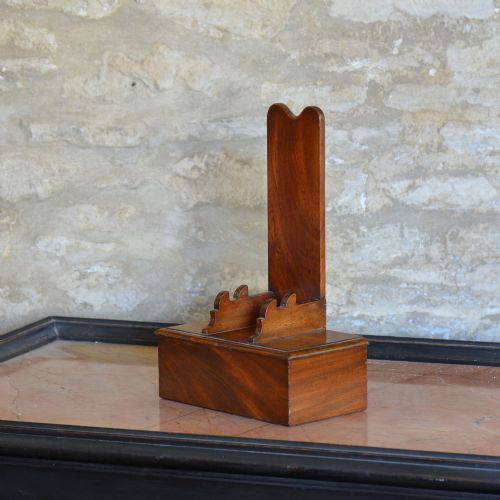
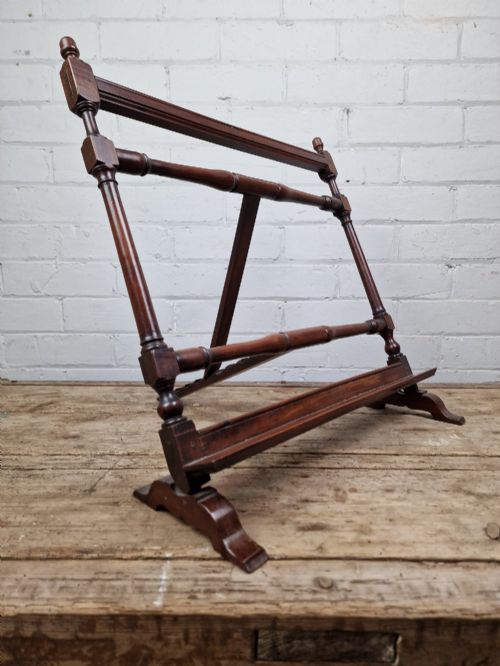


Tabletop Display Easel
A tabletop display easel holds pictures, photographs and plates securely on a surface while adding period character to a room.
Tabletop Display Easel
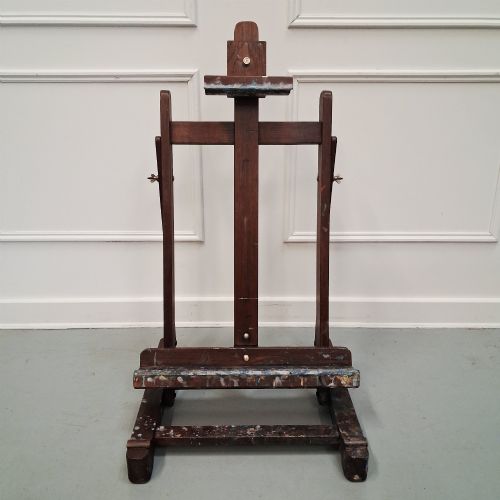
A tabletop display easel is a compact stand designed to showcase framed pictures, photographs, plates or books on furniture rather than hanging them on a wall. When you search for tabletop display easel, you encounter various practical forms including adjustable stands, folding bookstands, and heavy plate holders intended for desk or sideboard placement.
The pieces available span from the nineteenth century through the Edwardian era and into the nineteen thirties, with mahogany and sterling silver dominating the forms. Makers utilised rich woods and precious metals to create functional desk accessories that doubled as decorative objects.
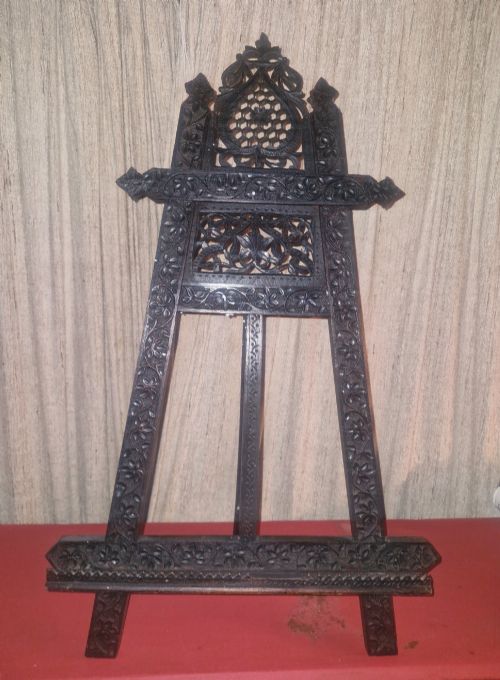
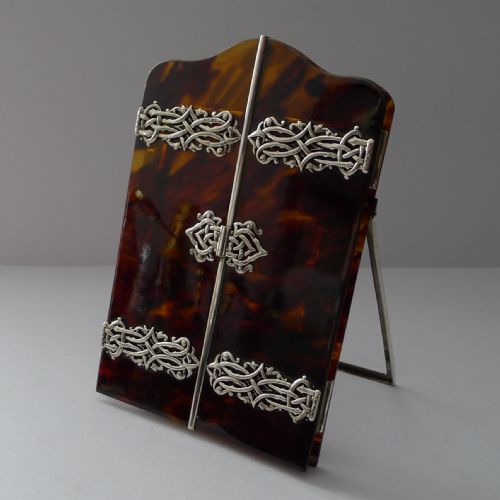
Victorian and Edwardian examples sit alongside French Rococo, French Provincial, Anglo-Indian and Art Deco styles, showing how diverse these small display stands became. You are just as likely to find a mahogany tray stand or a silver-mounted tortoiseshell photograph frame performing the function of an easel as a traditional wooden frame.
How they were made
Makers fashioned these pieces from solid hardwoods like mahogany, walnut, and oak, often incorporating carving or weighted bases for stability. Silver smiths mounted sterling silver onto wooden frames or velvet backs, hallmarking items in cities such as Birmingham during the Edwardian period and the reign of George V.
Gilt bronze and brass also appeared, particularly in French Rococo designs, where metal was cast and chased to form ornate scrolling supports. Folding mechanisms and hinges allowed wooden bookstands and easels to collapse flat when not in use.
Materials in these listings range from sterling silver and gilt bronze to mahogany, oak, walnut, velvet, and glass.
What varies in quality
Quality rests in the crispness of the carving on wooden stands and the thickness of the metal used in silver or gilt bronze frames. Heavier weighted mahogany and solid silver mounts indicate superior construction designed to hold heavy items without tipping.
The sophistication of the joinery and the survival of original fabric linings, such as velvet, separate standard production pieces from finer workshop examples. Better items exhibit precise hinges, uncompromised silver hallmarks, and carefully polished timber grains.
The Tabletop Display Easel Glossary
- Sterling Silver
- A silver alloy containing ninety-two point five percent pure silver by mass, frequently utilised for Edwardian and Victorian photograph frame mounts. It carries assay office hallmarks that date the exact year of production.
- Gilt Bronze
- An alloy of copper and zinc coated with a thin layer of gold, also known as ormolu, seen on French Rococo display items. This material provides a bright, durable metallic finish that resists tarnishing.
- Plate Stand
- A sturdy wooden or metal support designed to hold decorative plates, trays, or books upright on a table. Weighted versions prevent tipping when supporting heavy ceramic or silver items.
- Tortoiseshell
- The mottled shell material derived from sea turtles, used by Victorian makers to back and accent luxury silver picture frames. It provides a rich, translucent amber and brown ground.
- French Rococo
- A decorative style characterised by asymmetrical scrollwork, C-scrolls, and naturalistic plant motifs, popular in decorative metalwork. It brings an ornate, flowing aesthetic to small display stands.
Tabletop Display Easel: Frequently Asked Questions
What is a tabletop display easel?
A tabletop display easel is a small stand built to hold pictures, photographs, plates, or books upright on a desk, mantelpiece, or sideboard.
These pieces keep items visible without requiring wall space, combining practical utility with period decorative style.
How were silver photo frames used?
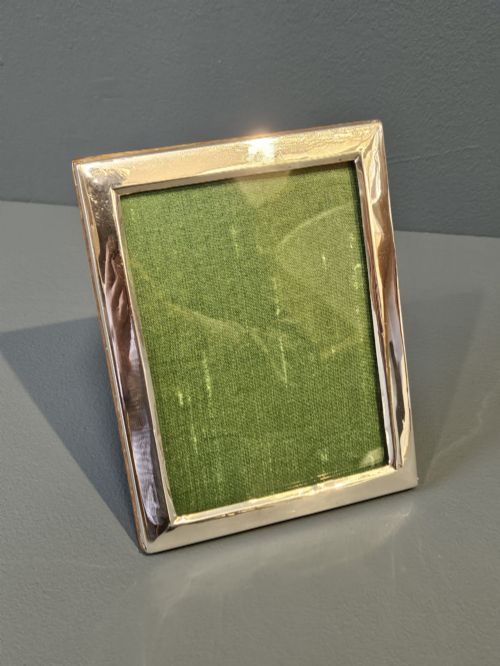
Silver photo frames sat on writing desks, dressing tables, and drawing-room surfaces to display portraits of family and acquaintances.
Their velvet backs and folding struts allowed them to stand securely while protecting the paper photographs inside.
How do I date a silver easel?
Silver frames and easels usually carry hallmarks stamped by assay offices, indicating the town and year of creation.
By checking these marks alongside styles like Edwardian or George V, you can narrow down the period of manufacture.
What materials are common?
Mahogany, oak, and walnut are the primary woods used for nineteenth-century stands and folding bookstands.
Sterling silver, gilt bronze, and brass appear frequently on photograph frames and decorative display easels.