


Antique Plate Display Holder
An antique plate display holder keeps fine china secure and visible, bringing period timber and metalwork directly onto the table or wall.
Antique Plate Display Holder
When you search for an antique plate display holder, you find pieces designed to showcase ceramic and silver tablewares rather than hide them in cupboards. The selections range from wall-mounted racks to freestanding folding stands.
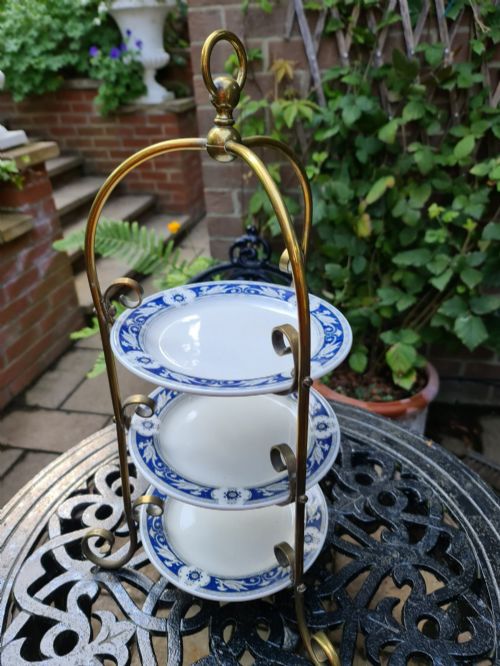
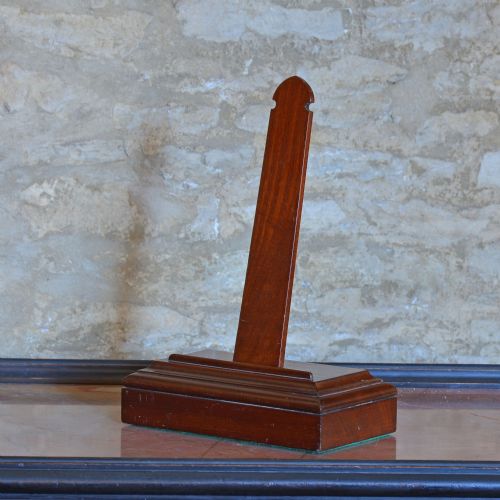
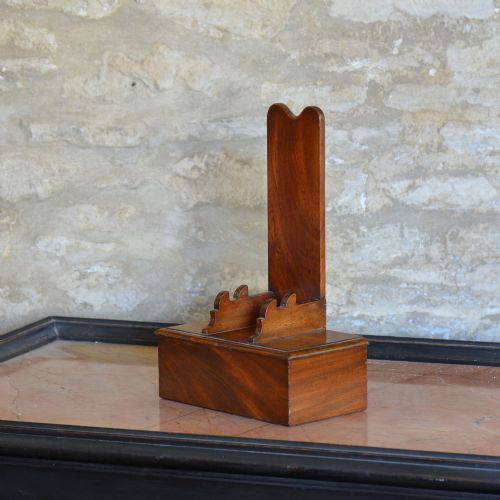
The most common forms on this page include mahogany and oak plate stands, alongside tiered cake stands and wall racks from the Georgian, Victorian, and Edwardian periods. These objects served functional roles in domestic dining before becoming decorative items in their own right.
Origins span the eighteenth through the early twentieth centuries, showing traditional craftsmanship in both hardwood and silver plate. Each piece reflects the domestic habits of its period, whether for holding dessert courses or displaying decorative bowls.
Materials and construction
Makers relied heavily on solid hardwoods like mahogany and oak, often utilising weighted bases or folding frames to ensure stability. Wood surfaces were turned, joined, and polished to highlight the natural grain.
Metal components include silver plate, brass, and electroplated nickel silver, sometimes combined with ceramic elements such as Royal Worcester pots. These mixed materials required specialised mounting and soldering techniques to support the weight of plates and bowls.
Some stands fold completely flat, proving that Victorian makers understood the eternal struggle of kitchen storage space.
Assessing quality and craftsmanship
The distinction between standard domestic items and superior examples lies in the crispness of the turning and the selection of timber. Finer pieces display well-figured mahogany or quarter-sawn oak with tight, precise joinery.
Hardware and secondary materials also dictate standing. Original brass fittings, intact silver plating, and carefully fitted wooden ledges elevate an object from a simple utility piece to a refined example of period craftsmanship.
The Antique Plate Display Holder Glossary
- Plate rack
- A wall-mounted wooden frame fitted with horizontal slats or vertical spindles to hold plates upright. These allowed wet porcelain to drain or dry after washing.
- Cake stand
- A tiered freestanding frame utilised for serving afternoon tea or displaying pastries. They often feature folding mechanisms for compact storage.
- Mahogany
- A durable tropical hardwood prized for its rich reddish-brown colour and stable grain. It was the preferred timber for fine Georgian and Victorian furniture.
- Electroplated nickel silver
- A base metal alloy coated with a thin layer of pure silver through an electrical process. This technique provided the appearance of solid silver at a lower production cost.
- Quarter-sawn oak
- Timber cut radially from the growth rings, producing a distinct decorative grain pattern known as medullary rays. This method yields boards that are less prone to warping.
Antique Plate Display Holder: Frequently Asked Questions
What is an antique plate display holder used for?
These pieces were originally built to store, dry, or present ceramic and metal tableware within the dining room or kitchen. Today, they serve primarily to exhibit decorative plates and bowls safely.
Freestanding models hold items on tables or sideboards, while wall-mounted racks keep porcelain visible without occupying surface space.
How do I date an antique plate stand?
Dating relies on identifying the timber species, construction methods, and overall style characteristics associated with specific eras. Georgian pieces often feature hand-cut joinery and dense mahogany, while Edwardian examples may incorporate folding mechanisms and lighter oak.
Hardware components also offer clues, as hand-forged or early cast brass fittings differ noticeably from later standardised fixings.
How should I care for wooden plate holders?
Wooden frames benefit from occasional applications of traditional beeswax to nourish the timber and maintain a soft lustre. Keep them away from direct heat sources and extreme humidity fluctuations to prevent the wood from splitting.
Metal elements like silver plate require gentle cleaning with a soft cloth to avoid stripping the thin metallic layer.