





Artist Floor Easel
An artist floor easel provides a sturdy, adjustable stand for painting and displaying large canvases in the studio.
Artist Floor Easel
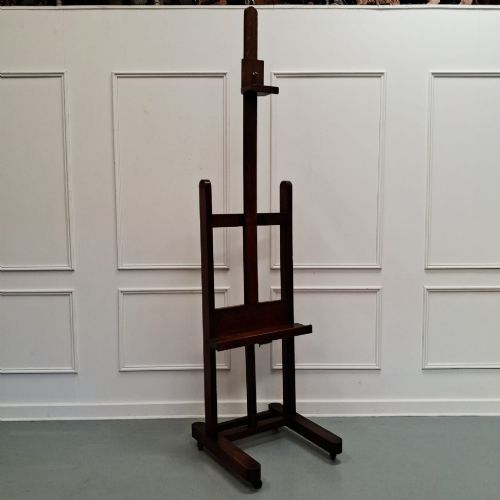
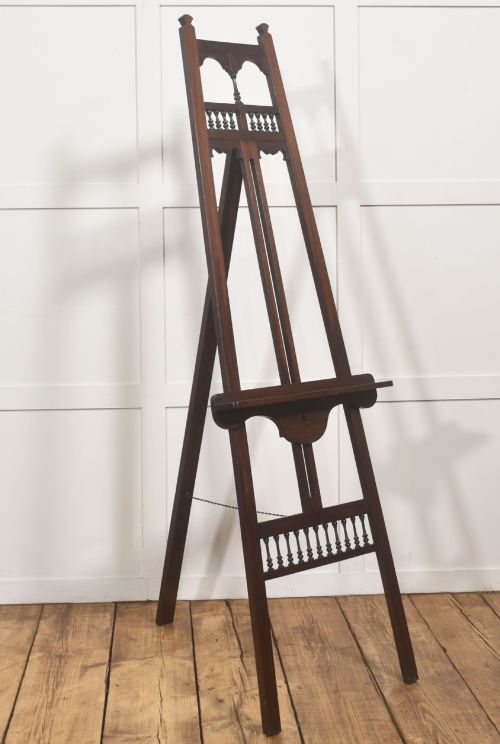
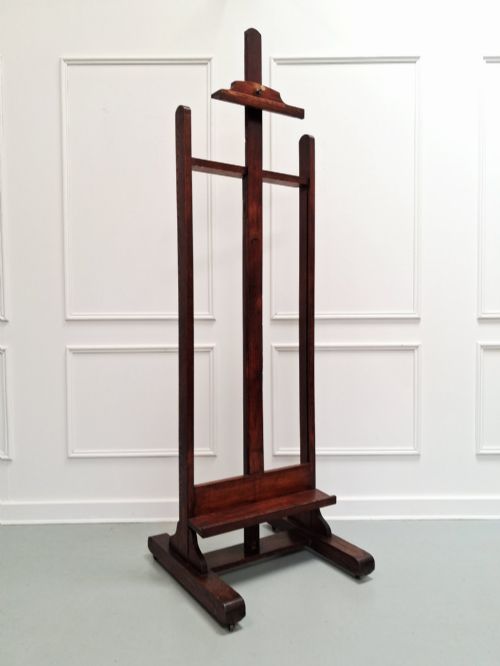
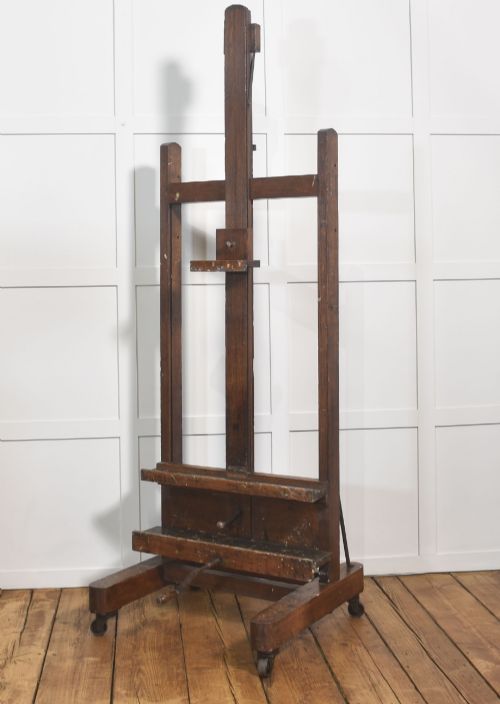
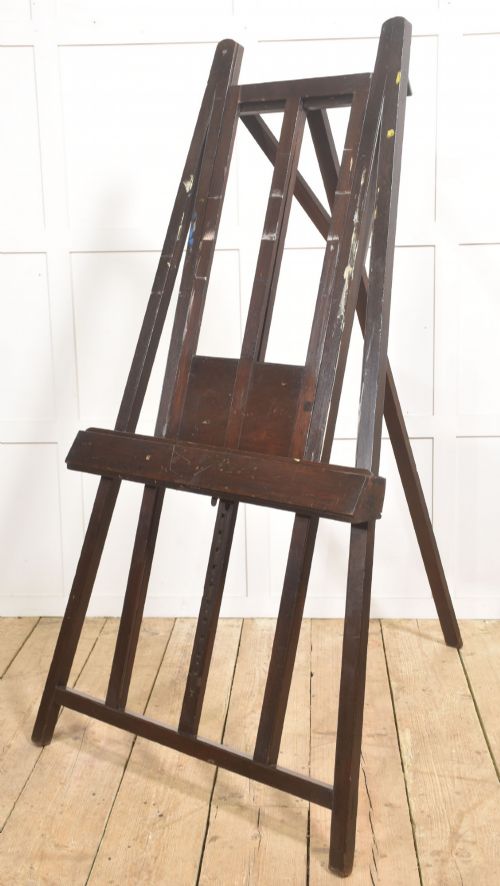
An artist floor easel is a functional studio stand designed to hold canvases securely during the creative process or for gallery display. These pieces range from substantial nineteenth-century studio models to more decorative exhibition stands.
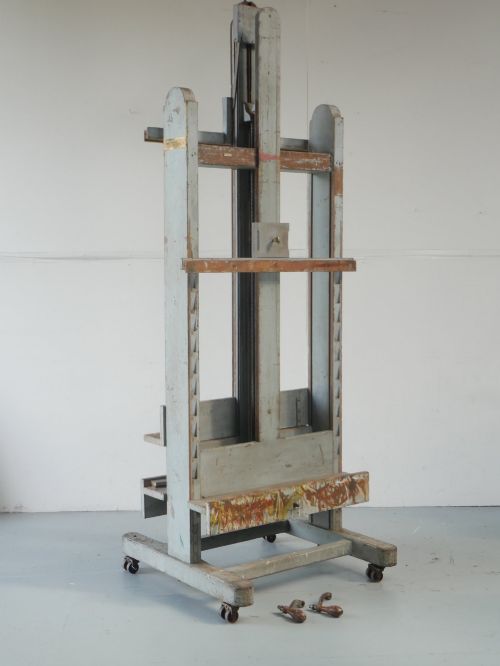
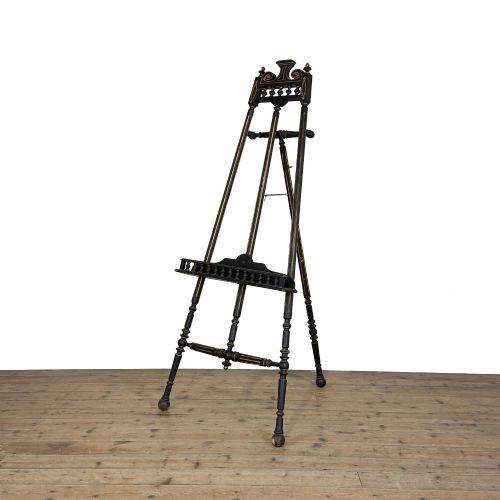
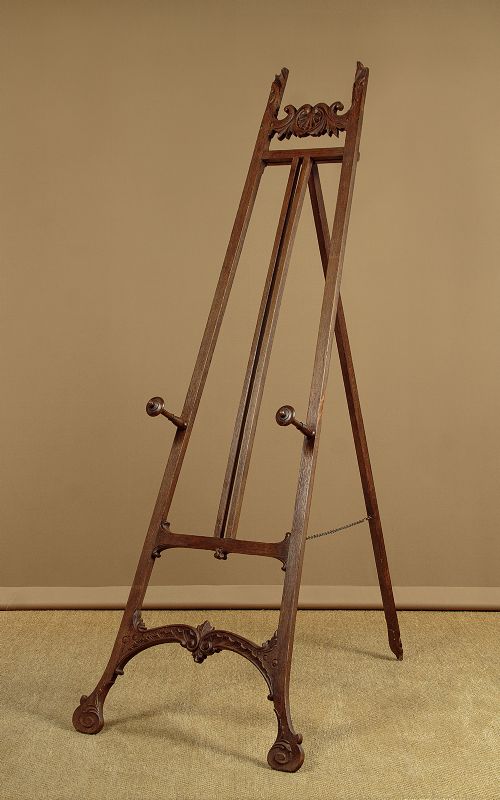
Buyers frequently encounter robust oak and mahogany constructions, alongside specialist styles such as Gothic Revival, Industrial, and Aesthetic Movement designs. These range from heavy-duty working studio frames to ornate display items featuring intricate details like swan designs.
How they were made
Cabinetmakers and joiners constructed these artist floor easels predominantly using hardwoods such as oak, mahogany, and walnut, supplemented by timber frames and robust metal, iron, cast iron, or brass adjustment mechanisms. Ebonised finishes and ebony veneers appear alongside ivory inlay on select decorative gallery pieces.
Makers integrated mechanical winding gears, pegs, and sliding brackets to achieve fully adjustable heights and angles for heavy canvases. Joinery techniques such as mortise and tenon provided the structural integrity required to support large studio works.
Artist Floor Easel Retail Price Guide 2026
Typical asking prices for artist floor easel among the pieces listed under this phrase on Sellingantiques today, from the lower quarter to the upper quarter. They describe what is for sale here now, not the wider market.
What varies in quality
The quality of an artist floor easel depends on the integrity of its timber and the smooth operation of its mechanical adjustment hardware. Superior examples combine dense hardwoods with robust brass or iron winding mechanisms that function reliably under heavy loads.
Artistic execution and decorative detail set finer pieces apart, seen in carved ornament, applied ebonising, or intricate inlay work. Structural robustness distinguishes utilitarian workshop stands from grand gallery pieces intended for public exhibition.
The Artist Floor Easel Glossary
- Studio Easel
- A heavy, floor-standing support designed for working artists to hold large canvases securely. These pieces often feature mechanical winding handles and heavy bases.
- Gallery Easel
- A refined display stand utilised in exhibition spaces to present completed artworks to the public. These often incorporate decorative carving or exotic veneers.
- Double Sided
- A construction featuring working surfaces on both front and rear aspects. This allows two artists to work simultaneously or permits dual display.
- Aesthetic Movement
- A nineteenth-century design style emphasising visual beauty over narrative content. Pieces in this style often utilise ebonised timber surfaces.
- Gothic Revival
- An architectural and decorative style drawing inspiration from medieval forms. Such pieces display pointed arches, heavy tracery, and dark woods.
Artist Floor Easel: Frequently Asked Questions
What is an artist floor easel used for?
An artist floor easel supports heavy canvases at a comfortable working height for painters in a studio setting. They are also utilised in galleries to display finished works for viewers.
Many period examples feature adjustable mechanisms that allow the canvas angle and height to be altered easily during the creative process.
How do I choose the right size?
Consider the scale of the room and the maximum canvas size you intend to place on the stand. Large studio models require adequate floor space and height clearance.
Double-sided or heavy-duty nineteenth-century pieces offer maximum stability for substantial works of art.
Are these easels fully adjustable?
Many period studio easels incorporate sliding brackets, winding handles, and peg mechanisms to adjust the working height. Fully adjustable variants allow both large and small canvases to be held securely.
Display-focused pieces may have fixed heights intended purely for exhibition purposes.
What woods were used?
Maker workshops utilised durable hardwoods including oak, mahogany, and walnut to ensure structural strength. Ebonised finishes and exotic veneers also appear on decorative gallery pieces.
Metal components such as brass, iron, and cast iron provide the mechanical strength needed for adjustable frames.