
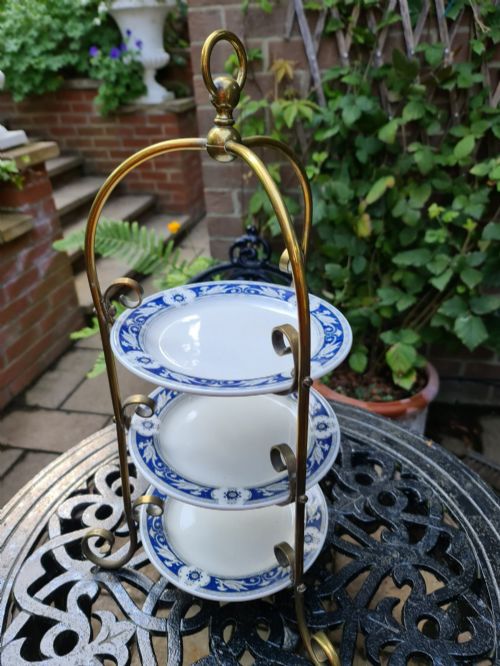
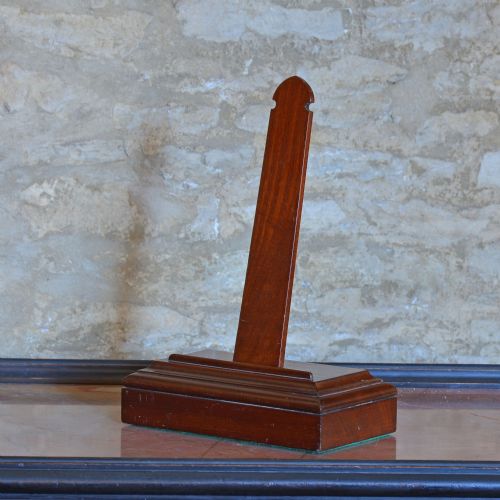
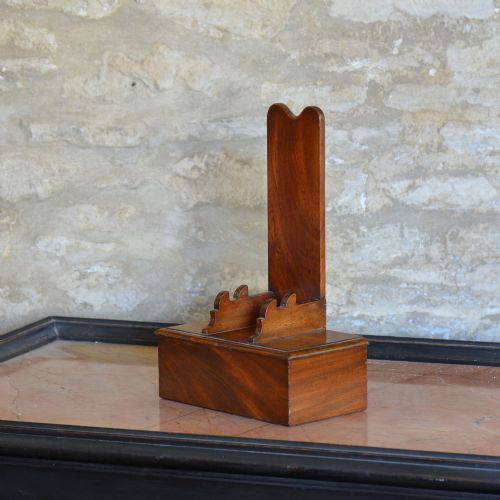





Plate Display Stand
A plate display stand holds your porcelain and chargers upright to catch the light, turning utilitarian ceramics into proper room features.
Plate Display Stand
A plate display stand is essentially a dedicated holder designed to present decorative plates, trays, and chargers in domestic interiors. When you search for this phrase, you will find forms ranging from simple folding wooden frames to elaborate silver-plated tiers.
The selections span several distinct eras, with nineteenth-century mahogany examples and Edwardian oak folding tiers appearing alongside silver-plated nineteenth-century designs. You will also encounter related serving pieces such as cake stands, tazze, and mirrored plateaux.
The materials used reflect the utility and status of each piece, moving from solid timber to plated metals and ceramics. These objects serve to elevate tableware from sideboards to prominent positions on display.
Materials and Construction
Makers relied heavily on dense hardwoods like mahogany and oak to provide the necessary weight and stability for supporting heavy ceramic or glass plates. These timbers were frequently turned, joined, or hinged to create folding tiers and steady frames.
Metalwork played a significant role, utilising silver plate over base metals or solid brass for frames, handles, and decorative mounts. Craftsmen also incorporated glass and porcelain elements into structural frameworks to form tiered epergnes and centrepieces.
The listings combine nineteenth-century mahogany and Edwardian oak with silver plate, ceramic, glass, and brass.
Assessing Quality
Quality rests primarily in the crispness of the timber turning, the integrity of the joints, and the weight of the metal used in construction. Superior pieces demonstrate thoughtful proportion and stable balance even when supporting heavy china.
The standard of plating or the depth of carved detail separates standard utilitarian items from finer examples intended for formal reception rooms. Original mechanisms on folding stands and intact, unpolished metal surfaces elevate a piece further.
The Plate Display Stand Glossary
- Plate stand
- A device specifically constructed to hold a single plate or tray upright for display. These items utilise tilted backs and sturdy bases to prevent tipping.
- Epergne
- An ornamental centrepiece featuring multiple branching dishes or tiers for food or flowers. These structures often combine silver plate with cut glass bowls.
- Plateau
- A mirrored tray or stand placed in the centre of a dining table to hold ornaments or candelabra. They frequently feature silver-plated mounts and gallery borders.
- Tazza
- A shallow bowl or plate raised upon a central foot or pedestal. These stemmed vessels serve as prominent display or serving pieces on tables.
Plate Display Stand: Frequently Asked Questions
What is a plate display stand used for?
These stands elevate decorative plates and chargers so they can be viewed vertically on tabletops, desks, or mantelpieces.
They transform flat ceramic items into three-dimensional display pieces without requiring wall fixings.
How do I clean an antique silver plated stand?
Use a soft microfibre cloth and a gentle, non-abrasive silver cleaner formulated for plated items.
Avoid harsh scrubbing that can wear away the thin silver layer over the underlying base metal.
Are folding cake stands sturdy enough for daily use?
Solid mahogany and oak folding tiers built with strong hinges remain durable and functional for serving.
Check the joints regularly to ensure the wooden frames support the weight safely.
How do I date a mahogany plate stand?
Examine the timber grain, tool marks, and the style of the turned supports to place the piece in its era.
Georgian and nineteenth-century examples often display hand-cut joinery and dense, aged wood patination.