





Antique Architect Desk
An antique architect desk brings grand proportion and practical engineering to a study, offering adjustable surfaces and deep drawers for serious work.
Antique Architect Desk
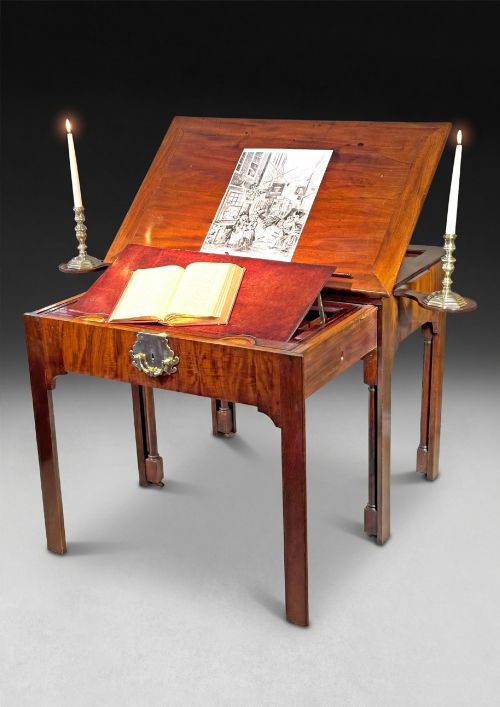
When you search for an antique architect desk, you encounter substantial writing tables and library desks designed for draughting and drafting work. These pieces span the eighteenth century, the Regency era, and the nineteenth century, reflecting periods of refined cabinet making.
Mahogany and Cuban mahogany dominate the selection, often accompanied by rosewood, oak, and brass hardware. Leather inserts frequently line the writing surfaces, providing a durable and classic writing plane.
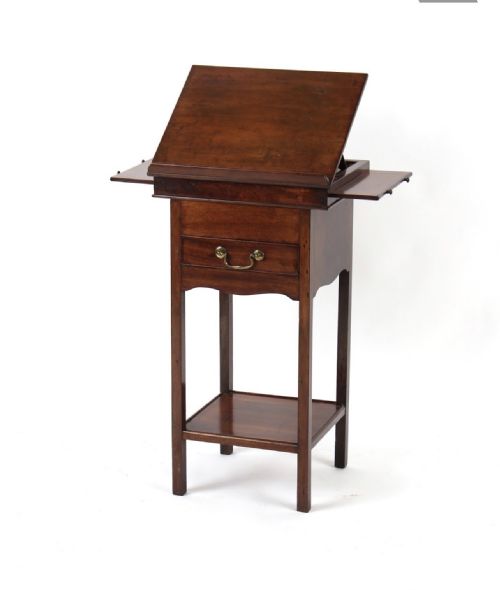
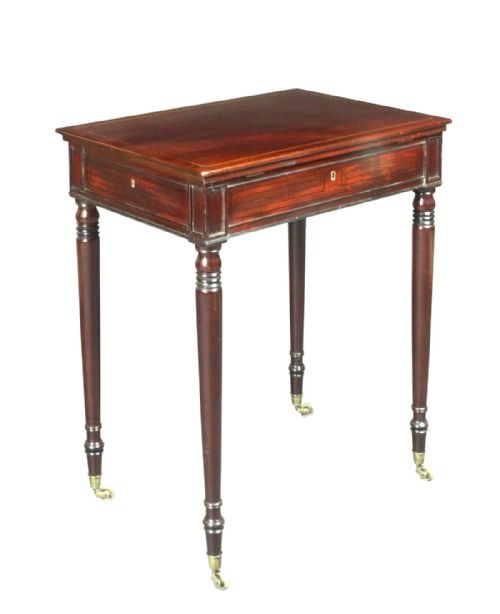
The forms range from metamorphic library tables with plan drawers to reading tables and kneehole configurations. George III and Regency styles appear regularly alongside Victorian interpretations.
Construction and materials
Cabinet makers utilised dense timbers such as mahogany and Cuban mahogany, selecting figured grains for visual depth on primary surfaces. Solid oak and secondary woods provided sturdy internal framing for deep drawers and pedestals.
Mechanical ingenuity defined these pieces through adjustable reading ratchets, folding leaves, and specialised locks such as those by Bramah. Brass fittings, castors, and inset leather surfaces completed the construction.
Antique Architect Desk Retail Price Guide 2026
Typical asking prices for architect desk among the pieces listed under this phrase on Sellingantiques today, from the lower quarter to the upper quarter. They describe what is for sale here now, not the wider market.
Listings feature mahogany, Cuban mahogany, rosewood, and oak, spanning the eighteenth and nineteenth centuries.
Assessing craftsmanship
Superior examples separate themselves through the tightness of the timber selection and the fluid operation of internal mechanisms like adjustable drawing slopes and plan drawers. Finer desks display crisp moulding details and high grade brass hardware that integrate seamlessly into the primary structure.
The distinction between standard workshop output and top tier production lies in secondary wood choices and secondary framing strength. Pieces signed by known makers or featuring advanced metamorphic actions command greater appreciation among collectors.
Gillows·Edwards & Roberts
The Antique Architect Desk Glossary
- Metamorphic
- Describing furniture that transforms from one form into another, such as a library table concealing a rising reading slope or desk surface.
- Kneehole
- A desk arrangement featuring a central recess for the sitter's legs, flanked by pedestals of drawers.
- Secretaire
- A cabinet or desk incorporating a pull down writing flap that conceals smaller drawers and pigeonholes.
- Ratchet
- A mechanical adjustment mechanism using toothed bars to raise and secure a reading or drawing surface at various angles.
Antique Architect Desk: Frequently Asked Questions
What is an architect desk?
An antique architect desk is a specialised writing table designed to accommodate large plans, drawings, and reading materials. They frequently feature adjustable top surfaces, extensive drawer space, and sturdy timber construction.
These pieces served professionals who required stable, adjustable working planes before the advent of modern office furniture. Today, they function as impressive centrepieces in studies and libraries.
How do adjustable desks work?
Adjustable models utilise internal wooden or brass ratchets that engage with supports beneath the writing surface. This allows the user to tilt the desk top to various angles for draughting.
Some sophisticated examples employ mechanical lifts and counterweights to alter the height of the entire table. These mechanisms require careful handling to preserve their original function.
What woods were used?
Mahogany and Cuban mahogany form the primary material for the majority of these desks, prized for their rich colour and grain density. Rosewood and oak also appear across different periods and regional workshops.
Secondary timbers like deal or oak line the drawer interiors and internal framing. Brass hardware provides functional strength and contrast against the dark timber.
How do I date a desk?
Dating relies on stylistic markers such as bracket feet, reeded legs, brass handles, and construction methods like hand cut dovetails. Regency and Georgian pieces show distinct classical proportions compared to later Victorian iterations.
Maker signatures, stamped inventory numbers, and patent locks provide definitive chronological markers when present. Comparing secondary woods and hardware styles further narrows the period of origin.