


Georgian Study Desk
A georgian study desk brings enduring craft and timber depth to a room, offering a focused space for correspondence.
Georgian Study Desk
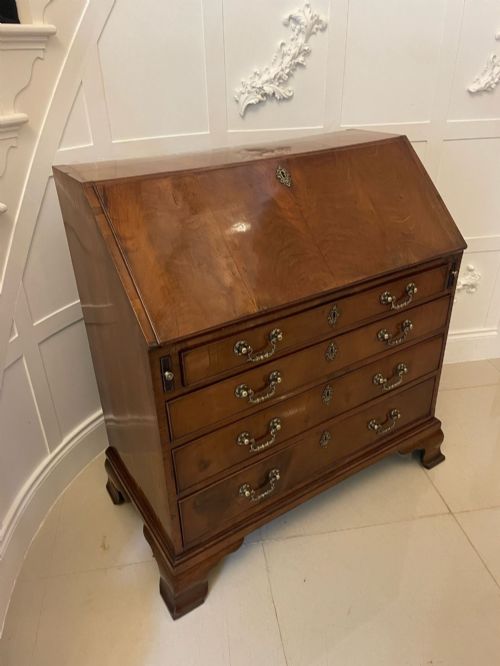
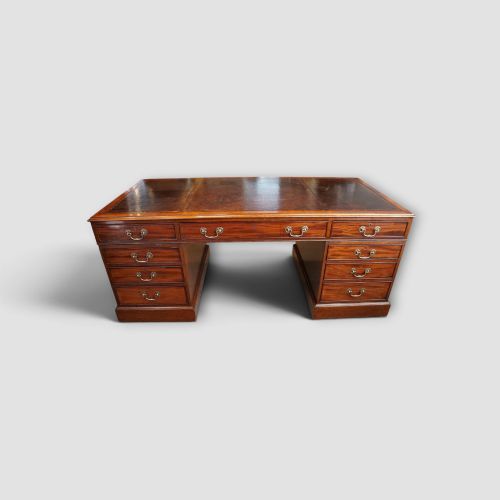
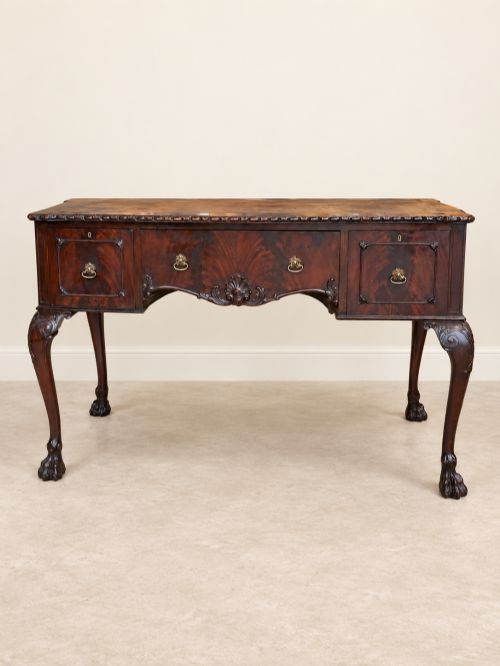
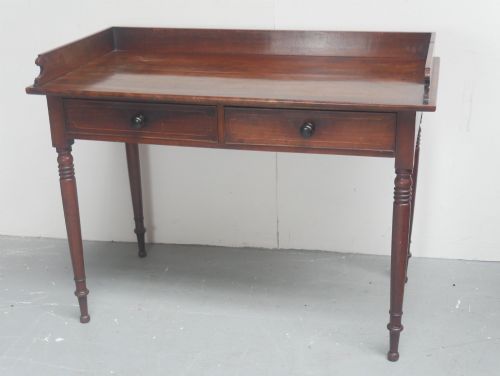
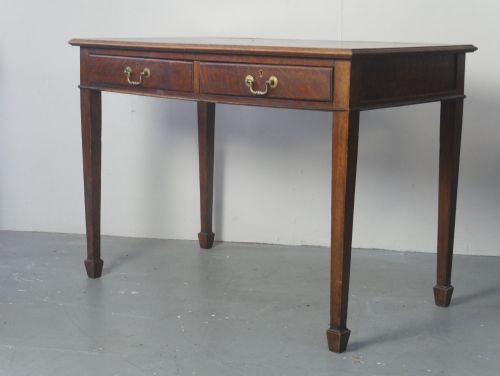
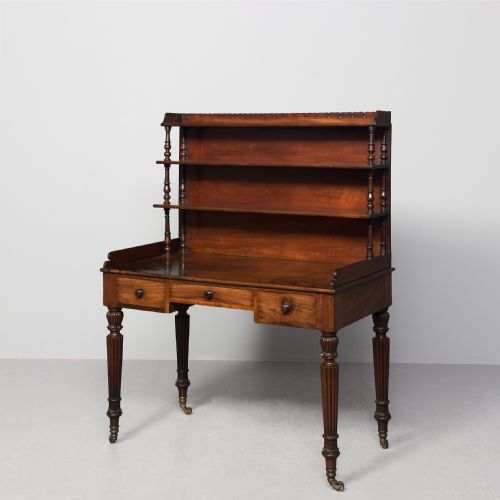
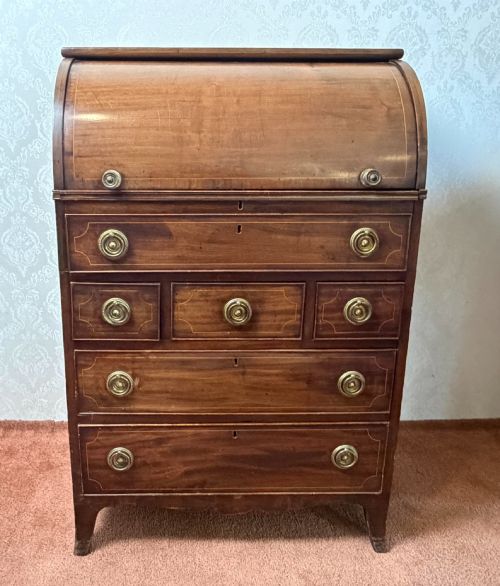
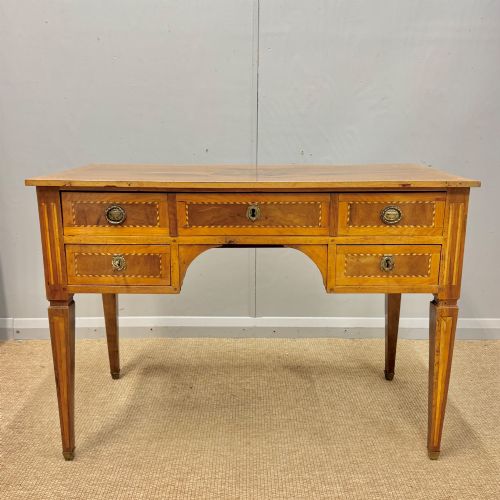
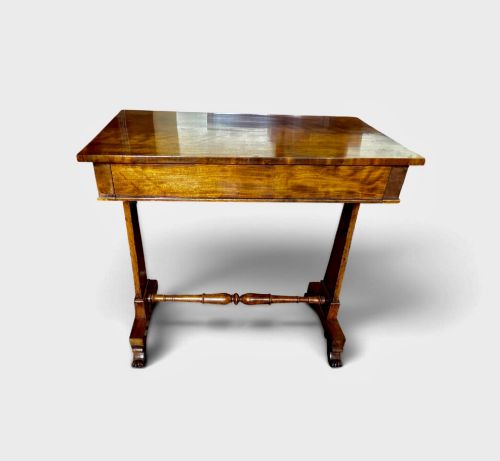
A georgian study desk encompasses writing tables, bureaus, and pedestal forms designed for domestic paperwork and administration. Buyers searching for a georgian study desk most frequently encounter mahogany writing tables and kneehole desks originating from the eighteenth century or later revival periods.
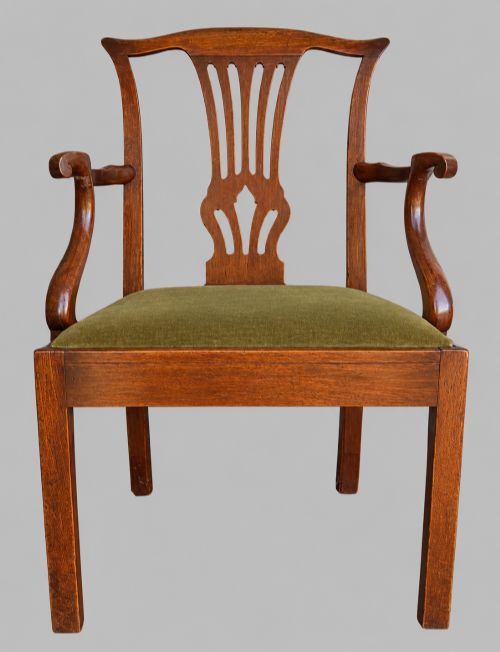
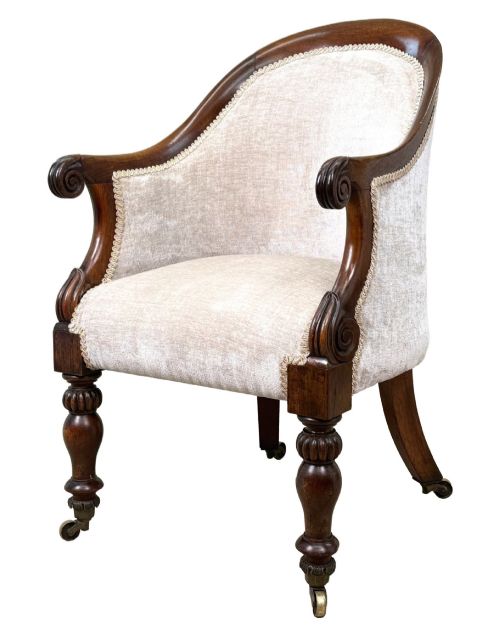
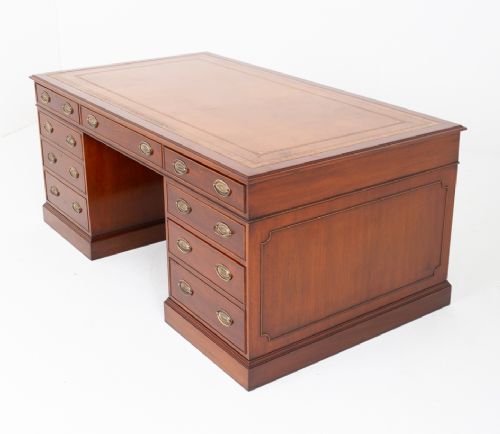
The category spans compact writing desks with fitted drawers alongside substantial partners desks and matching library armchairs. Pieces emerge in mahogany, walnut, and oak, reflecting the functional requirements of studies and libraries across different eras.
Makers and workshops adapted writing furniture through the Georgian, Regency, and subsequent revival decades, producing both freestanding tables and compartmented bureaus. Each form serves the writer through specific configurations of surface space and internal storage.
Materials and construction methods
Makers relied heavily on solid and veneered mahogany, alongside walnut, burr walnut, and oak, often incorporating brass handles, key escutcheons, and leather writing surfaces. Timber selection governed the structural integrity and visual warmth of each piece.
Joinery techniques involved precise dovetailing for drawer construction and sturdy framing to support heavy writing loads. Inlaid stringing, marquetry, and tambour shutters added decorative refinement to selected writing tables and bureaus.
Georgian Study Desk Retail Price Guide 2026
Typical asking prices for georgian study desk among the pieces listed under this phrase on Sellingantiques today, from the lower quarter to the upper quarter. They describe what is for sale here now, not the wider market.
Listings feature mahogany, walnut, burr walnut, oak, satinwood, and rosewood across Georgian, Regency, Victorian, and 20th-century periods.
Assessing quality in writing furniture
Quality rests upon the selection of figured timber veneers, the crispness of cabinetwork joinery, and the retention of original brass hardware. Superior examples display balanced proportions and meticulous internal drawer arrangements.
The integrity of secondary woods, the neatness of dovetails, and the condition of leather inserts or inlaid surfaces distinguish standard production from exceptional cabinetmaking.
James Mein of Kelso
The Georgian Study Desk Glossary
- Bureau
- A sloping desk front that opens to reveal internal pigeonholes and small drawers. This form conceals papers while providing a slanted writing surface.
- Kneehole desk
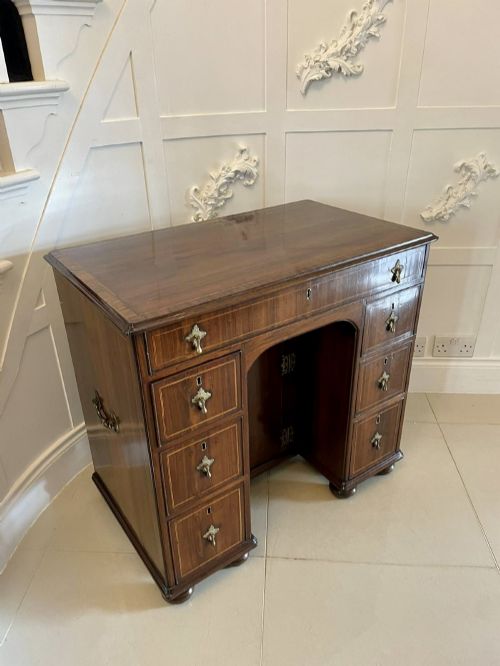
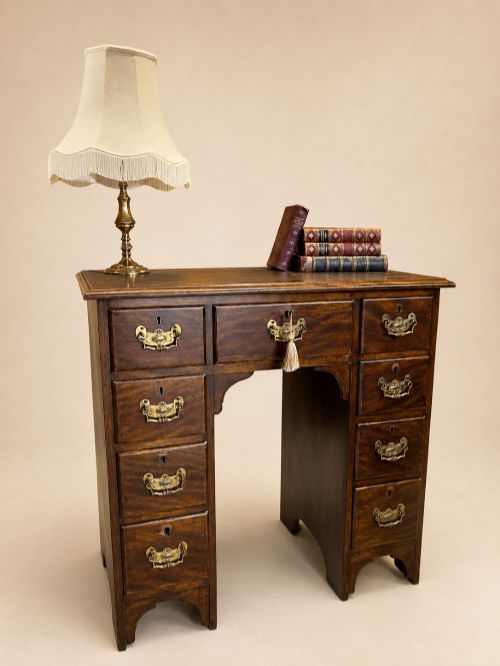
- A compact pedestal desk featuring a central recess for the sitter's legs, flanked by columns of small drawers. This configuration maximises storage within a restricted footprint.
- Partners desk
- A large double-sided desk designed for two people to work opposite one another. These pieces feature drawers and cupboards accessible from both sides.
- Tambour
- A sliding shutter constructed from narrow strips of wood glued to a fabric backing. It covers compartments on specialised writing desks.
- Writing table
- A freestanding table with one or more drawers beneath the top, intended primarily for correspondence rather than storage.
Georgian Study Desk: Frequently Asked Questions
What is a partners desk?
A partners desk is a large, double-sided writing table designed with storage and workspace accessible from both front and back. These substantial pieces allowed two individuals to work facing each other.
They appear frequently in mahogany and walnut, often featuring leather writing surfaces and pedestals filled with numerous drawers.
Where should I place a freestanding desk?
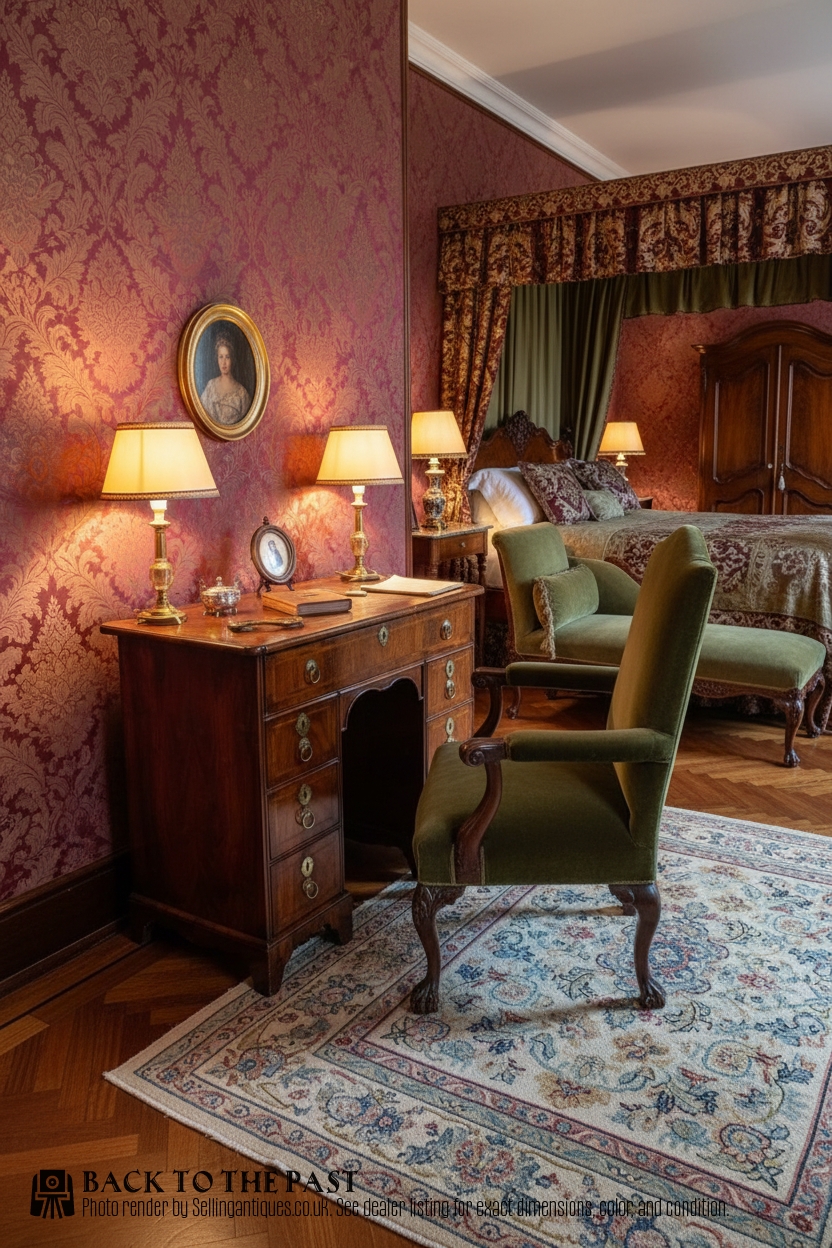
A freestanding desk looks best positioned away from walls, particularly partners desks and library tables finished on all sides. This placement highlights the polished timber backs and panel detail.
Ensure adequate clearance around the chair for comfortable seating and drawer access within the room.
What woods were used in these desks?
Makers predominantly utilised mahogany, walnut, burr walnut, and oak for their structural and decorative qualities. Satinwood and rosewood also appeared in specific inlaid and veneered designs.
Secondary timbers like pine or oak frequently lined the interior drawer boxes of better pieces.