


Brass Paw Foot Table
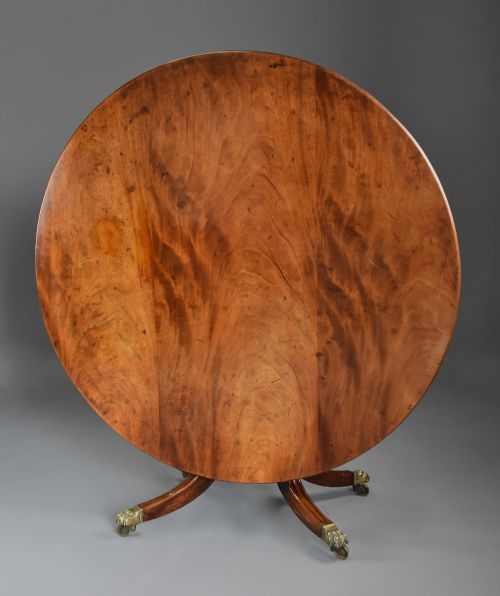
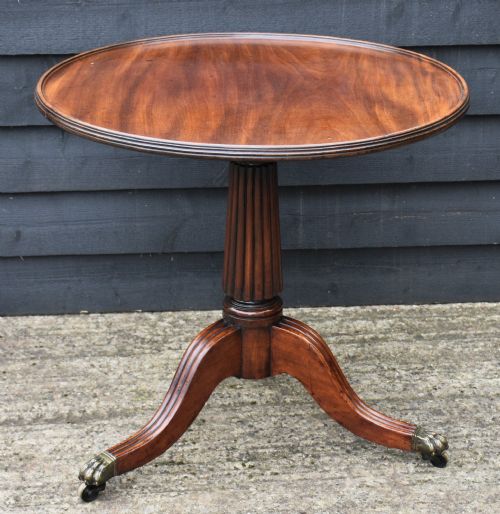
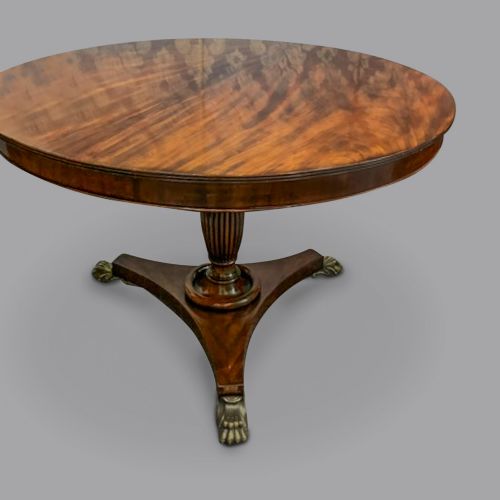
A brass paw foot table brings sculptural weight to a room, grounding card tables, sofa tables and centre pieces with solid cast metal terminals.
Brass Paw Foot Table
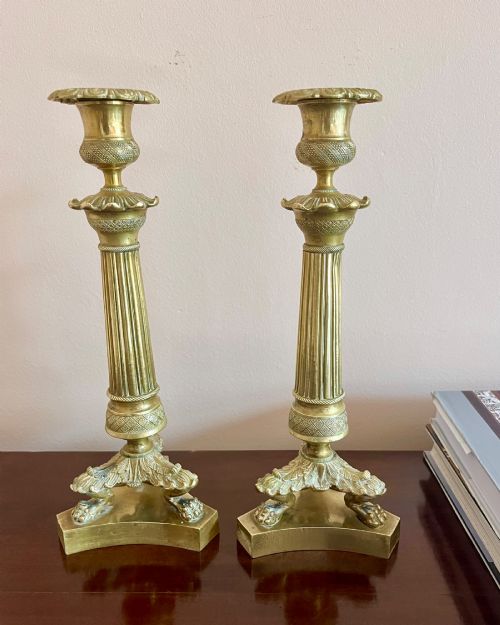
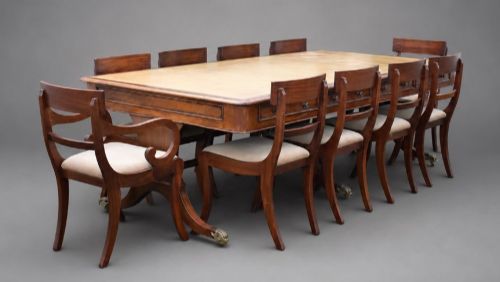
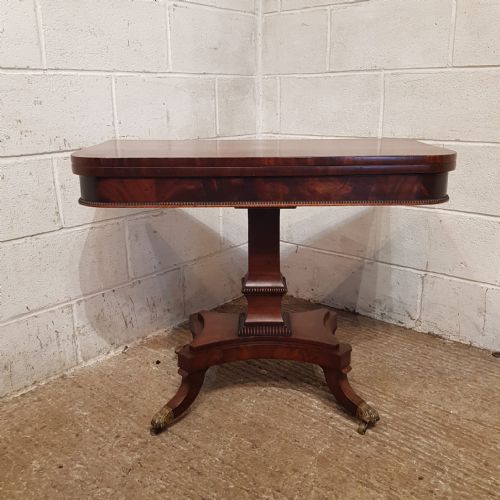
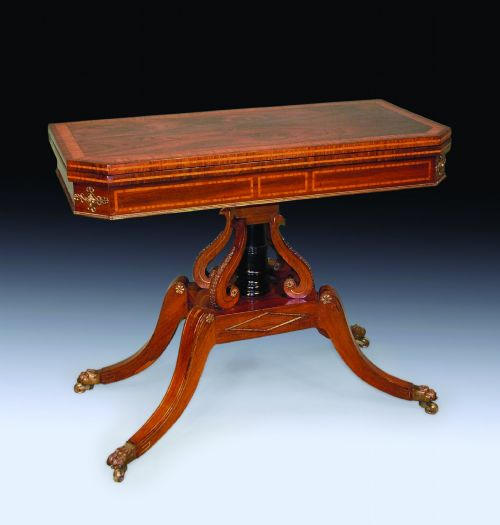
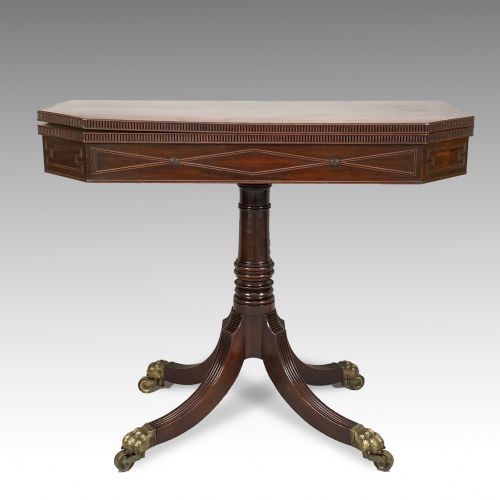
A brass paw foot table comprises furniture resting on cast or chased metal terminals shaped as animal paws, appearing primarily across Regency, Georgian and nineteenth-century forms. When searching for a brass paw foot table, buyers encounter utilitarian and decorative surfaces including sofa tables, card tables, breakfast tables and centre tables.
The surviving examples stem largely from the Regency and Georgian periods, alongside later nineteenth-century revivals and early twentieth-century interpretations. Timbers such as mahogany, rosewood and satinwood dominate the construction, providing dark contrast or rich grain beneath the mounted brass feet.
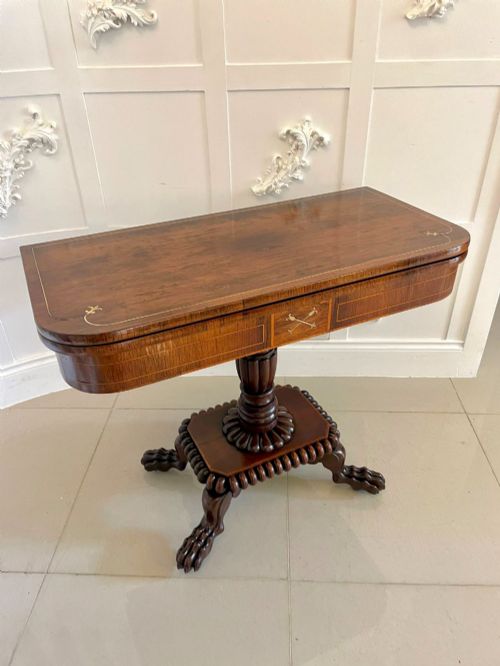
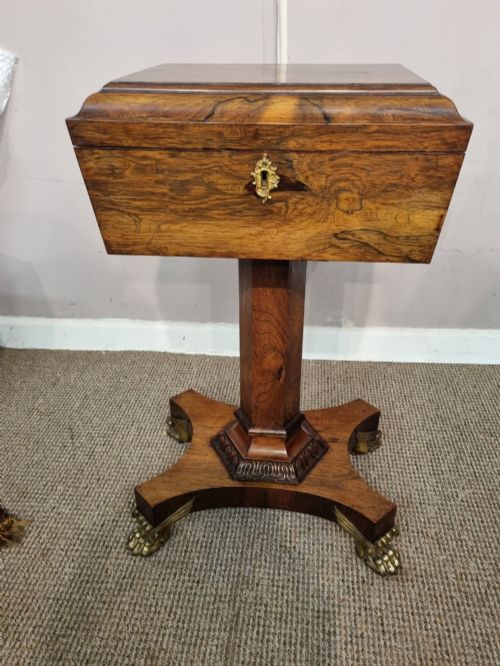
Forms vary from tripod tea tables with revolving tops to pedestal dining tables and fold-over games tables. The metal feet act as decorative punctuation at the base of legs, scroll pedestals or column supports.
Assessing quality and craftsmanship
Quality rests in the crispness of the brass casting and the selection of timber grain, where finely figured mahogany or richly contrasted rosewood elevates the piece. Superior examples display sharp definition in the paw terminals and seamless integration between the metal mounts and the underlying wood.
Proportion and structural integrity distinguish finer workshops from standard production. Well-executed pivot mechanisms on card tables, stable pedestal columns and tight veneer work indicate superior cabinetmaking standards from the period.
Brass Paw Foot Table Retail Price Guide 2026
Typical asking prices for brass paw foot table among the pieces listed under this phrase on Sellingantiques today, from the lower quarter to the upper quarter. They describe what is for sale here now, not the wider market.
Some nineteenth-century tables come fitted with hidden castors concealed neatly inside the brass paws so the furniture can stalk quietly across the carpet.
Gillows·John McLean
The Brass Paw Foot Table Glossary
- Sofa table
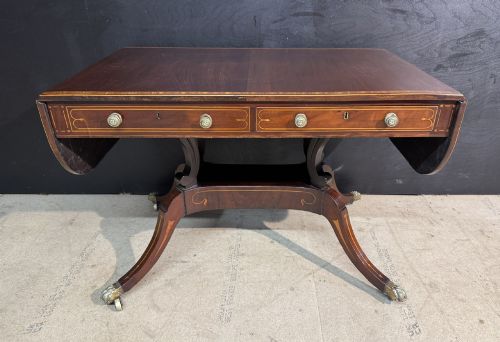
- A rectangular occasional table featuring drop leaves on either side, traditionally placed in front of a sofa. These pieces often incorporate two small drawers and trestle or pedestal ends.
- Card table
- A folding table designed for evening games, featuring a top that opens to reveal a baize-lined surface. Many examples rest on a central pedestal with branching legs terminating in brass paw feet.
- Rosewood
- A dense, heavily figured timber showing dark brown and black grain patterns. It was favoured by Regency and Georgian cabinetmakers for high-status tables.
- Ormolu
- Gilt bronze or brass used for mounts and decorative hardware. It provides a bright golden finish that complements dark cabinet timbers.
- Crossbanding
- A strip of veneer laid around the border of a table top with the grain running perpendicular to the centre panel. This technique frames the primary timber.
Brass Paw Foot Table: Frequently Asked Questions
Where should I place a brass paw foot table?
These tables suit principal reception rooms, acting as centre tables in hallways, sofa tables behind seating arrangements, or card tables against perimeter walls.
Their finished backs and detailed brass terminals allow them to sit independently in open spaces rather than pushed strictly against a wall.
How do I care for the brass feet?
Dust the metal gently with a dry cloth and avoid harsh chemical polishes that can strip the historic patination or damage adjacent wood veneers.
Permit the brass to retain its natural aged tone rather than rubbing it to a bright, modern shine.
How can I tell a Regency table from a later copy?
Examine the secondary woods inside drawers, the hand-cut fixings, and the method of timber seasoning. Regency pieces exhibit genuine age through shrinkage patterns and hand-chased metal casting.
Twentieth-century revivals often display standardised machine-made components and uniform interior framing.
What is the difference between a centre table and a occasional table?
Centre tables are designed to stand free in the middle of a room, finished with detail on all sides. They usually offer a larger, stable surface meant for display or general use.
Occasional tables are smaller, lighter pieces intended for specific, temporary tasks and easier movement around the home.