

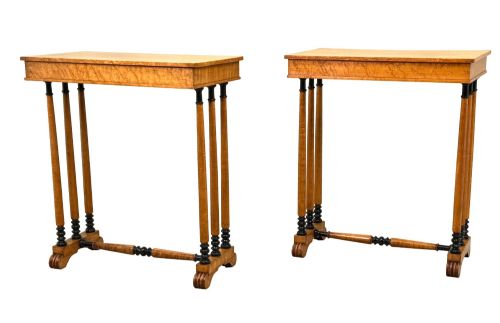
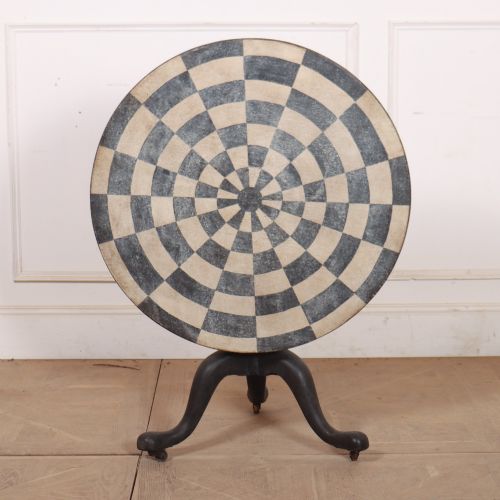
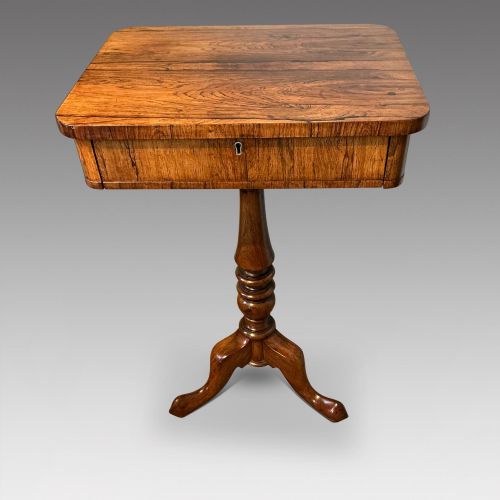
Regency Accent Table
Regency accent table designs bring compact elegance and clever folding tops into modern rooms.
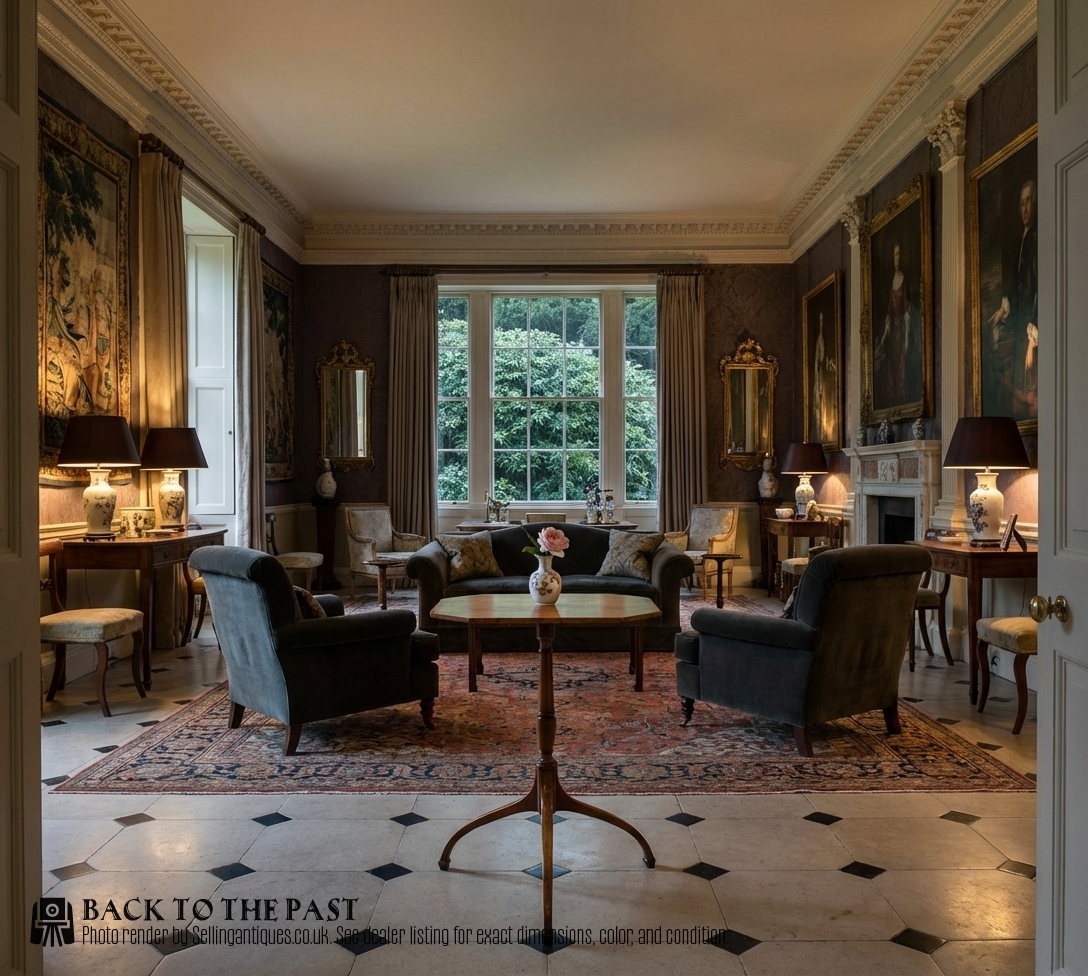
Regency Accent Table
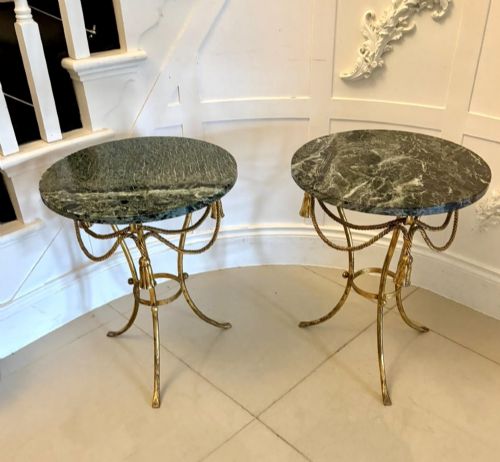
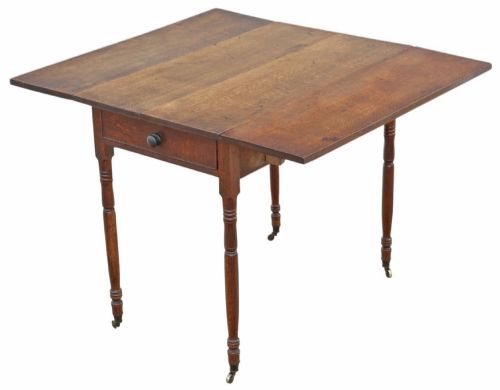
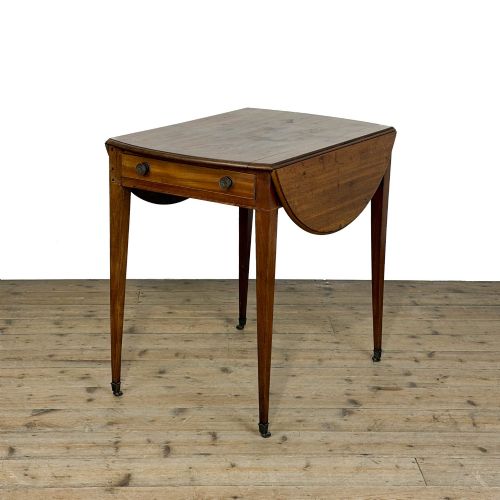
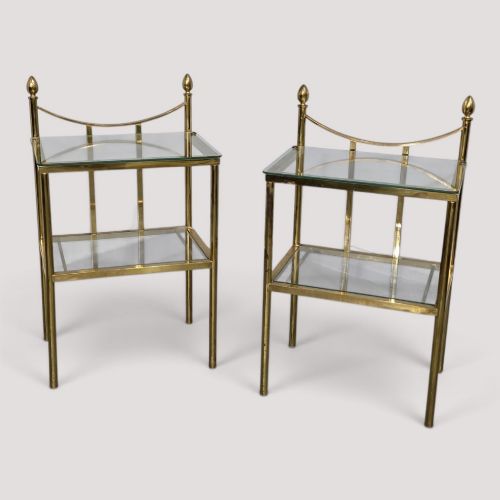
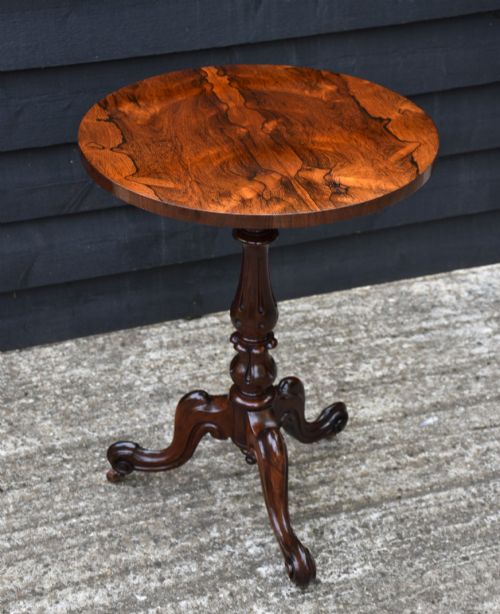
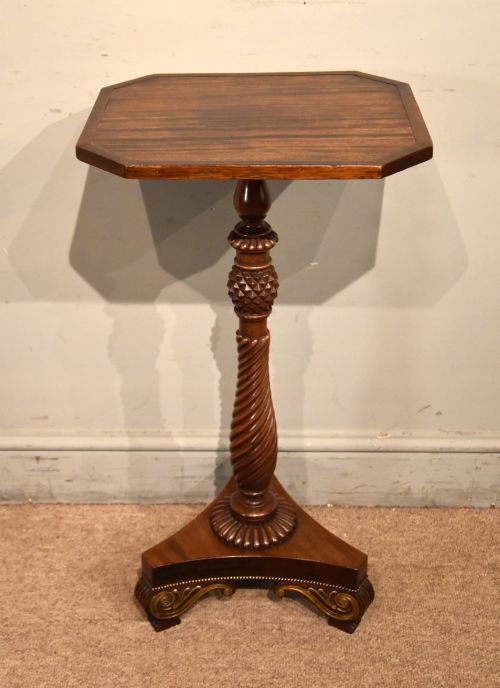
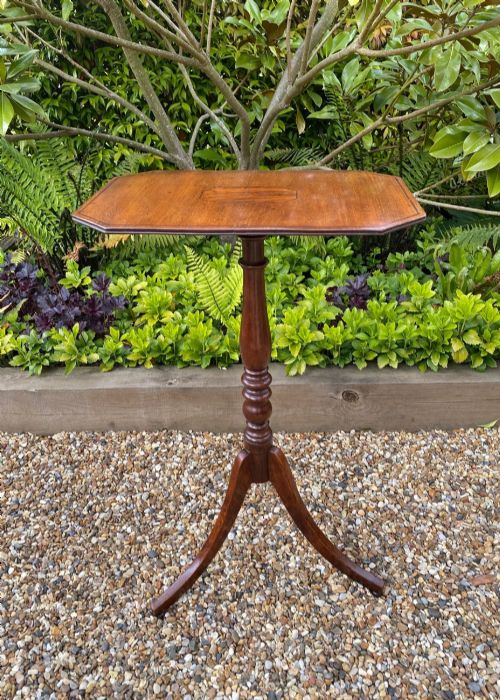
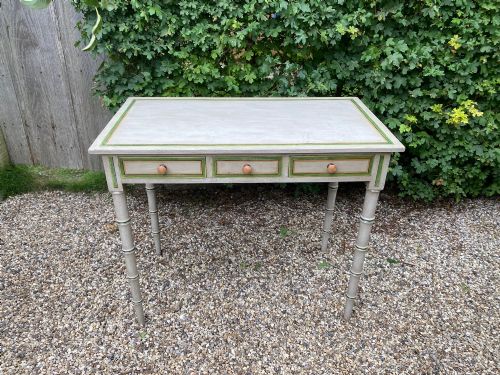
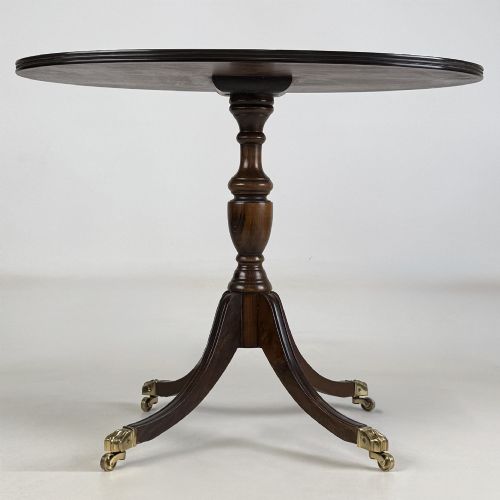
When you search for a regency accent table, you find a variety of small movable furniture designed for specific domestic tasks rather than grand dining. These pieces span Pembroke tables with drop flaps, round wine tables on tripod bases, and occasional side tables intended to sit beside seating.
The selections on this page reach from the early nineteenth century through later revivals, capturing forms originally built for writing, sewing, and holding lamps or drinks. Mahogany and rosewood dominate the early examples, while later revivals introduce alternative woods and metal frames.
Originating in an era of refined interior decoration, these tables prioritise mobility and utility. A buyer meets everything from plain oak kitchen examples to finely veneered satinwood and lacquer pieces created for fashionable parlours.
Materials and construction
Cabinet makers relied heavily on dense tropical hardwoods like mahogany and rosewood, often enhanced with contrasting veneers such as satinwood, olive, and birdseye maple. These timbers provided a stable base for delicate edge banding and decorative penwork.
Tripod bases and pillar supports allowed small tables to pivot or fold, while drop-leaf mechanisms on Pembroke tables used hinged flaps supported by swinging brackets. Brass castors, ormolu mounts, and leather inserts added functional luxury to writing and lamp tables.
Regency Accent Table Retail Price Guide 2026
Typical asking prices for regency accent table among the pieces listed under this phrase on Sellingantiques today, from the lower quarter to the upper quarter. They describe what is for sale here now, not the wider market.
Listings span the nineteenth and twentieth centuries, featuring mahogany, rosewood, oak, and brass alongside specialised forms like patience and sewing tables.
Distinctions in quality
The division between standard utility furniture and superior pieces rests in the selection of timber figures and the crispness of carved details. Finer tables display matched flame mahogany or intricate inlay work that demands advanced joinery skills.
Structural integrity and the cleverness of folding or pivoting mechanisms distinguish better workshops. Original brass hardware, unblemished leather surfaces, and balanced tripod proportions separate master-made examples from simpler provincial work.
Gillows
The Regency Accent Table Glossary
- Pembroke table
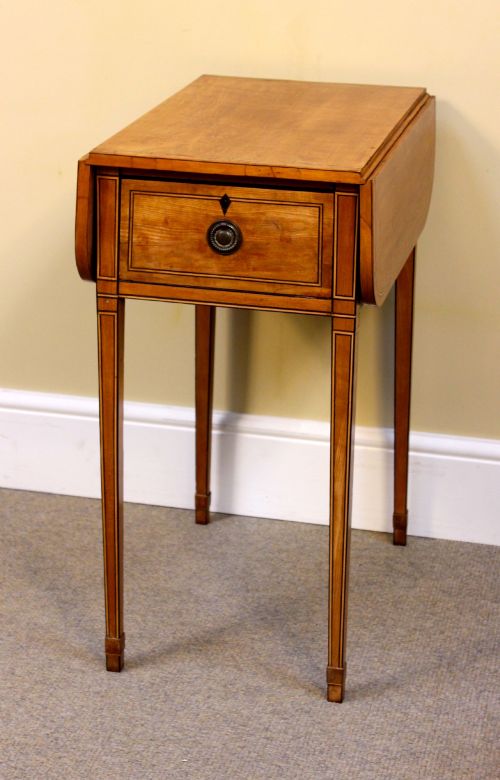
- A small rectangular table with two hinged drop flaps on opposing sides, often fitted with a drawer. This form gained popularity in the eighteenth century for breakfast and light writing tasks.
- Tripod table
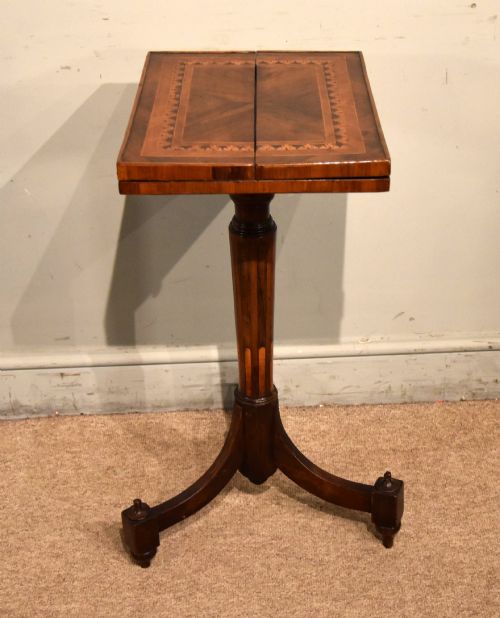
- A freestanding small table supported by a central pillar resting on three spreading legs. These tables often feature tilt-top mechanisms for storage against a wall.
- Occasional table
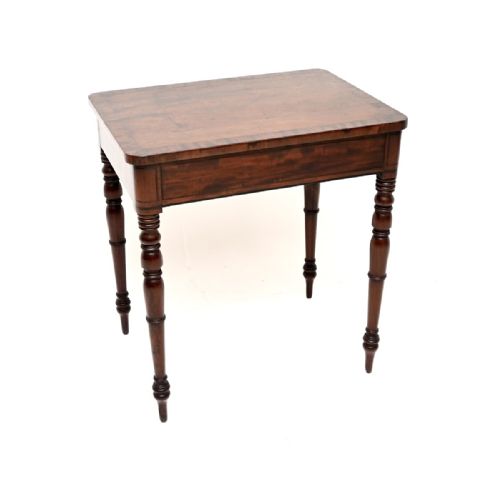
- A general term for a small movable table used for specific minor functions in a room. They appear in various shapes including round, oval, and square.
- Veneer
- A thin layer of finely figured wood applied over a secondary timber base to create decorative patterns. Cabinet makers utilised contrasting veneers like satinwood and rosewood to form borders and panels.
- Drop flap
- A hinged leaf attached to a table top that extends the surface area when supported. They allow compact furniture to expand for dining or writing.
Regency Accent Table: Frequently Asked Questions
What is a Pembroke table?
A Pembroke table is a small rectangular design featuring hinged drop flaps on opposite sides and usually a single drawer. Makers designed them to sit against walls and expand when needed for writing or light dining.
Their compact footprint made them versatile additions to drawing rooms and parlours throughout the Regency period and beyond.
How do I spot a true Regency piece?
Authentic Regency pieces typically date from the early nineteenth century and display classical restraint, balanced proportions, and dark dense timbers like mahogany and rosewood. Look for period construction methods in the drawer linings and pivot joints.
Later revivals from the twentieth century often use different secondary woods and modern fixings while copying the classical silhouettes.
Where should I place an accent table?
These small tables suit narrow hallways, beside armchairs as lamp stands, or as impromptu bedside surfaces. Their modest scale allows them to fit into corners where larger furniture cannot go.
Pembroke and drop-flap versions offer extra surface space only when required, keeping circulation areas clear.
What is the difference between a wine table and a lamp table?
Wine tables usually feature a small circular top on a slender tripod base, originally built to hold a single glass or bottle near a seating area. Lamp tables are generally sturdier and designed to support heavier lighting fixtures.
Both fall under the broader category of occasional tables used for flexible domestic arrangements.