

Regency Candle Stand
A regency candle stand brings focused height and candlelight to a room, offering practical lighting on a compact footprint.
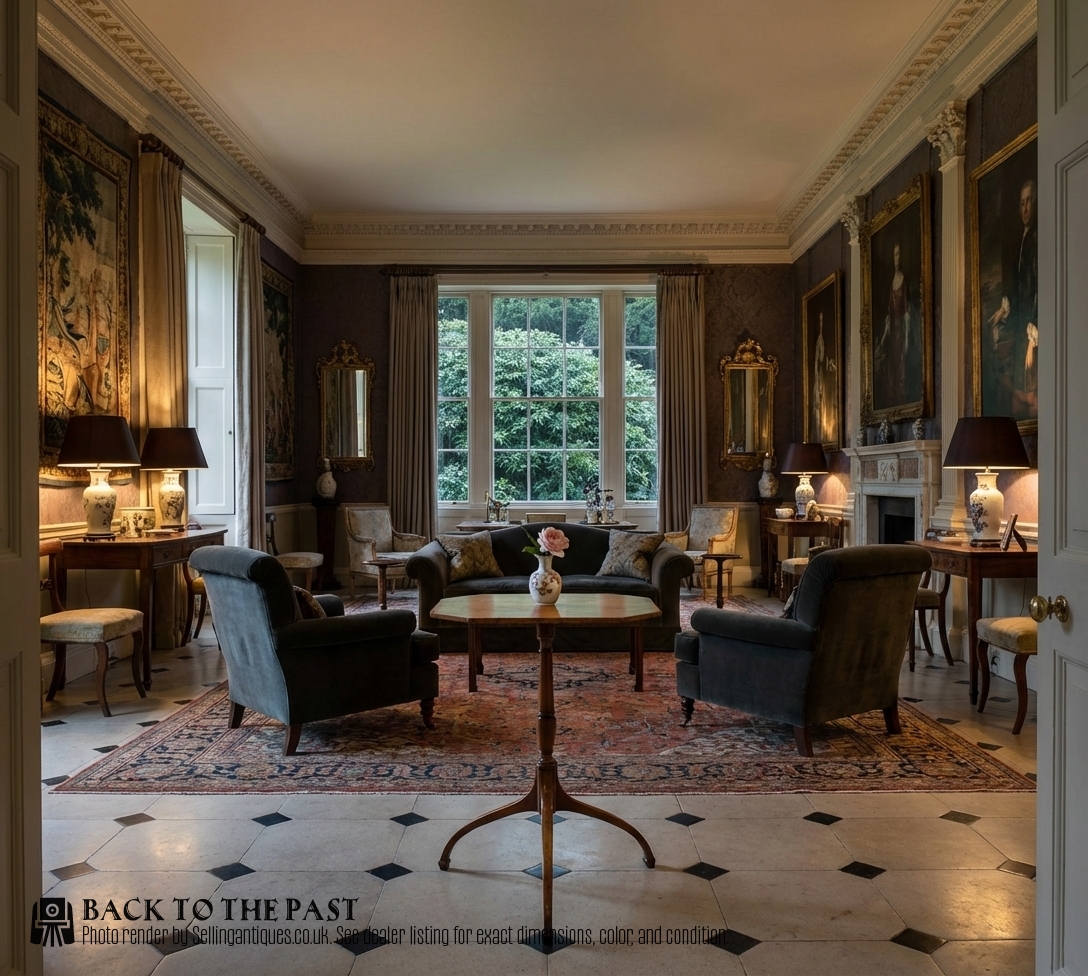
Regency Candle Stand
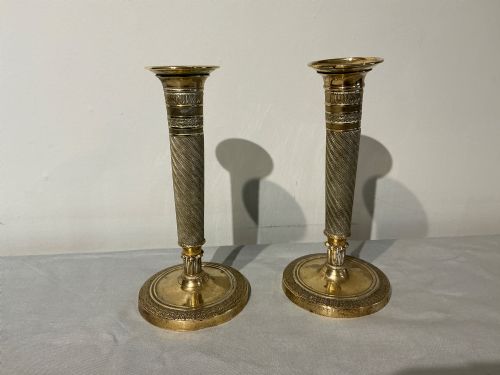
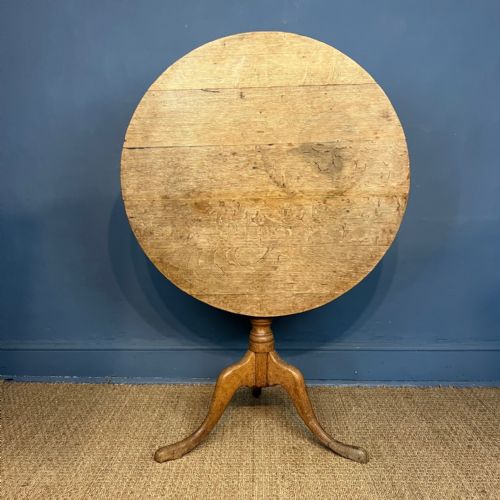
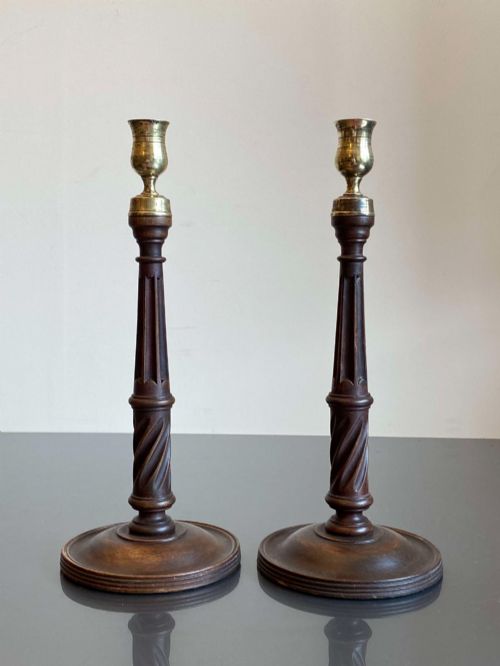
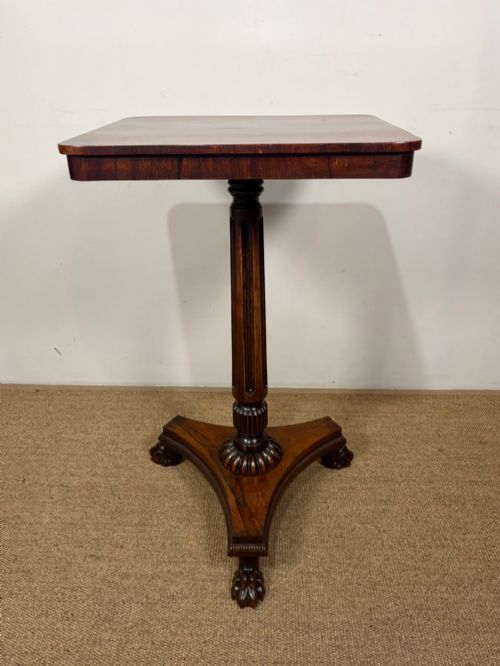
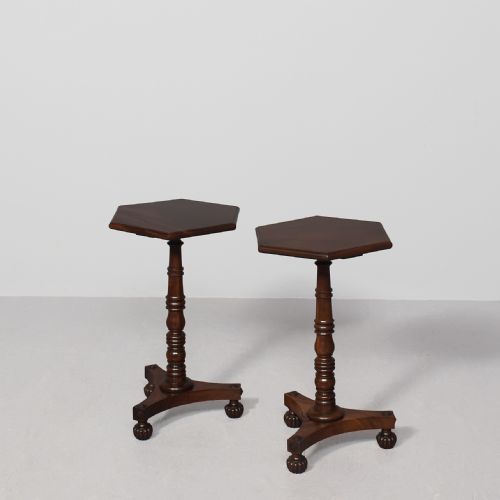
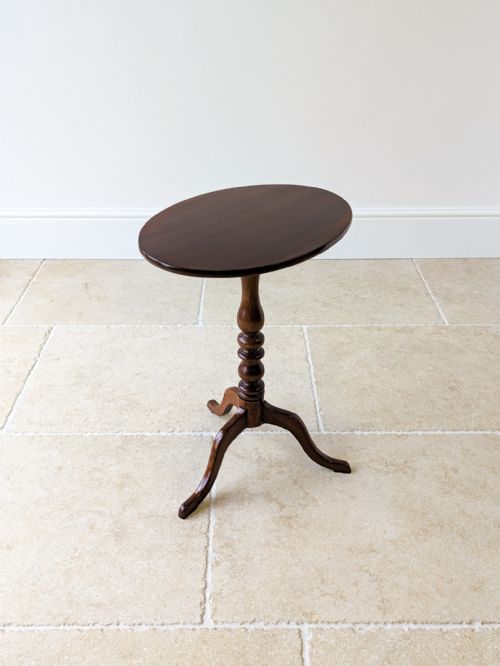
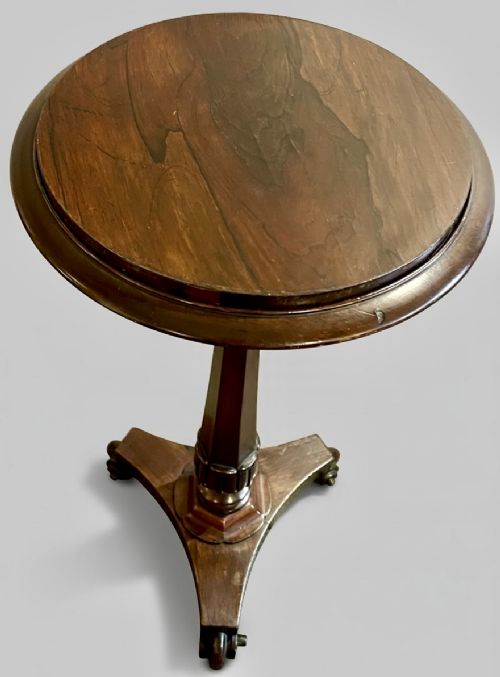
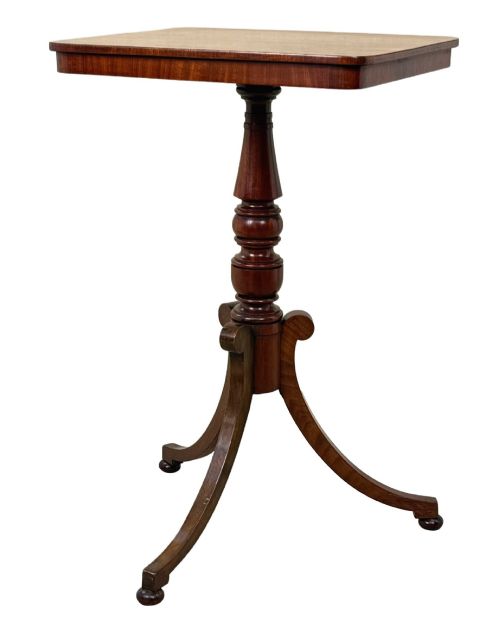
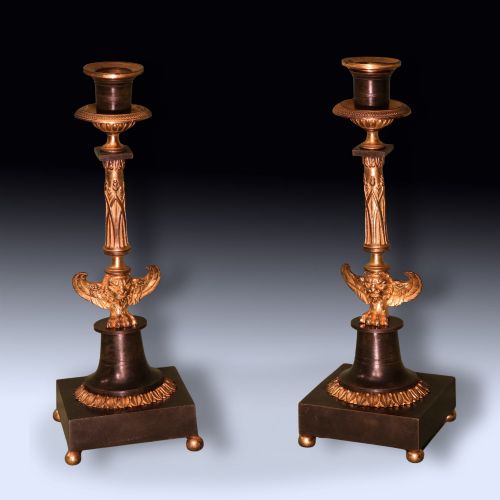
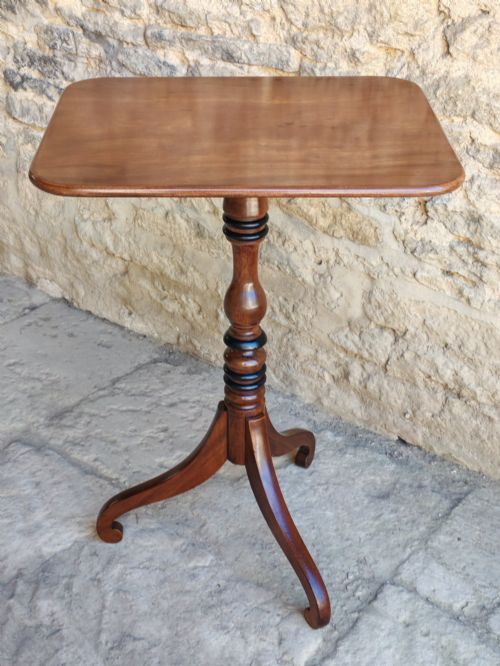
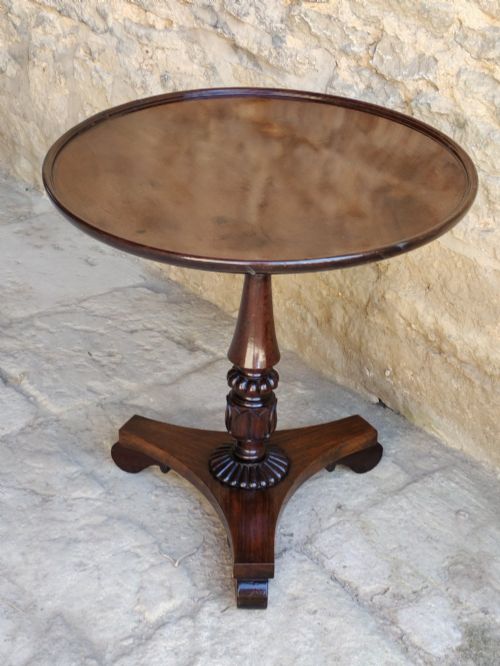
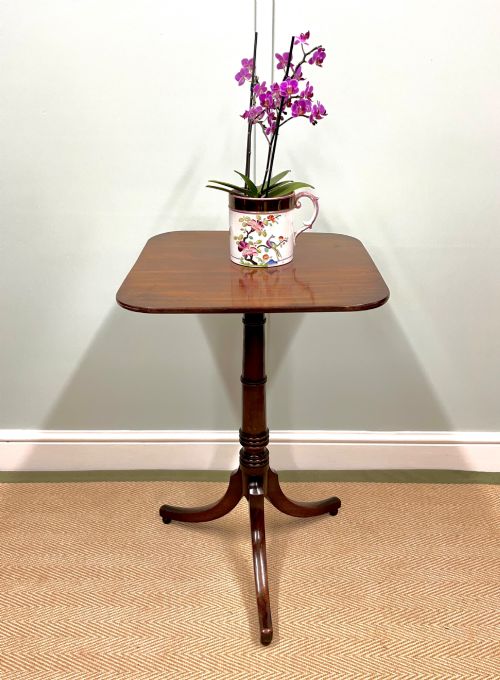
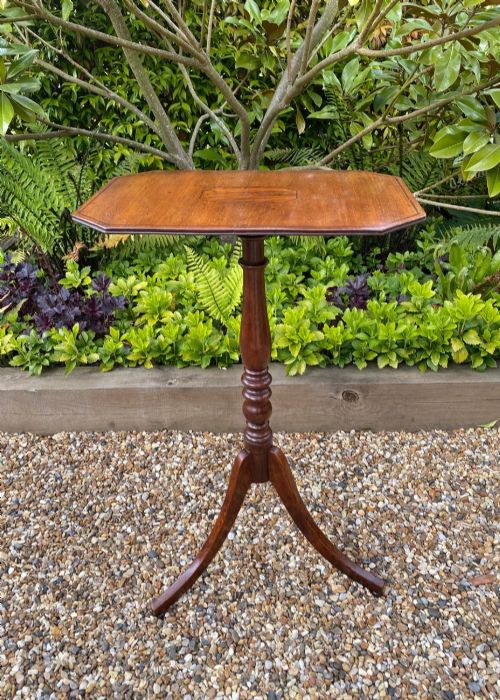
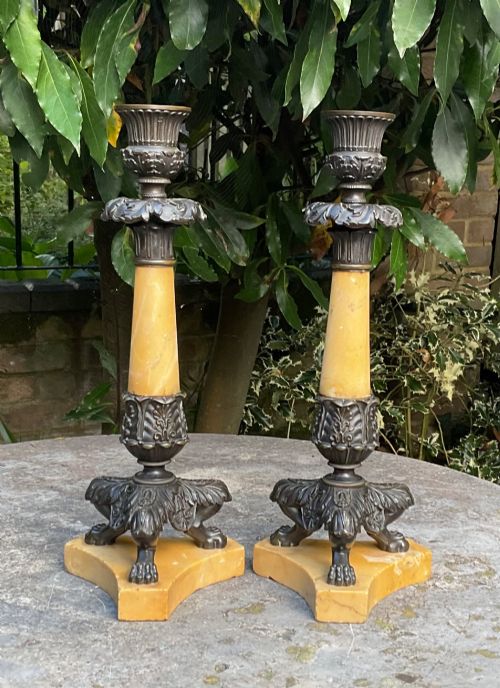
A regency candle stand takes several distinct physical forms across the inventory, ranging from dedicated candlesticks and multi-armed candelabra to small tripod tables and wine tables used to hold lamps or tapers. Buyers encounter occasional tables with tilt-top actions alongside dedicated torcheres and floor lamps.
The objects span multiple periods, predominantly the nineteenth century and the Regency era itself, with additional examples originating from the Georgian, William IV, and Victorian periods. Materials and construction link these diverse forms, uniting small occasional tables and standard candlesticks under the broader term.
Materials and construction
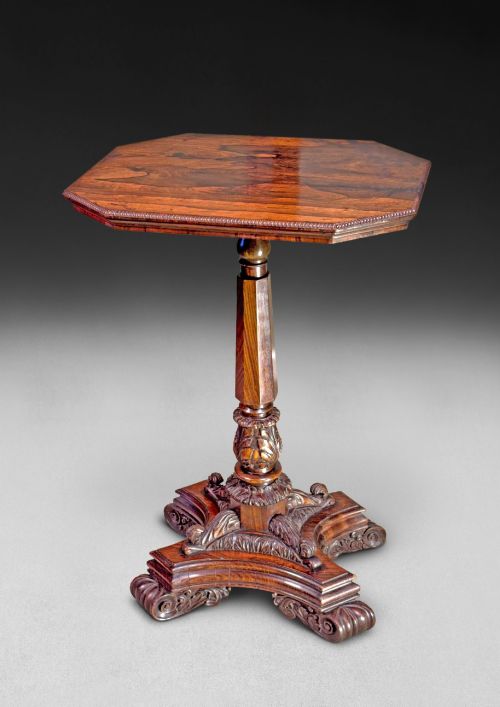
Cabinetmakers and metalworkers utilised a rich palette of timbers and metals, including mahogany, rosewood, walnut, fruitwood, ebony, brass, bronze, and gilt bronze. Wood pieces frequently employ tripod bases and clever mechanisms such as telescopic columns or tilt-top actions.
Decorative techniques recorded on the pieces include parcel gilding, boxwood inlay, penwork decoration, beadwork, and intricate casting of bronze and ormolu into sculptural forms like trees and foliage.
Regency Candle Stand Retail Price Guide 2026
Typical asking prices for regency candle stand among the pieces listed under this phrase on Sellingantiques today, from the lower quarter to the upper quarter. They describe what is for sale here now, not the wider market.
Squirrels climb among cast bronze tree branches on a pair of Regency candlesticks.
Assessing the craftsmanship
Quality rests in the crispness of the carving, the precision of the joinery on tripod bases, and the weight and detail of cast metal components like ormolu and bronze. Superior examples display refined proportions and deliberate material choices, such as solid rosewood or finely figured mahogany.
The sophistication of integrated mechanisms, including smooth tilt-top actions and telescopic height adjustments, distinguishes finer pieces from simpler utilitarian items. Surface decoration, from delicate boxwood inlay to sculptural casting, further elevates a piece.
Gillow·Pierre Philippe Thomire·Masons Ironstone·Ridgway
The Regency Candle Stand Glossary
- Tripod table
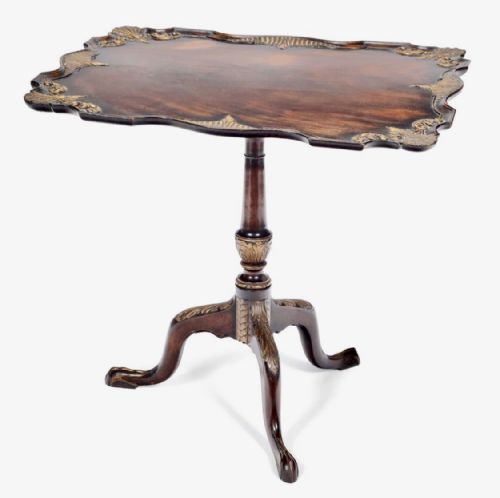
- A small occasional table supported by three legs radiating from a central pillar. These tables often feature tilt-top actions for storage.
- Ormolu
- Gilded bronze applied as a decorative mount on furniture or cast into standalone candelabra. It provides a bright golden finish against dark woods.
- Torchere
- A tall stand designed to support a candle or lamp. They appear in timber and bronze formations within the inventory.
- Tilt-top action
- A mechanical hinge beneath a table top allowing the surface to fold vertical when not in use. This mechanism appears frequently on occasional and wine tables.
- Campana sconce
- A vase-shaped candle socket resembling an inverted bell. This shape appears commonly on period candlesticks and candelabra.
Regency Candle Stand: Frequently Asked Questions
What is a regency candle stand used for?
These pieces provide elevated lighting or a stable surface for portable lamps and tapers within domestic interiors. They are designed to occupy minimal floor space while positioning light precisely where needed.
Historically, they placed illumination beside seating areas or highlighted specific corners of a room. Today, collectors utilise them as functional accent furniture for candles and small decorative objects.
How do I identify a regency period piece?
Authentic pieces from the period often exhibit specific stylistic markers such as classical proportions, reeded pedestal columns, and specific timber selections like richly grained mahogany and rosewood. Hardware and bronze mounts reflect classical motifs popular during the early nineteenth century.
Construction methods also provide clues, with period joinery and hand-turned components differing significantly from later revival pieces. Comparing the secondary woods and construction details helps confirm the age.
What is the difference between a torchere and a wine table?
A torchere is typically taller and narrower, designed specifically to elevate a light source or plant above floor level. They often feature prominent vertical pedestals.
A wine table is generally lower, built with a small top intended to hold glasses or bottles alongside a seating arrangement. Both frequently employ tripod bases for stability.
Are these stands stable enough for daily use?
Tripod bases provide natural stability on uneven historical floors by distributing weight across three points of contact. The solid timber construction ensures structural durability.
Care should be taken with tilt-top mechanisms and telescopic columns during adjustment. Routine placement on level surfaces keeps the stands secure for regular placement of items.