
Georgian Tripod Stand
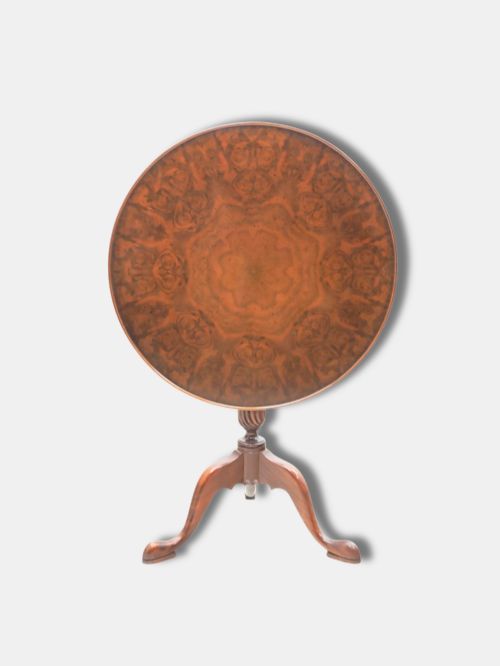
These georgian tripod stand pieces combine practical small-scale surfaces with the rich timber grain of the eighteenth and nineteenth centuries, offering collectors versatile display furniture.
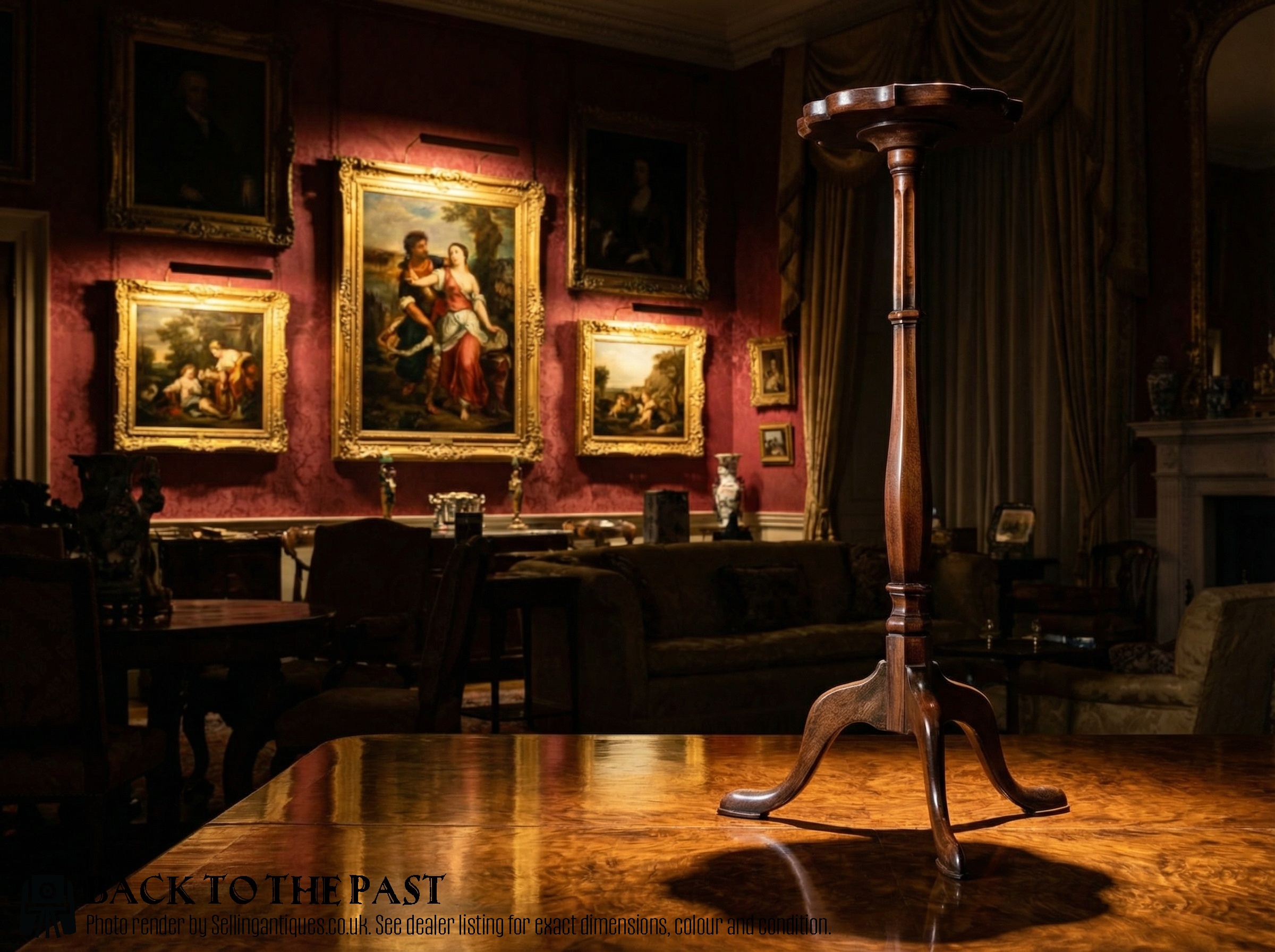
What a georgian tripod stand is
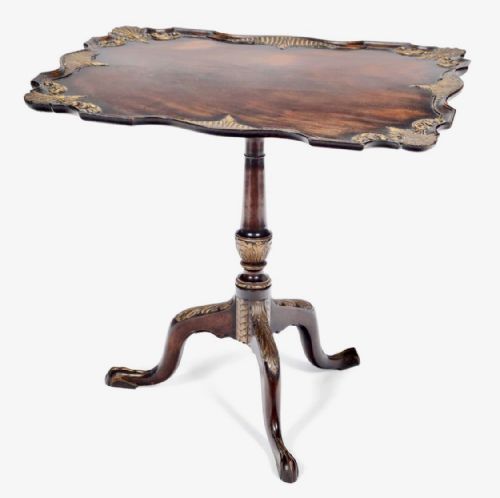
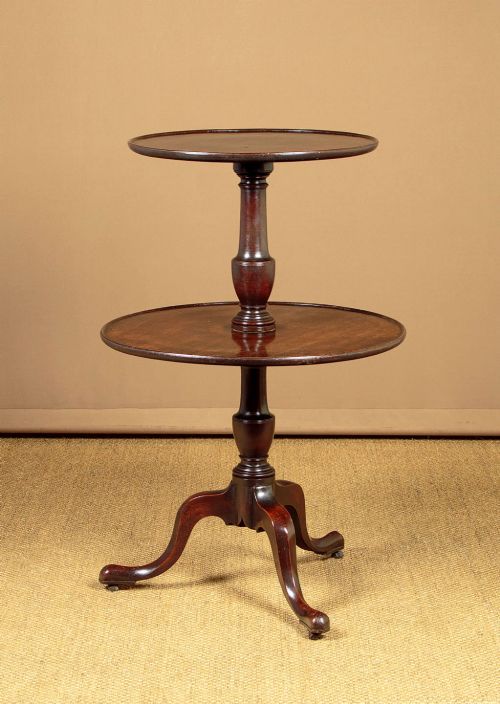
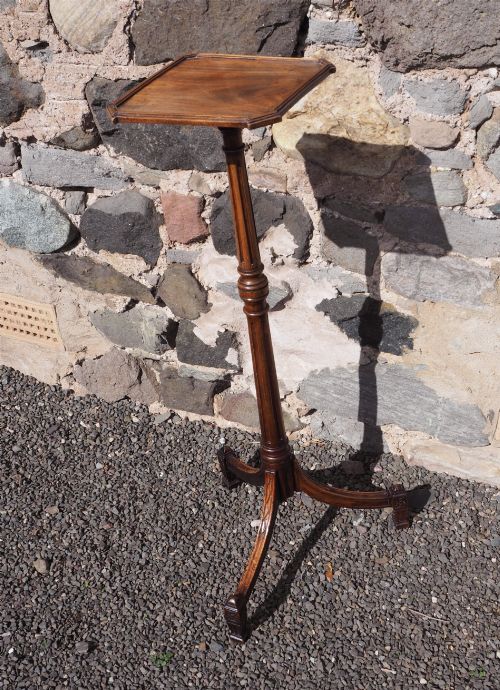
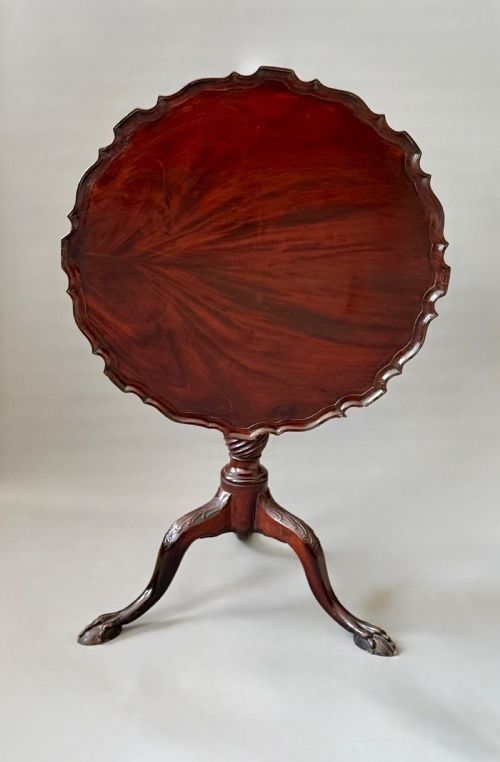
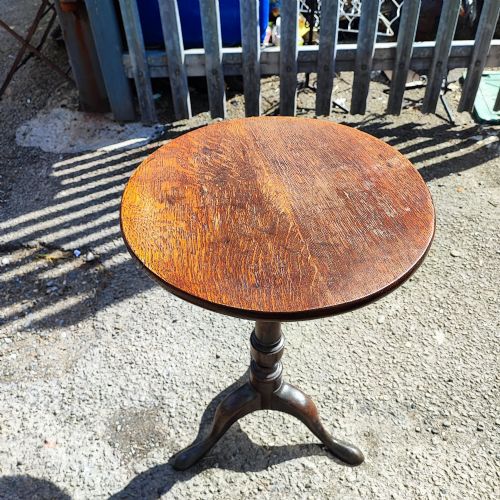
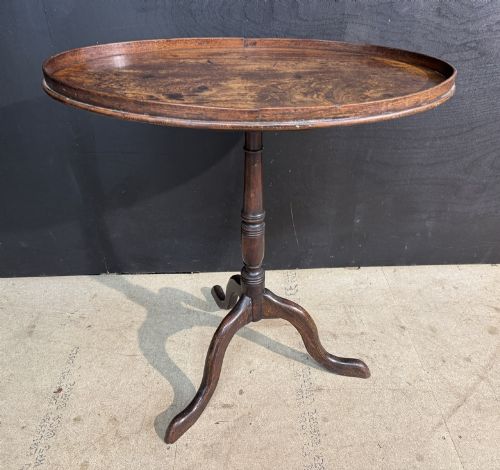
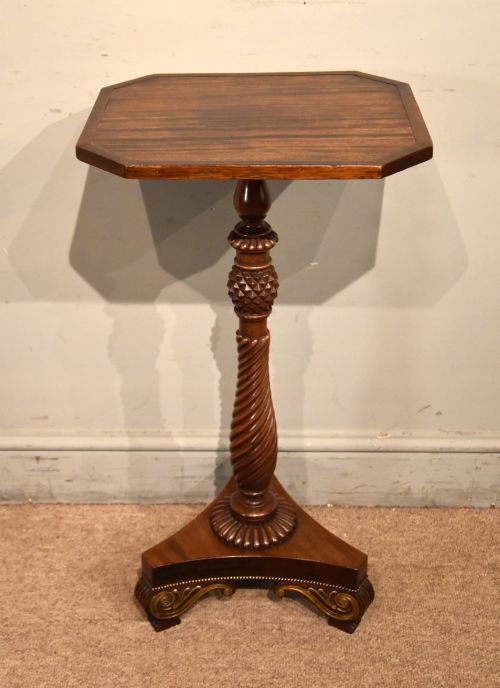
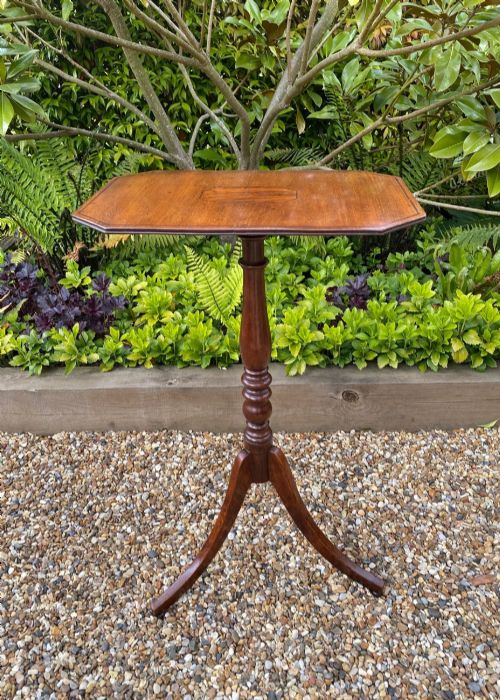
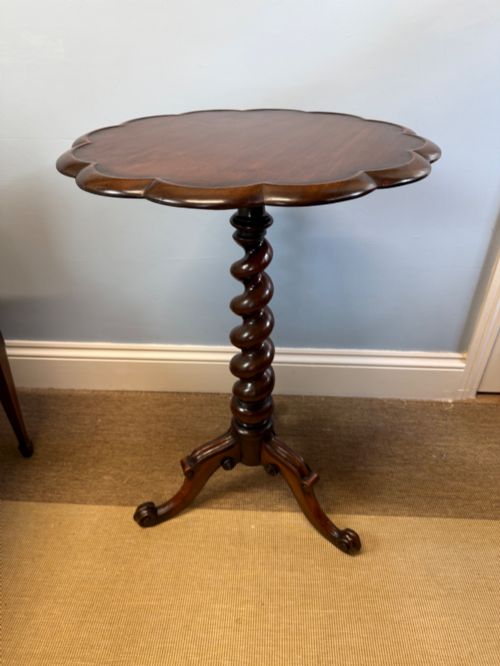
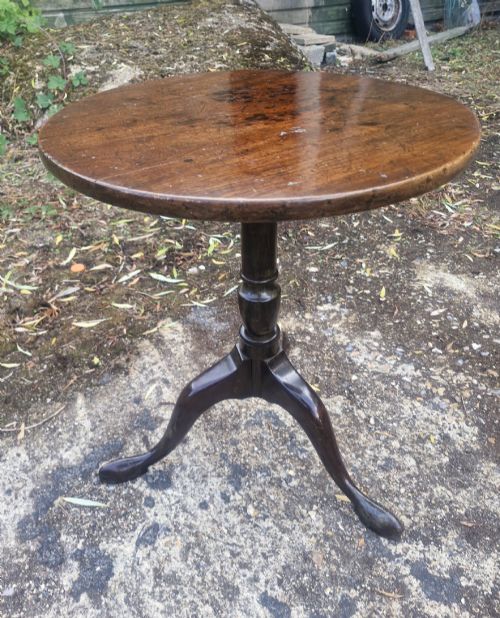
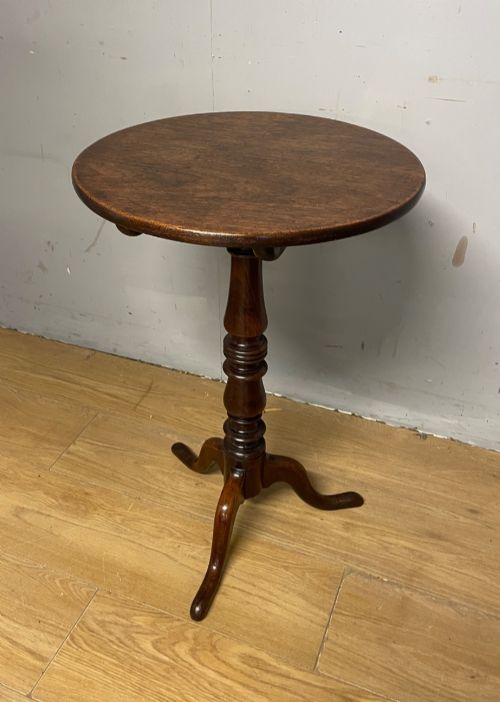
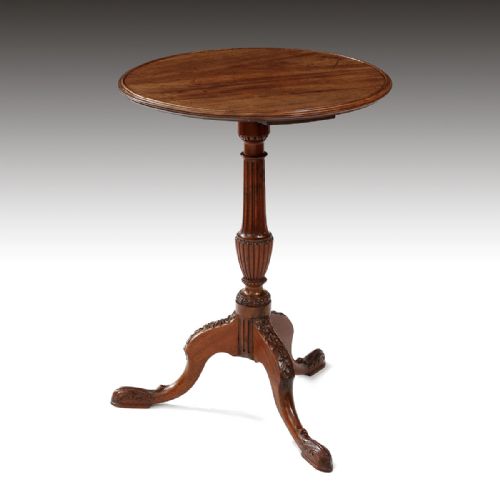
When you search for a georgian tripod stand, you encounter a specialised form of small support furniture designed for specific domestic tasks. The listings include dumb waiters, torchères, candle stands, wine tables, occasional tables, washstands, side tables, wig stands, and pedestals.
The pieces span the Georgian period, the eighteenth and nineteenth centuries, an example dated around eighteen hundred, and a later nineteenth-twenty reproduction from nineteen twenty. Mahogany predominates among the surviving forms, alongside walnut, fruitwood, oak, yew wood, and iron.
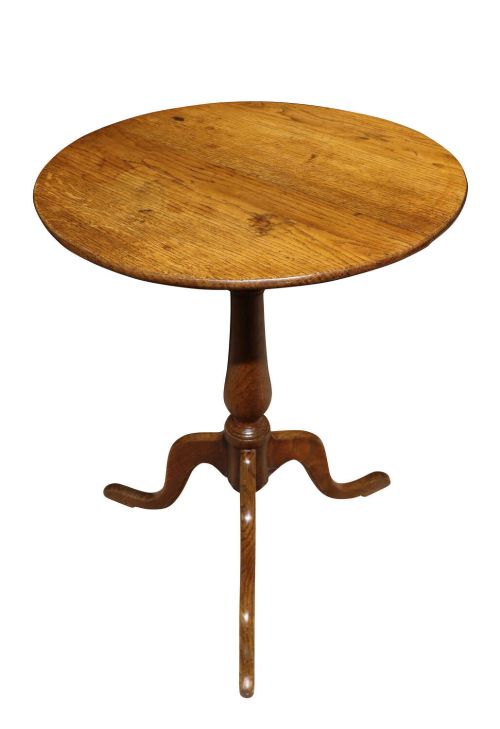
Buyers most frequently meet wine tables and candle stands with circular tops, alongside multi-tiered dumb waiters and functional washstands. These compact items suit corners and beside seating where a full-sized table occupies too much floor space.
How they were made
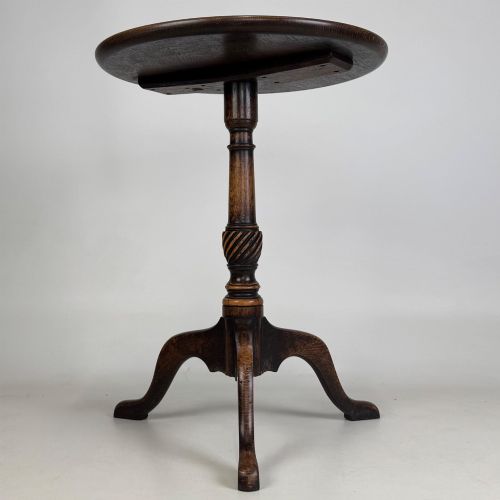
Cabinet makers constructed these stands using solid timbers such as mahogany, walnut, fruitwood, oak, and yew wood, often shaping tops from single boards or joining them securely to central pillars. Metal components appear in brass fittings and iron tripod trivet frames, combining structural strength with decorative utility.
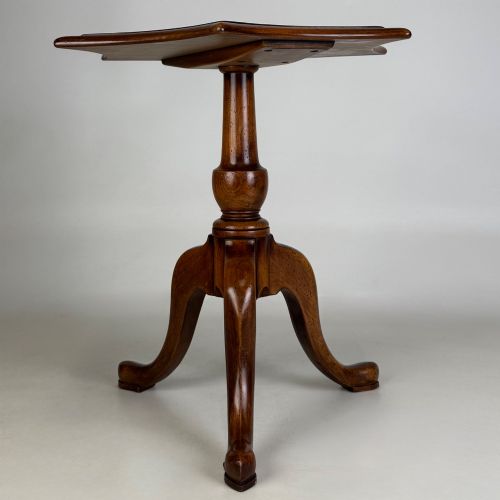
Turned central columns taper down to three splayed legs that provide stable footing on uneven floors. Joinery relies on traditional pegging and tenoning methods to attach the pillar to the legs and the upper surface.
Retail Price Guide 2026
Typical UK retail prices for georgian tripod stand, calculated from the Sellingantiques database of over a million retail prices indexed since 2003. This retail price guide relies exclusively on Sellingantiques data; no external sources or auction records are used, so the figures do not describe the wider market.
What varies in quality
The distinction between standard examples and superior pieces rests on timber selection and the crispness of the turning on the central pillar. Finely figured mahogany and dense walnut display rich grain patterns that elevate the visual presence of a small stand.
Proportion and stability dictate the merit of the construction, where balanced leg splay ensures the stand supports weight without tipping. Subtle moulding profiles and clean dish-top depressions demonstrate the care taken by the original maker.
The Georgian Tripod Stand Glossary
- Tripod
- A support structure featuring three legs radiating from a central column. This arrangement ensures stability on uneven floor surfaces without rocking.
- Torchère
- A tall, slender stand designed to hold a candle or light source. These pieces elevate illumination to light dark corners of a room.
- Dumb waiter
- A tiered stand with multiple revolving or stationary trays. It served meals without requiring servants to remain at the table.
- Dish top
- A table top with a raised, concave rim carved directly from the solid wood. This feature prevented vessels from sliding off the edge.
Frequently Asked Questions
What rooms suit a georgian tripod stand?
These compact pieces fit easily beside chairs, in empty corners, or alongside beds to hold small items.
Their narrow footprints make them practical additions to hallways, sitting rooms, and studies without crowding the space.
How were wine tables used originally?
Wine tables provided a convenient surface for holding glasses and bottles close to seated guests during evening gatherings.
The small top kept refreshments within arm's reach without needing a full dining table.
How do I care for antique wood stands?
Keep wooden furniture away from direct heat sources and strong sunlight to prevent the timber from drying out or splitting.
Apply traditional wax polish occasionally and buff gently with a soft cloth to maintain the lustre of the grain.