


Brown Wooden Wine Table
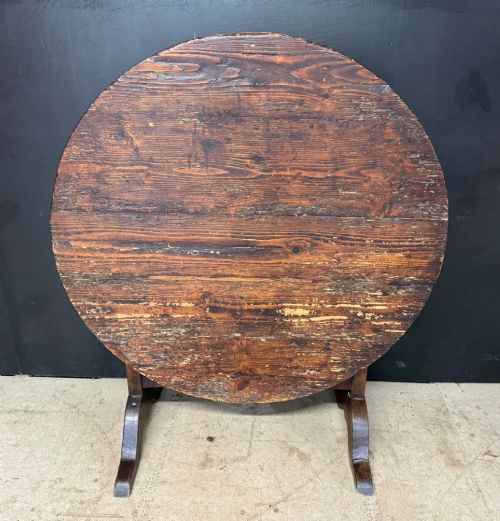
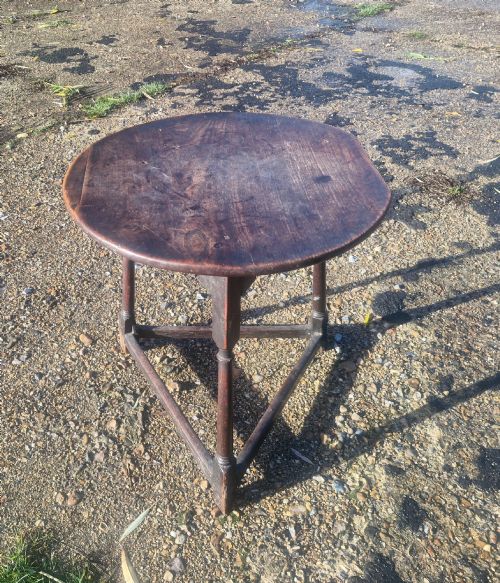
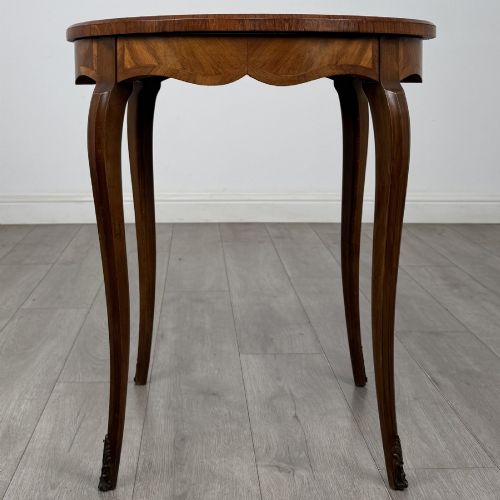
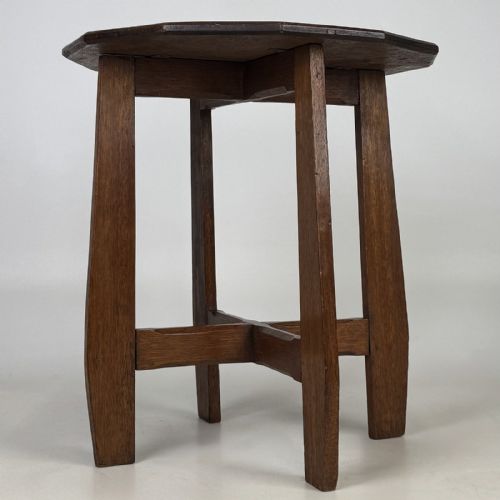
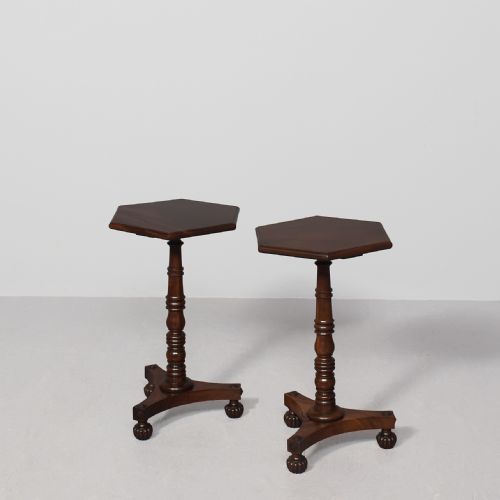
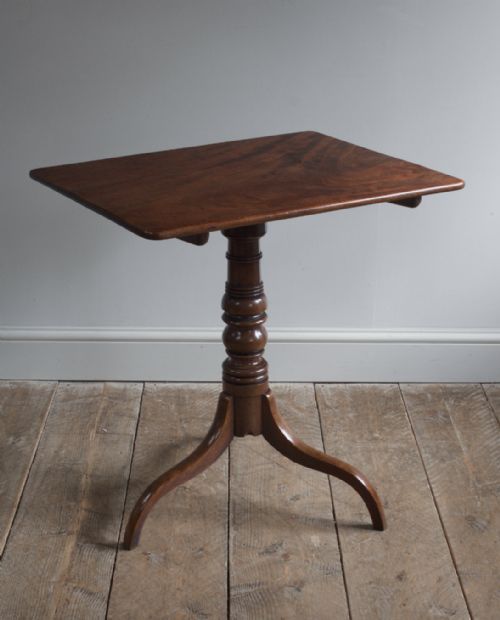
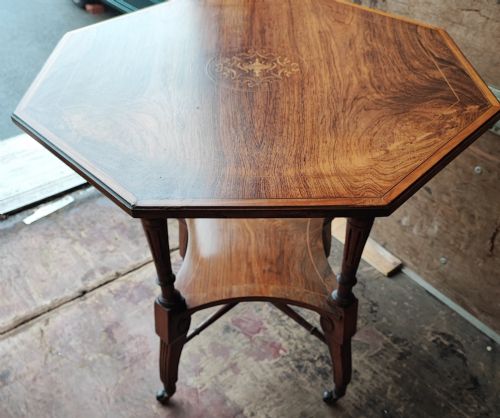
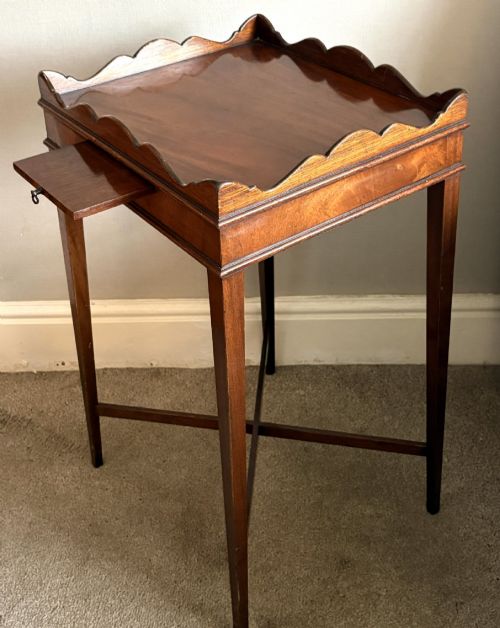
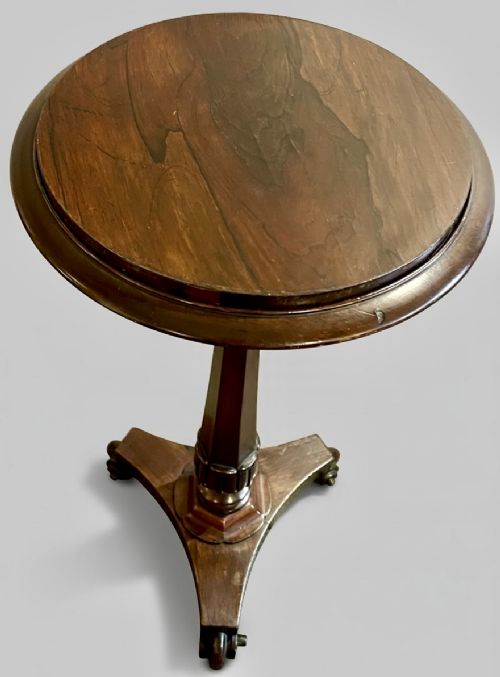
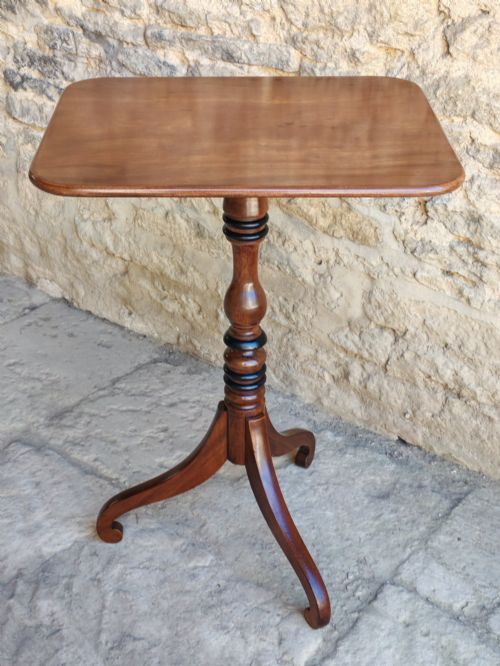
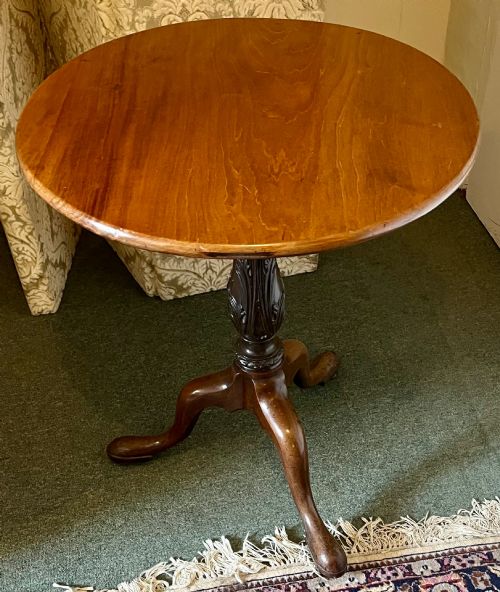
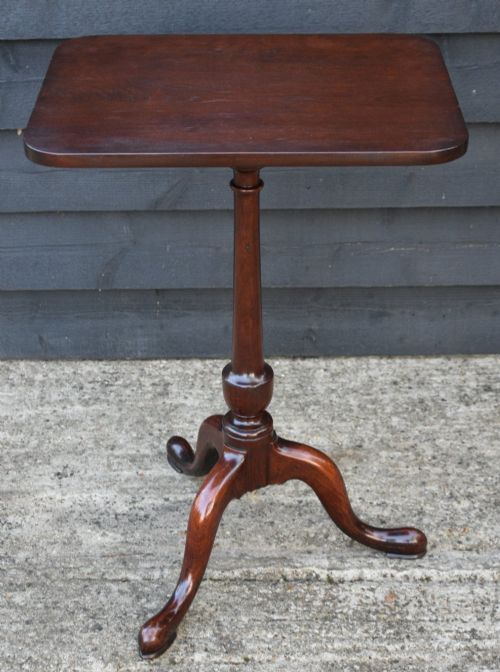
A brown wooden wine table offers compact utility, and you will find examples here spanning from the Georgian period through to the 1930s.
Brown Wooden Wine Table
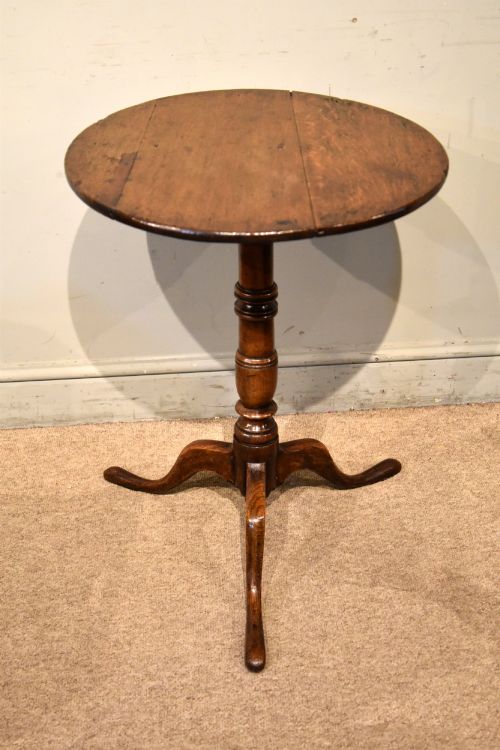
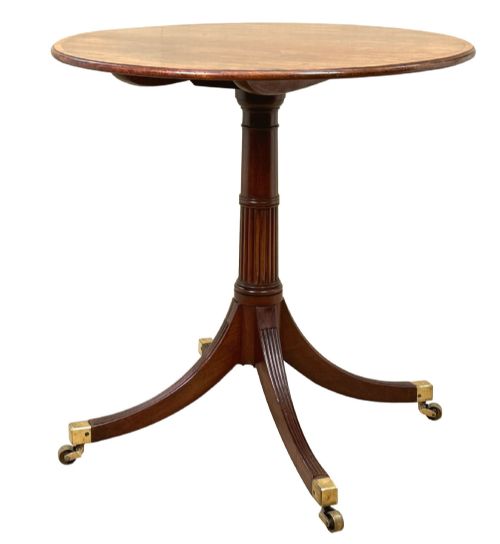
When you search for a brown wooden wine table, you encounter small pedestal tables designed originally to hold a single glass and bottle, evolving into versatile occasional pieces. The selection here ranges from compact 18th-century Georgian and Regency tripod designs to Edwardian and later mahogany or oak interpretations.
How they were made
Cabinetmakers constructed these tables using solid hardwoods like mahogany, oak, and fruitwood, often supported by turned pedestals and tripod legs. Some pieces incorporate decorative elements such as brass fixtures, veneer surfaces, and delicate inlay work.
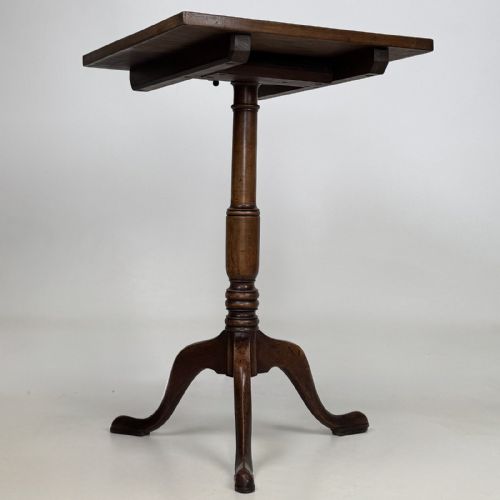
The tilting mechanism on many examples utilises a birdcage or block catch, allowing the top to pivot upright when not in use. Joinery typically involves pegged tenons or secure centre screws connecting the column to the base.
Brown Wooden Wine Table Retail Price Guide 2026
Typical asking prices for brown wooden wine table among the pieces listed under this phrase on Sellingantiques today, from the lower quarter to the upper quarter. They describe what is for sale here now, not the wider market.
Several tilt-top tables feature ingenious birdcage mechanisms that let the surface swivel in circles while preparing to fold upright.
What varies in quality
The distinction between standard examples and superior pieces rests on the choice of timber and the crispness of the turning on the central column. Tables featuring finely figured mahogany or burr oak, combined with elegant cabriole or swept tripod legs, represent the higher tier of craftsmanship.
Stability and proportion dictate the enduring appeal of each table. A well-balanced base that meets the floor evenly without wobble, alongside subtle proportion in the pillar and top, separates everyday utility furniture from refined period pieces.
The Brown Wooden Wine Table Glossary
- Tilt-top
- A table mechanism allowing the top to pivot from horizontal to vertical for easy storage. This ingenious design became a staple of 18th and 19th-century occasional furniture.
- Tripod base
- A three-legged support system providing stability on uneven floors. It remains a defining feature of pedestal wine tables and urn stands.
- Birdcage
- A timber framework beneath the table top that enables both rotation and tilting actions. Found primarily on finer period stands.
- Urn stand
- A small, elevated table originally intended for holding a tea urn or beverage container. These often display refined oval tops and slender legs.
- Inlay
- A decorative technique inserting contrasting woods or brass into the primary timber surface. This detail enhances the visual depth of Regency and Edwardian pieces.
Brown Wooden Wine Table: Frequently Asked Questions
What is a brown wooden wine table used for?
These tables function as versatile occasional surfaces suited for holding drinks, books, or lamps beside seating. Their compact footprint allows them to fit easily into smaller spaces.
Historically designed to hold wine glasses during social gatherings, they now serve decorative and practical roles throughout the home.
How do I identify a Georgian wine table?
Georgian examples typically display sturdy mahogany or oak construction with tripod pedestal bases and turned columns. Many feature tilt-top actions with birdcage mechanisms.
Proportions tend to be elegant and restrained, reflecting the prevailing design aesthetics of the 18th century.
Are all these tables made from solid wood?
While many pieces utilise solid timber such as oak, elm, walnut, and fruitwood, others incorporate decorative veneers over secondary woods. Inlay and contrasting borders also appear on specific period styles.
Checking the grain patterns and edge construction helps reveal the specific materials employed by the cabinetmaker.
How do I care for a vintage wooden table?
Maintain the finish by avoiding direct sunlight and placing the table away from sudden temperature shifts. Regular dusting with a soft cloth preserves the timber surface.
Applying occasional appropriate wax feeds the wood without building up heavy chemical residues that dull the natural grain.