
Georgian Rosewood Side Table
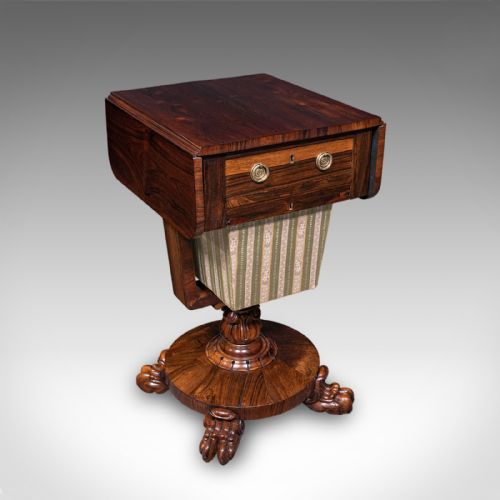
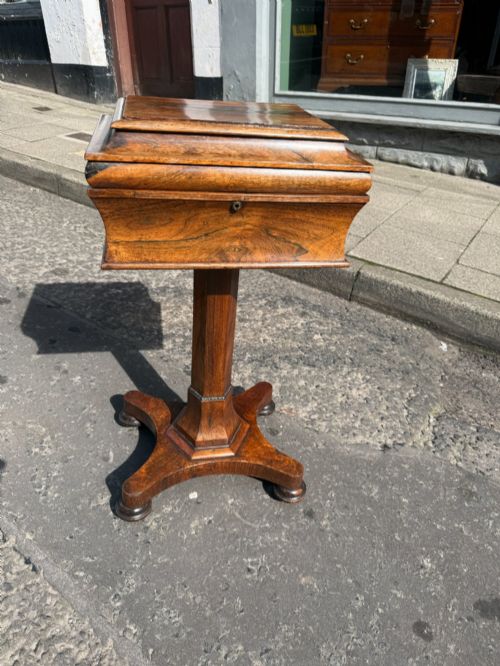
A georgian rosewood side table brings rich grain and refined lines to a room, offering both practical surface space and enduring period character.
Identifying the georgian rosewood side table
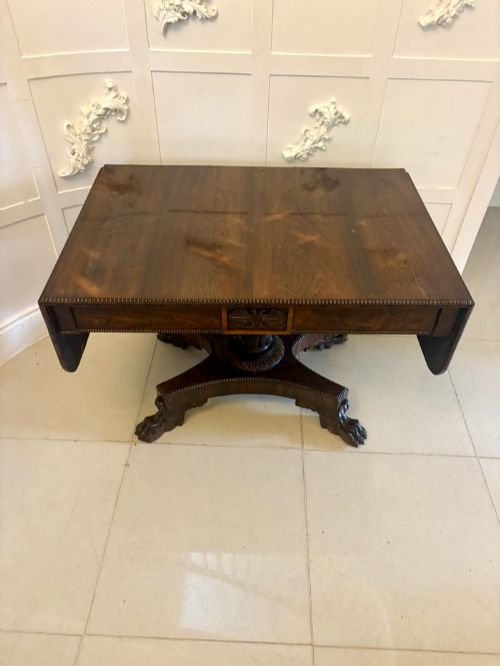
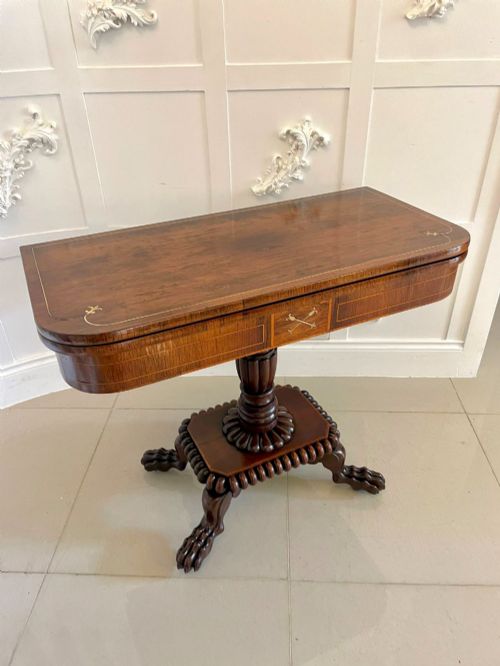
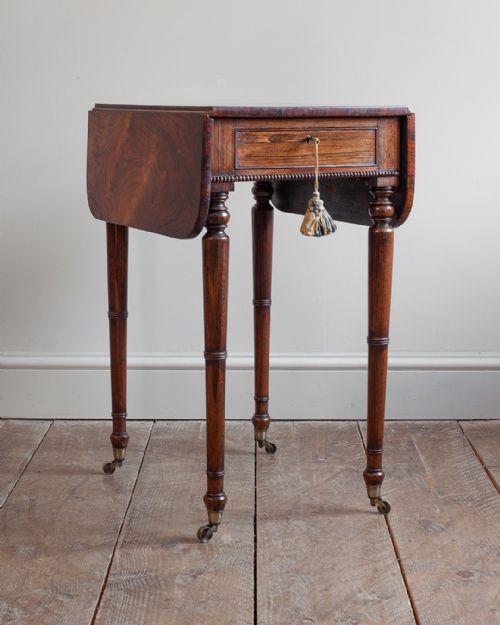
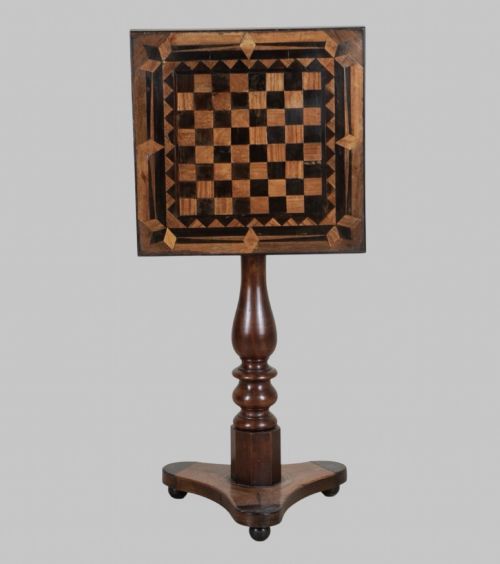
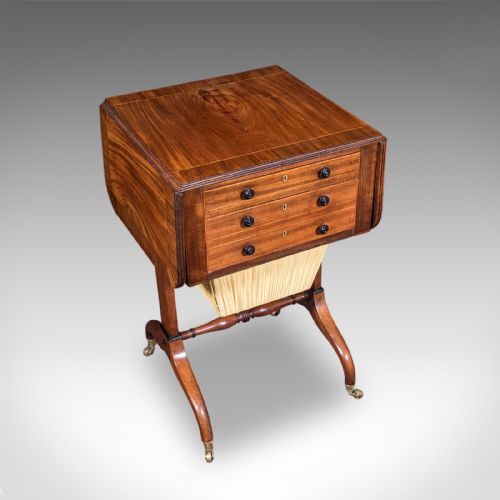
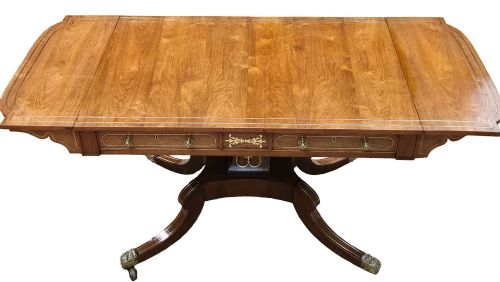
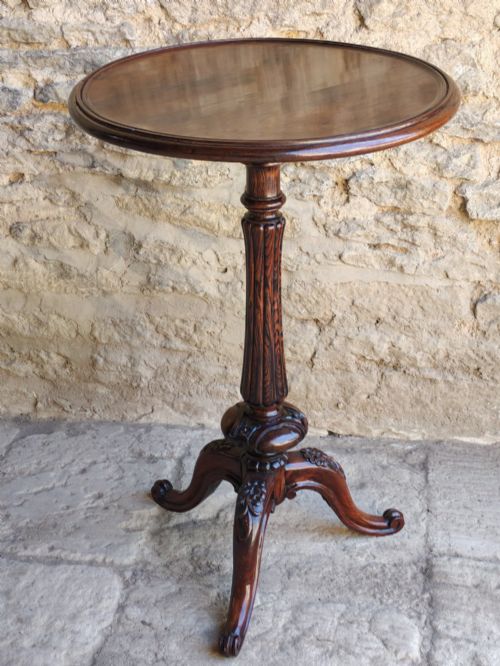
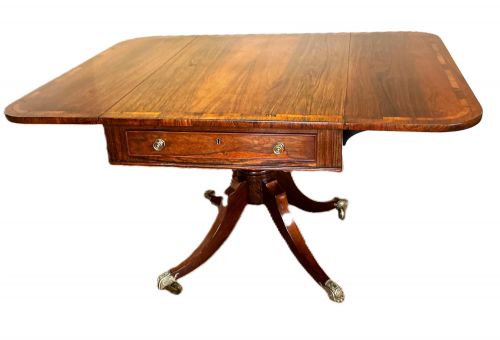
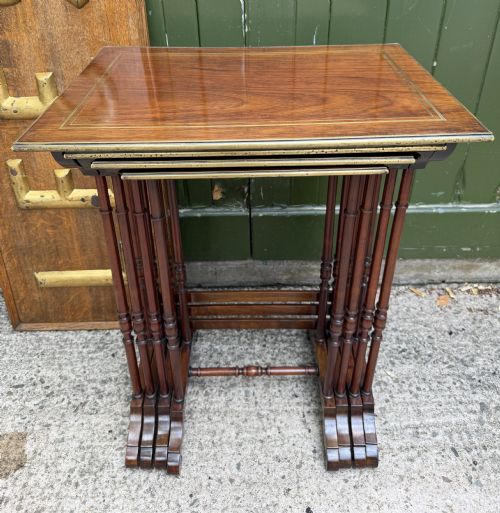
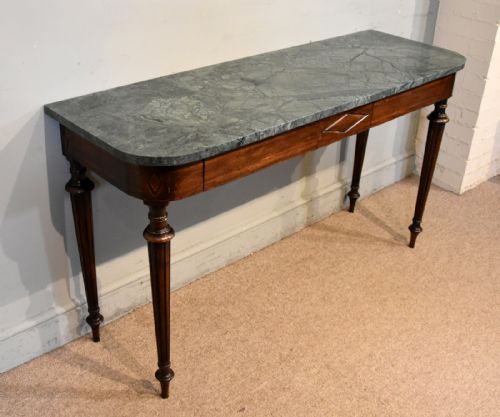
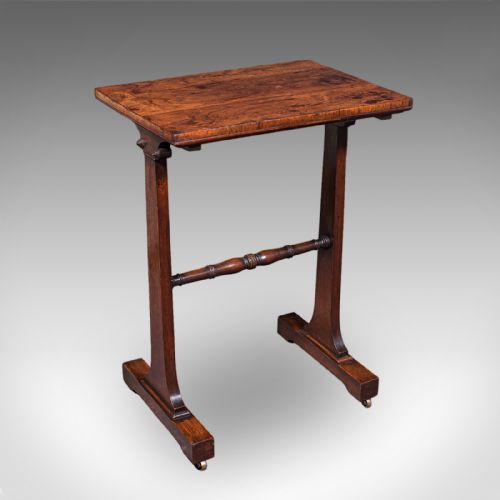
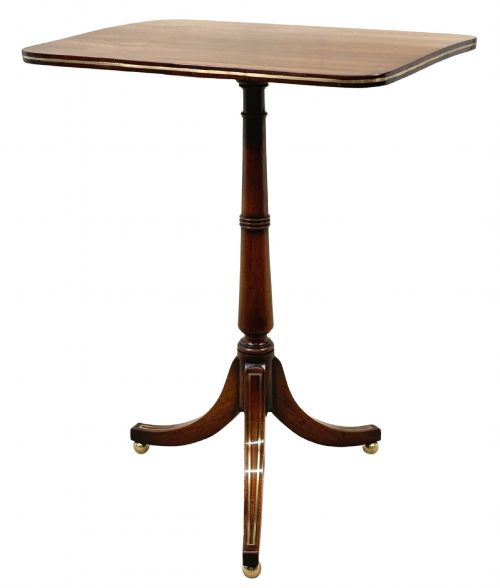
When you search for a georgian rosewood side table, you encounter compact furnishings from the Regency and George IV periods, spanning the late eighteenth and early nineteenth centuries. These pieces appear in forms such as occasional tables, card tables, lamp tables, and quartetto nests.
The material dominates the visual impact, showing deep brown tones with dark figuring. Many examples feature brass inlay, brass stringing, or satinwood banding to accent the dark timber.
Makers such as Gillows contributed to this tradition, producing versatile tables intended for halls, drawing rooms, and studies. The scale tends to be modest, designed to fit beside seating or against walls.
Materials and Construction
Cabinetmakers utilised dense rosewood timbers, often applied as veneers over secondary woods to display striking grain patterns. Brass components, including stringing and mounts, were meticulously inlaid into the wood surfaces.
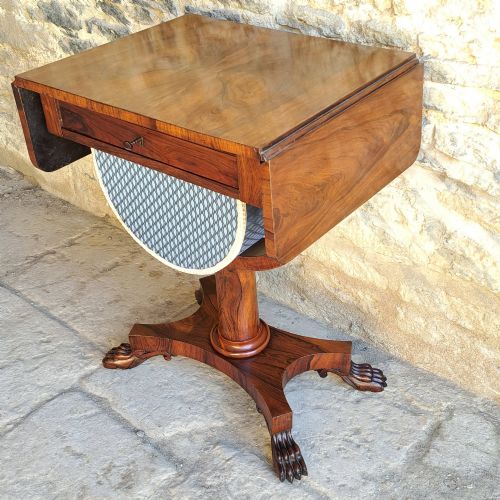
Construction techniques include turned legs, drop leaves, and clever pivoting mechanisms for fold-over card tables. Secondary woods like mahogany appear alongside rosewood, while fabric occasionally lines compartments in work or sofa tables.
Retail Price Guide 2026
Typical UK retail prices for georgian rosewood side table, calculated from the Sellingantiques database of over a million retail prices indexed since 2003. This retail price guide relies exclusively on Sellingantiques data; no external sources or auction records are used, so the figures do not describe the wider market.
Listings demonstrate that rosewood and brass are the primary materials used across these tables, frequently paired with mahogany.
Judging Quality and Execution
The distinction between standard and exceptional pieces rests upon the precision of the brass inlay and the selection of the rosewood veneer. Finer examples display harmonious grain matching across the top and carefully rendered carved details.
Construction integrity also dictates worth, seen in the smooth operation of drawers, hinges, and pivoting tops. Well-executed brass mounts and robust turned supports separate ordinary workshop output from superior cabinet work.
Gillows
The Georgian Rosewood Side Table Glossary
- Rosewood
- A dense, heavily figured timber prized for its dark brown colour and oily grain. It takes a high polish and forms the primary surface of these tables.
- Brass Stringing
- Fine lines of brass inlaid into grooves cut into the wood surface. This technique creates geometric borders that frame the table top.
- Quartetto
- A matched set of four graduating tables that nest together. They emerge during the Regency period for versatile entertaining.
- Card Table
- A folding table designed for evening games, featuring a hinged top that opens to reveal a baize-lined playing surface.
- Satinwood
- A light yellowish timber used for contrasting bandings and inlay work. It highlights the dark ground of the rosewood.
Frequently Asked Questions
What is a georgian rosewood side table used for?
These tables served multiple functions in period interiors, acting as surfaces for lamps, decorative objects, or evening card games. Smaller variants functioned as bedside stands or places to hold books.
Today, they adapt easily to modern rooms as accent pieces beside sofas or chairs, providing compact display space without overwhelming a corner.
How do I identify Regency furniture?
Regency pieces often display classical influences, with clean architectural lines, sabre legs, and restrained carving. Brass inlay and stringing became popular decorative devices during this time.
Rosewood was heavily favoured by cabinetmakers during the Regency and George IV eras, frequently paired with mahogany or satinwood details.
Can I use a card table every day?
Fold-over card tables feature hinged tops that pivot and open to create a larger surface. While structurally sound, the hinges and rotating mechanisms benefit from gentle handling.
Avoid placing excessive weight on the unfolded leaf, as these joints were originally designed to support card games rather than heavy daily loads.
What is a quartetto nest of tables?
A quartetto comprises a set of four tables that scale down in size to slide neatly beneath one another. They appeared during the Regency period as a space-saving innovation for entertaining.
Owners could pull them out individually to serve tea or hold lamps, then store them compactly as a single unit when not in use.