

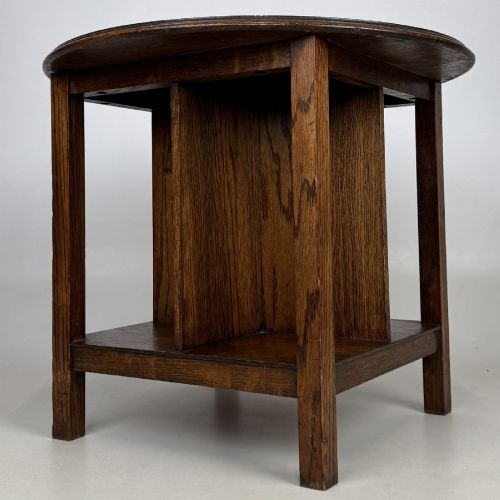
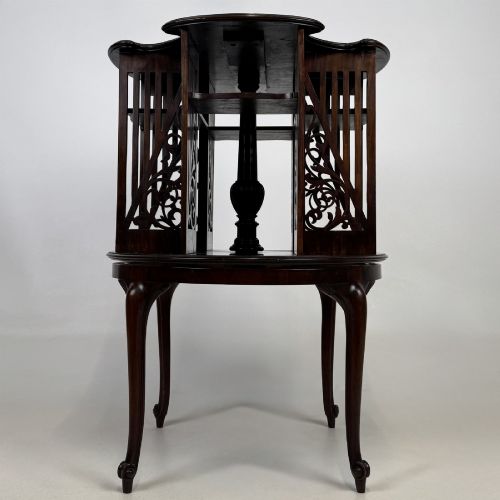
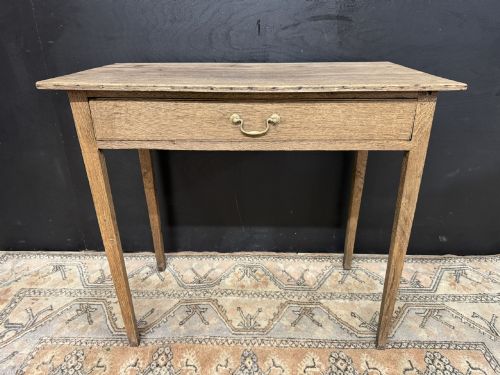
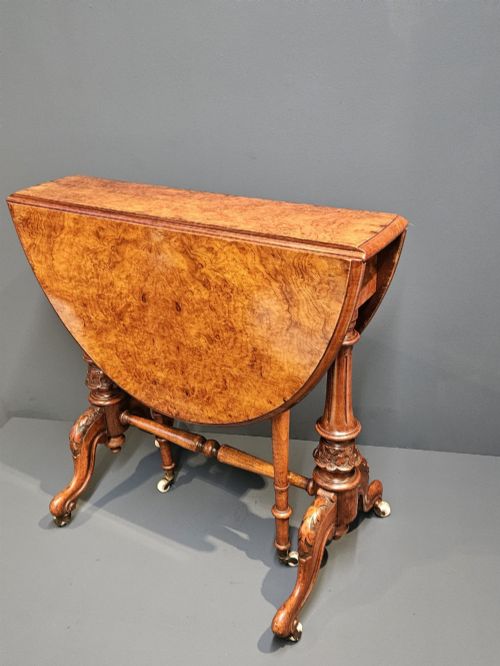
Brown Side Table
A brown side table anchors a room with timber warmth, offering a practical surface shaped by centuries of cabinet-making.
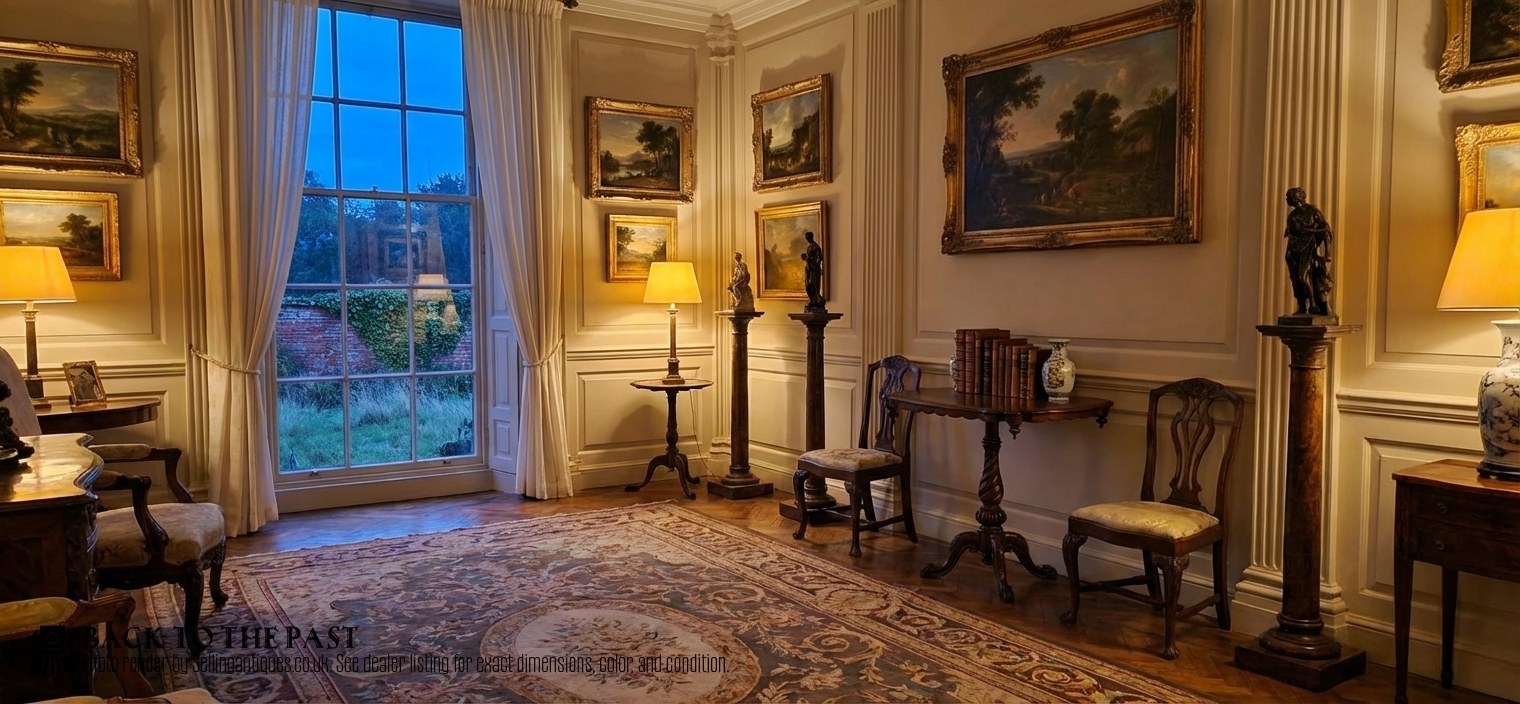
Brown Side Table
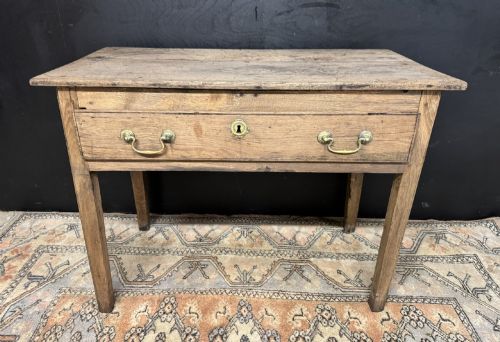
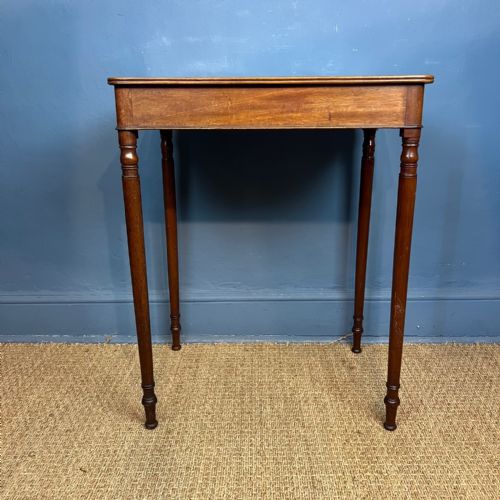
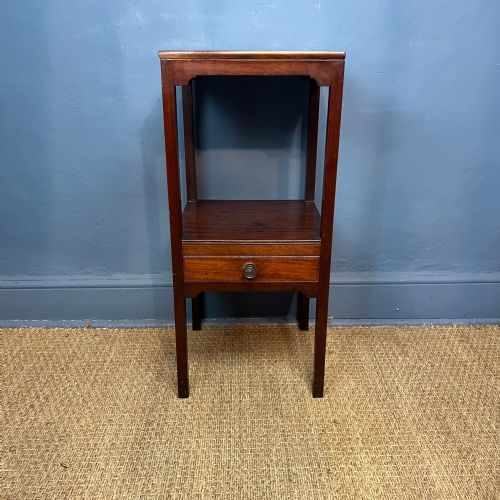
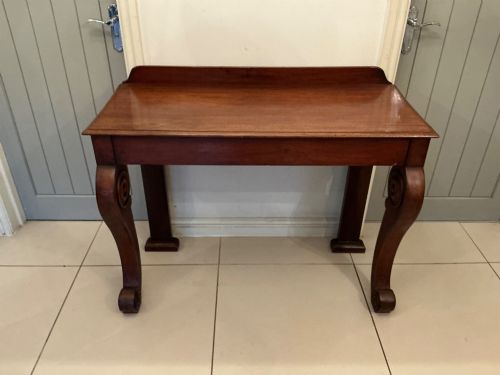
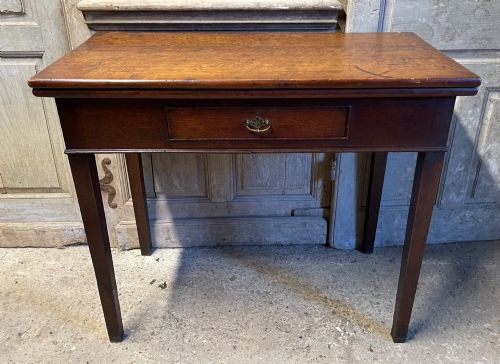
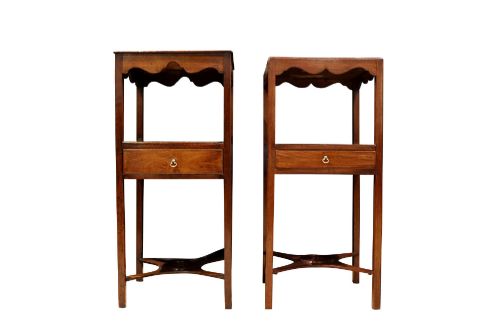
A brown side table encompasses a diverse array of occasional, console, and Pembroke forms originating primarily from the Georgian, Victorian, and Edwardian eras. These pieces serve functional roles beside seating or against walls, utilising compact footprints that suit modern interiors just as well as historic ones.
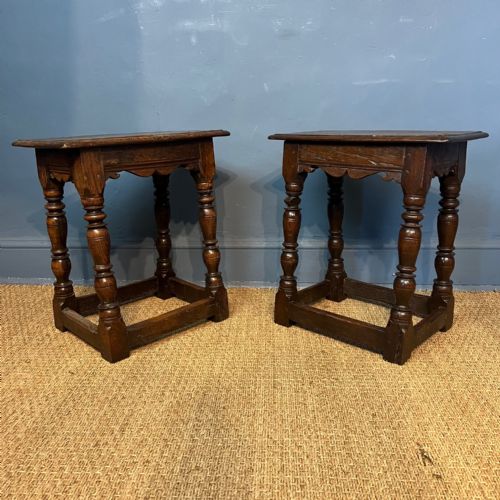
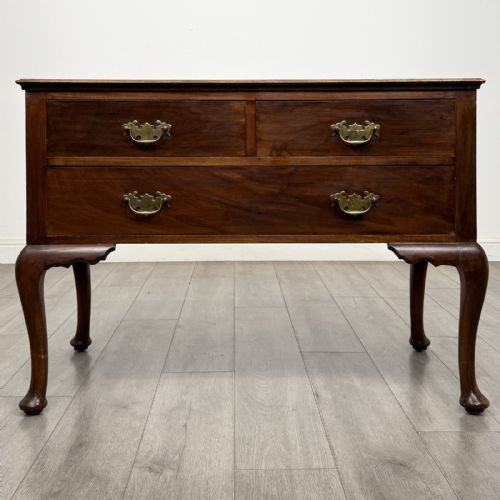
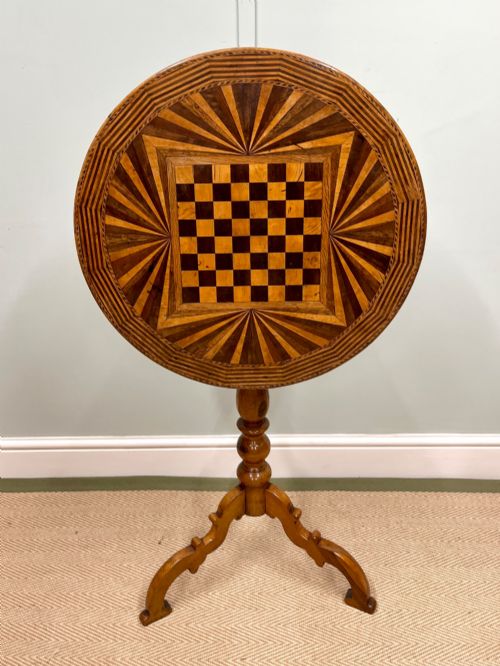
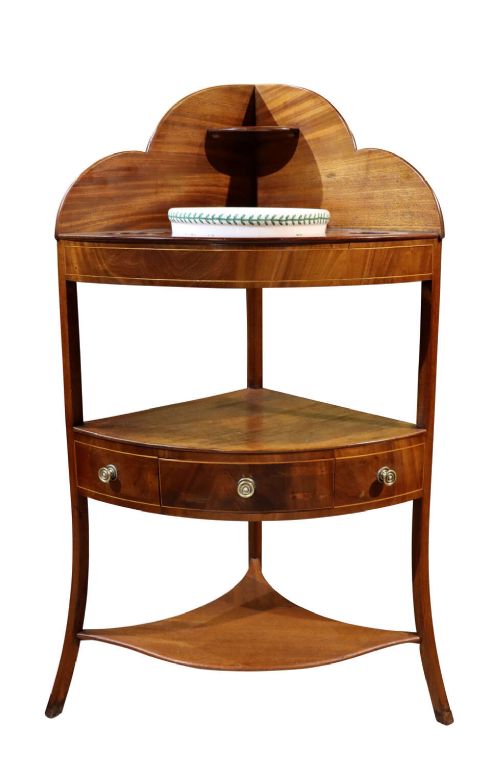
The selection leans heavily towards mahogany, oak, and walnut timber constructions, spanning from simple rustic oak lowboys to elaborate marquetry-inlaid centre tables. Buyers frequently encounter tilt-top pedestals, two-tier occasional stands, and demi-lune console tables reflecting regional cabinet traditions.
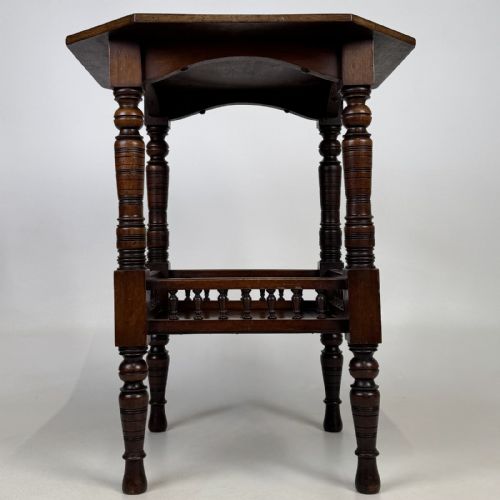
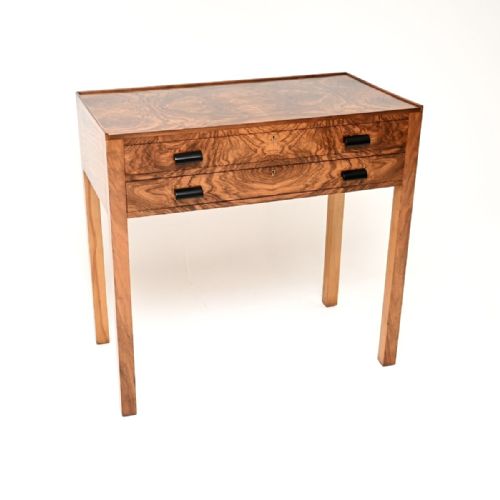
Earlier 18th-century pieces bring deep patination and solid structural timber, while later Edwardian and Victorian examples showcase refined veneers, satinwood banding, and specialised hardware. Each era contributes distinct proportions and edge profiles to the search for a brown side table.
Materials and construction
Makers relied on native and imported hardwoods like mahogany, oak, and walnut, selecting solid timber for structural frames and figured veneers for tabletops. Cabinet-makers applied French polishing or wax finishes to protect the wood while accentuating natural grain patterns and rich brown hues.
Traditional joinery methods such as mortise and tenon joints, dovetailed drawer boxes, and turned or carved pedestals ensure long-term stability. Ormolu mounts, brass castors, and inlay work in satinwood or marquetry provide decorative contrast to the primary dark woods.
Brown Side Table Retail Price Guide 2026
Typical asking prices for brown side table among the pieces listed under this phrase on Sellingantiques today, from the lower quarter to the upper quarter. They describe what is for sale here now, not the wider market.
The inventory includes ingenious space-saving forms such as folding campaign tables, nesting tables, and drop-leaf Pembroke tables.
Assessing craftsmanship
Quality rests in the selection of timber figures, such as burr walnut or flame mahogany, and how carefully grain patterns are matched across a tabletop. Superior examples display crisp hand-carving, tight joinery, and original brass hardware rather than later replacements.
The integrity of the structural carcass and secondary woods inside drawers indicate the workshop standard behind the piece. Finer tables maintain balanced proportions, smooth drawer operation, and finishes that have aged naturally without excessive restoration.
Trevor Page & Co
The Brown Side Table Glossary
- Pembroke table
- A small drop-leaf table with hinged flaps on either side, introduced in the 18th century for versatility. These pieces easily expand for writing or serving tea.
- Lowboy
- A small oak or mahogany dressing or side table featuring one or more rows of drawers beneath a finished top. They typically stand on cabriole or straight legs.
- Marquetry
- The art of applying decorative veneer pieces in wood to form intricate pictorial designs or geometric patterns. This technique highlights elite cabinet-making skill.
- Tilt-top table
- A pedestal table equipped with a hinged mechanism allowing the tabletop to fold vertically when not in use. This design saved floor space in historic interiors.
- Demi-lune
- A half-moon shape commonly applied to console tables designed to sit flush against a wall. They often appear as matched pairs in formal reception rooms.
Brown Side Table: Frequently Asked Questions
Where should I place a brown side table?
These tables fit naturally beside seating in a living room, in a hallway as a console, or as a compact bedside stand. Their modest footprints allow them to add surface space without crowding a room.
Matching the timber tone to existing furniture helps the piece integrate smoothly, though contrasting woods also create visual depth in a traditional or modern interior.
How do I care for antique wood surfaces?
Protect the timber by keeping tables away from direct heat sources and strong sunlight, which can dry out veneers and fade the polish. Regular dusting with a dry, soft cloth preserves the finish.
Applying a traditional beeswax occasionally helps nourish older timber and maintains a gentle, natural sheen without building up heavy residue.
What distinguishes a Georgian table from a Victorian one?
Georgian pieces, dating through the 18th and early 19th centuries, generally favor restrained classical proportions, solid mahogany or oak, and understated bracket or cabriole supports. Their design emphasises structural simplicity and functional utility.
Victorian examples often showcase heavier proportions, elaborate carving, burr walnut veneers, and darker finishes. They reflect industrial manufacturing advances alongside skilled hand-craftsmanship.
Can I use an antique side table daily?
Solid construction and durable hardwoods make these tables well-suited for everyday use in a modern home. Using coasters and placemats protects the historic polish from moisture and heat marks.
Checking that joints remain tight and legs stable ensures the table handles routine placement of lamps, books, and daily items safely.