

Regency Bedroom Furniture
Regency bedroom furniture brings architectural proportion and rich timber grains to the sleeping quarters through pieces built to last.
Regency Bedroom Furniture
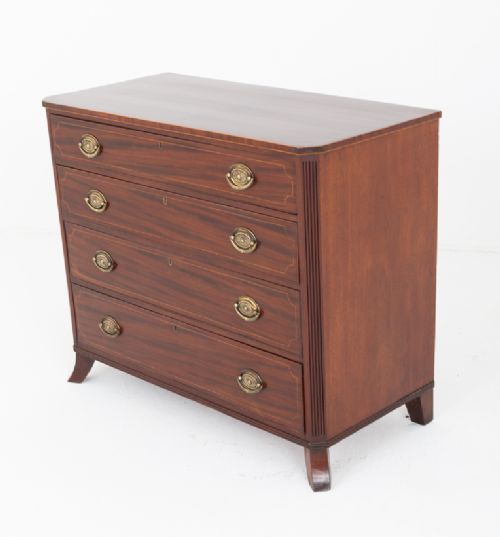
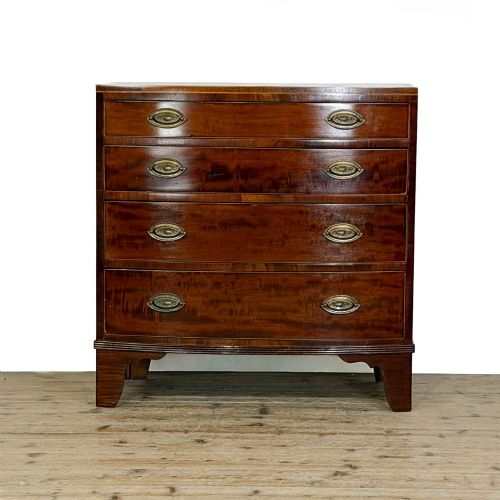
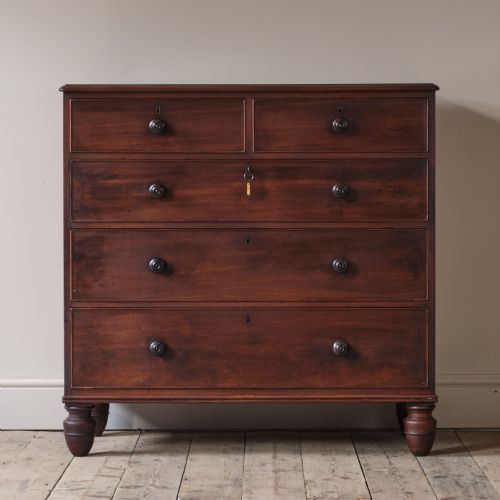
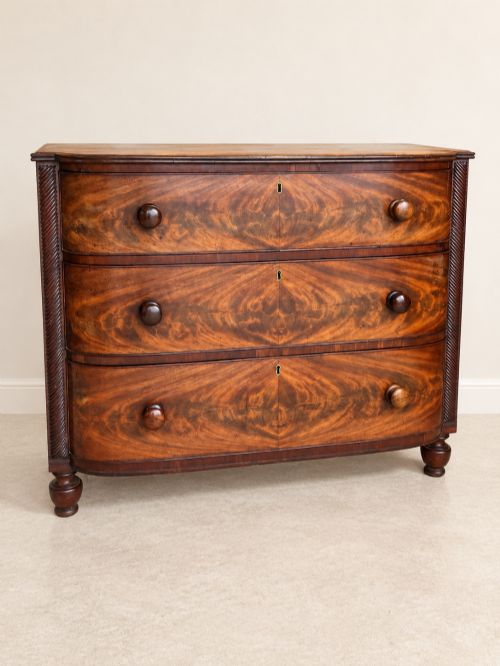
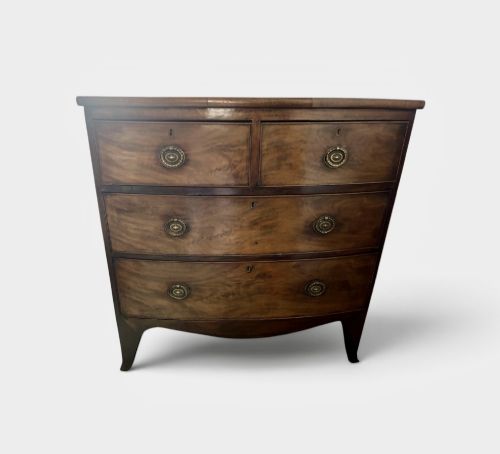
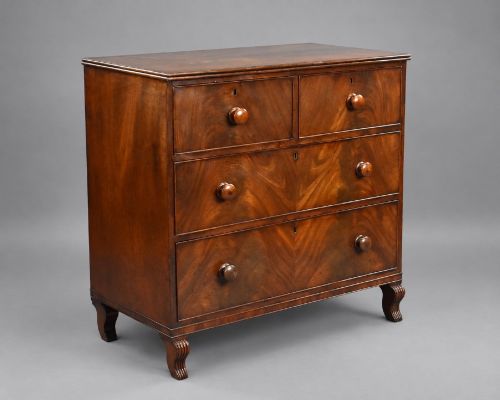
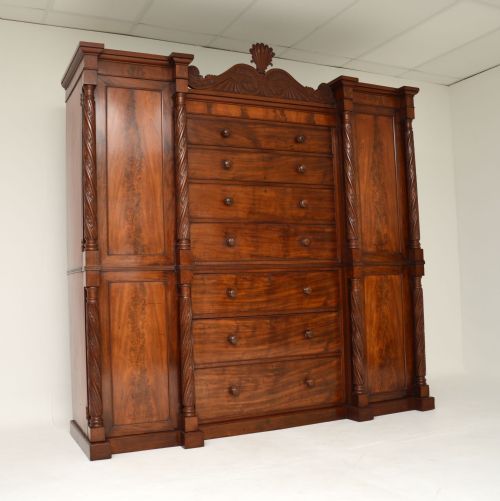
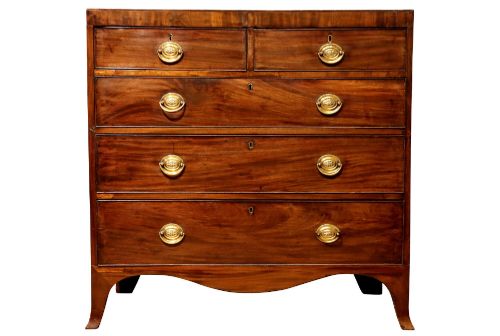
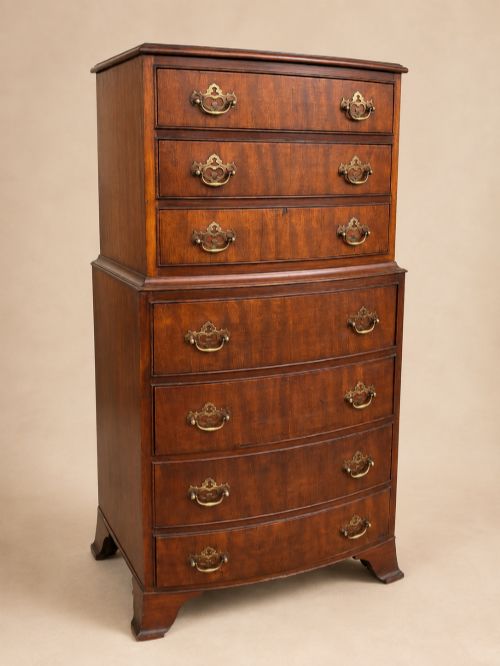
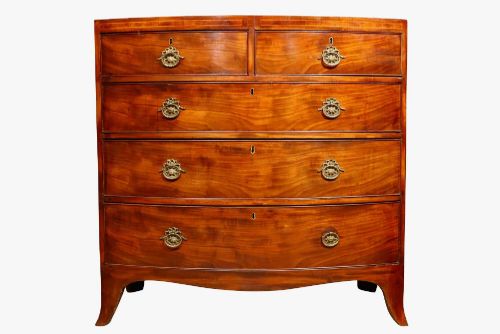
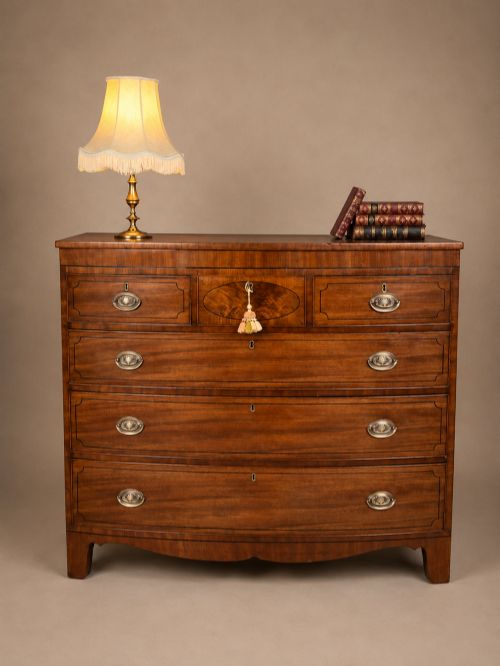
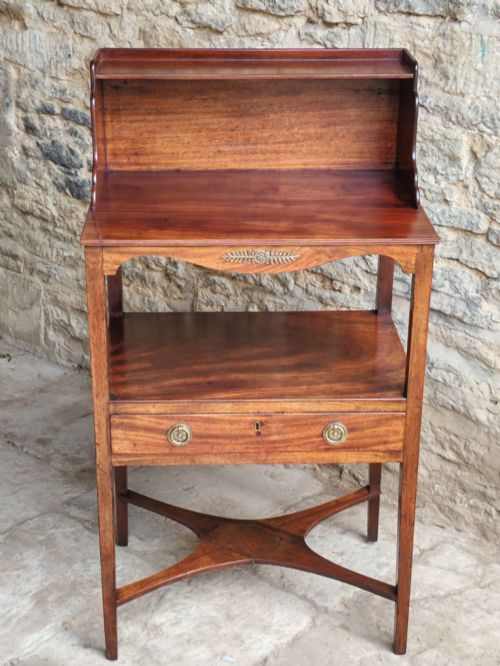
When searching for regency bedroom furniture, buyers encounter functional items designed for storage and daily use in private rooms. The selection on this page consists predominantly of mahogany chests of drawers, alongside wardrobes, linen presses, washstands, bedside tables, and four-poster beds.
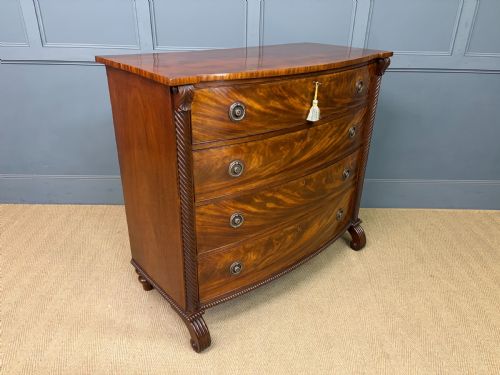
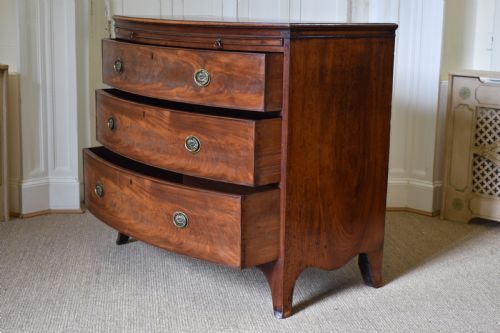
Pieces span periods including the Regency, Georgian, George IV, and William IV eras, with occasional Victorian and later interpretations. Chests of drawers appear most frequently, often featuring bow fronts, flame mahogany veneer, and multiple graduated drawers.
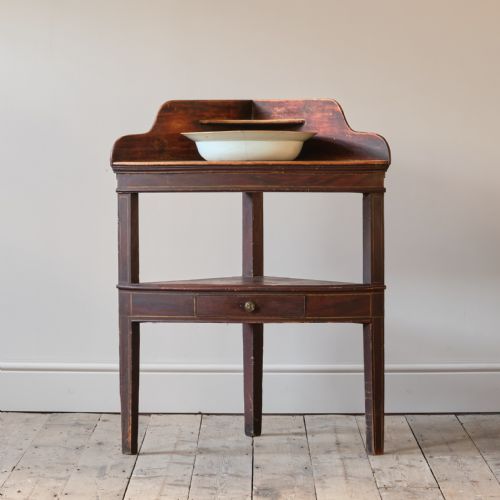
Forms range from neat Scottish and Welsh regional variations to larger compactum wardrobes and washstands in pine with original paint. The common thread is a domestic utility rooted in early nineteenth-century craftsmanship.
Distinguishing quality levels
Quality rests on the choice of timber veneer and the precision of the drawer construction. Flame mahogany matched across drawer fronts signals superior atelier work compared to plain stock.
Regency Bedroom Furniture Retail Price Guide 2026
Typical asking prices for regency bedroom furniture among the pieces listed under this phrase on Sellingantiques today, from the lower quarter to the upper quarter. They describe what is for sale here now, not the wider market.
Listings demonstrate that mahogany is the dominant timber used across these nineteenth-century pieces, supplemented by pine, oak, satinwood, and rosewood.
T & G Seddon
The Regency Bedroom Furniture Glossary
- Bow front
- A convexly curved cabinet front that projects outward in a smooth arc. This shape proved popular on chests of drawers during the Regency period.
- Flame mahogany
- A veneer cut from the branch junction of the mahogany tree, displaying a flamy, rippled grain pattern. Cabinet makers used this figure on primary display surfaces.
- Compactum
- A large wardrobe fitted with interior shelves, sliding trays, and hanging space. It combined multiple storage functions into a single piece of bedroom furniture.
- Linen press
- A tall piece of case furniture containing sliding trays for folded textiles in the upper section and drawer storage below. These served to protect household linens from dust.
- Caddy top
- A tabletop style with a raised, moulded edge resembling the lid of a tea caddy. It appears on quality case pieces from the late Georgian and Regency eras.
Regency Bedroom Furniture: Frequently Asked Questions
What pieces count as regency bedroom furniture?
The category covers chests of drawers, wardrobes, washstands, beds, and linen presses produced during the early nineteenth century. These items were made for domestic sleeping quarters to handle personal storage and washing.
Most surviving examples are constructed from mahogany, with various regional interpretations found across England, Scotland, and Wales.
How do I identify a genuine period chest of drawers?
Look for construction details such as hand-cut dovetails on drawer boxes and the use of secondary timbers like oak or pine behind the main show woods. Period pieces often feature flame mahogany veneers and proportions characteristic of the Regency and Georgian eras.
Hardware like turned brass knobs or ring pulls should match the period style of the piece.
What is a compactum wardrobe?
A compactum is a multi-functional wardrobe designed to house various types of clothing within one unified cabinet structure. Interiors typically combine hanging compartments with sliding linen trays and banks of drawers.
These large pieces provided comprehensive storage solutions for bedrooms before fitted closets became standard.
How do I care for mahogany bedroom pieces?
Keep wooden furniture away from direct heat sources and strong sunlight to prevent the timber and veneers from drying out or fading. Dust regularly with a dry cloth and apply natural wax sparingly when the surface loses its lustre.
Maintaining a stable room temperature protects older joints and finishes from cracking.