

Bow Fronted Chest
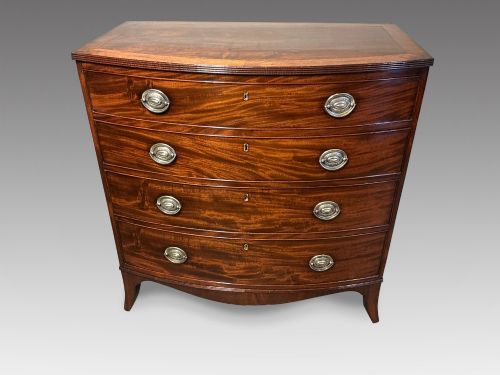
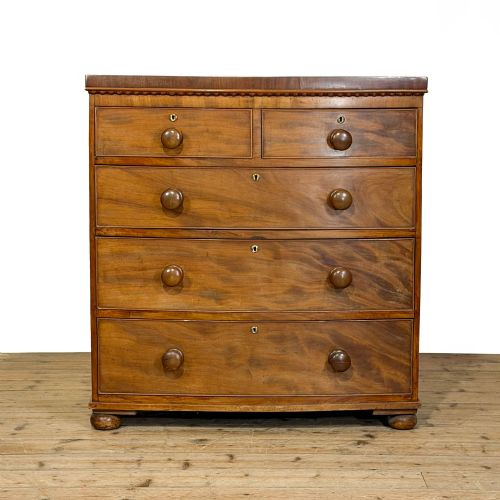
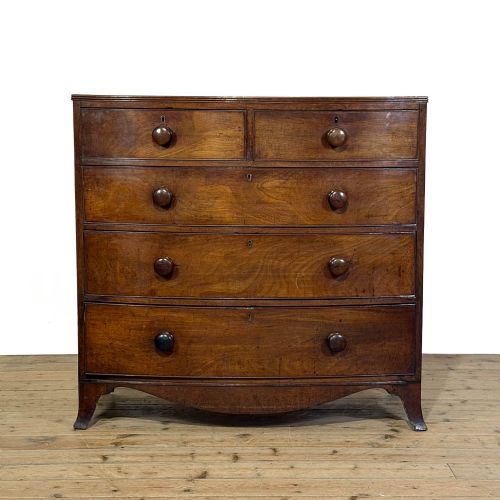
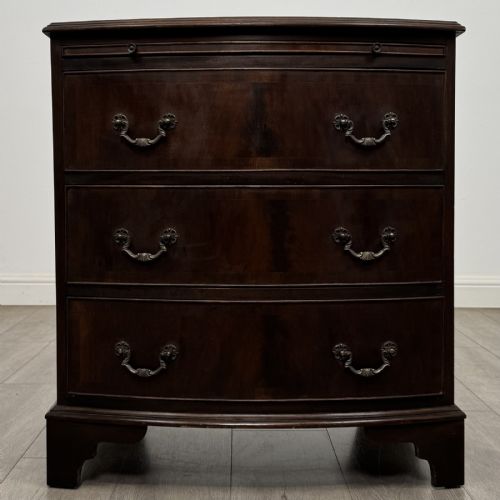
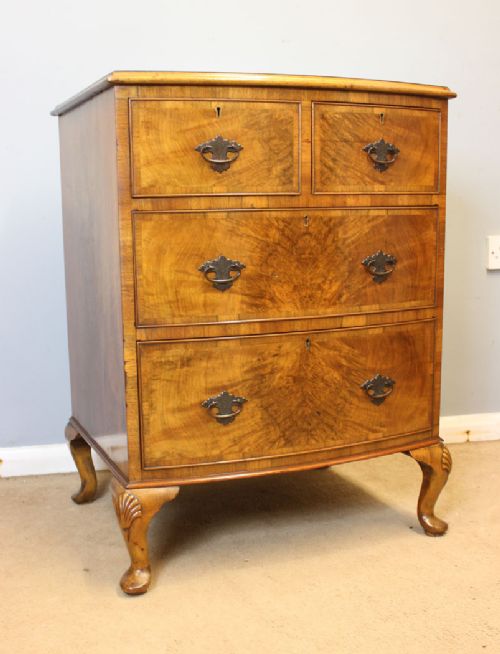
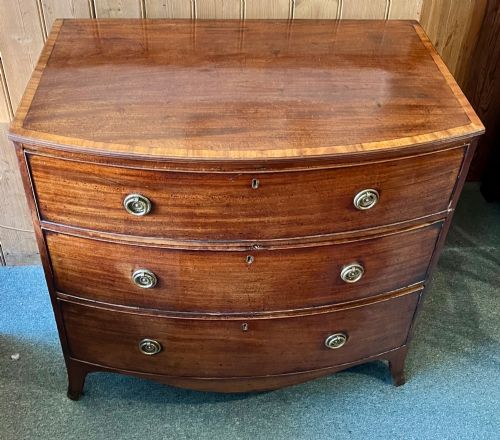
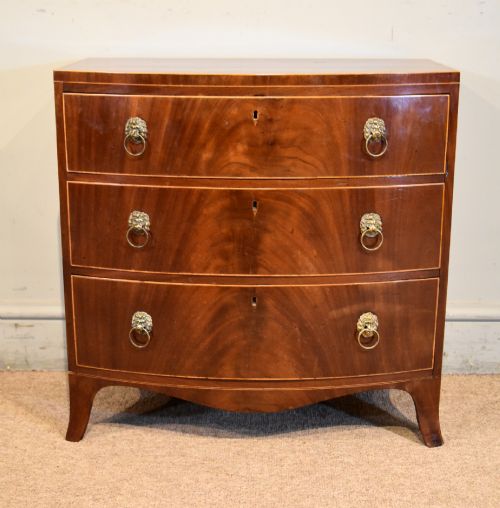
A bow fronted chest brings together practical storage and curved proportions, most commonly found in mahogany dating from the Georgian and Regency periods.
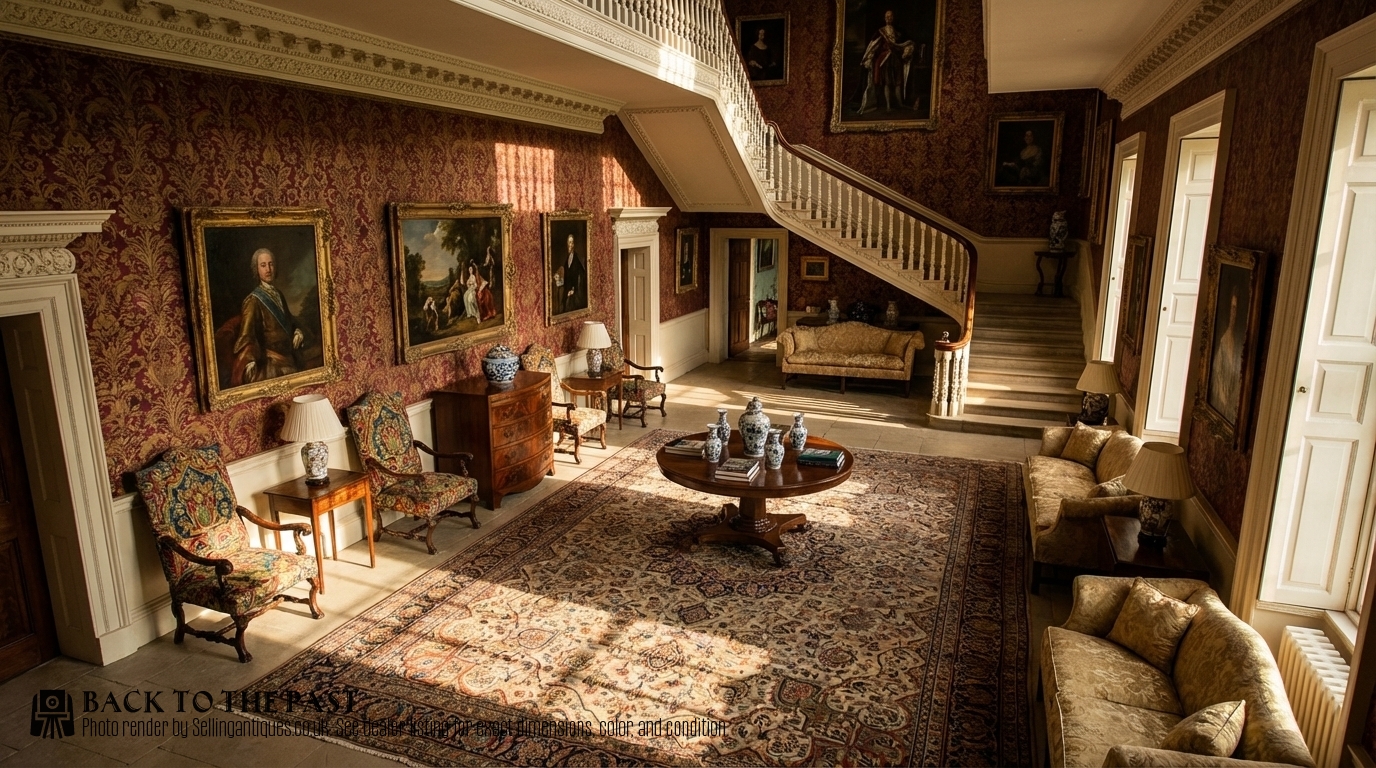
Bow Fronted Chest
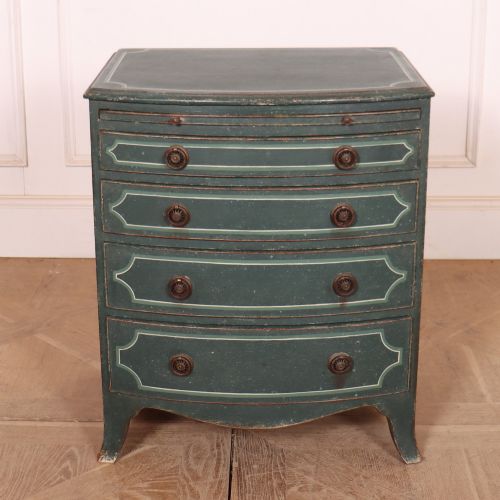
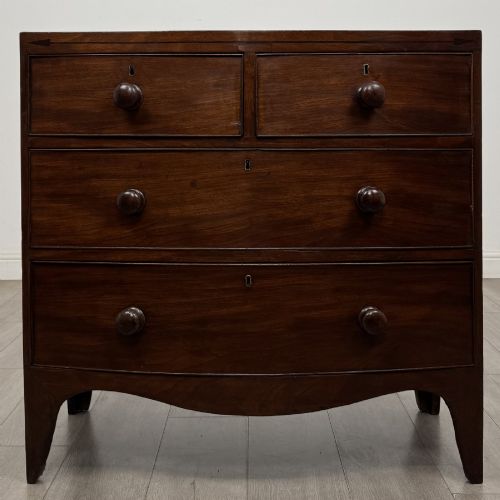
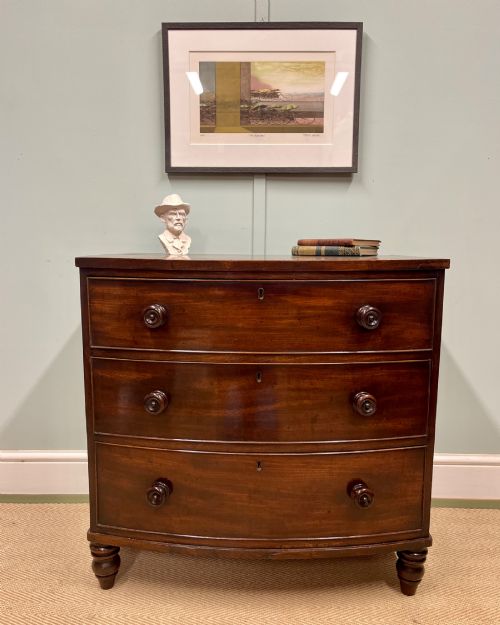
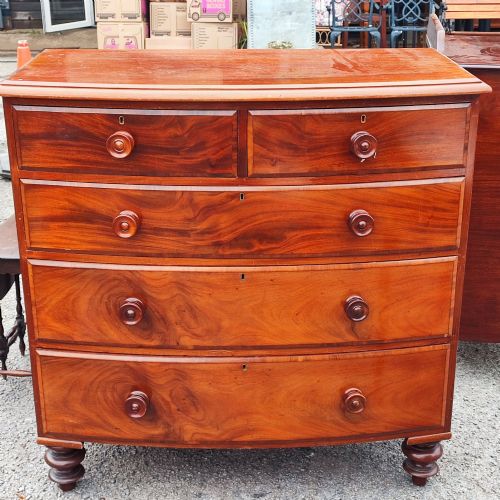
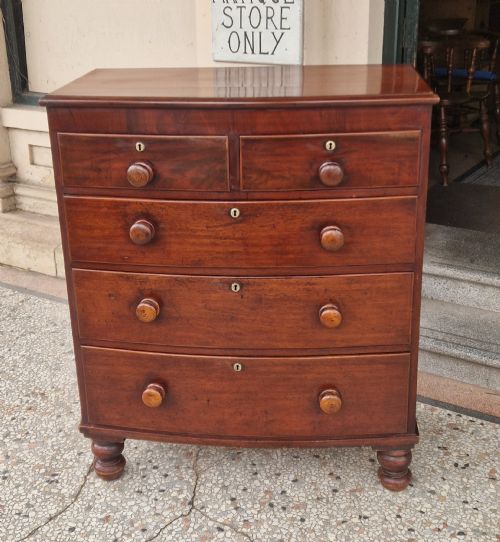
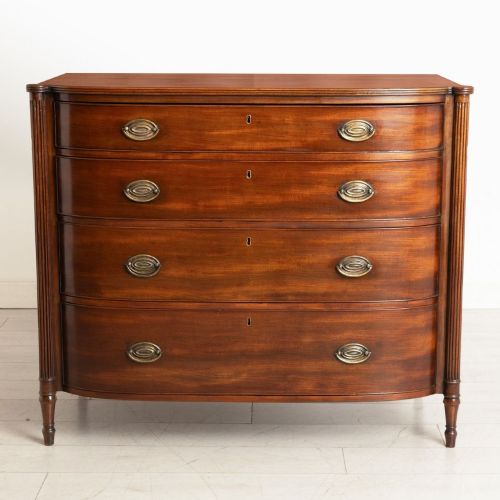
A bow fronted chest is a case furniture piece defined by its convex, rounded front, designed to soften the corners of a room while offering deep drawer storage. Buyers searching for a bow fronted chest encounter a heavy concentration of mahogany examples originating from the Georgian, Regency, and Victorian eras, alongside later walnut revivals from the twentieth century.
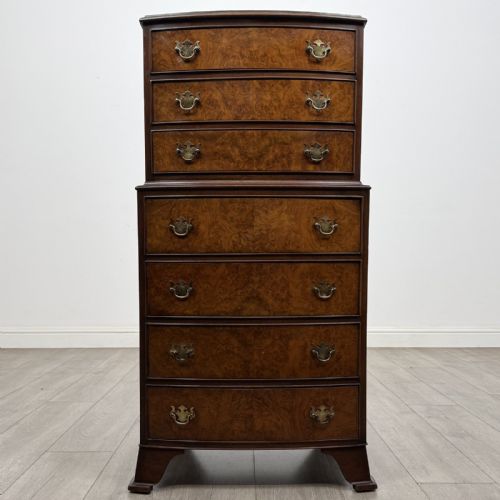
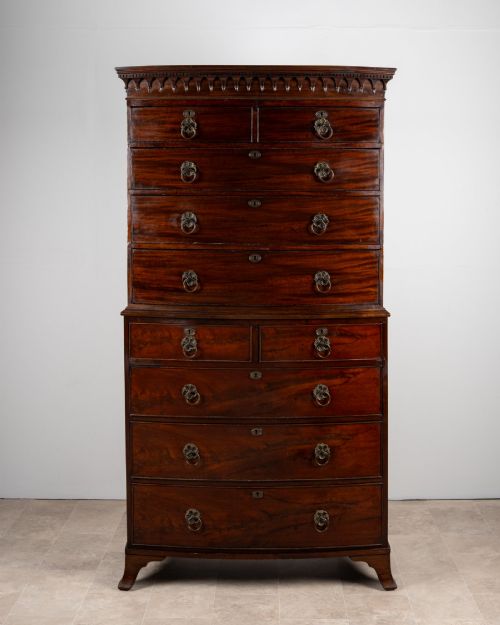
The form appears in various proportions, ranging from small bachelors chests and bedside cabinets to tallboys and chest on chest configurations. Most pieces on this page utilise traditional graduated drawer arrangements, often supported by bracket feet or short turned legs.
Regional variations also emerge through Scottish, Welsh, and English workshops, each showing subtle differences in timber selection and carcase construction. While standard chests dominate, occasional miniature furniture and dressing chests broaden the selection.

How They Were Made
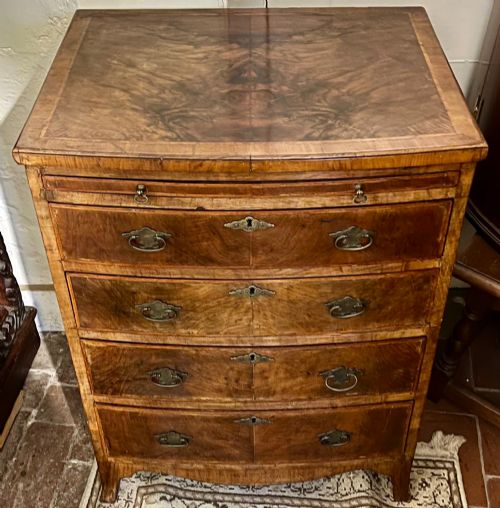
Makers constructed the curved fronts of these chests using solid timber frames combined with bent or curved laminations, applying figured mahogany, flame mahogany veneer, or burr walnut across the exterior surfaces. Satinwood stringing and crossbanding frequently outline the drawer fronts, adding decorative contrast to the primary timber.
Secondary woods such as oak and pine appear inside drawer linings and carcase backs, shaped using traditional hand dovetailing and pegged joints. Brass hardware, including oval backplates and drop handles, secures the drawer fronts on earlier examples.
French polishing or wax finishes seal the wood surfaces, highlighting the natural grain patterns of the figured veneers used during the Georgian and later revival periods.
Bow Fronted Chest Retail Price Guide 2026
Typical asking prices for bow fronted chest among the pieces listed under this phrase on Sellingantiques today, from the lower quarter to the upper quarter. They describe what is for sale here now, not the wider market.
Secret drawers hidden behind top mouldings provide a secure spot for eighteenth-century letters.
What Varies in Quality
Quality rests heavily on the selection of timber figures, with matched flame mahogany or symmetrical burr walnut commanding greater visual depth than plain, uniform planks. The precision of the crossbanding and the subtlety of the satinwood stringing further separate high-tier cabinet work from standard production.
Construction details reveal the standard of the maker, particularly in the tightness of the dovetail joints and the smooth sliding action of graduated drawers within their carcase. Well-executed curved fronts maintain structural stability without warping over time, demonstrating seasoned timber and stable internal framing.
The Bow Fronted Chest Glossary
- Caddy top
- A tabletop style featuring a raised, moulded edge reminiscent of tea caddy lids from the eighteenth century. This profile adds architectural definition to the top surface of early chests.
- Flame mahogany
- A veneer cut from mahogany logs where the grain creates a flickering, flame-like pattern. Cabinet makers reserved this highly decorative timber for primary display surfaces.
- Crossbanding
- A narrow strip of veneer laid perpendicular to the surrounding grain along the borders of a drawer or top. This technique frames the primary wood panel.
- Tallboy
- A tall storage unit consisting of one chest stacked upon another, or a single tall carcase with numerous drawers. It maximises vertical capacity while retaining a compact footprint.
- Secretaire
- A chest incorporating a fitted writing drawer that drops down to reveal small compartments and pigeonholes. This hybrid form combines desk functionality with standard drawer storage.
Bow Fronted Chest: Frequently Asked Questions
Where should a bow fronted chest go?
These chests suit hallways, bedrooms, or living spaces where a curved profile softens linear architectural lines. Their rounded fronts reduce sharp corners in narrow circulation areas.
Placing a chest against a flat wall allows the convex drawer fronts to project into the room as a visual focal point.
How do I care for mahogany veneer?
Maintain the finish using traditional beeswax applied sparingly with a soft cloth to nourish the timber. Avoid placing the wood near direct heat sources or strong sunlight to prevent veneer drying.
Dust regularly with a dry lint-free cloth rather than using silicone-based polishes that build up over time.
Are older chests different inside?
Earlier pieces feature hand-cut dovetails on drawer linings made from secondary woods like oak or pine. Tool marks and irregular board widths often indicate manual sawing techniques from the Georgian period.
Later revival pieces utilise more uniform internal construction with machine-cut elements and modern adhesives.
What makes a chest a bachelors chest?
A bachelors chest typically presents compact proportions alongside a slide-out writing surface positioned above the main drawers. These small pieces served dual functions for personal correspondence and clothing storage.
Their reduced scale makes them suitable for modern rooms requiring versatile furniture.