





Dark Oak Lectern
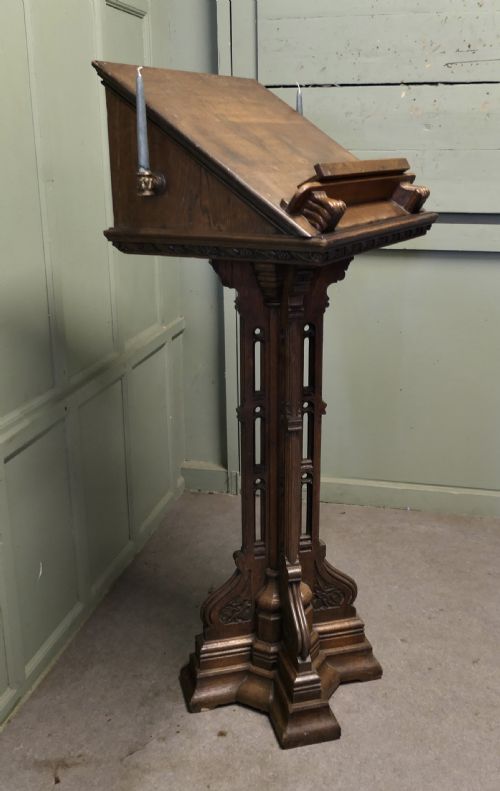
A dark oak lectern brings solid timber presence and carved detail to a room, offering both a commanding reading surface and a historic aesthetic.
Dark Oak Lectern
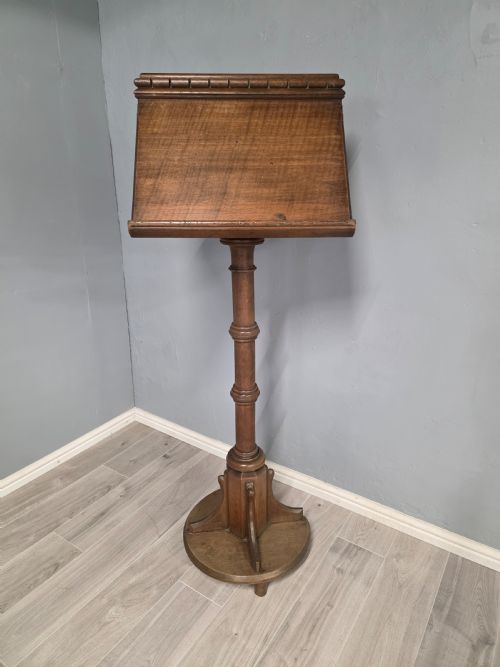
A dark oak lectern encompasses reading stands, podia, reception desks, and book stands built from oak. These items serve functional book-holding roles while establishing a strong visual anchor in domestic or ecclesiastical settings.
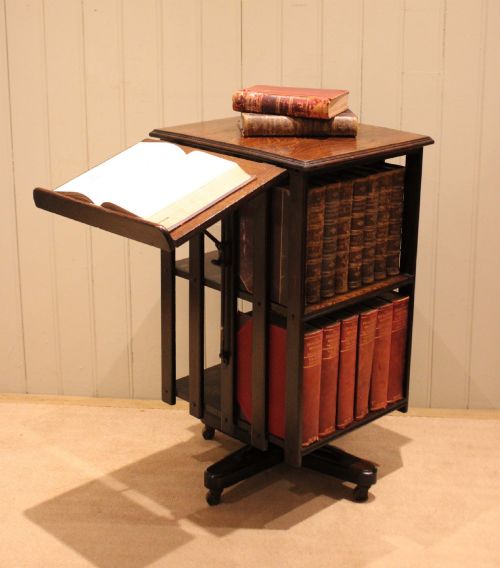
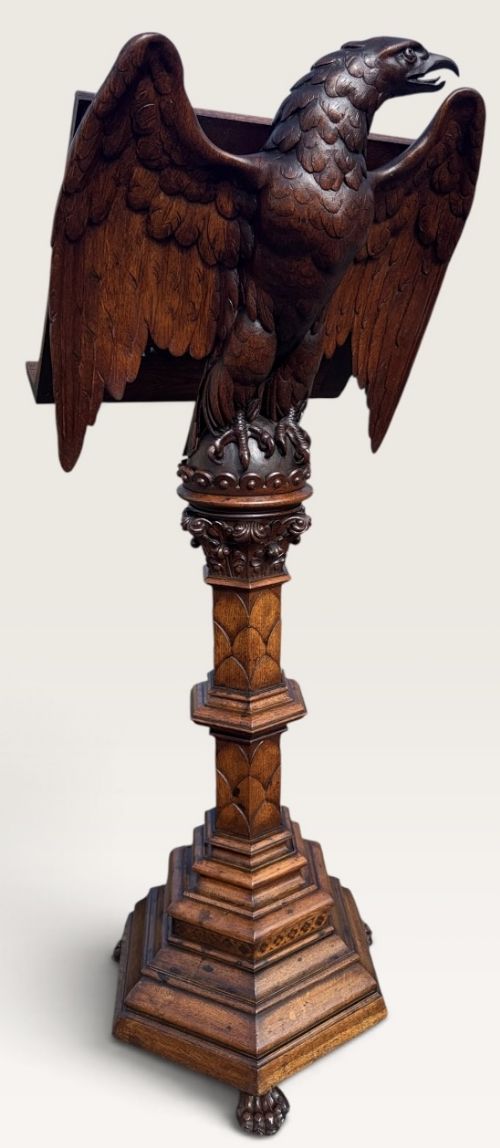
You are most likely to meet pieces spanning the nineteenth century up through the nineteen-twenties, incorporating distinct stylistic traditions. Common iterations include church lecterns, carved eagle figures, menu stands, and reception greeting stations.
The materials and forms connect directly to specific historical design movements rather than generic modern manufacture. Dark oak serves as the primary medium across the selection, often enriched with brass fittings and decorative carving.
How they were made
Construction relies upon solid oak timbers chosen for durability and grain pattern, shaped into functional stands and desks. Workshops utilised traditional joinery methods to build sturdy structures capable of supporting heavy volumes.
Dark Oak Lectern Retail Price Guide 2026
Typical asking prices for dark oak lectern among the pieces listed under this phrase on Sellingantiques today, from the lower quarter to the upper quarter. They describe what is for sale here now, not the wider market.
Listings feature items spanning the nineteenth century, nineteen-hundred, nineteen-ten, and nineteen-twenty, built from oak and brass.
What varies in quality
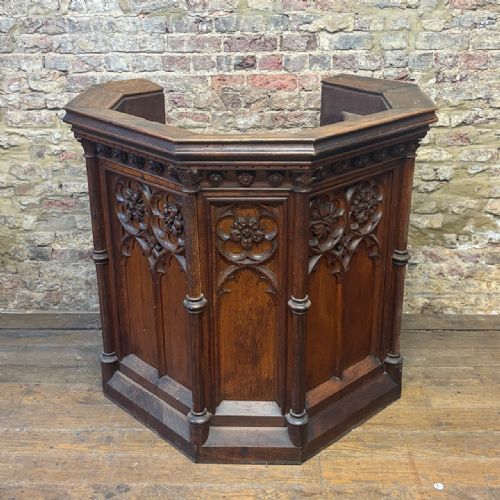
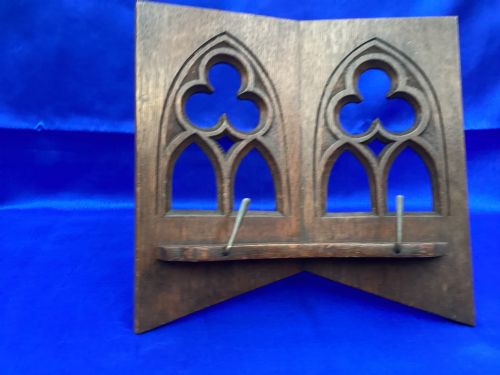
Quality differentiates itself through the depth and execution of the carved ornamentation upon the oak framework. Pieces displaying ambitious sculptural work, such as carved eagle lecterns or intricate Gothic Revival detailing, sit at the upper end of the range compared to plainer utility desks.
The integrity of the timber and the balance between the brass elements and the dark oak body determine the visual cohesion of the piece. Superior examples maintain crisp joinery and well-preserved surface patination across every panel and support.
The Dark Oak Lectern Glossary
- Lectern
- A tall stand with a slanted top designed to hold a book or notes for a speaker. These pieces often feature adjustable or fixed reading desks.
- Gothic Revival
- An architectural and decorative style drawing inspiration from medieval forms. Pieces in this aesthetic utilise pointed arches, trefoils, and heavy carved mouldings.
- Arts and Crafts
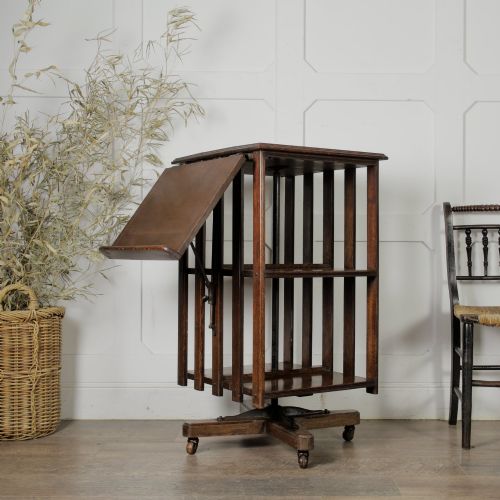
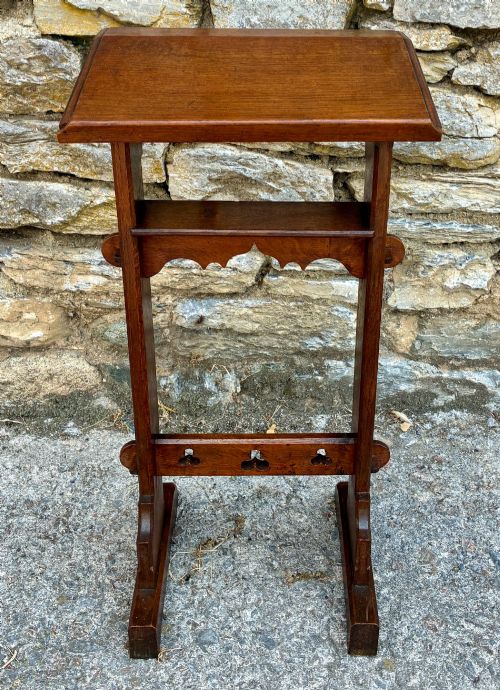
- A design movement valuing handcraftsmanship, simple structural honesty, and traditional materials. Furniture from this tradition emphasises the natural grain and construction of the oak.
- Podium
- A small raised platform or stand used to support reading materials during a presentation. These items function as compact reading desks.
- Patina
- The surface sheen and colour developed by timber over decades of handling and exposure. This natural ageing indicates the genuine age of the oak.
Dark Oak Lectern: Frequently Asked Questions
What is a dark oak lectern?
A dark oak lectern is a freestanding reading stand or desk constructed from oak timber with a deep finish. These pieces include church lecterns, menu stands, and reception desks.
They combine functional book rests with decorative carving, originating from periods such as the nineteenth century and the early twentieth century.
How were dark oak lecterns used?
These pieces were primarily utilised to hold service books, menus, or presentation notes at a comfortable reading angle. They provided a stable raised surface for speakers or readers in churches, halls, and reception areas.
Over time, their roles expanded into hospitality and domestic reception settings as greeting stations and display stands.
What styles influence these lecterns?
The pieces display influences from Gothic Revival and Arts and Crafts design traditions. Gothic Revival examples feature ecclesiastical carving and architectural motifs.
Arts and Crafts pieces focus on simpler forms that highlight the natural qualities of the oak timber.
What materials make up these stands?
The primary material across the selection is solid oak, finished in dark tones. Brass frequently appears as a complementary metal for hinges, rests, or decorative hardware.
Together, these materials provide both structural durability and a traditional aesthetic.
How do I date a lectern?
Dating relies on examining the construction methods, stylistic markers, and recorded periods such as the nineteenth century or nineteen-twenties. Gothic Revival and Arts and Crafts characteristics offer clear clues to the era of manufacture.
Makers utilised period-specific joinery techniques and decorative motifs that align with these historical windows.