


Slanted Top Desk
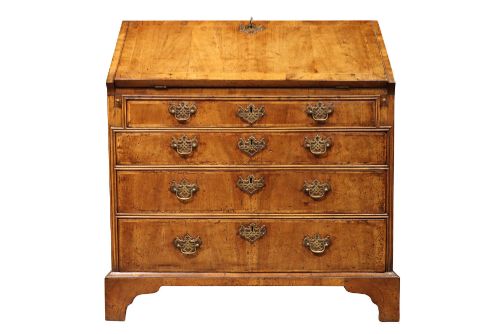
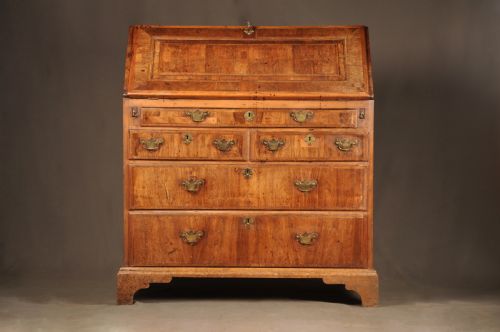
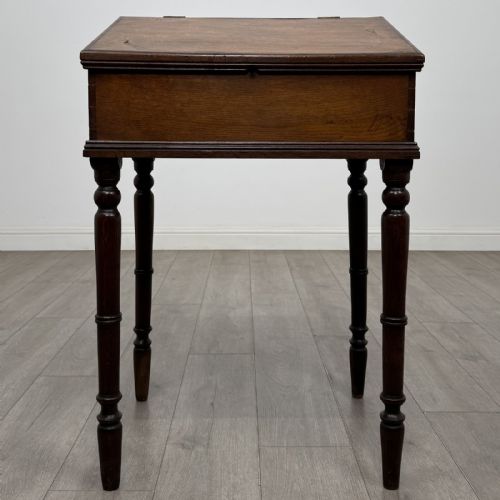
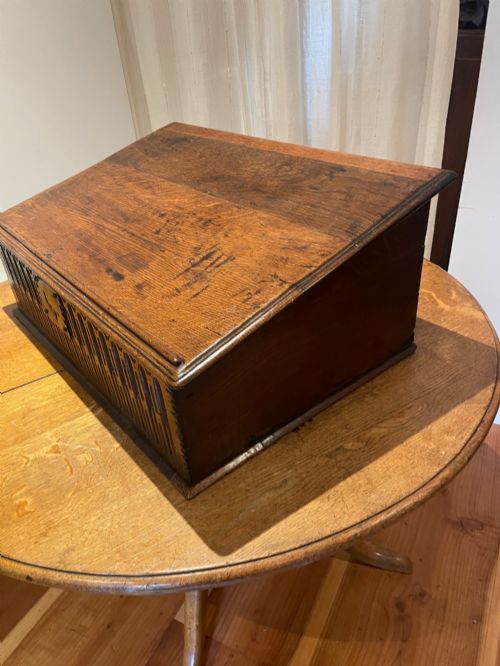
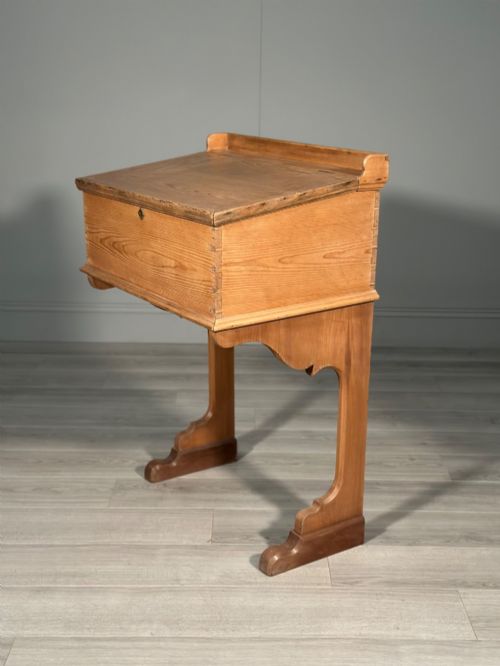
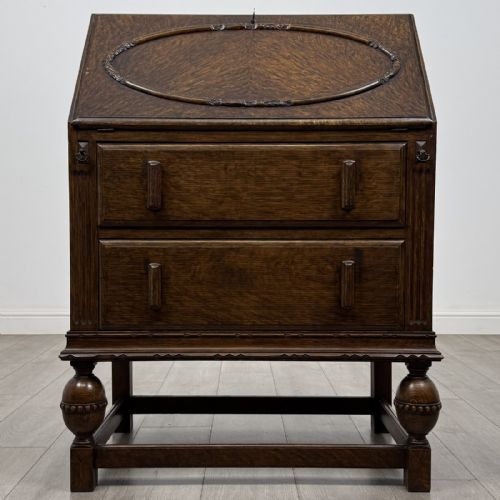
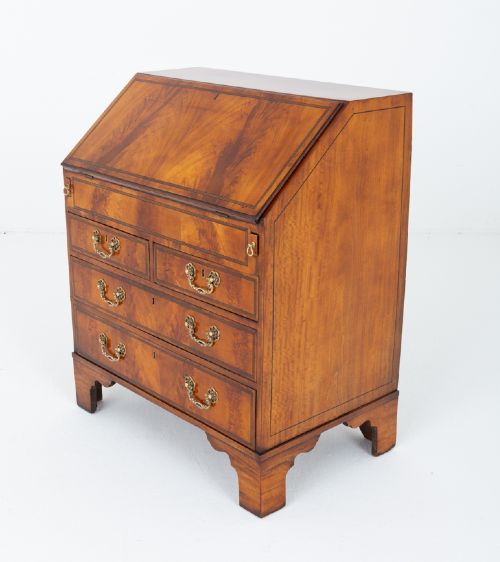
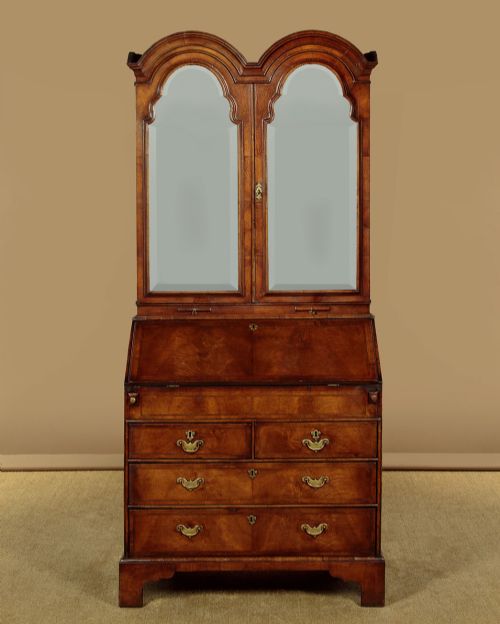
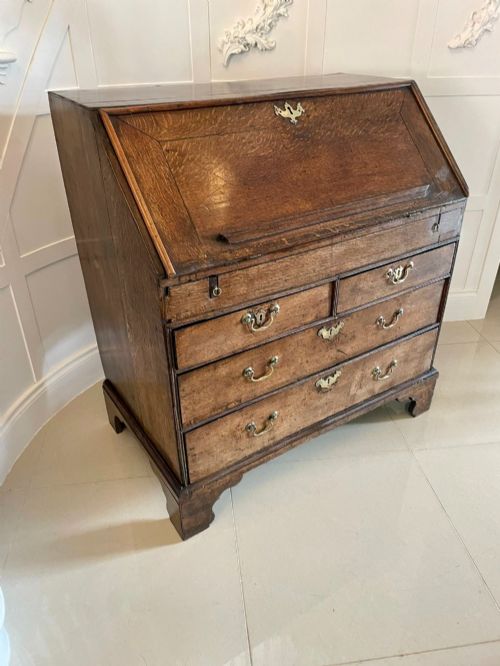
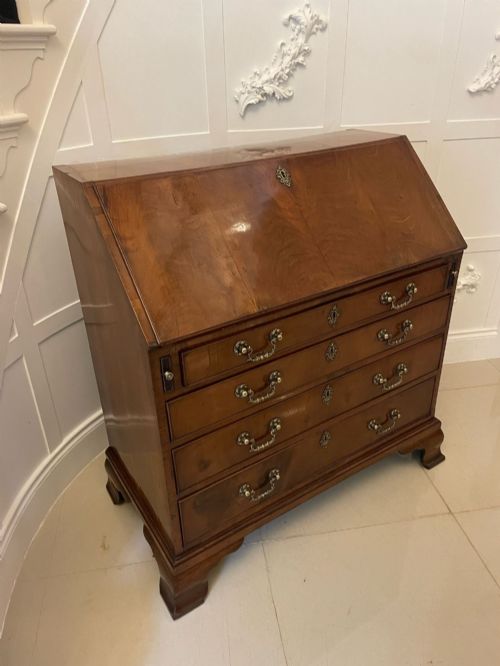
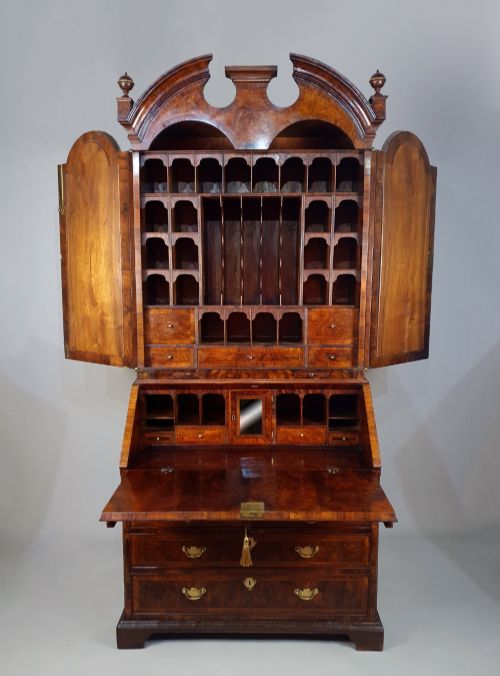
These slanted top desk examples offer compact workspaces defined by sloping writing surfaces and hinged lids that conceal fitted interiors.
Slanted Top Desk
A slanted top desk provides a compact writing surface combined with enclosed storage, making it a practical choice for smaller studies or living areas. The defining feature is the sloping lid, which often lifts or drops to reveal small drawers and pigeonholes inside.
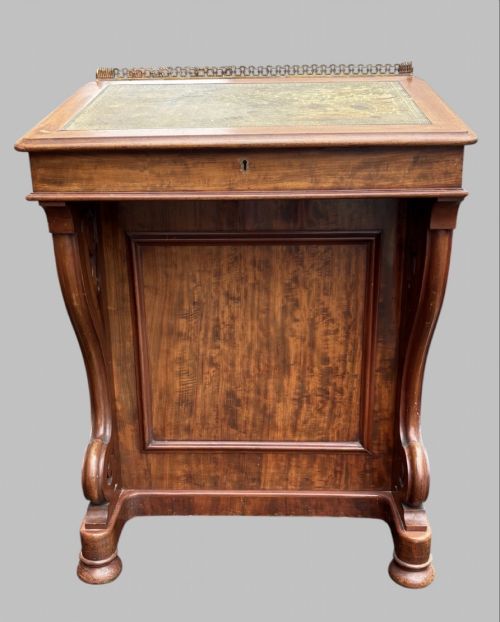
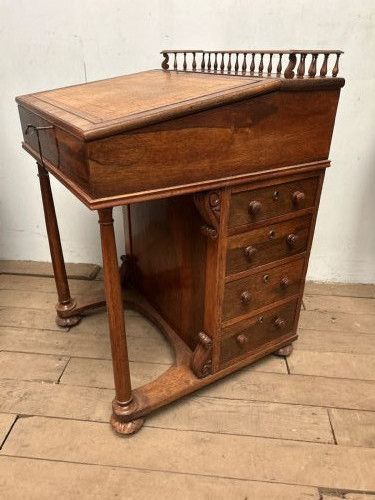
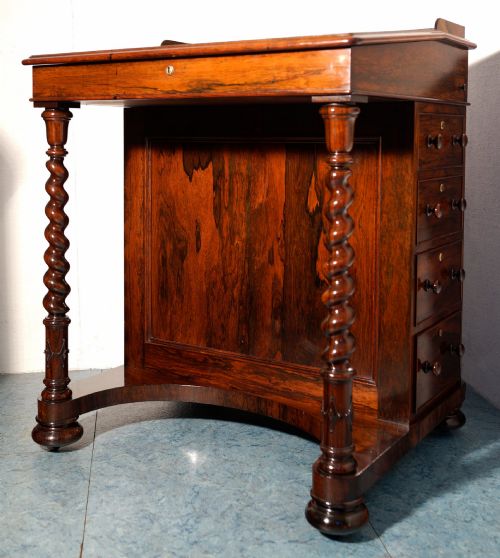
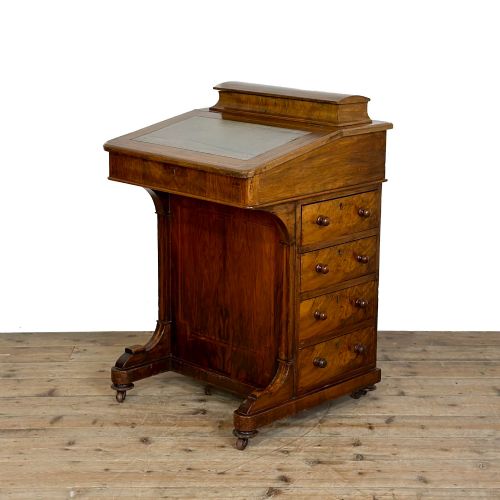
Most pieces encountered here belong to the Davenport form, alongside related reception stations and writing tables from the Regency, Victorian, and Arts and Crafts periods. These variants share the sloping writing plane while differing in overall cabinetry and scale.
Makers from the nineteenth century favoured richly figured timbers and decorative inlays, meaning these items function equally as statement furniture and working desks.
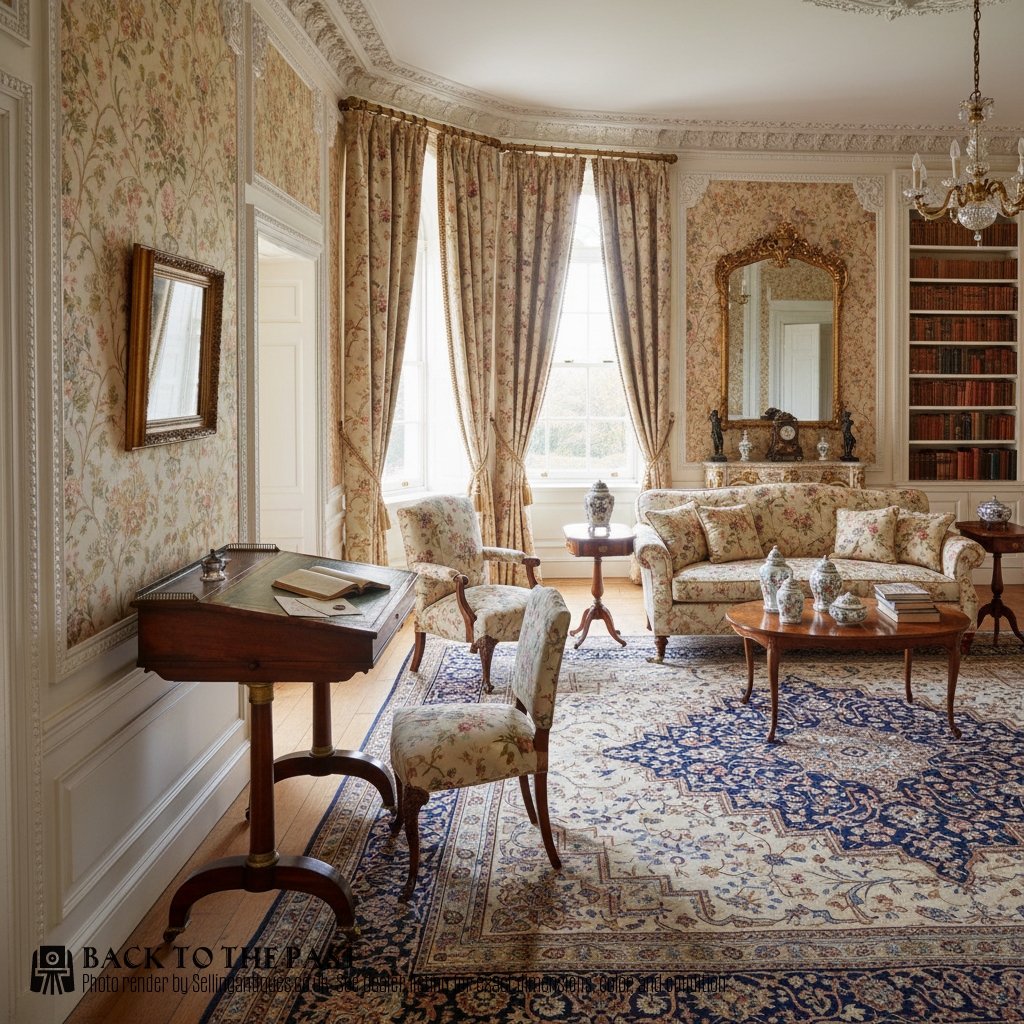
Materials and Construction
Cabinetmakers utilised dense hardwoods including oak, mahogany, and rosewood for structural stability, often applying veneers of burr walnut, amboyna, and coromandel to visible surfaces. Crossbanding and inlaid marquetry provide contrasting borders and decorative motifs.
Metal components such as brass hinges, handles, and galleries add functional contrast to the polished timber bodies. Some examples incorporate leather panels inset into the writing slope to provide a smooth surface for handwriting.
Slanted Top Desk Retail Price Guide 2026
Typical asking prices for slanted top desk among the pieces listed under this phrase on Sellingantiques today, from the lower quarter to the upper quarter. They describe what is for sale here now, not the wider market.
Listings feature diverse timbers including oak, burr walnut, amboyna, and coromandel across the Regency and Victorian periods.
Judging Quality
Quality rests in the selection of timber veneers and the precision of the marquetry work, where finer pieces display continuous grain matching and intricate floral motifs. The complexity of the internal fittings, such as secret drawers and stationary compartments, also marks out superior examples.
The integrity of the structural joinery and the original working condition of the brass hardware distinguish high-grade cabinetwork from simpler commercial production.
The Slanted Top Desk Glossary
- Davenport
- A small compact desk featuring a sloping writing top above a pedestal of drawers. This form became popular during the nineteenth century for domestic correspondence.
- Crossbanding
- A decorative border of veneer laid around the edge of a panel so that the grain runs at right angles to the central field. It frames the primary timber.
- Marquetry
- The art of forming decorative patterns using thin veneers of different woods, metals, or shells. Craftsmen assemble these elements precisely before gluing them to the carcass.
- Gallery
- A decorative pierced railing, usually made of brass or wood, fitted to the top surface of a piece of furniture to keep small items from sliding off.
Slanted Top Desk: Frequently Asked Questions
What is a Davenport desk?
A Davenport desk is a compact writing cabinet featuring a sloping top hinged to reveal storage space, typically supported by a pedestal of drawers on one side.
First produced in the early nineteenth century, this design allowed users to write comfortably while occupying minimal floor space in a drawing room or study.
How do I date a slanted desk?
Dating relies on identifying the prevailing timber fashions, construction methods, and hardware styles associated with periods like the Regency or Victorian eras.
Detailed veneers such as burr walnut or amboyna and specific inlay techniques point toward mid-to-late nineteenth-century production.
Are these desks practical for daily use?
Their compact footprints and internal compartments make them suitable for modern laptops or traditional correspondence, provided the writing slope sits at a comfortable height.
Leather writing surfaces offer a stable base, though antique veneers require careful treatment to prevent moisture damage.
What woods were commonly used?
Cabinetmakers employed structural hardwoods like oak and mahogany alongside decorative surface veneers including rosewood, walnut, and coromandel.
Contrasting details often incorporated ebony, satinwood, and marquetry elements to enhance the visual depth of the cabinetry.