


Captains Desk
Captains desk antique pieces combine compact writing storage and swivel seating, offering period craftsmanship suited for compact studies.

What they are
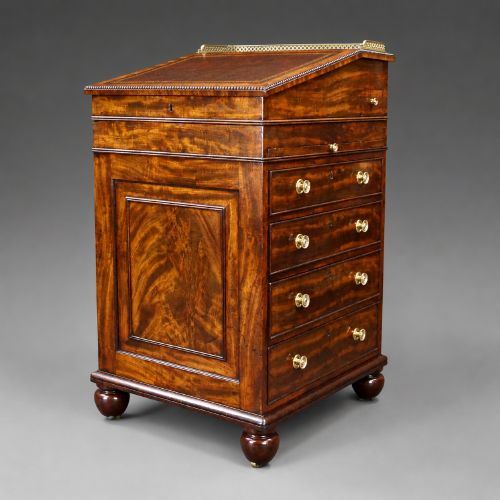
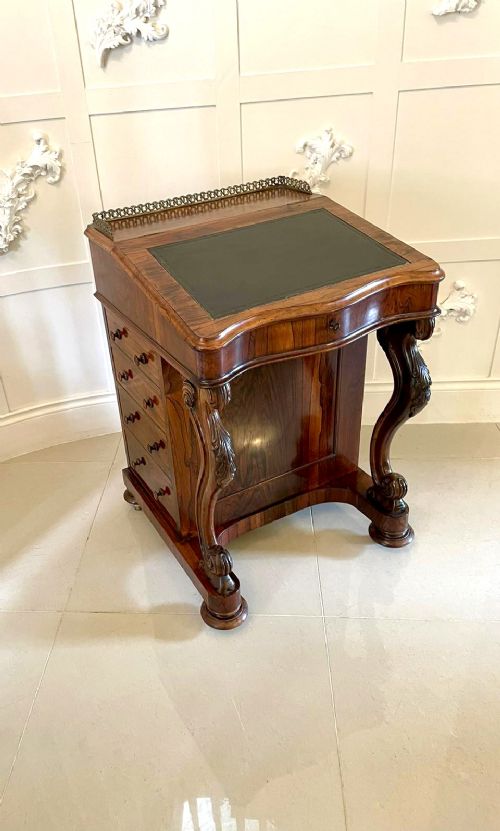
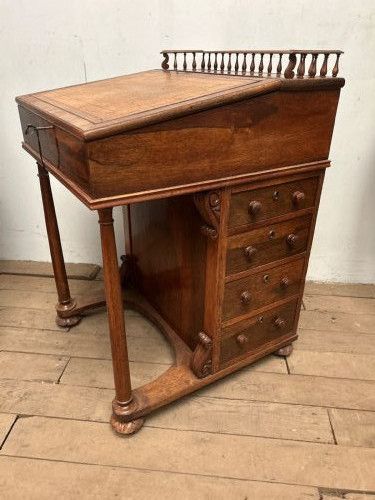
A captains desk antique groups together two distinct forms found in period interiors: compact Davenport desks with sloped writing surfaces and robust revolving office chairs designed for study use. The Davenport style dominates the desk selections, originating in Regency and Victorian periods as a space-saving writing cabinet.
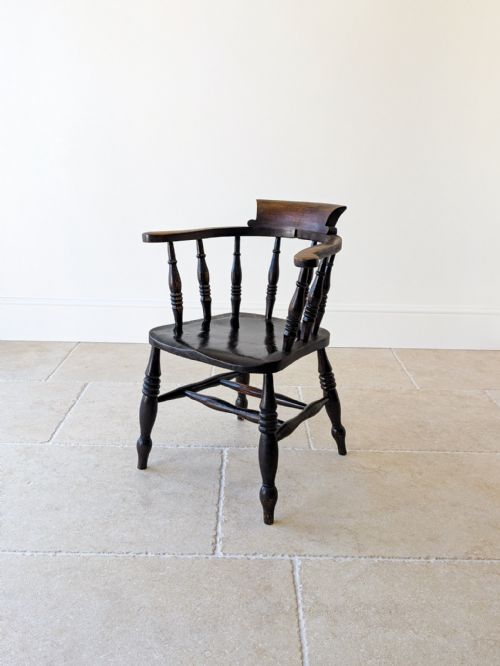
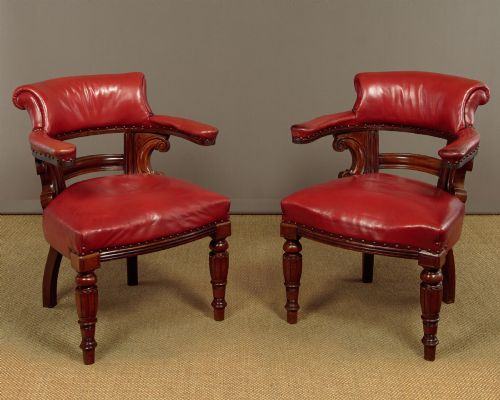
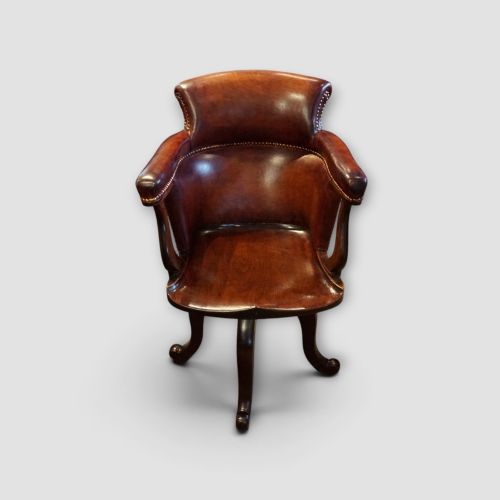
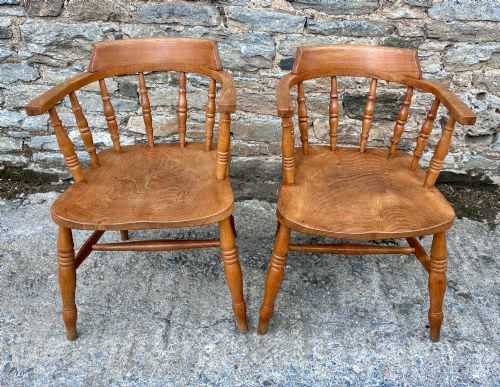
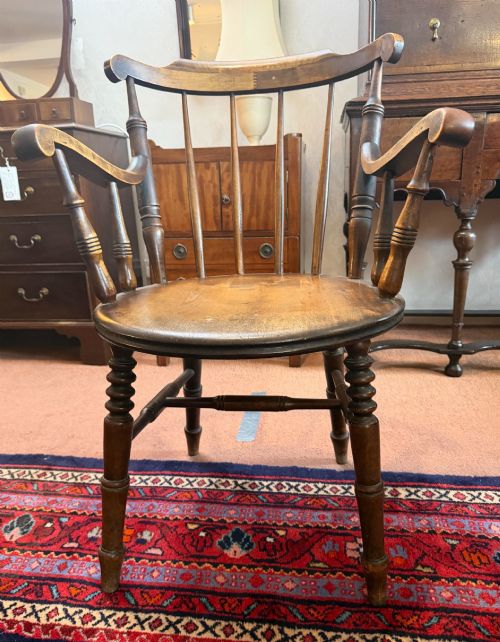
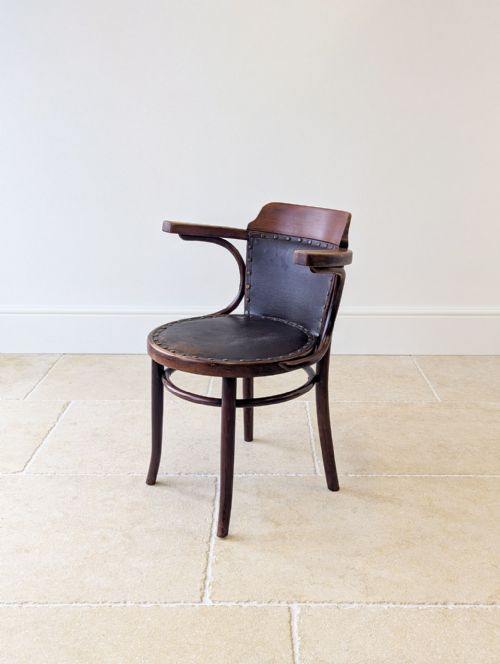
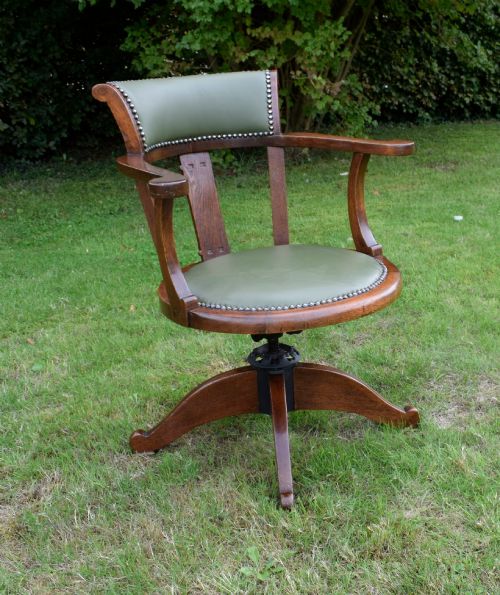
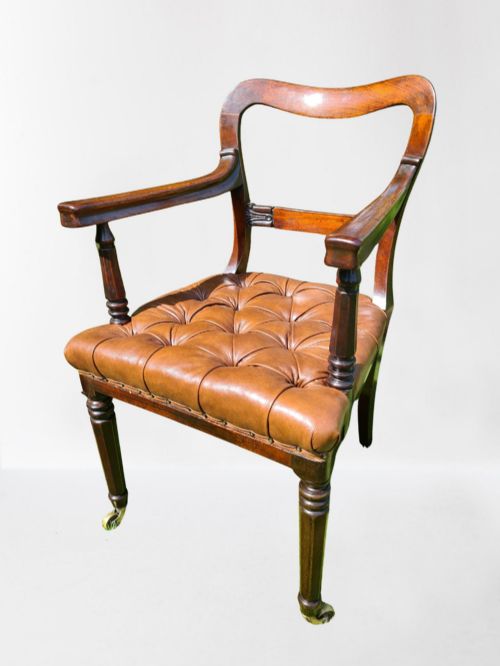
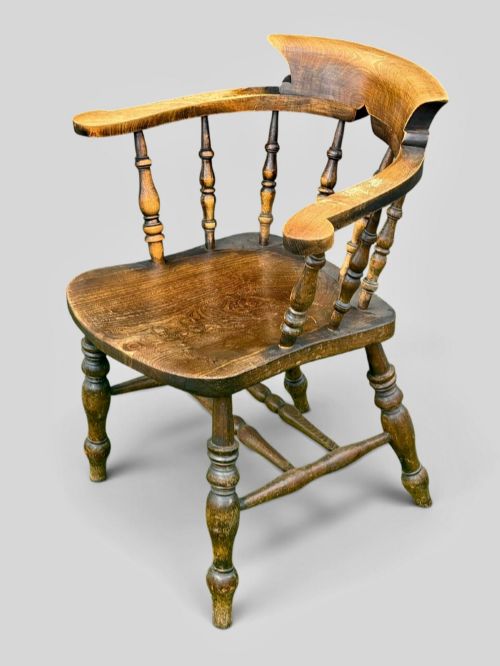
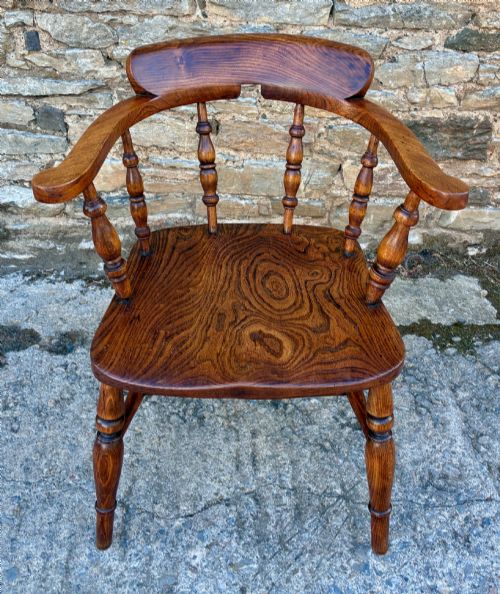
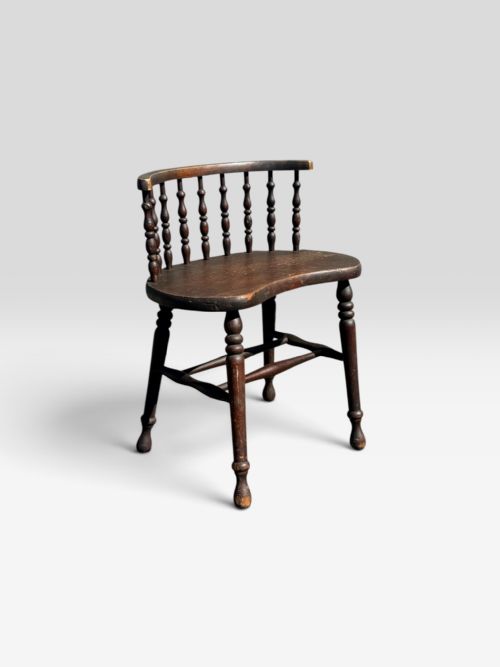
Seating variations span from standard Victorian elm smokers bow armchairs to complex mahogany swivel chairs fitted with leather upholstery. These items bridge domestic writing furniture and functional office seating from the nineteenth and early twentieth centuries.
How they were made
Cabinet makers utilised dense hardwoods including rosewood, walnut, burr walnut, and oak, often highlighting natural grain figures through polishing. Structural elements incorporated satinwood inlay, brass fittings, and inset leather writing or seating panels.
Revolving chair mechanisms employed timber frames joined with traditional methods, while Davenport desks integrated side drawers and stationery compartments beneath hinged slopes.
Retail Price Guide 2026
Typical UK retail prices for captains desk, calculated from the Sellingantiques database of over a million retail prices indexed since 2003. This retail price guide relies exclusively on Sellingantiques data; no external sources or auction records are used, so the figures do not describe the wider market.
Pop-up writing compartments inside Victorian Davenports reveal hidden stationary wells designed for clandestine letter writing.
What varies in quality
Superior examples distinguish themselves through choice timber selection, such as highly figured burr walnut or rich rosewood veneers, paired with crisp satinwood inlay. The finesse of turned wooden components and the integrity of built-in mechanical compartments elevate certain pieces above standard utility items.
In seating, quality rests on the robustness of the swivel mechanism, the depth of carved arm rests, and the retention of original leather upholstery showing careful patination.
The Captains Desk Glossary
- Davenport
- A compact form of small desk featuring a sloping writing surface hinged above a set of drawers. This design gained popularity during the Regency and Victorian periods.
- Smokers Bow
- A sturdy wooden armchair with a curved back rail supported by turned spindles, frequently utilised as a desk chair in Victorian interiors.
- Burr Walnut
- A distinctive wood veneer harvested from tree growths, prized for its swirling, intricate grain patterns on antique cabinet furniture.
- Satinwood Inlay
- Decorative contrasting wood detailing set into the primary timber surface to create geometric or floral patterns.
- Swivel
- A mechanical seating base allowing rotation, common in nineteenth century office and captains chairs.
Frequently Asked Questions
What is a captains desk antique?
These items encompass compact Davenport writing desks and revolving office armchairs originating from the nineteenth and early twentieth centuries.
They reflect period domestic and study furnishings constructed from dense hardwoods like oak, walnut, and rosewood.
How were these chairs used?
The revolving armchairs provided mobile seating for study rooms, offices, and shipboard use where stability and rotation proved practical.
Many featured tilt mechanisms and leather upholstery to support extended periods of writing or administrative work.
Where did Davenport desks originate?
Davenport desks emerged during the Regency period as small, highly functional writing cabinets equipped with concealed drawers and stationery compartments.
Victorian cabinet makers continued the form, incorporating rich veneers and marquetry inlay.
How do I identify Victorian pieces?
Victorian items often display characteristic dark walnut or mahogany timbers, alongside brass hardware and turned wooden components.
Construction details like hand-cut dovetails in the drawers help distinguish pieces from later reproductions.