
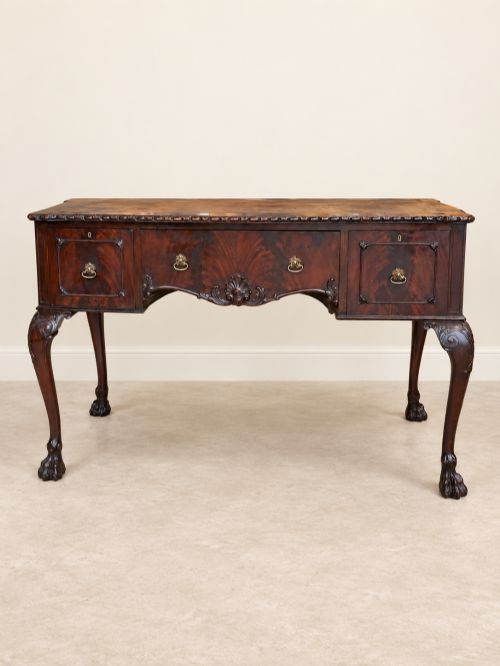
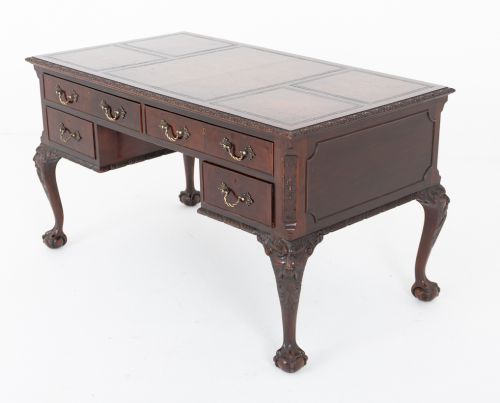


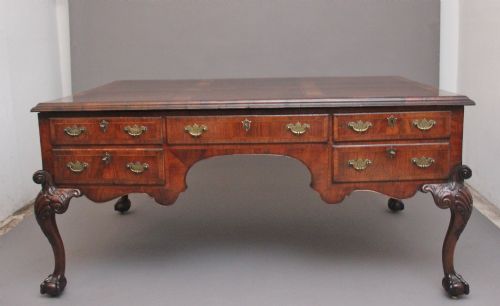
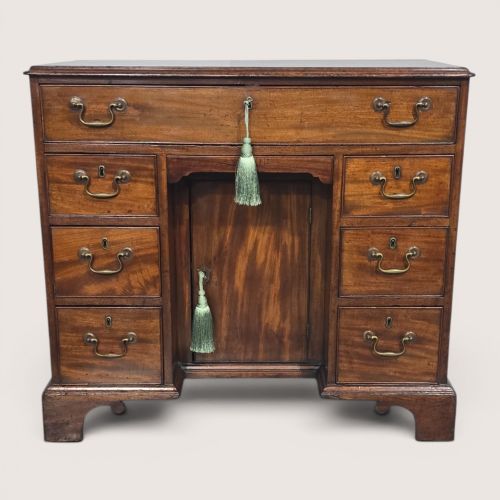




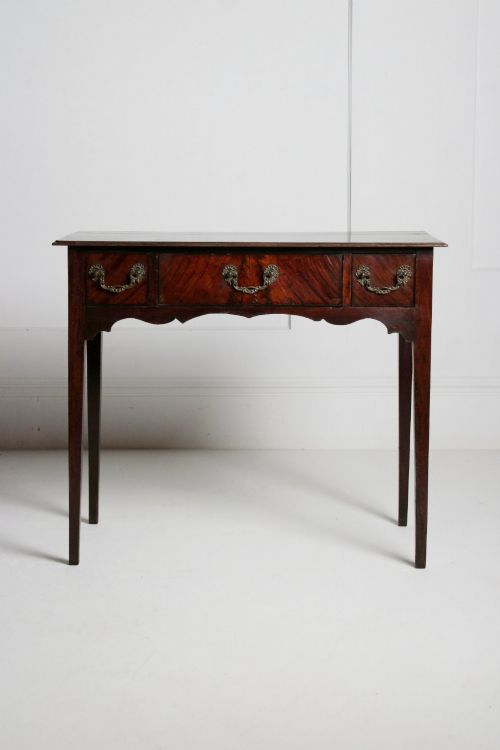
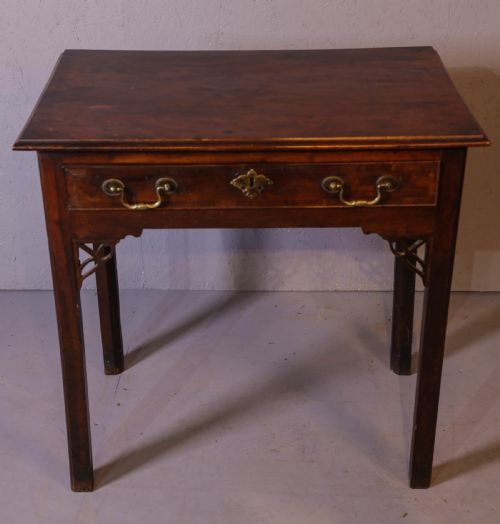
Chippendale Writing Table
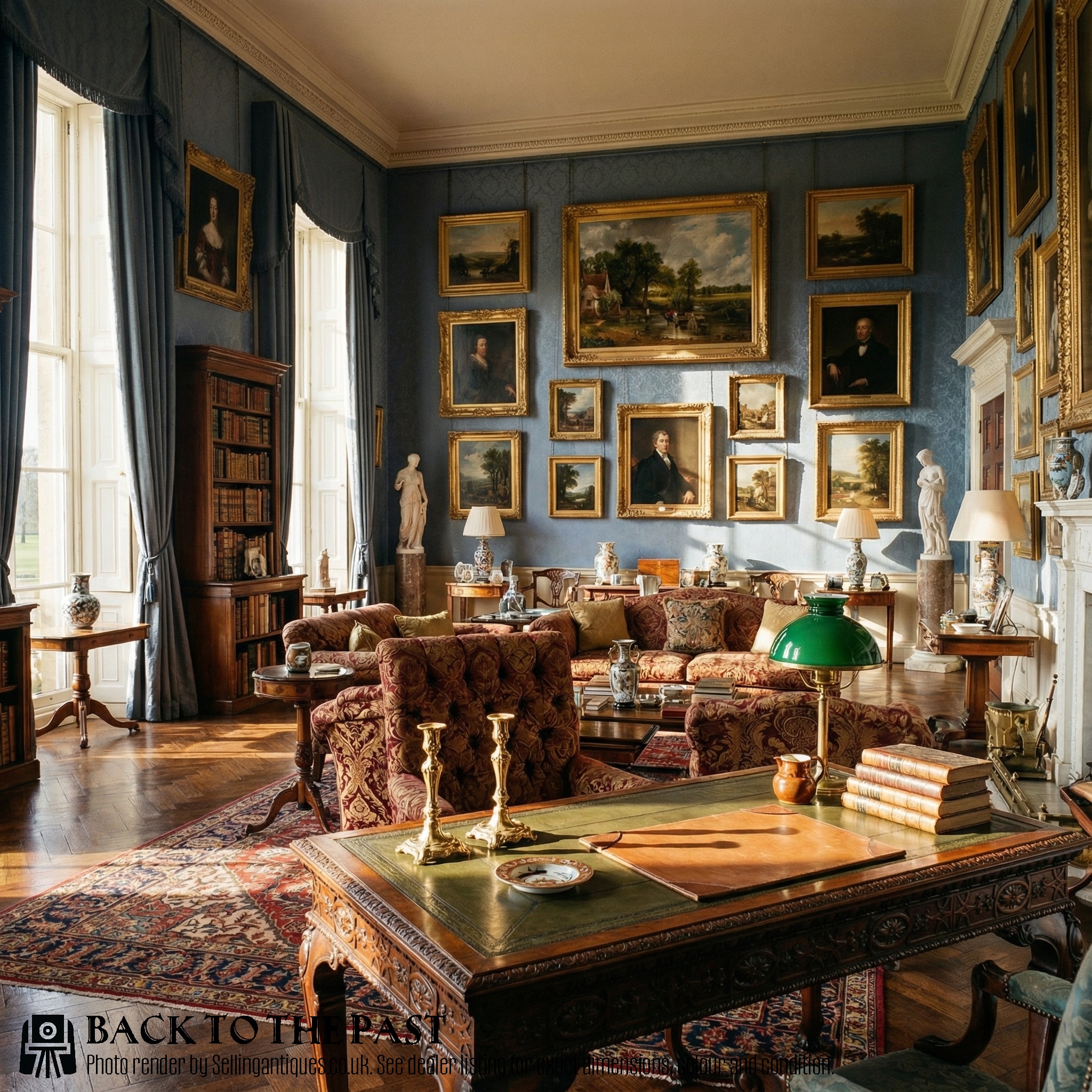
These chippendale writing table pieces bring unmistakable Georgian presence and rich mahogany grain to a room.
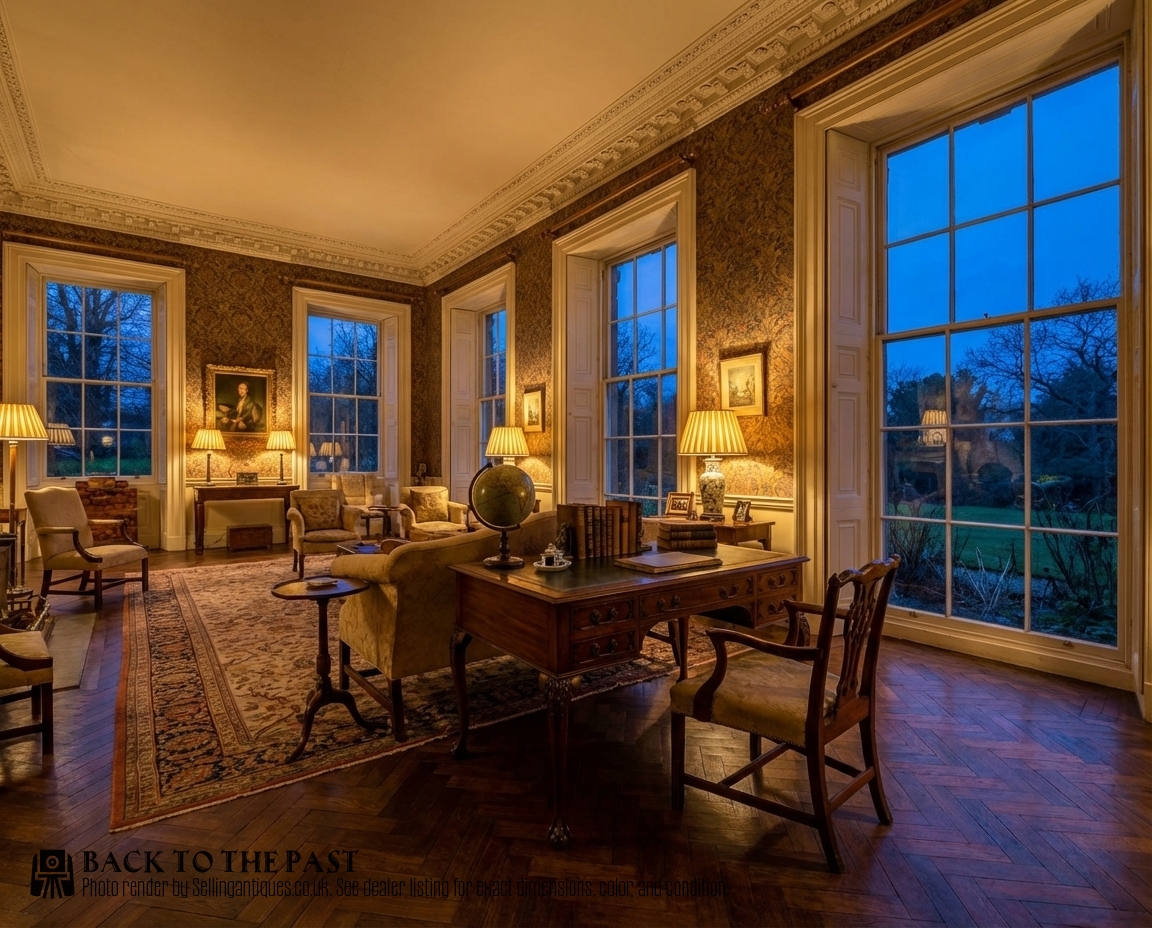
Identifying chippendale writing table pieces
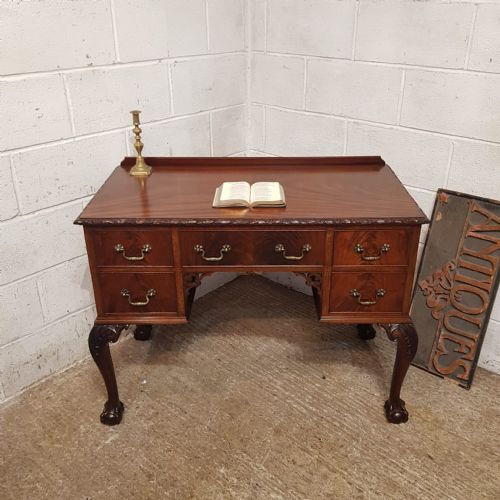
A chippendale writing table brings together classic Georgian cabinet work and functional desk surfaces. You will find examples spanning original eighteenth century pieces alongside later nineteenth century and Edwardian revival interpretations.
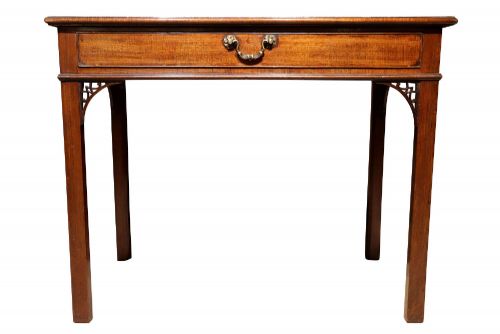
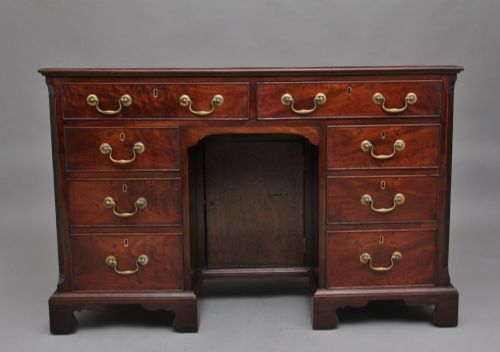
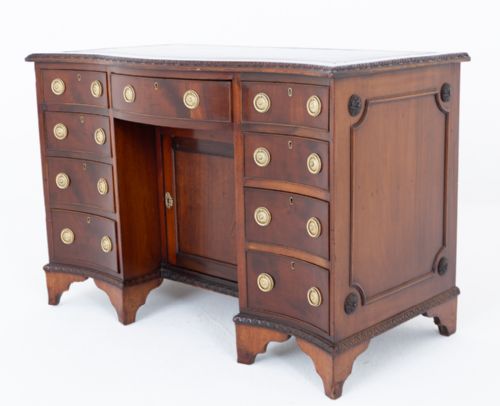
The form appears as rectangular centre tables, kneehole pedestal desks, partners desks, and smaller side table variants. Mahogany dominates the selection, occasionally supplemented by oak and walnut timbers.
Revival iterations from the Edwardian era and the nineteen twenties sit alongside authentic George III period furniture. Each piece provides a dedicated writing surface combined with drawer storage ranging from single drawer side tables to multi drawer pedestals.
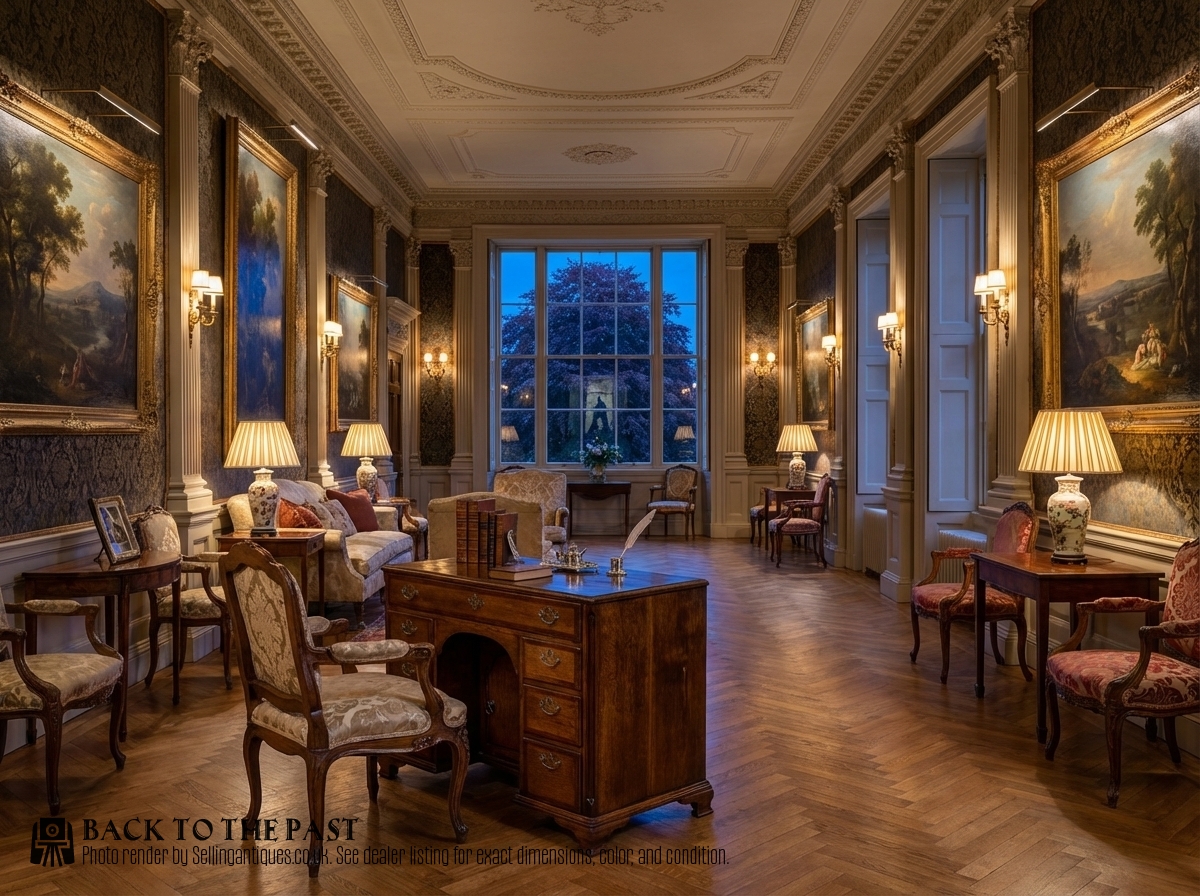
Assessing quality in construction and timber
Depth of timber figure and the crispness of carved detail separate standard production from superior examples. Flame mahogany veneers and secondary woods like oak show the commitment of the original workshop.
Structural integrity of the pedestals, drawers, and joints determines the enduring utility of the desk. Original brass fittings and well preserved leather inserts elevate the standing of a piece.
Retail Price Guide 2026
Typical UK retail prices for chippendale writing table, calculated from the Sellingantiques database of over a million retail prices indexed since 2003. This retail price guide relies exclusively on Sellingantiques data; no external sources or auction records are used, so the figures do not describe the wider market.
Listings feature mahogany, oak, walnut, brass, and leather across periods from the eighteenth century through to the nineteen twenties.
Maple and Co Of London·Waring and Gillow
The Chippendale Writing Table Glossary
- Chippendale Revival
- A late nineteenth or early twentieth century style reproducing eighteenth century cabinet making designs. These pieces emulate the proportions and carving motifs of the Georgian period.
- Kneehole pedestal desk
- A large freestanding desk featuring two banks of drawers with a central recess for the user's knees. This form offers substantial storage capacity alongside a formal writing surface.
- Partners desk
- A large double sided writing table designed for two people to work opposite one another. Drawers typically span both sides of the central pedestal structure.
- Flame mahogany
- A highly figured wood veneer displaying characteristic flickering grain patterns. Cabinet makers selected these decorative veneers for primary visual surfaces.
- Centre table
- A freestanding piece finished on all four sides to allow placement in the middle of a room. These tables function as writing desks while maintaining visibility from every angle.
Frequently Asked Questions
How do I spot a revival piece?
Revival desks dating from the Edwardian period or the nineteen twenties generally show softer timber ageing and standardised internal secondary woods compared to eighteenth century originals. Examination of drawer linings and construction joints reveals the manufacturing era.
Stylistic cues also help separate periods, as nineteenth and twentieth century workshops often emphasised heavier carved motifs or specific revival interpretations popular during their decade.
What timber was used most often?
Mahogany is the predominant timber found across these writing tables, appearing in both solid boards and decorative flame veneers. Oak and walnut also feature in specific regional or period configurations.
Secondary timbers inside drawers often include oak or pine, which helps confirm the age and origin of the cabinet work when inspected alongside exterior surfaces.
Where should I place a centre table?
Centre tables are finished on all sides to allow freestanding placement in the middle of a room rather than pushed against a wall. This makes them ideal for open plan spaces or home offices where the rear of the desk remains visible.
Ensure adequate clearance around the table for chair movement and access to any surrounding drawer units or pedestals.
How do I care for leather desk inserts?
Leather writing surfaces require gentle cleaning with a damp cloth and occasional specialised leather dressing to prevent drying and cracking. Avoid using harsh chemical solvents or excessive water during routine maintenance.
Keeping the leather away from direct sunlight preserves the original colour and supple texture of the writing surface over years of daily use.