

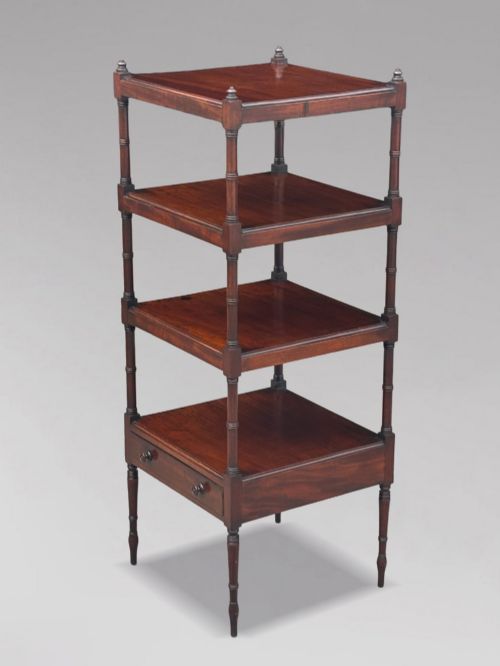
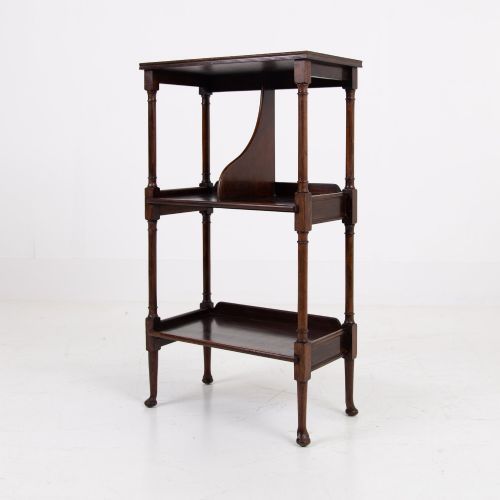
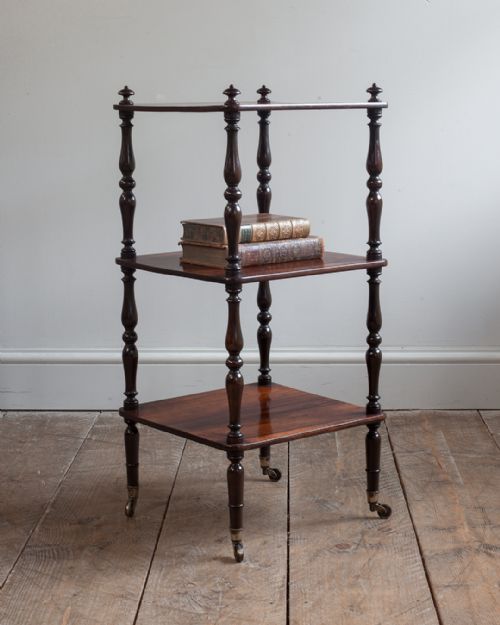
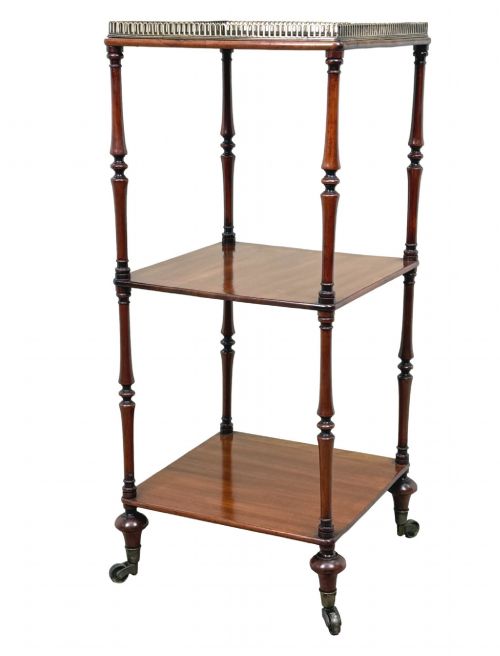


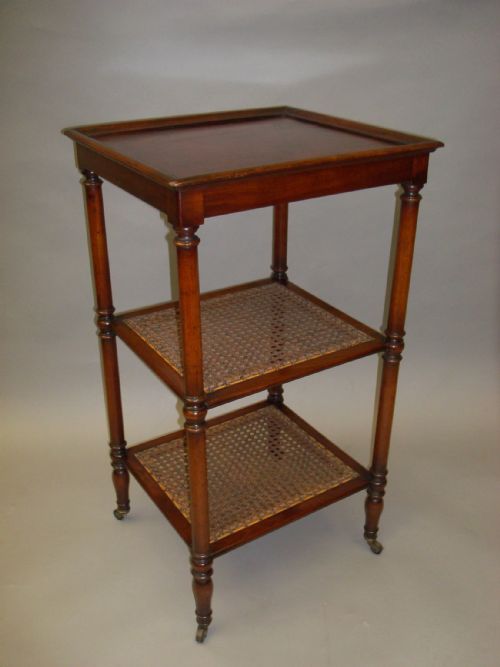

Regency Mahogany Whatnot
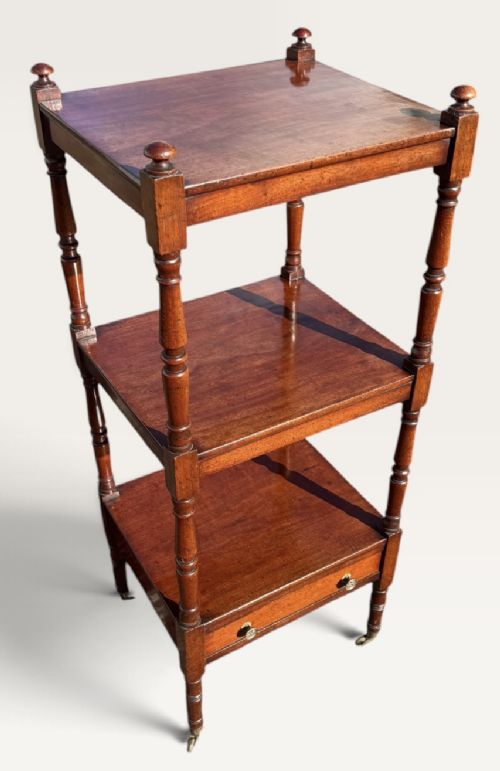
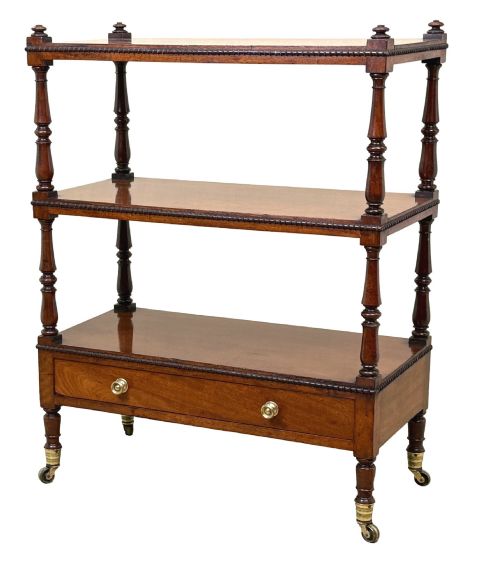
Regency mahogany whatnot pieces are tiered open display shelves designed for books and display, offering versatile tiered storage for period interiors.
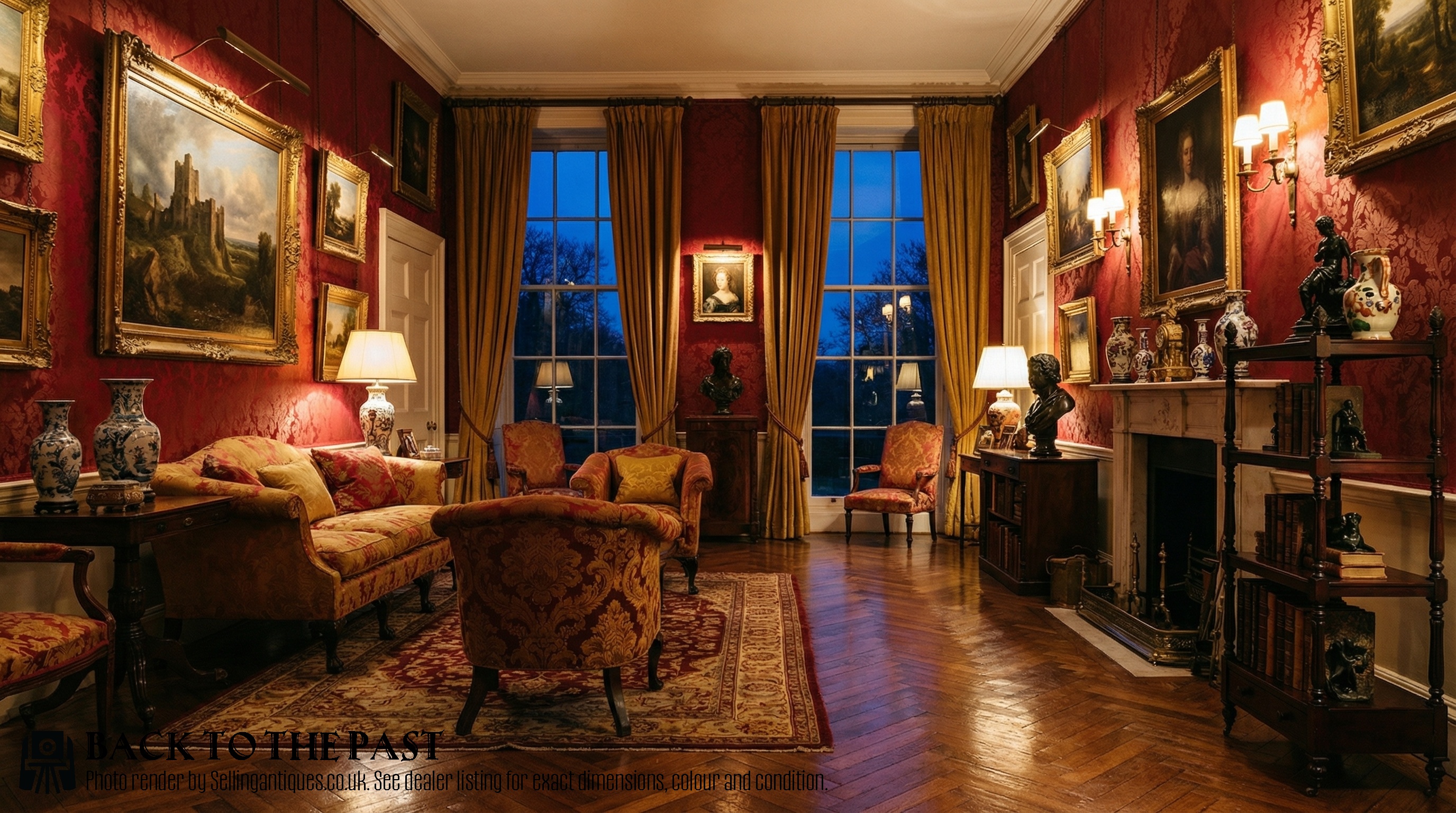
Regency Mahogany Whatnot
A regency mahogany whatnot is an open-shelved tiered piece of furniture designed for display and storage in period rooms. The pieces appearing here span the Regency, George III, George IV, and William IV periods, alongside later revival examples.
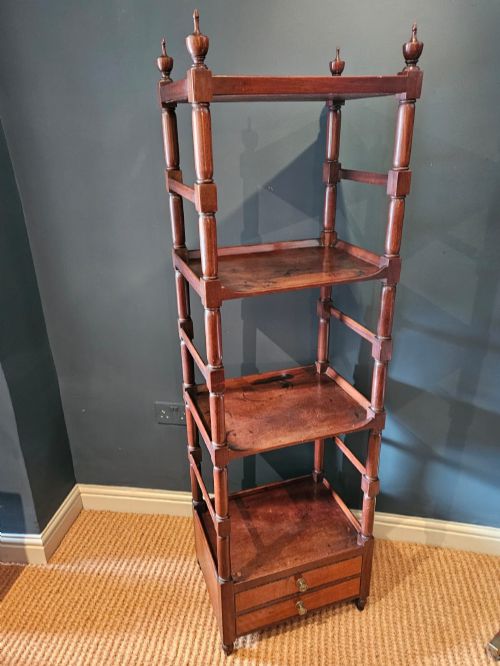
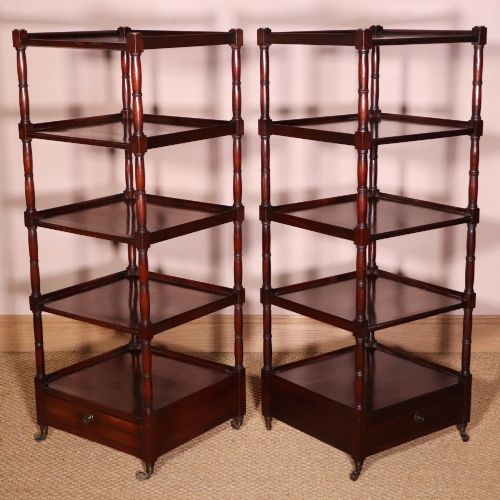
Most items on this page are multi-tiered shelving units or étagères, frequently constructed with three, four, or five tiers supported by slender uprights. Variations include pieces fitted with lower drawers, cellarettes, cupboards, music stands, or reading ledges.
Originating as practical display furniture for the late Georgian and Regency interior, these open stands provide vertical storage without bulk. Buyers encounter both freestanding upright units and specialised forms such as tapering etageres and corner designs.
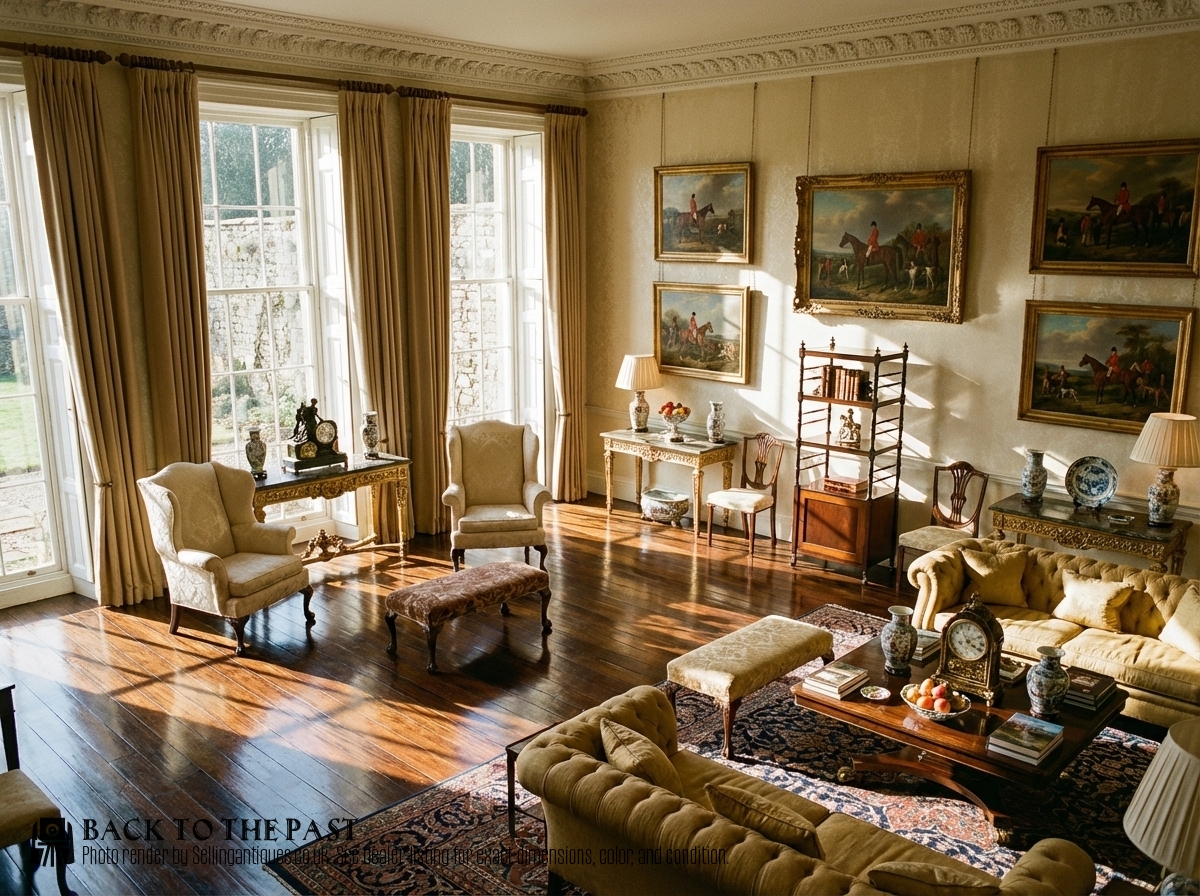
Materials and construction
Makers built these pieces primarily using mahogany, complemented by secondary timbers and occasionally rosewood or cane details. Brass fittings, castors, and gilt metal mounts frequently appear on the uprights and supports of finer examples.
Construction relies on graduated open tiers held by turned or tapered columns, sometimes incorporating enclosed cupboard bases, drawers, or drop-down reading slopes. Timber selection prioritises figured grain and rich surface colour.
Regency Mahogany Whatnot Retail Price Guide 2026
Typical asking prices for regency mahogany whatnot among the pieces listed under this phrase on Sellingantiques today, from the lower quarter to the upper quarter. They describe what is for sale here now, not the wider market.
Listings feature items spanning the Georgian, Regency, William IV, and Victorian periods, constructed primarily from mahogany with occasional rosewood and brass details.
Judging quality and craftsmanship
Proportion and stability determine the success of taller multi-tiered stands, where slender uprights must support heavy shelving without timber distortion. Original brass castors, well-fitted drawers, and clean mahogany grain elevate an ordinary shelf unit into a notable cabinet piece.
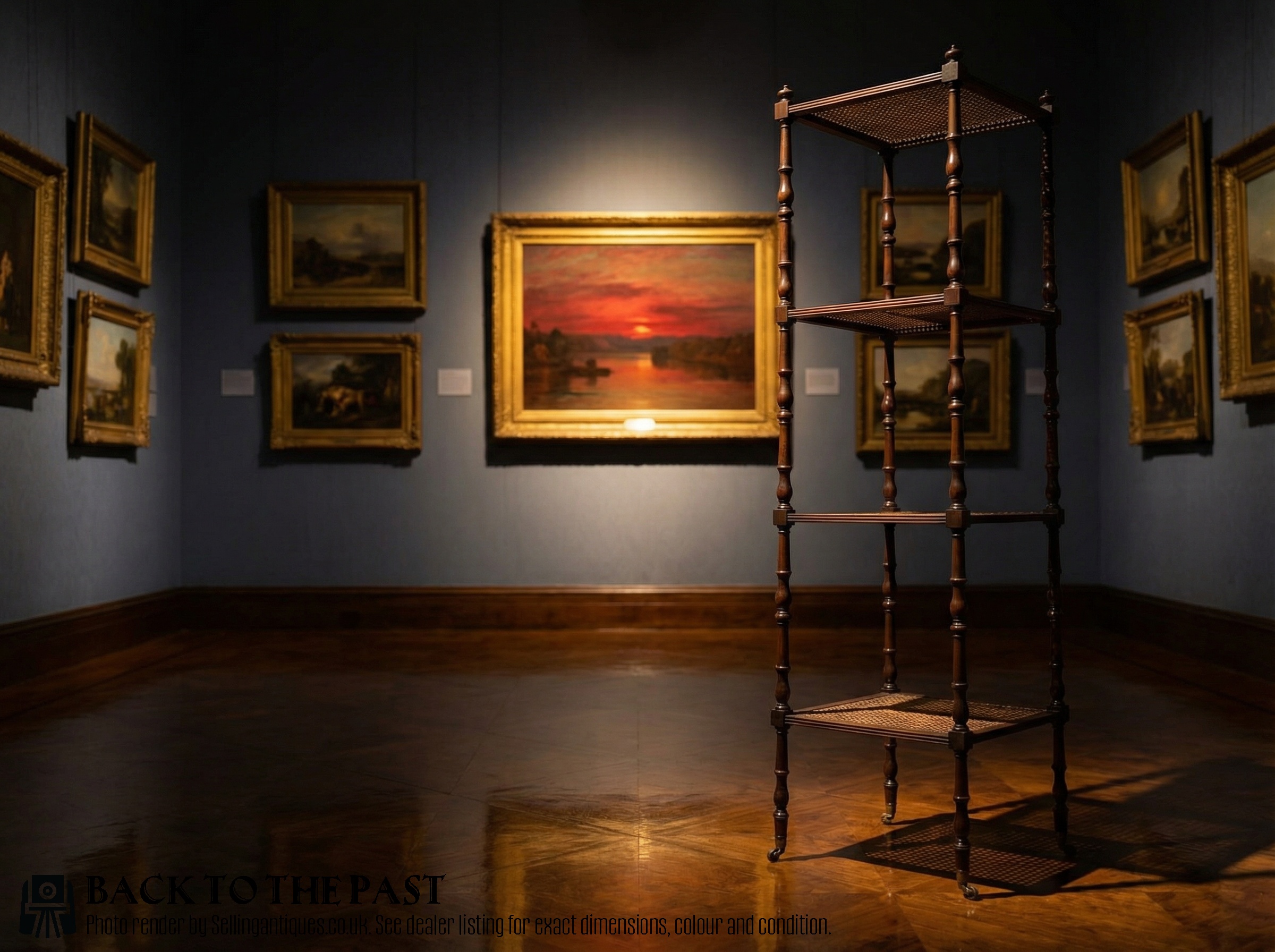
The Regency Mahogany Whatnot Glossary
- Whatnot
- An open shelving unit with multiple tiers used for displaying ornaments, books, or china. It developed during the eighteenth century and became a staple of Regency furnishing.
- Etagere
- A French term for a tiered display stand or whatnot. It functions similarly to open shelving but often emphasises decorative display.
- Cellarette
- A lockable compartment or container for bottles, occasionally integrated into the lower section of a whatnot or sideboard. It allowed diners to store wine within reach.
- Canterbury
- A low stand with partitioned sections for sheet music, books, or portfolios. Examples in the records combine this compartmentalized storage with standard whatnot shelving.
- Dumb Waiter
- A tiered revolving or stationary stand used for serving food or holding tableware without servants present. Some Regency forms bridge the boundary between dumb waiter and whatnot.
Regency Mahogany Whatnot: Frequently Asked Questions
What is a regency mahogany whatnot used for?
These tiered stands served primarily as flexible display and storage furniture in drawing rooms, libraries, and bedrooms. They held books, ceramics, and ornaments within easy reach of the occupant.
Over time, specialised variations emerged that incorporated music stands, reading ledges, or enclosed drawer bases for smaller items.
How do I date a whatnot?
Dating relies on stylistic shifts across the Georgian, Regency, and William IV periods. Earlier George III examples tend to feature restrained lines, while Regency and George IV versions often display bolder pillar turnings, brass mounts, or tapering forms.
Revival pieces from around nineteen hundred imitate these earlier silhouettes but generally reveal different timber seasoning and construction methods upon closer inspection.
Are all these pieces freestanding?
The majority of items listed are designed to stand freely against a wall or within a room. Their finished backs and balanced proportions allow them to occupy central spaces as well as perimeter positions.
Some specialised variants, such as corner units or wall-mounted shelves, require specific placement within a period interior scheme.
What is the difference between a whatnot and an etagere?
In practical terms, the two words describe the same form of tiered open shelving. Etagere tends to emphasise the French origin and decorative display function of the piece.
British makers and buyers historically used whatnot to describe the multi-tiered utility stand used for books and general household storage.