
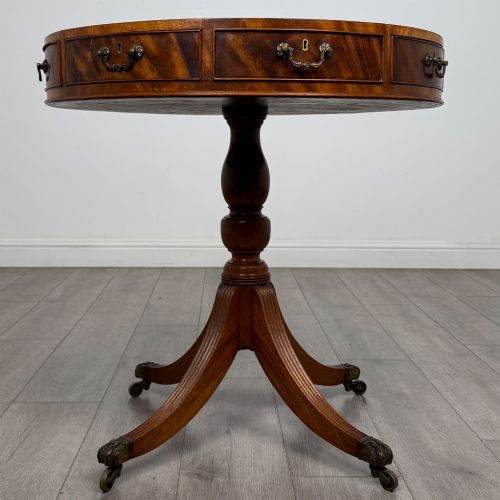
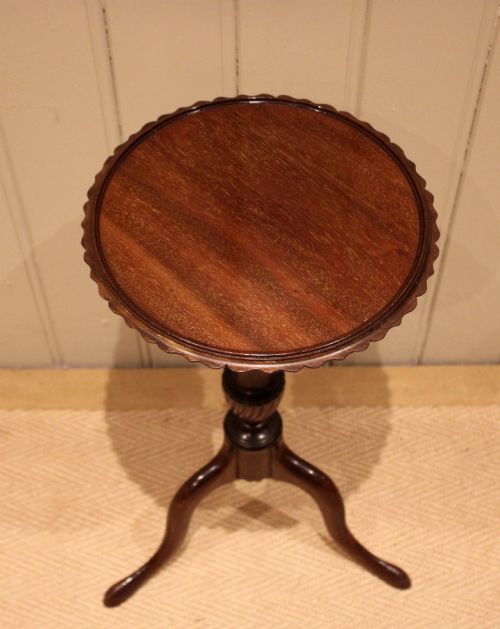
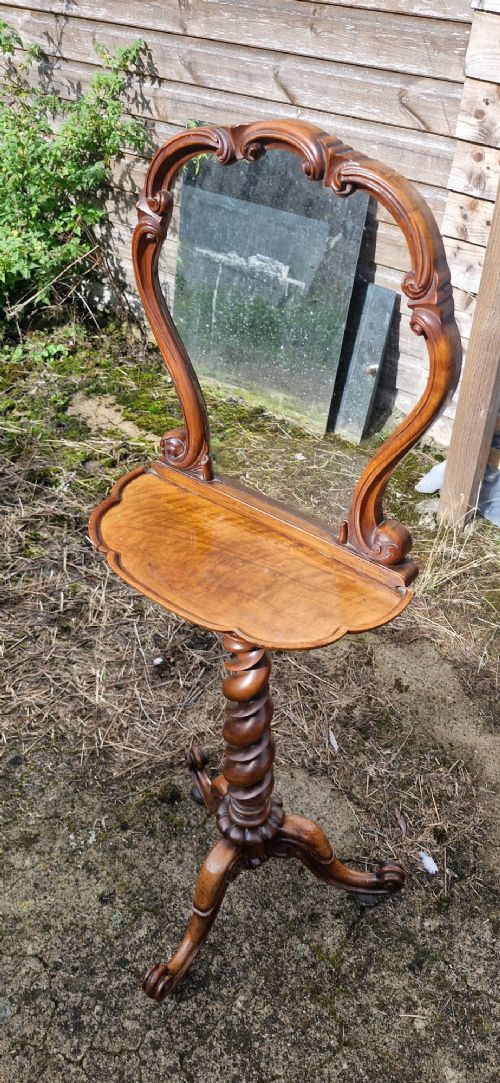
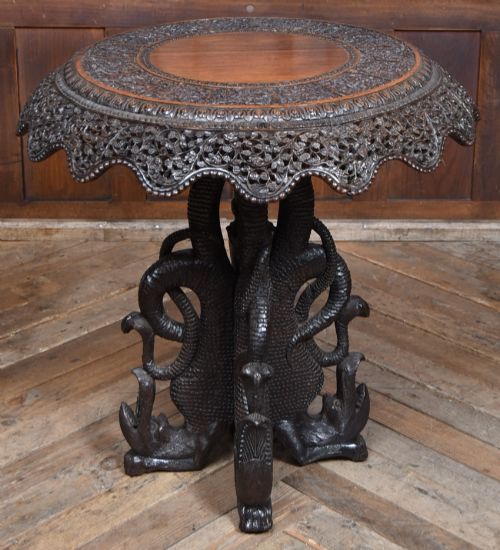


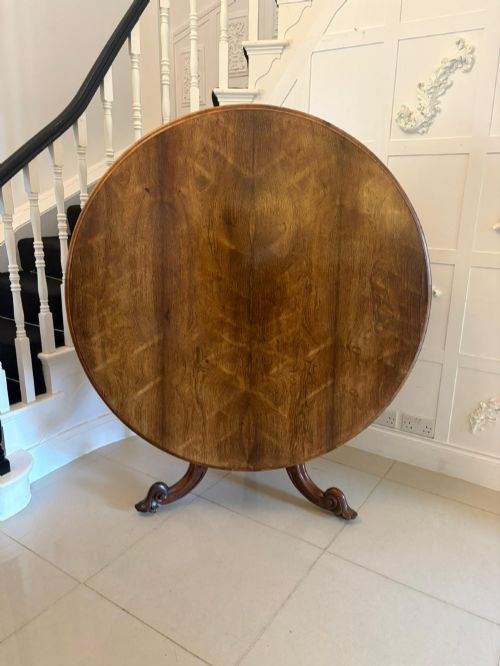
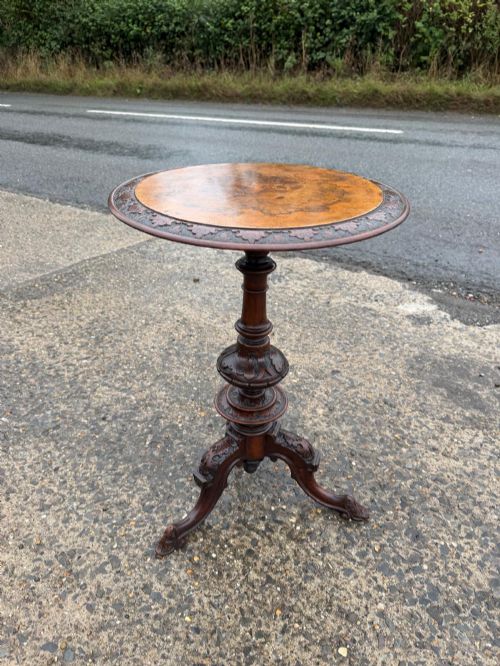
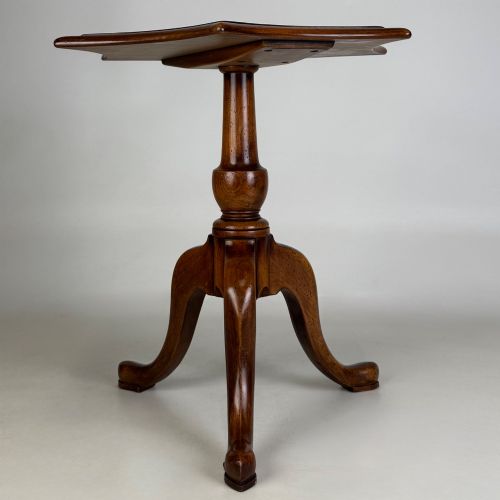
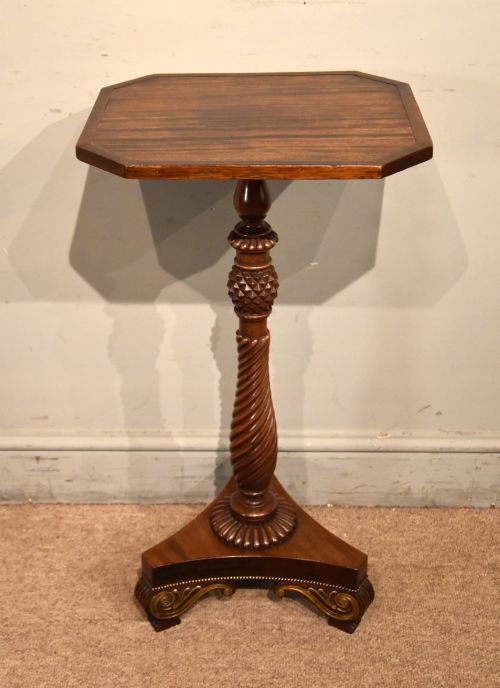
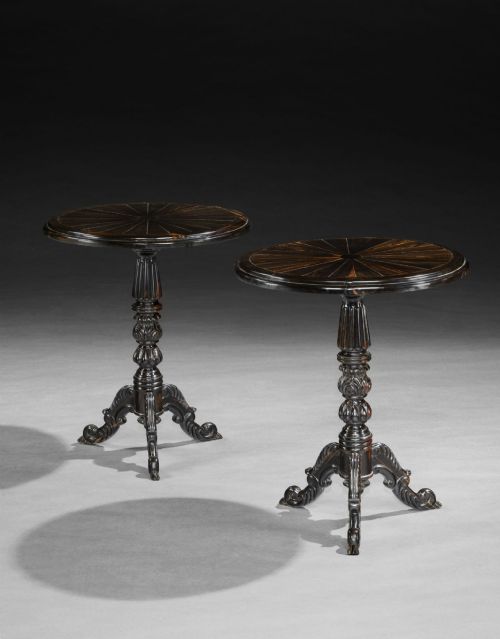
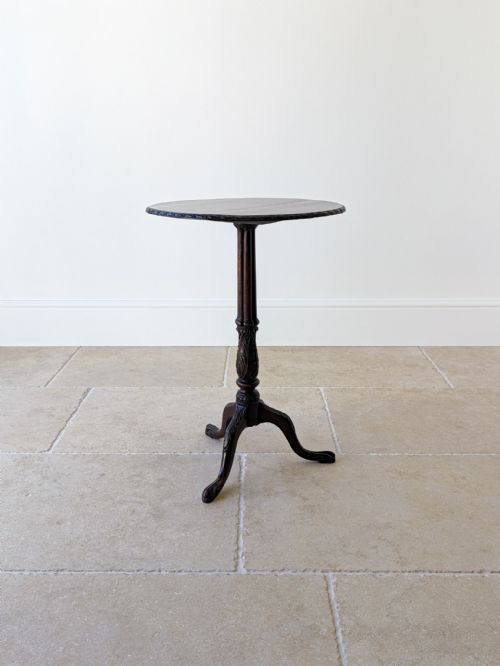
Carved Tripod Pedestal Table
A carved tripod pedestal table brings character and a stable three-legged stance to a room, offering practical surface space without the bulk of four legs.
Understanding carved tripod pedestal tables
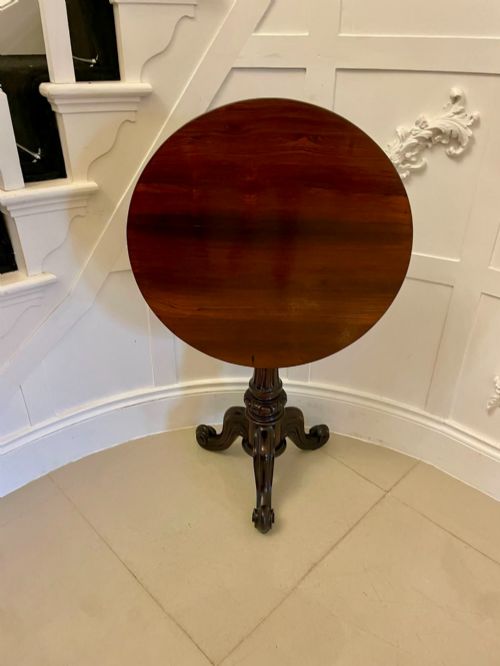
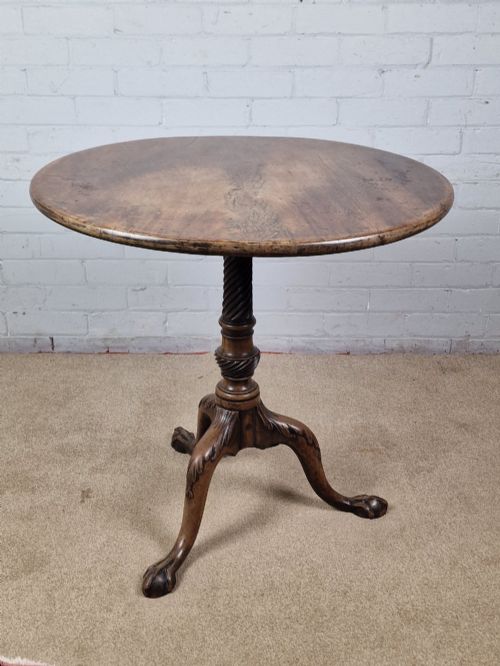
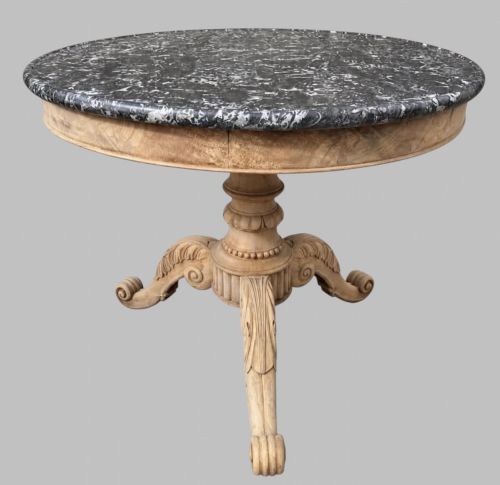
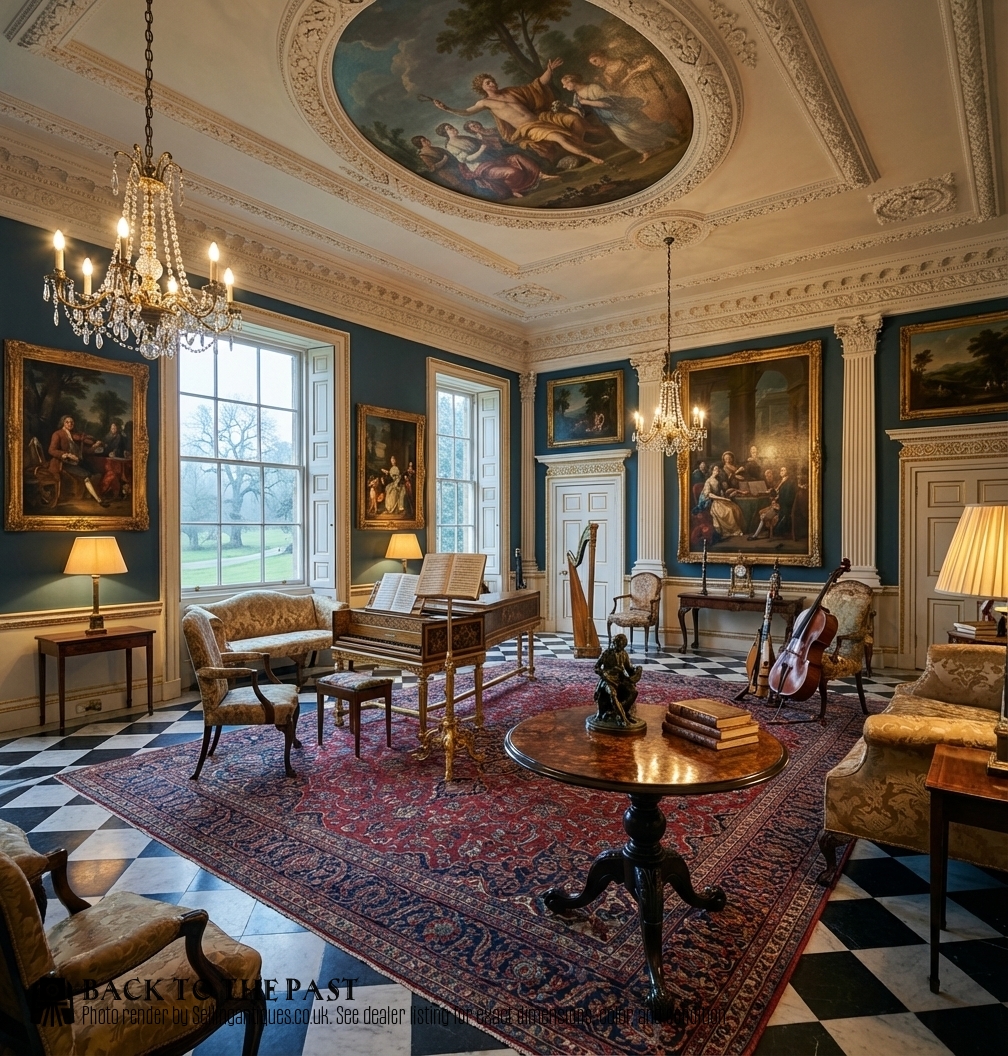
A carved tripod pedestal table functions as a versatile surface in domestic spaces, appearing in forms such as side tables, wine tables, occasional tables, and tilt-top supper tables. These pieces stand on a central pillar supported by three feet, combining compact footprints with decorative presence.
The selections visible here span the nineteenth century, including Victorian examples, Regency pieces, and work dated around nineteen hundred. Buyers encounter diverse top configurations, from round and flip-top surfaces to pie-crust edges.
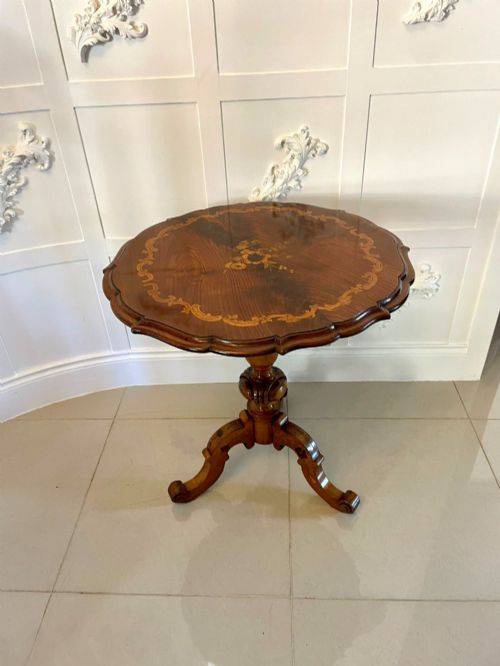
Origins and regional styles vary across the inventory, encompassing Italian Sorrento marquetry alongside British cabinet-making traditions. Makers and workshops of the period produced both intimate wine tables and larger centre or dining tables using this enduring structural format.
Materials and construction methods
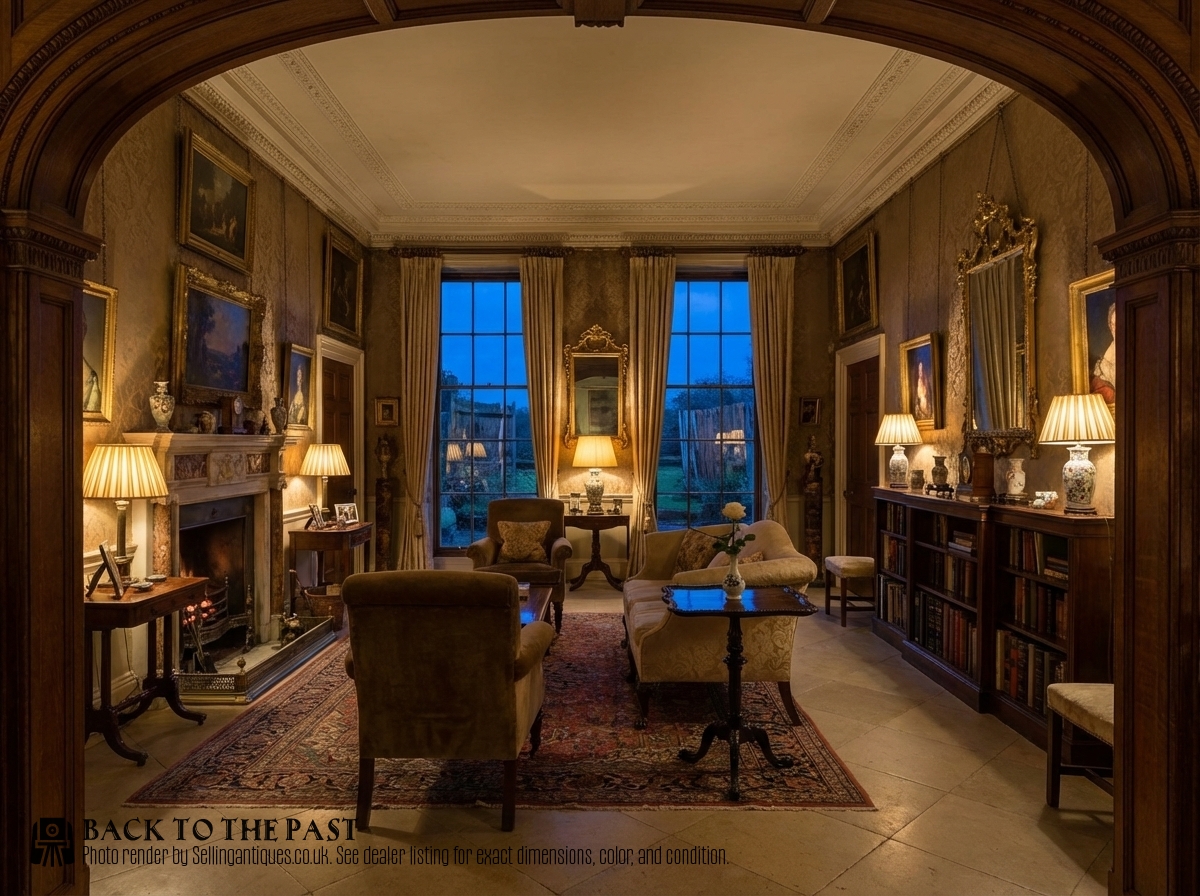
Cabinet-makers constructed these tables using solid timbers and decorative veneers over mixed hardwoods and mixed woods. The recorded materials include walnut, burr walnut, olive wood, rosewood, oak, and goncalo alves, matched with brass hardware where functional mechanisms require metal components.
Surface decoration relies on marquetry inlay and elaborate wood grain patterns, particularly evident in burr walnut tops and Italian inlaid specimens. Turned and carved central pedestals transition down to tripartite legs, sometimes featuring snap-top or tilt mechanisms for storage.
Retail Price Guide 2026
Typical UK retail prices for carved tripod pedestal table, calculated from the Sellingantiques database of over a million retail prices indexed since 2003. This retail price guide relies exclusively on Sellingantiques data; no external sources or auction records are used, so the figures do not describe the wider market.
Distinctions in craftsmanship and design
Quality rests upon the selection of timber figures, where rich burr walnut or intricate olive wood marquetry elevates the visual impact of the top. The precision of the inlay work and the depth of the carving on the pedestal and feet separate standard production from superior output.
Structural integrity of the tilt-top or snap-top mechanism dictates mechanical success, ensuring the surface locks firmly when horizontal. The harmony between the proportions of the central column and the spread of the three legs defines the visual balance of each piece.
Gillows
The Carved Tripod Pedestal Table Glossary
- Tilt top
- A tabletop hinged to the pedestal, allowing the surface to fold vertically when not in use. This clever mechanism saved floor space in smaller period rooms.
- Marquetry
- Decorative veneer patterns formed by fitting together thin slices of various woods. Artisans created intricate pictorial or geometric designs on the table surface.
- Pie crust edge
- A raised, carved moulding along the perimeter of a circular tabletop, shaped in undulating curves. It mimics pastry work popular in earlier furniture design.
- Snap top
- A spring-loaded or catch mechanism that secures a tilting tabletop in the horizontal position. It prevents accidental tipping during use.
Frequently Asked Questions
What is a tilt-top table used for?
A tilt-top table served multiple functions in nineteenth-century homes, acting as a dining, supper, or display surface when locked horizontally. When folded vertically, the table could be pushed against a wall to clear floor space.
The mechanism made these pieces adaptable for smaller rooms and intermittent entertaining.
How do I date a pedestal table?
Dating relies on identifying the timber species, decorative styles, and construction methods characteristic of specific periods like the Regency or Victorian eras. Secondary woods and hardware also offer clues to the age of the piece.
Cabinet-making techniques evolved over the nineteenth century, shifting from hand-cut joints to more standardised production methods by nineteen hundred.
What is burr walnut?
Burr walnut is a veneer taken from the wart-like growths on walnut trees, yielding complex, swirling grain patterns. Cabinet-makers prized this material for tabletops to create striking visual focal points.
The natural figuring makes each burr walnut table entirely unique.