

Antique Tilt Top Dining Table
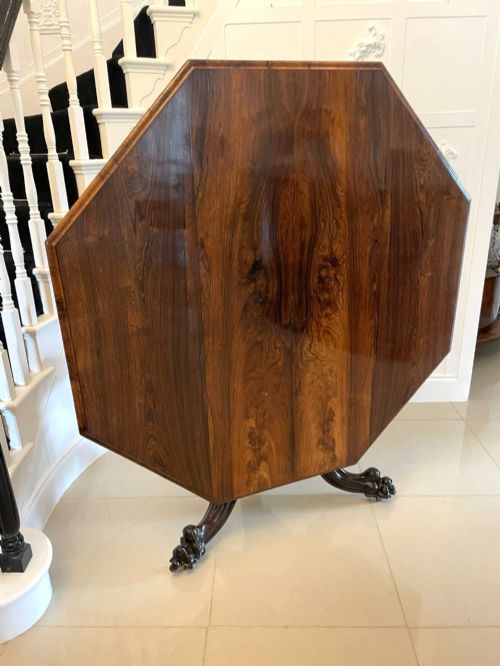
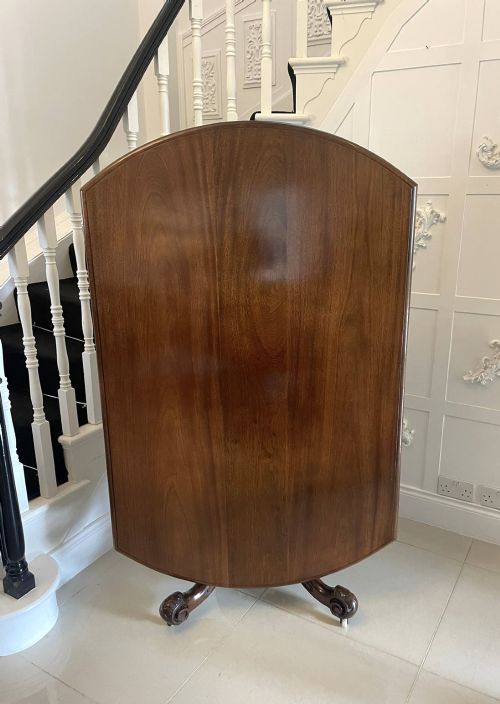
An antique tilt top dining table folds away to save space when not in use.
The Form and Character of the Antique Tilt Top Dining Table
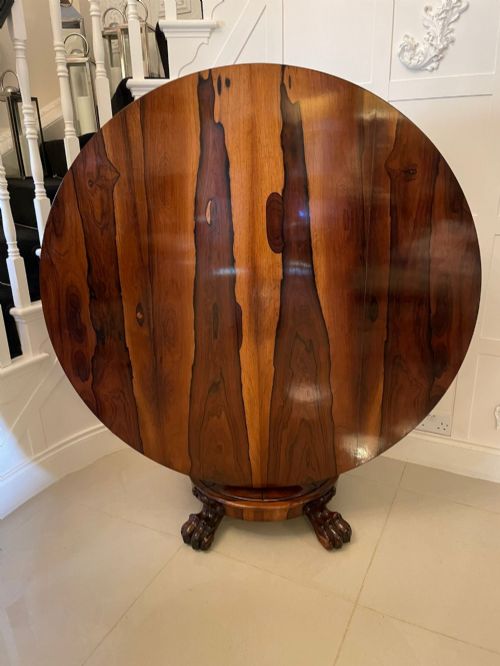
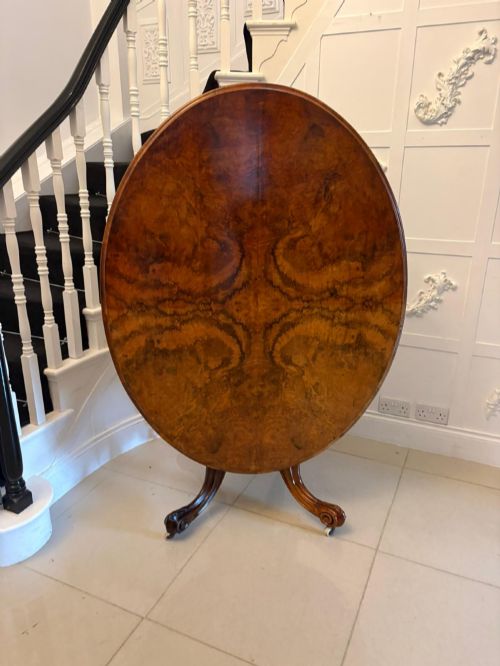
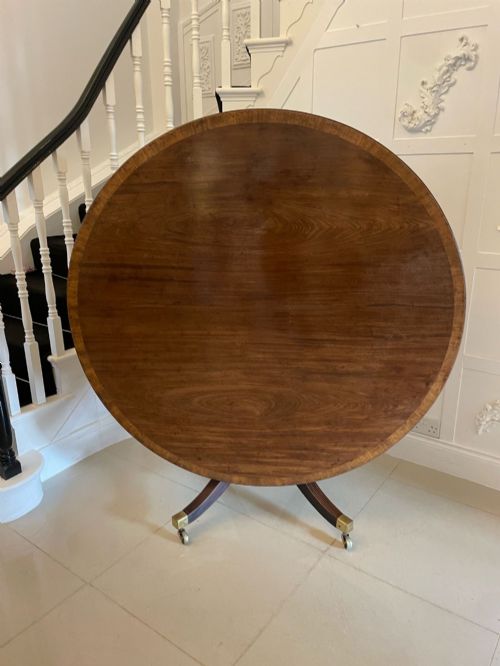
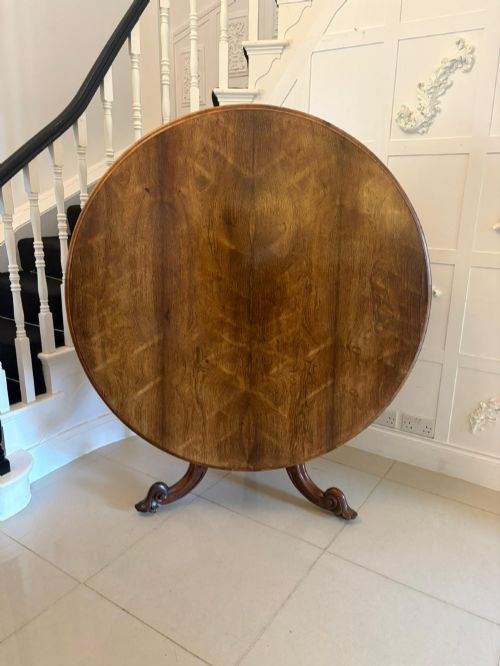
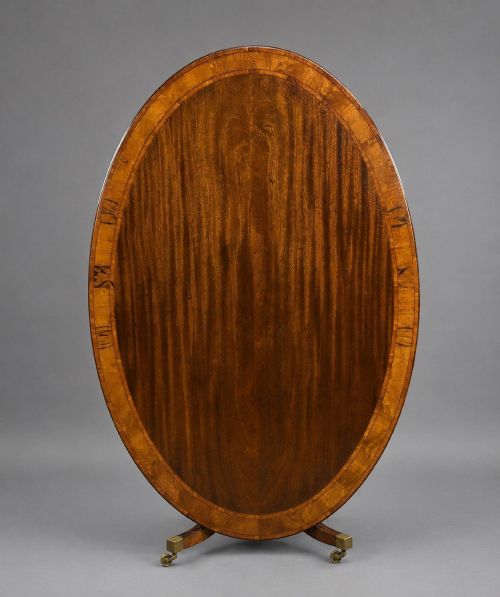
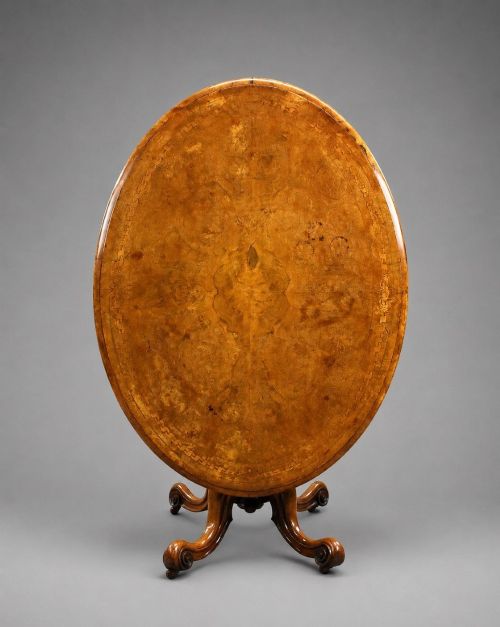
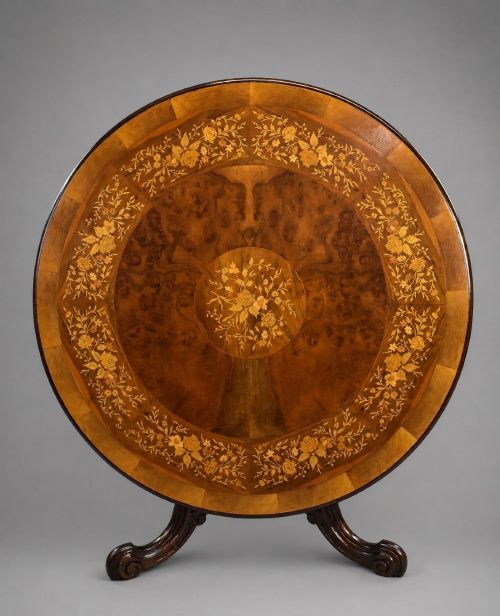
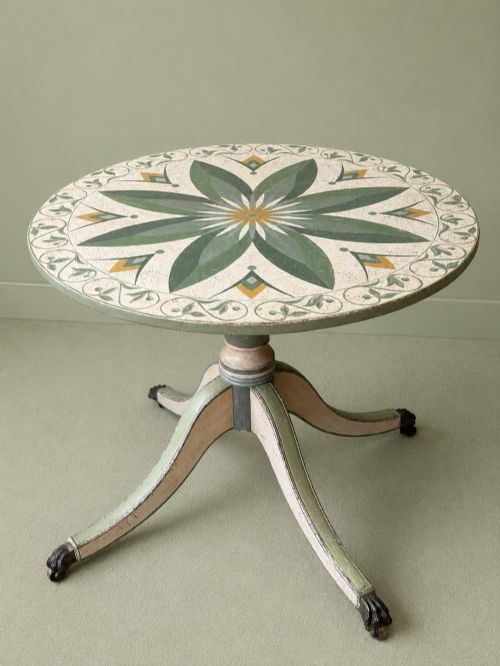
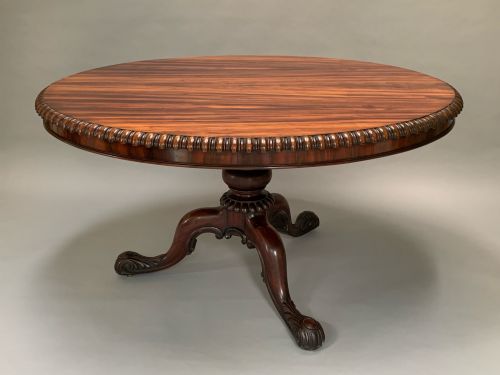
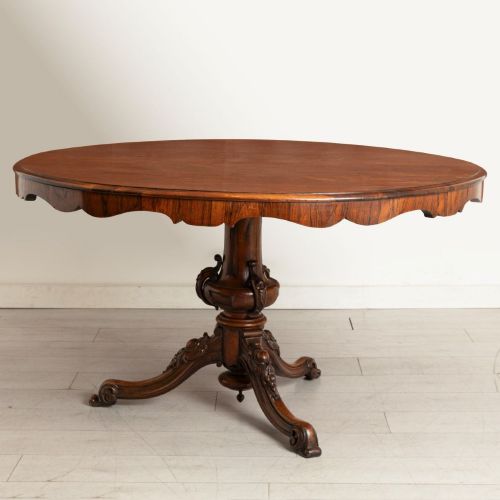
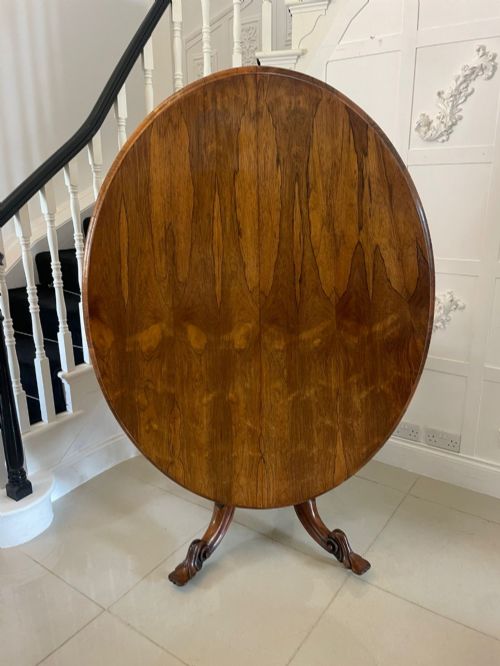
An antique tilt top dining table is a functional domestic piece designed to pivot its surface upright against a pedestal base when not in use. You are most likely to meet the Victorian and Georgian versions on this page, which appear frequently in circular or oval forms.
These items served dual purposes as breakfast tables, centre tables or occasional dining tables in grand homes. The surviving examples showcase a range of styles including George III, William IV, Regency and Victorian, often seating multiple diners.
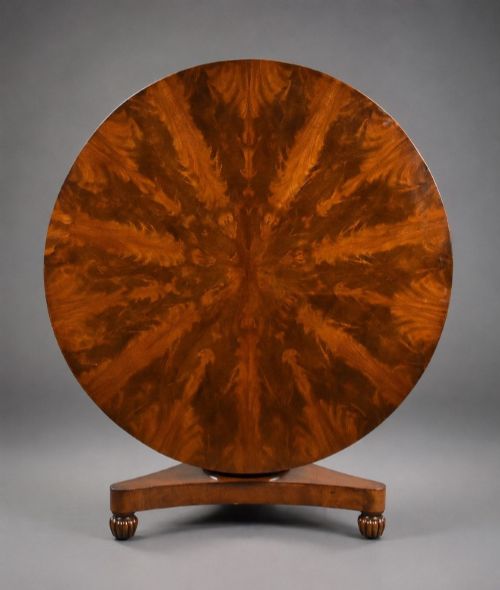
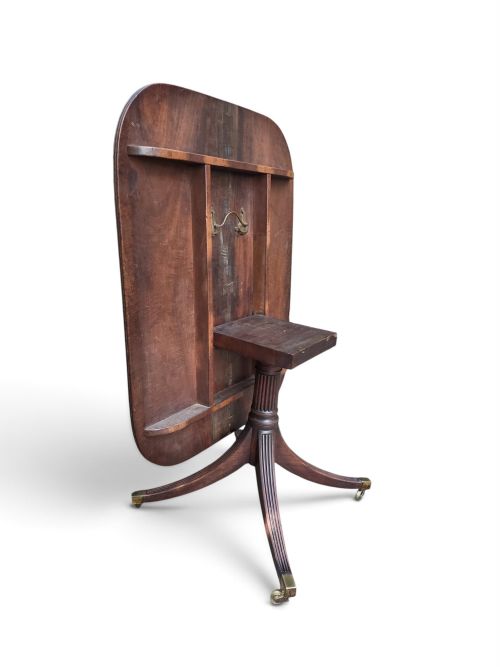
Makers constructed these tables with pedestals ending in tripod or triform feet, occasionally incorporating brass elements for mobility. The overarching design allows the heavy top to tilt flat for dining and lock vertically for storage against a wall.
Materials and Construction Methods
Cabinetmakers utilised solid timbers and decorative veneers over secondary woods to build these tables. The evidence records frequent use of mahogany, rosewood and burr walnut, alongside accents of satinwood and flame mahogany veneer.
The pivoting mechanism relies on a sturdy central pedestal and a catch mechanism that secures the tabletop in a horizontal position. Craftspeople carved details into the pedestals and table edges, applying finishes that highlighted the natural grain of the timber.
Retail Price Guide 2026
Typical UK retail prices for tilt top dining table, calculated from the Sellingantiques database of over a million retail prices indexed since 2003. This retail price guide relies exclusively on Sellingantiques data; no external sources or auction records are used, so the figures do not describe the wider market.
Listings feature periods spanning from the eighteenth century through the Victorian era.
What Distinguishes Superior Examples
The quality of an antique tilt top dining table rests heavily on the choice of timber and the execution of its veneers. Tables displaying finely figured mahogany, rich rosewood or striking burr walnut sit at the higher end of the scale.
Construction rigidity defines the better pieces in this category. A mechanism that locks the heavy top firmly without wobble, combined with finely carved pedestals and balanced proportions, separates standard items from exceptional ones.
The Antique Tilt Top Dining Table Glossary
- Tilt top
- A tabletop mounted on a pivoting mechanism that allows the surface to rotate vertically against the pedestal. This clever design saved valuable floor space in historic dining rooms.
- Breakfast table
- A term historically applied to smaller or pedestal-based dining tables used for morning meals. These often feature the tilt top mechanism.
- Loo table
- A Victorian term for a round or oval centre table used for the popular card game of loo. They frequently share the tilting mechanism seen on breakfast tables.
- Burr walnut
- A highly decorative wood harvested from the wart-like growths on walnut trees. Cabinetmakers prized it for its swirling grain patterns.
- Triform
- A pedestal base featuring three supporting feet or legs. This configuration provides stability for heavy circular tabletops.
Frequently Asked Questions
What is an antique tilt top dining table?
An antique tilt top dining table is a versatile furniture piece with a hinge mechanism that turns the surface vertical.
This design enabled historic households to store the furniture against a wall when dining finished.
How do you use a tilt top table?
You release a catch beneath the surface to pivot the heavy wooden top from horizontal to vertical.
In the flat position, it functions as a standard dining or centre table for daily use.
How do I identify a Georgian tilt top table?
Georgian examples often display figured mahogany timbers with subtle carving on the pedestal base.
They date from the eighteenth or early nineteenth century and typically feature refined proportions.
What woods were used for these tables?
Cabinetmakers primarily used mahogany, rosewood and burr walnut for the visible surfaces.
Some pieces also incorporate satinwood inlay and brass fittings on the base.